ljg-skill-skill-map: The Repo That Lets Claude Read Its Own Brain
A terminal-first map of local AI skills, organized as a cognitive system, not a directory dump.
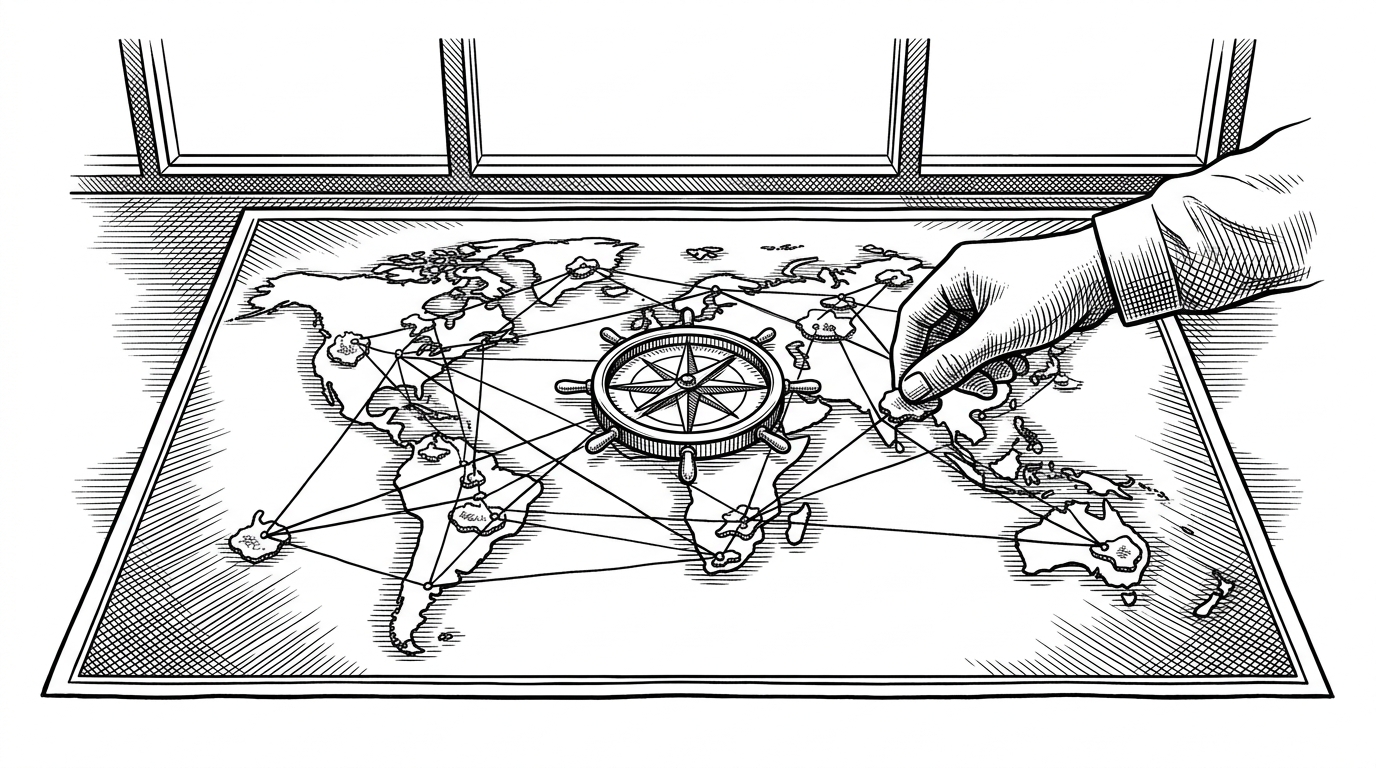
- ljg-skill-skill-map turns a live folder of Claude skills into a cognitive atlas, so the agent can see its own abilities instead of guessing at them.
- CogOS matters because it imposes a working taxonomy on skills, moving them from generic plugins into a pipeline of intake, decomposition, synthesis, creation, and reflection.
- The ASCII-only output is not nostalgia, it is a portability choice that keeps the map readable in any terminal.
- Its real competition is not a skill marketplace or an orchestrator, but every manual way of asking, what do I already have installed?
A map of Claude's local skills, not a pile of files
Most skill libraries get harder to trust as they grow. ljg-skill-skill-map answers that by turning the local ljg-* folder into a live map of capability, so Claude can inspect what it already knows instead of rummaging through filenames. The result feels less like a plugin index and more like a small operating system for self-knowledge.

ljg-skill-map 负责把已安装 skills 做成可视化总览,这种“给技能系统做导航”的思路挺妙。
That is the real shift. The repo is not trying to discover the universe of skills. It is trying to help one Claude setup understand itself, which is a much narrower and more useful problem.
What CogOS is really doing
CogOS is the intellectual core. Skills are grouped into layers from Meta to Intake, Decompose, Synthesize, Create, and Reflect, which turns a loose collection of tools into a pipeline of cognition. Once you see the map that way, the project stops looking like admin and starts looking like a model of how work moves through an AI system.
This matters because the taxonomy is opinionated. A new skill is not just added to a shelf. It changes the shape of the map, which makes gaps, overlaps, and missing layers visible at a glance.

Why ASCII is the right constraint
The ASCII rule is not a retro flourish. It is a portability contract. If the output has to survive different terminals, fonts, and shells, the safest visual language is the one every terminal already understands.
值钱的不是 7 个 skill 本身,而是它把“理解内容 → 重写表达 → 视觉转译”做成了一套可拼装的工作流。
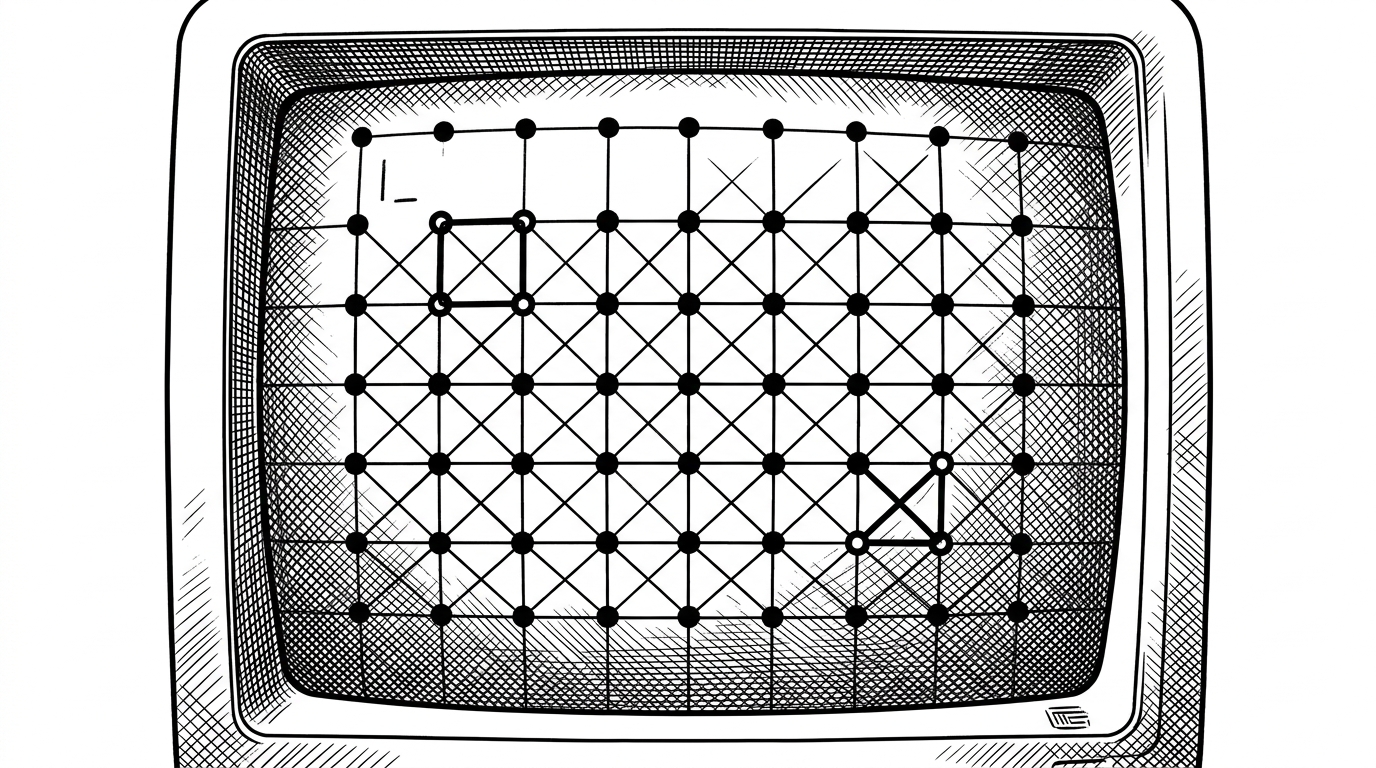
That is the design win. The map does not try to be the prettiest thing on screen. It tries to be the thing that still works when everything else is messy, which is exactly what terminal-native tools should optimize for.
The trick is the filesystem is the source of truth
Under the hood, the loop is simple: glob the local ~/.claude/skills/ljg-*/SKILL.md files, infer a layer, then render a topology. Because the map is generated from the live filesystem, it stays aligned with reality as the skill set changes.
skills=$(glob ~/.claude/skills/ljg-*/SKILL.md)
for file in $skills; do
  layer=$(infer_cogos_layer "$file")
  add_node "$file" "$layer"
done
render_ascii_topology
That makes the repo more than documentation. It is a synchronization tool between what the agent can do and what the user thinks it can do. In a growing local skill library, that gap is where confusion lives.
What it is not
| Tool type | Primary question | Input | Output |
|---|---|---|---|
| Skill marketplace | What new skills can I discover? | Public listings | Search results and install paths |
| Multi-agent orchestrator | Which model should handle this task? | Task queue and routing rules | Delegated work across models |
| Concept map generator | What are the ideas in this document? | Article text | A semantic graph or Mermaid map |
| ljg-skill-map | What is already installed on this machine? | Local ~/.claude/skills/ljg-*/SKILL.md files | An ASCII topology of capability |
That distinction is why the repo is interesting. It solves a smaller question than a marketplace or orchestrator, but it solves the question that local agents actually face every day. Capability sprawl becomes manageable when the map is live, honest, and close to the files.