ljg-skill-the-one: When prompt engineering becomes a workflow engine
Li Jigang's `ljg-skills` treats analysis, rewriting, and visual synthesis as modular skills, then pushes them into a bento-card output.
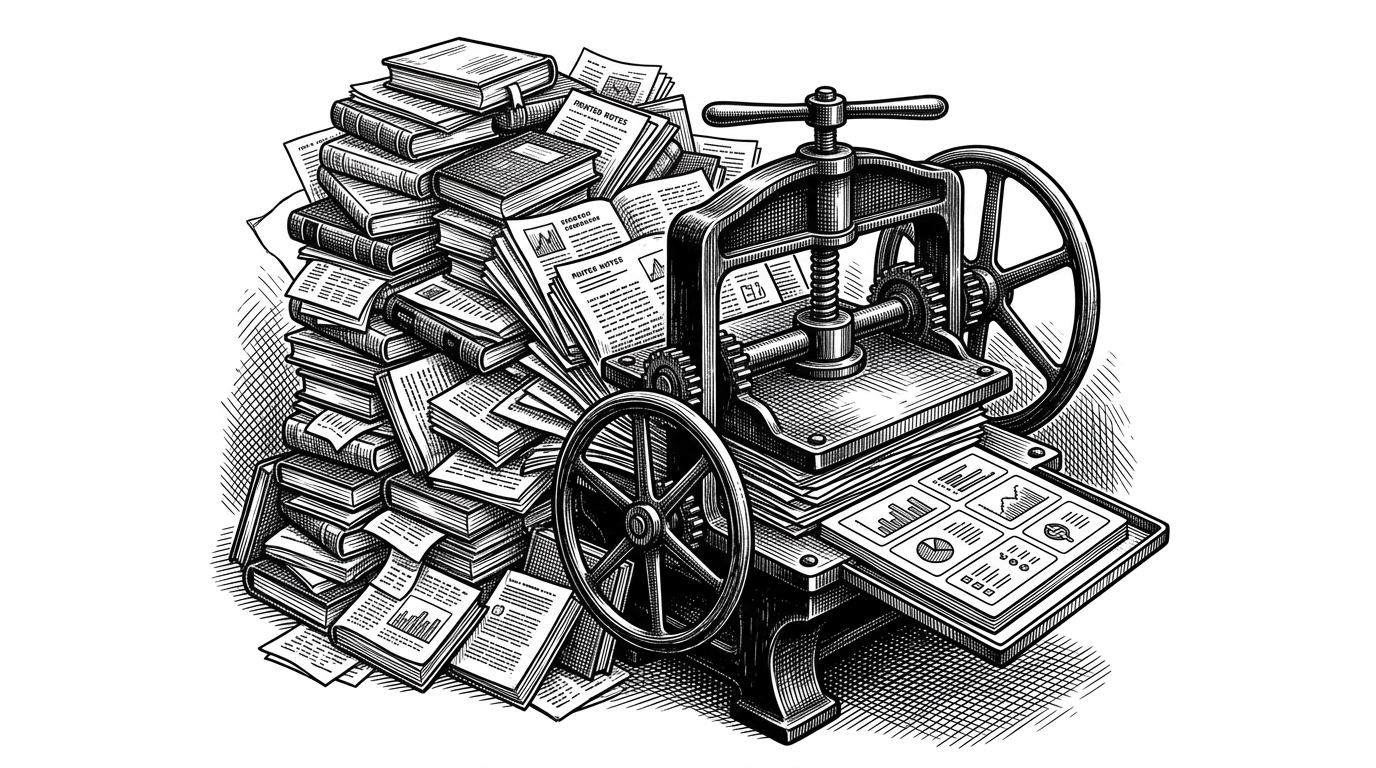

我的 Claude Code 自定义技能集。
- `ljg-skills` is valuable because it productizes cognitive tasks instead of collecting clever prompts.
- The strongest example in the repo forces a model through deconstruction, formalization, and falsification before visualization is allowed.
- Its output matters because it turns analysis into a shareable card, not just another block of text.
- Compared with generic prompt dumps, the repo wins by making the workflow explicit, composable, and opinionated about presentation.
Most AI repos promise better answers. This one tries to change the unit of work. In ljg-skills, a skill is not a one-off prompt. It is a reusable role in a pipeline, from plain-language rewriting to paper digestion to visual synthesis.
From prompt pack to workbench
Li Jigang describes the project with unusual restraint: "我的 Claude Code 自定义技能集。" That understatement is useful. The repository is not trying to win on infrastructure or novelty. It is trying to make a repeatable intellectual procedure portable.
That plain sentence hides a bigger idea. The repo is organized around distinct jobs, not generic intelligence. One skill rewrites language, another extracts the core of papers, another turns knowledge into a visual card, and the whole set can be chained into workflows.
值钱的不是 7 个 skill 本身,而是它把“理解内容 → 重写表达 → 视觉转译”做成了一套可拼装的工作流。
The skill that tells the story best
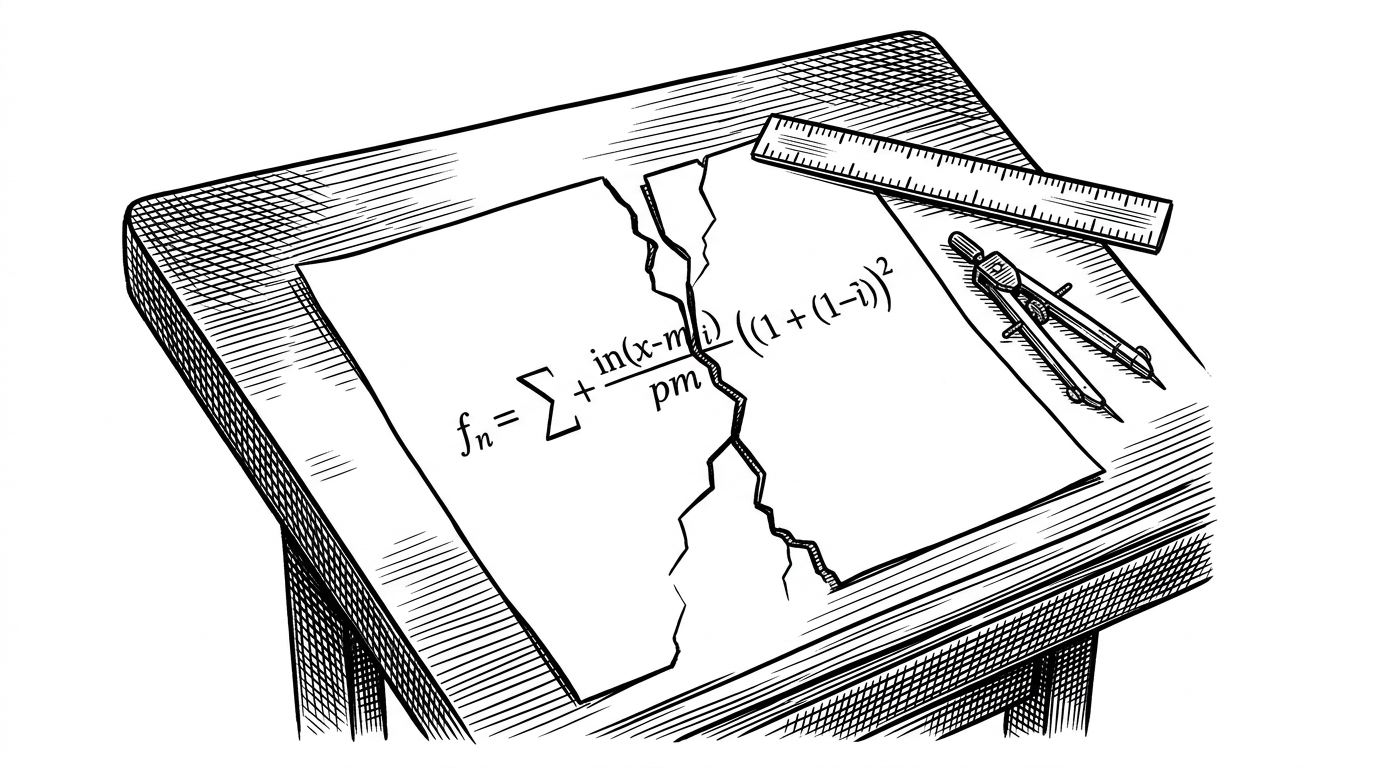
The clearest expression of the repo is the ljg-the-one style loop. It pushes an input through five moves: deconstruction, up-dimensioning, formalization, falsification, and visualization. That is a very specific bet about what good AI work should look like. First, strip away noise. Then name the variables. Then force the model to state where its own logic breaks.
The falsification step is the sharpest part. Instead of letting the model drift into generic advice, the skill demands a boundary condition where the idea fails. That makes the output more honest, and usually more useful. A model that can name its failure mode is doing real work.
The presentation layer is just as opinionated. The HTML template is not a neutral shell. It is a bento grid that expects a theme, a formula, and a structured answer, so the result feels like a product artifact instead of an essay dump. That is where the repo stops being a prompt collection and starts looking like a publishing system.
| Dimension | ljg-skills | Generic prompt pack |
|---|---|---|
| Core unit | A named skill with instructions, assets, and a specific job | A loose pile of prompts |
| Reasoning style | Deconstructs, formalizes, and falsifies before it presents an answer | Depends on the user's prompt quality |
| Output | Cards, formulas, and workflows | Raw text or ad hoc outputs |
| Strength | Composable thinking for repeated use | Fast experimentation |
| Best fit | Repeated cognitive tasks that deserve a contract | One-off prompting and tinkering |
That comparison is the real story. If you only want a clever answer once, a prompt file is enough. If you want a repeatable outcome that other people can trust, you need a skill with guardrails, assets, and a visual grammar. `ljg-skills` is betting on the second world.
Why the output is the point
The repo's other quiet insight is that understanding should end in an object. A formula is easy to compare. A card is easy to scan, forward, and archive. Once knowledge has a stable shape, it becomes easier to reuse across teams and conversations.
That is why the theme map matters. The project does not just summarize meaning. It assigns tone, then translates that tone into a visual identity. The output feels authored because the logic and the presentation are coupled, which is rarer than it should be in AI tooling.
Seen this way, `ljg-skills` is less about prompts than about roles. It gives Claude Code a small workshop of specialized jobs, then insists that each job produce a deliverable with a clear shape. That is a useful model for the next wave of open source AI tools: fewer generic chat shells, more opinionated systems that know exactly when they are done.