lemonclaw_bash: The One-Command Stack That Turns a Linux Box Into a Local AI Agent
A tiny Bash installer quietly does the hard work of wiring up inference, browser control, context management, and model lifecycle cleanup so OpenClaw can behave like a real local operator.
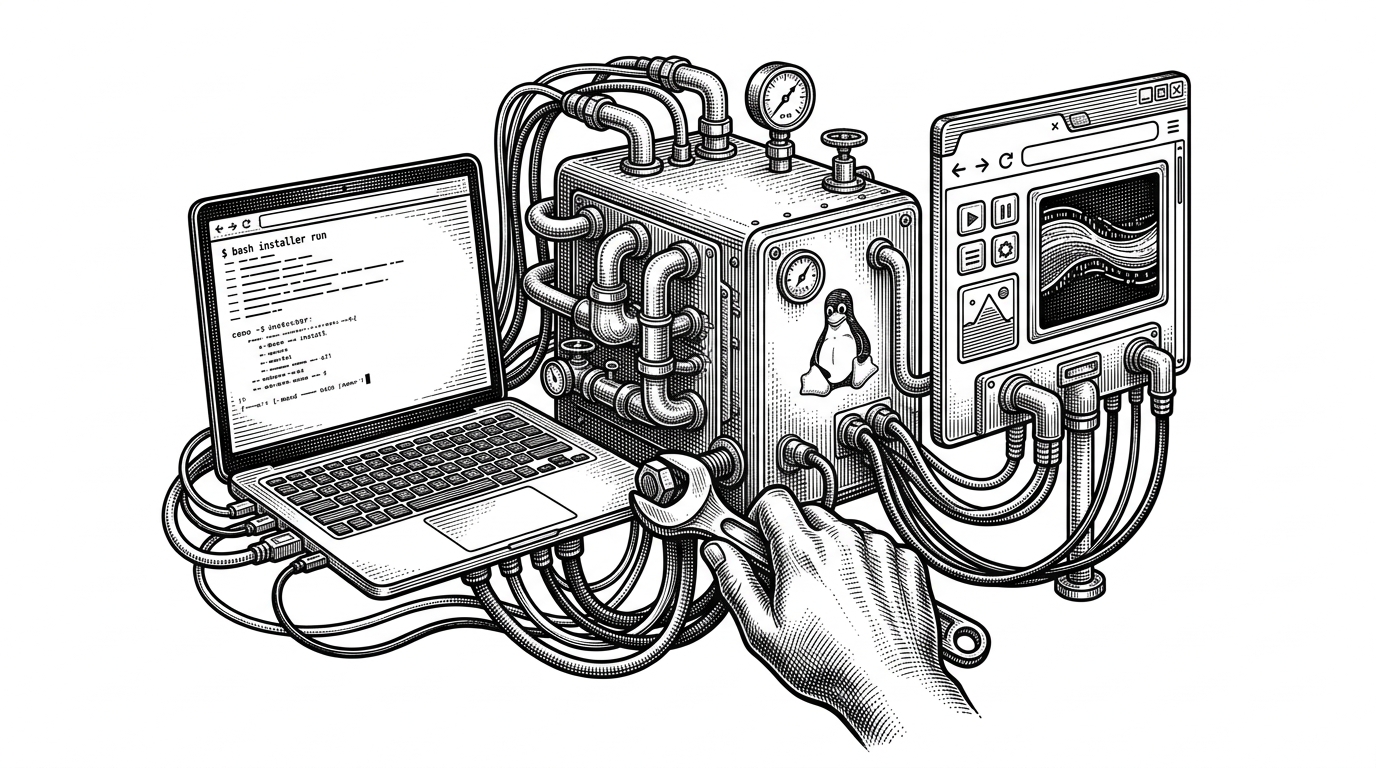
- The repo is best understood as an orchestrator that turns a raw Linux machine into a usable local agent workstation.
- Its real engineering move is not installation, but state management across inference, config, browser access, and model swapping.
- The script earns its keep by making a fragile local stack repeatable, recoverable, and easier to rerun on AMD/Linux hardware.
- Its tradeoff is deliberate: it chooses control and privacy over broad accessibility and cloud convenience.
The real product is the stack
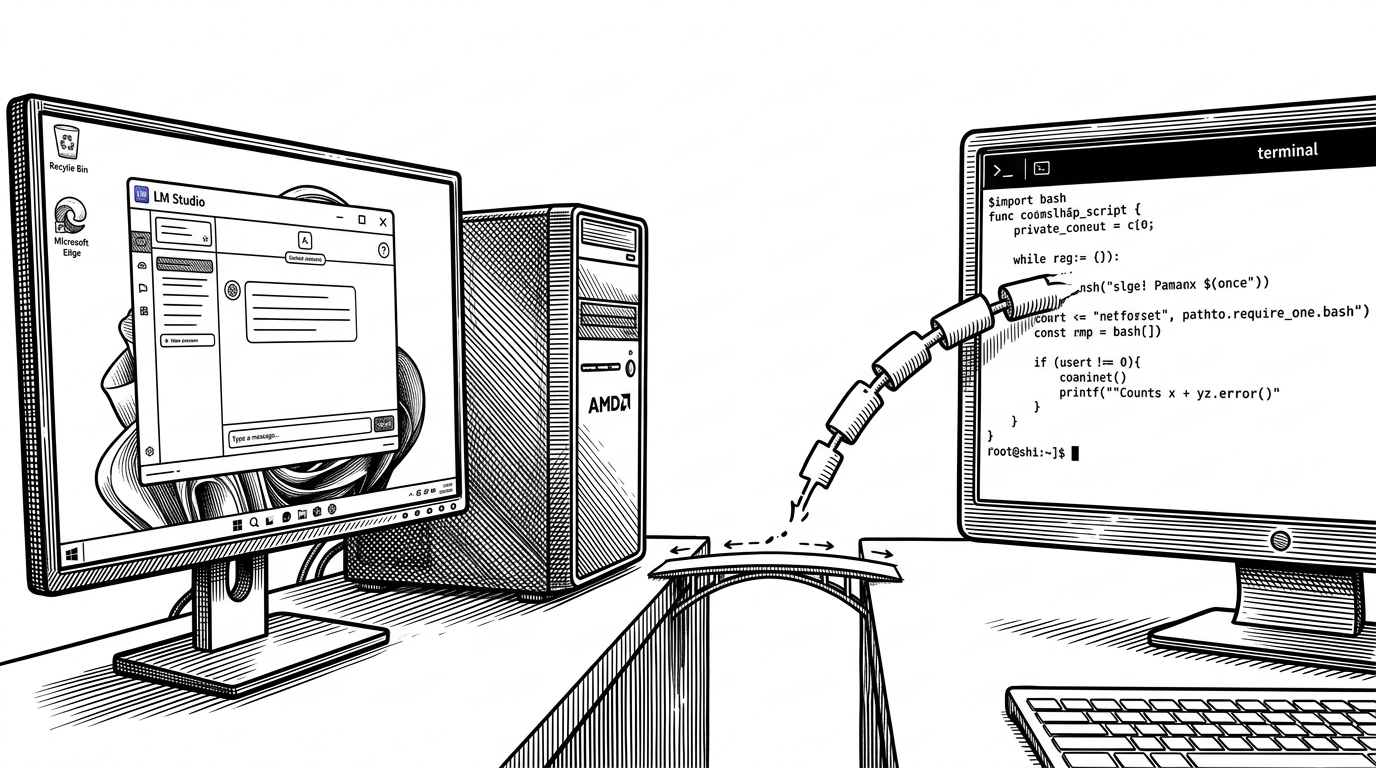
lemonclaw_bash is not a framework and it is not a model. It is a glue layer that turns separate pieces into a working local operator: Lemonade for inference, OpenClaw for agent behavior, Chrome for browsing, and a few careful scripts for keeping the whole thing alive.
That is why the repo matters. Anyone can say “run local AI.” Much fewer projects make local AI behave like an appliance, with startup checks, model swaps, browser wiring, and cleanup steps that survive reruns. This script is trying to make the machine itself the interface.
The platform currently operates as a specialist tool requiring local installation, manual dependency resolution, and iterative configuration.
Why local agents are hard to assemble
Local agents fail in boring ways. One binary is missing, a daemon is not ready yet, a config file points at the wrong endpoint, the browser is not reachable, or the model is too large for the card you actually own. The result is not a clean install problem. It is a chain problem.
| Approach | Privacy | Setup friction | Browser control | Repeatability | Failure recovery |
|---|---|---|---|---|---|
| Cloud-first agents | Low | Low | Built in or abstracted | High | Provider-dependent |
| Manual local assembly | High | High | Possible, but ad hoc | Low | Mostly manual |
| lemonclaw_bash | High | Medium to high | Explicitly wired in | High | Scripted and rerunnable |
That is the repo's sharpest promise. It does not remove complexity. It packages complexity so you only pay for it once.
How one Bash script becomes an orchestrator
The script works like a disciplined bootstrapper, not a throwaway installer. It uses strict shell mode, checks whether pieces already exist before reinstalling them, starts the inference daemon in the background, then waits for the API to answer before moving on. That makes the whole process rerunnable instead of one-shot fragile.
A telling detail is the Python embedded inside Bash. Shell is fine for process control, but it is awkward for nested JSON. So the script uses Python as a surgical tool to patch OpenClaw configuration, set provider details, and enable reasoning and embedding settings without mangling the file. That is pragmatic engineering, not language purity.
# Pattern: verify, start, wait, then configure
if ! have lemonade; then
  install_lemonade_via_ppa
fi

nohup lemond >/tmp/lemonade.log 2>&1 &
disown

for i in {1..10}; do
  curl -fsS http://127.0.0.1:8000/api/v1/models && break
  sleep 2
done

python3 - <<'PY'
import json, pathlib
p = pathlib.Path.home()/'.openclaw'/'openclaw.json'
obj = json.loads(p.read_text())
obj['provider']['base_url'] = 'http://127.0.0.1:8000/v1'
p.write_text(json.dumps(obj, indent=2))
PY
The browser is part of the agent
This is where the repo stops being a local LLM launcher and becomes an operator stack. Chrome is not a side dependency. It is part of the control surface, exposed through the Chrome DevTools Protocol so OpenClaw can act on the web instead of merely talking about it.
OpenClaw 3.24 shipped this week with four headline features: native teams support, first-party Slack integration, a rebuilt sub-agent system, and new APIs for skill developers.
That is a meaningful boundary shift. A chatbot waits for prompts. An operator stack can read, click, navigate, and persist across steps. Browser control is what turns a local model from a text tool into something that can participate in workflows.
The hardware bet
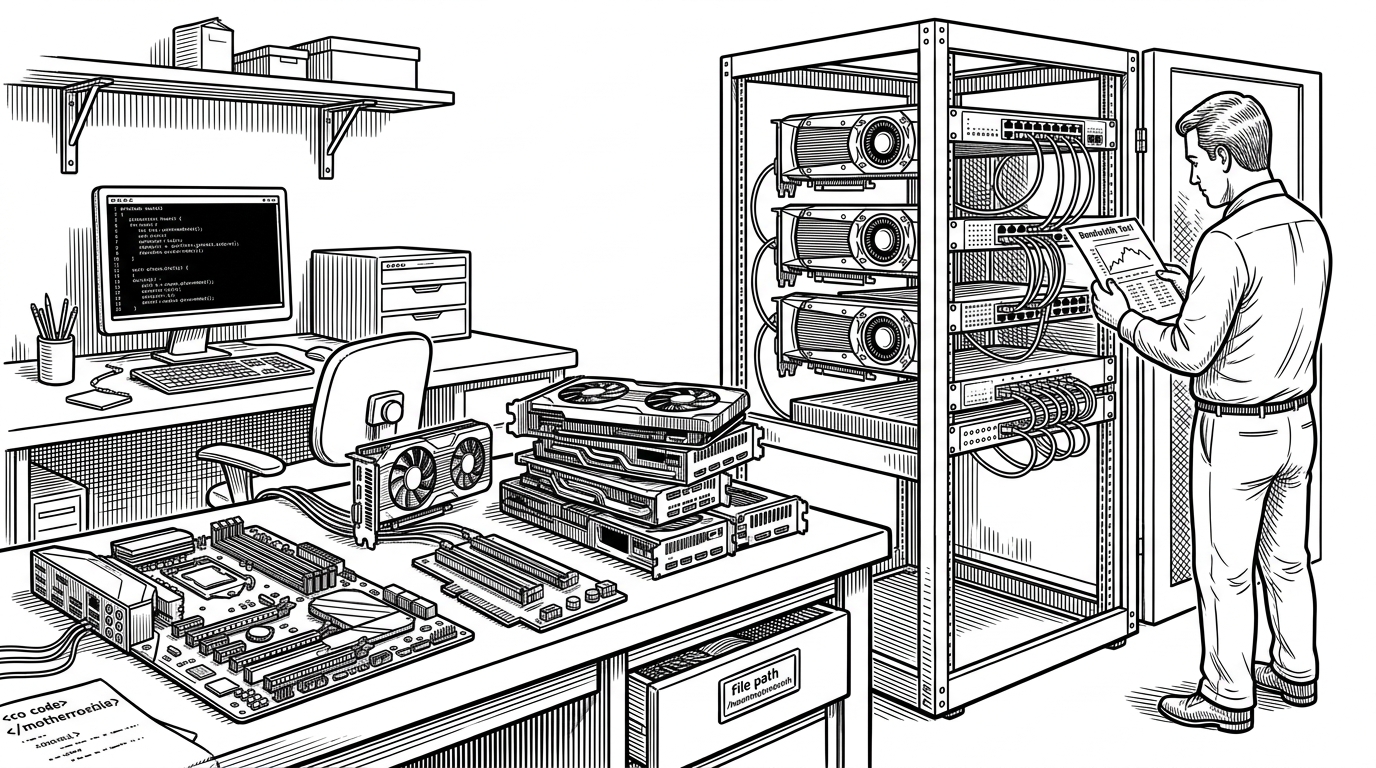
The repo is opinionated about capability. It pushes a heavy model and assumes a machine with enough VRAM to keep the experience useful. That excludes a lot of casual setups, but it also avoids the weak middle ground where the agent exists in theory and fails under load.
| Choice | What you get | What you give up |
|---|---|---|
| Lighter model, simpler setup | More accessibility | Less reasoning headroom and more compromises |
| Heavier model, scripted lifecycle | Better agent behavior and fewer reload surprises | Higher hardware demands |
| Cloud model endpoint | Lower local friction | Privacy, control, and offline resilience |
The context strategy points in the same direction. The stack is trying to preserve enough working memory for agentic tasks, not just demo prompts. That is a clue about the intended user: someone who wants the machine to stay useful across a long task, not just answer a single question.
What it beats, and what it does not
Compared with cloud-first agents, this approach wins on control and privacy. Compared with hand-built local setups, it wins on repeatability. Compared with generic installers, it wins because it treats runtime state as the real problem, not package installation.
| Category | Cloud agents | Manual local setup | lemonclaw_bash |
|---|---|---|---|
| Convenience | Highest | Lowest | Middle |
| Privacy | Lowest | Highest | Highest |
| Rerun safety | Provider-managed | User-managed | Script-managed |
| Browser wiring | Abstracted | Manual | Explicit |
| Hardware burden | Low locally | High locally | High locally |
That tradeoff is the whole story. You do not use this repo because it is easy. You use it because it makes a hard local stack feel coherent enough to trust.
Since January 2026, OpenClaw has attracted significant attention. Its GitHub star count has surpassed Visual Studio Code, and many forks have appeared, including lightweight versions and reimplementations in other languages.
Why this repo matters
The broader lesson is bigger than this one repo. In agent systems, the bottleneck is often not intelligence. It is integration. Small glue code can unlock a whole category of behavior when it turns a pile of compatible parts into something repeatable.
That is the quiet power of lemonclaw_bash. It does not try to be the smartest component in the room. It just makes the other components work together well enough that a local machine starts to feel like a sovereign agent workstation.