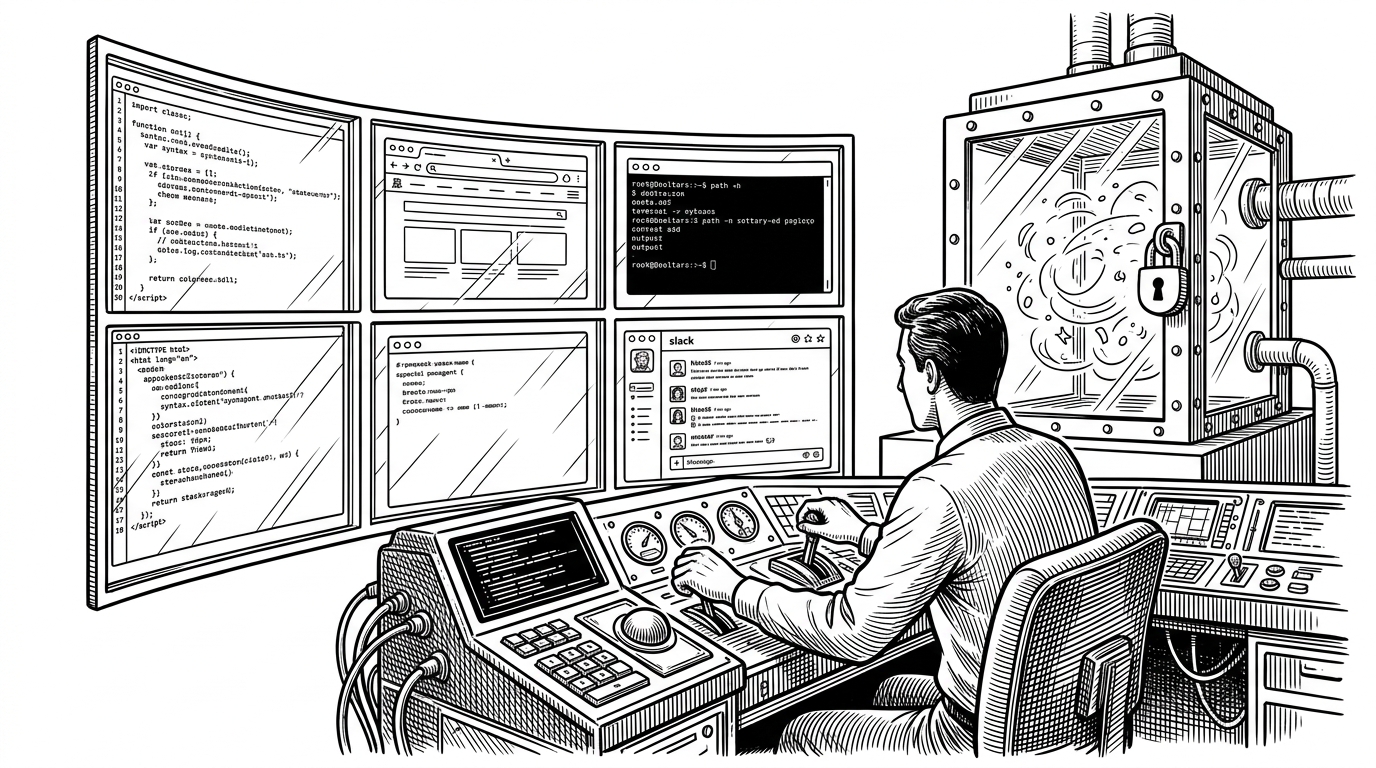
clodex-ide: Clodex IDE: The Zero-Trust Agentic IDE That Treats the Model Like an Untrusted Contractor
A local-first development environment for autonomous coding, where tasks persist, execution is sandboxed, and every action is designed to be audited.

- Clodex treats model output as untrusted input, so the system is built around control points instead of conversational convenience.
- Its real unit of work is a durable task with state, lifecycle, and evidence, not a disposable chat thread.
- The runtime narrows agent power through mediated filesystem access, isolated execution, and policy checks before sensitive actions happen.
- The project reads like a disciplined fork toward governed autonomy, not a cosmetic AI feature layered onto an editor.
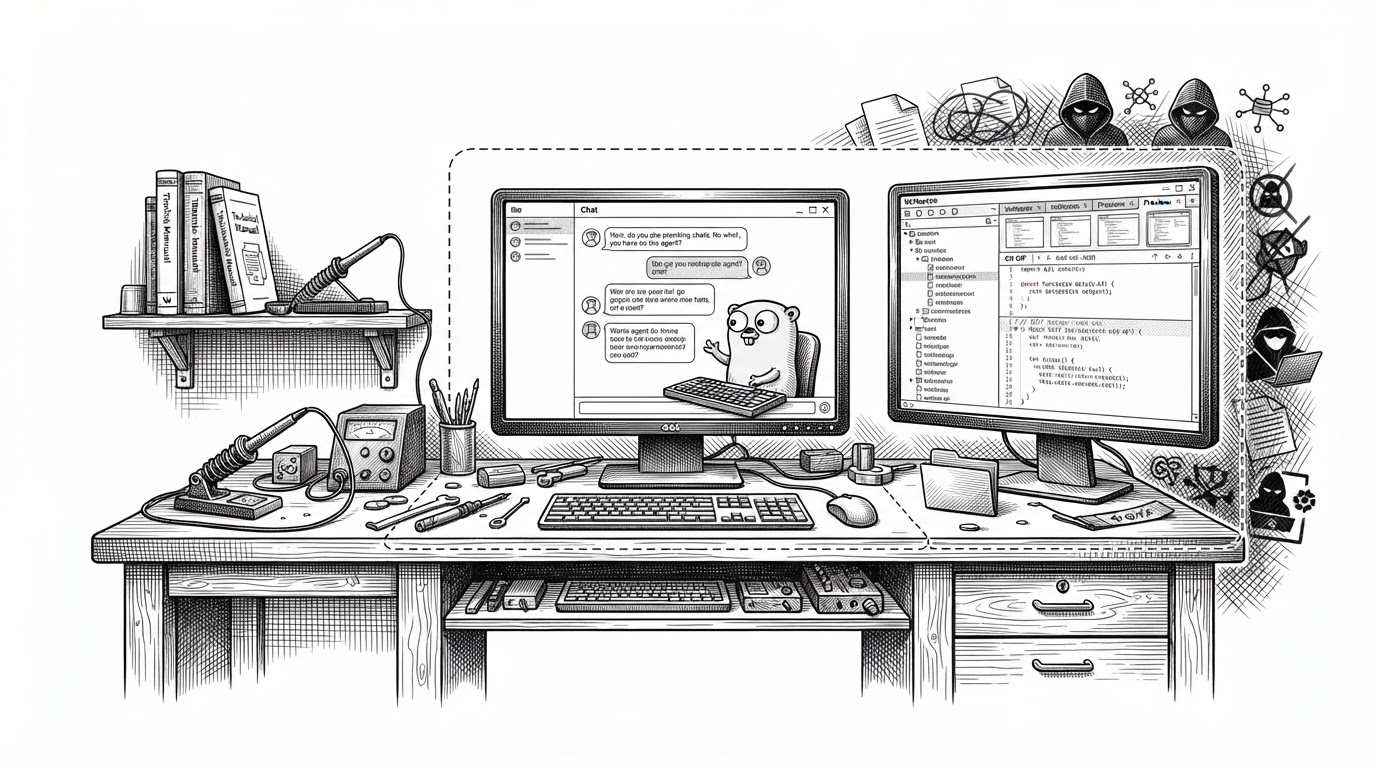
Most AI coding tools start by asking how much they can let the model do. Clodex IDE starts somewhere else: it assumes the model is not trustworthy, then builds the environment around that assumption. That changes the whole product shape. You are not looking at a chat box with a code pane attached. You are looking at a system that tries to make autonomous coding governable.
The core idea: trust nothing, automate everything else
Clodex is built around a blunt principle: model output is untrusted input. That sounds severe until you map it to real engineering practice. If the model can suggest code, open files, or request commands, those actions need a boundary. The boundary is the product.
That shift matters because it changes the unit of work. In a conventional assistant, the interaction is the conversation. In Clodex, the unit is a task with constraints, lifecycle, and a record of what happened. The agent does not get to be the actor of record just because it generated text.

From chat to durable task
This is the most useful mental model in the repo. A prompt is temporary. A task can survive restarts, retain context, and carry accountability forward. That means the agent can pause, resume, and leave a trail instead of evaporating every time the UI changes.

Why this matters in practice
The repo's runtime layer, especially agent/runtime-node, reflects that philosophy in code. Filesystem access is mediated through a provider instead of being handed directly to the model. Search and globbing use fallback logic so the system stays portable, while line-range edits limit the blast radius of a mistake.
That is a subtle but important design choice. The goal is not to make the model cleverer. The goal is to make its mistakes smaller, more visible, and easier to recover from.
Inside the governed runtime
The technical heart of Clodex is not a larger prompt or a smarter chat UI. It is a runtime that mediates access. The NodeFileSystemProvider abstraction, gitignore-aware boundary checks, and fallback search path all point to the same thing: the system wants the agent to operate in a narrow lane, not roam the filesystem like an all-powerful script.
This is also where the product stops feeling like a toy. Precision editing is a serious design choice. If an agent can change only the lines it needs, and those changes are routed through a governed provider, then accidental overwrite becomes less likely and recovery gets easier.
Why sandboxing is not optional
Clodex does not rely on trust in prompt engineering. It separates the main application from untrusted agent-generated work and uses metadata-driven capabilities to define what a plugin can do. That makes sandboxing structural, not ceremonial.
This matters because the unsafe part of agentic software is rarely the idea. It is the execution path. If a script can reach the filesystem, the terminal, or an external service without mediation, then the whole trust model collapses back into wishful thinking.
The evidence layer
The project leans hard into evidence promotion, attestation, and auditability. That is not a branding flourish. It is a signal that successful work is not enough. The system also wants a durable record of what happened, what changed, and how the result can be traced later.
That evidence-first posture is easy to underestimate. For solo experimentation, logs are nice to have. For autonomous development, they become the difference between a useful system and a black box you cannot safely rely on.
| Dimension | Clodex IDE | Typical AI coding assistant |
|---|---|---|
| Trust model | Model output is treated as untrusted input | Model output is often treated as broadly usable guidance |
| Execution style | Task-driven, governed, and isolated | Conversation-driven or suggestion-driven |
| Task persistence | Durable tasks survive interruptions and resume state | Interactions are usually ephemeral |
| Isolation | Sandboxed execution with mediated access | Often tied more closely to the host editor or shell |
| Auditability | Evidence and traceability are first-class | Logs and traces are usually secondary |
| Mental model | A controlled development environment | A helpful assistant inside an existing workflow |
How Clodex differs from other AI coding tools
The comparison is not really about UI. Copilot-style tools are suggestion engines. Terminal agents are powerful but more command-centric and often more ephemeral. Traditional IDE add-ons attach AI to an editor you already trust. Clodex is trying to do something more ambitious: define the execution environment itself as governed territory.
That combination is the differentiator. Local-first execution matters. Persistence matters. Sandbox boundaries matter. But the distinct move is how those pieces are assembled into a zero-trust operating model for software work.
| Tool type | Strength | Weak spot | Where Clodex goes further |
|---|---|---|---|
| Copilot-style assistant | Fast suggestions inside a familiar editor | The model stays advisory | Turns the agent into a governed worker |
| Terminal agent | Direct control over commands and scripts | State is often transient | Adds persistence, policy, and auditability |
| Traditional AI IDE add-on | Low friction adoption | AI remains bolted onto a preexisting workflow | Reframes the runtime around trust boundaries |
| Clodex IDE | Autonomy with constraints | More ceremony than lightweight assistants | Makes governance the default shape of the system |
The strangler pattern tells you where this is headed
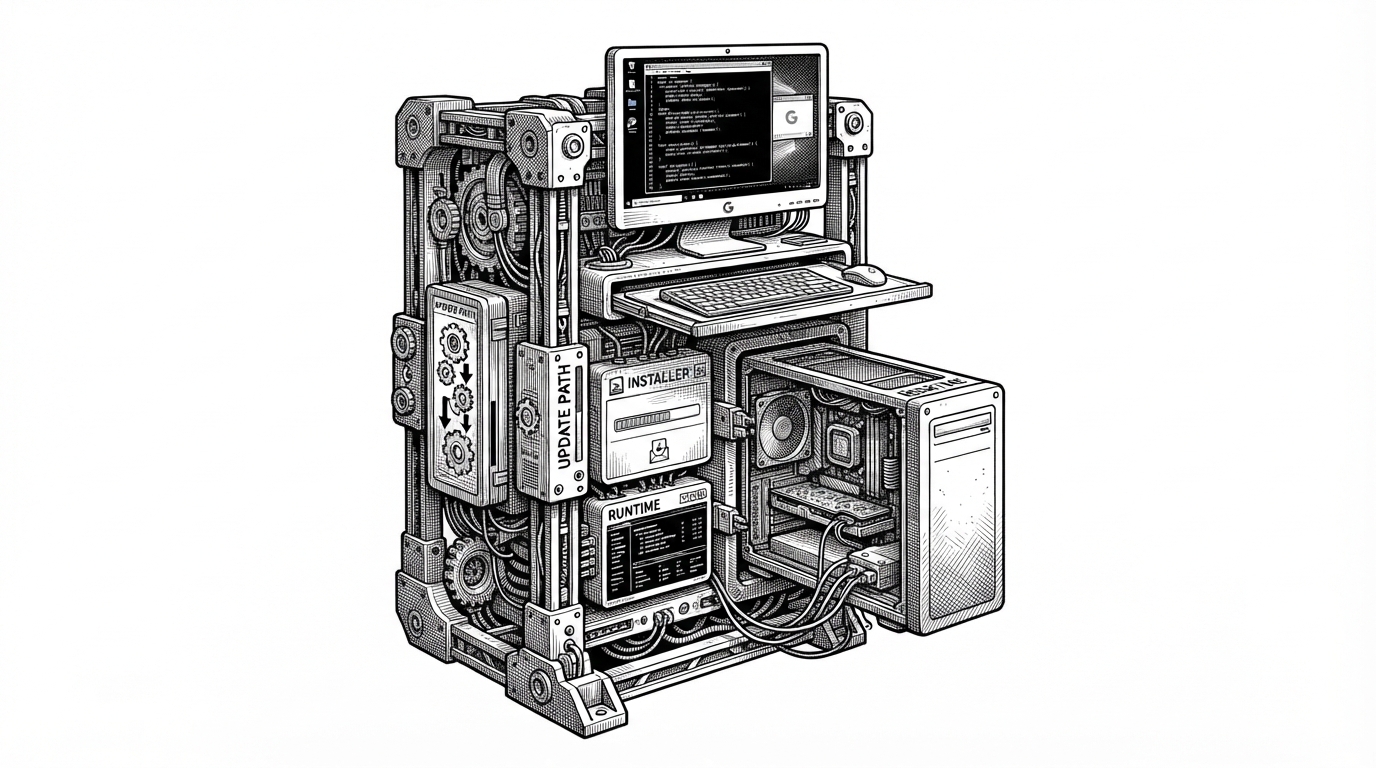
Clodex is also interesting as a fork. The repo’s migration plan shows discipline, not novelty chasing. It is being carved away from an upstream base with a strangler pattern, which is a very specific kind of engineering statement: replace pieces deliberately, keep the system running, and do not confuse urgency with architecture.
That makes the project feel mature in a non-obvious way. The maintainers are not just building a demo. They are building an independent kernel for governed agent work, one boundary at a time.