grok-pentest: When a Pen Test Becomes a Reasoning Loop
An AI-driven security framework that reads responses, chooses the next test, and turns reconnaissance into a conversational workflow.
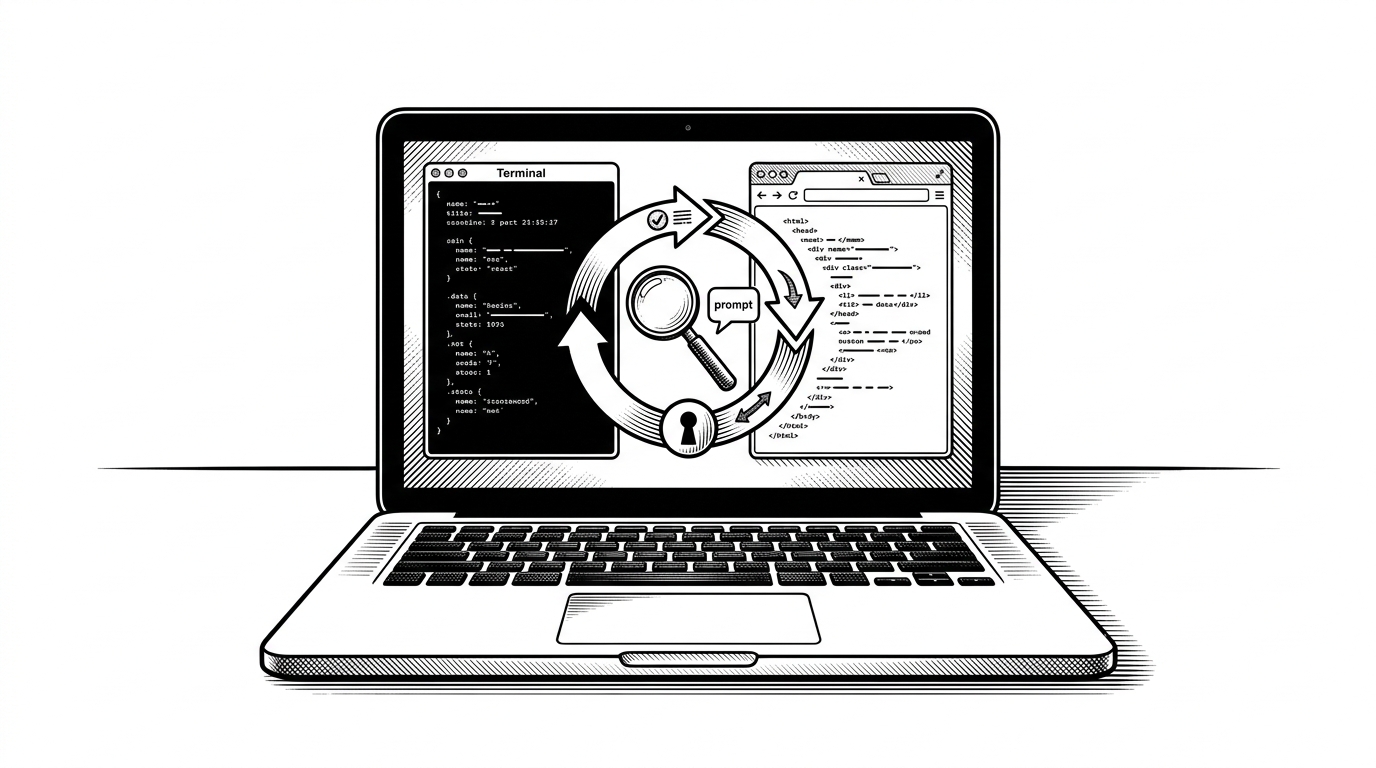
- grok-pentest matters because it turns reconnaissance into a feedback loop, where the model interprets a response before choosing the next probe.
- The repo’s novelty is not payload generation alone, but the way context changes what counts as a useful next action.
- Its safety gates help, but the project still sits in the uncomfortable middle ground between demo, assistant, and operator.
- Compared with classic scanners, it is less deterministic and less mature, but it points toward a new category of AI-assisted offensive workflows.
Most scanners ask a simple question: what is exposed? grok-pentest asks a better one: what should I test next? That shift sounds small until you trace the workflow. The model reads a response, infers meaning from the clues, and then decides whether to probe a directory, a parameter, or a hidden path.
The scanner that asks what to do next
That is why this repo feels different from a wordlist tool with a chat wrapper. It is built around a loop of interpretation, not a one-shot enumeration pass. The interesting part is not that Grok can write attack payloads. It is that the model sits in the middle of the workflow and changes what the tool pays attention to.
In plain terms, the system treats a web page as evidence. A status code, a hidden form field, or a stray debug leak becomes input to a reasoning step. From there, the tool chooses a next probe and repeats.
What this repo is really demonstrating
Introducing Grok Pentest: an open-source tool for automated penetration testing, powered by Grok-1.
That framing matters because the project is best read as a proof of concept, not a finished offensive platform. The repository shows how a reasoning model can sit inside recon and active probing, but it does not pretend to solve the hard parts of real-world pentesting: scope control, false positives, target diversity, and operator judgment.
The codebase supports that reading. The core Python package is split into a client layer for LLM calls, an orchestrator for reconnaissance and probing, and a CLI for user interaction. A small Flask demo app gives the tool a safe local target, which is useful because the repo is trying to demonstrate behavior, not just syntax.
The loop: from page to judgment to next probe
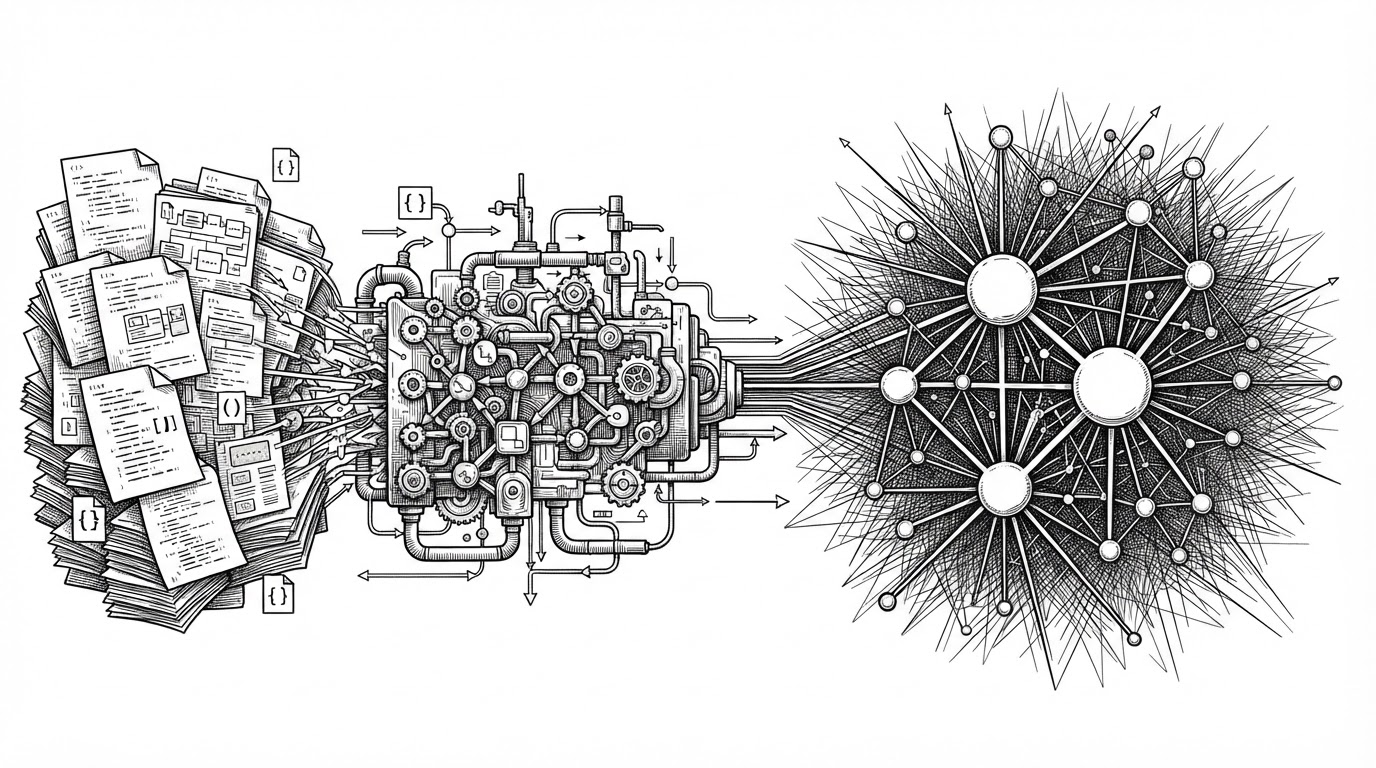
The architecture is simple enough to summarize, but the flow is where the project becomes interesting. A target URL is fetched, the response is parsed, structured fields are extracted, and the LLM is asked to interpret what matters. The result is not just a report. It is a decision about what to try next.
The implementation reinforces that pattern. The orchestrator can do classic checks, but it also asks the model for specific high-value follow-ups based on what came back. That is the crucial shift. The tool does not just ask, “What endpoints exist?” It asks, “What does this response imply?”
# Simplified flow from the repo's orchestration logic
response = fetch(target_url)
recon = extract_headers_forms_and_markup(response)
analysis = grok.analyze(recon)

if analysis.suggests_hidden_area:
    probes = analysis.next_probes
else:
    probes = wordlist_checks + analysis.generated_tests

for probe in probes:
    result = send_request(probe)
    feedback = grok.interpret(result)
    update_strategy(feedback)
Why the model matters more than the payloads
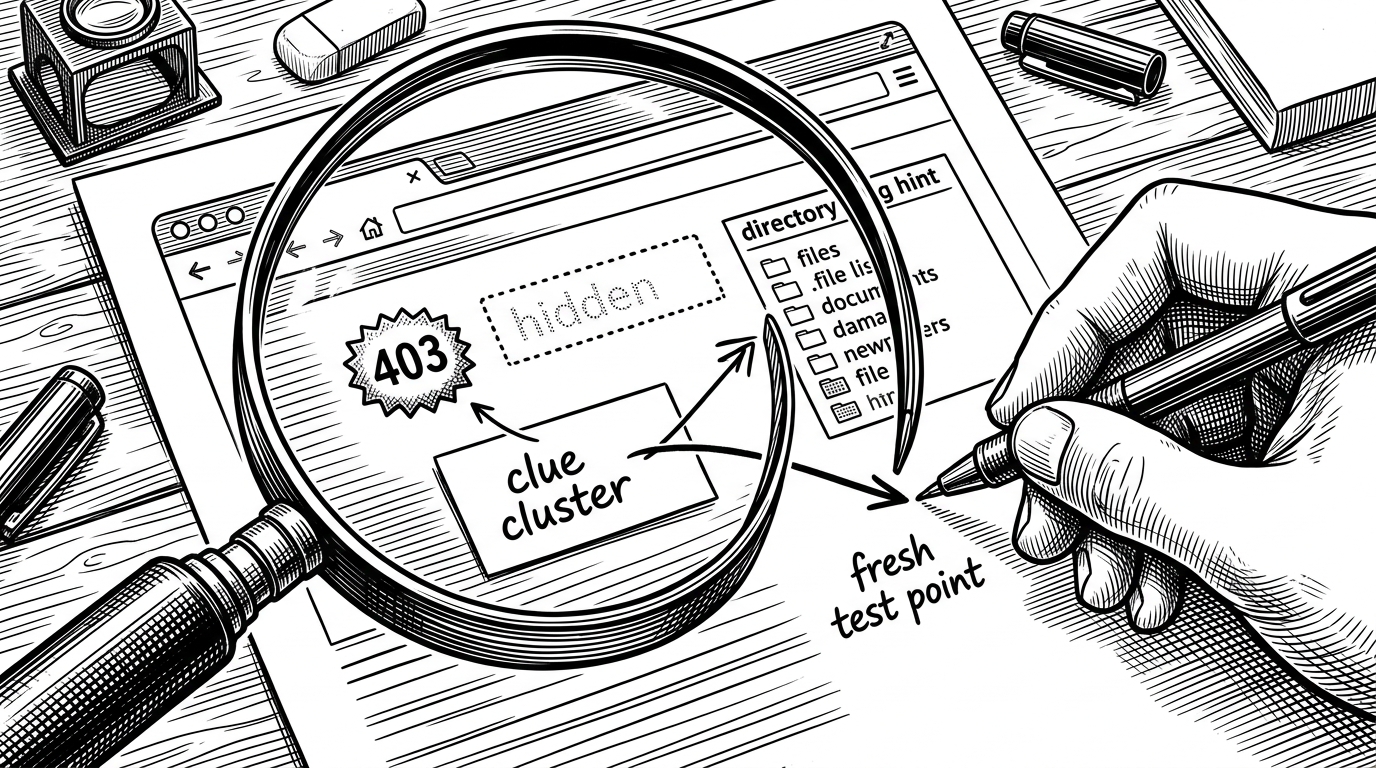
Classic scanners are good at repeating known checks. They are fast, narrow, and predictable. grok-pentest adds a different layer: it uses context to decide whether a signal is noise, a hint, or a lead worth escalating.
That changes the economics of follow-up. A 403 response is not just logged. It can become a clue that a protected area exists. A hidden form field is not just DOM trivia. It can become a basis for a targeted test. The model is doing something closer to operator judgment than pattern matching.
The repository also leans on structured output. The client layer pushes the model toward JSON-like responses and falls back to parsing code blocks when needed. That is a small detail with a big implication. It is trying to make reasoning machine-readable so the orchestration layer can act on it.
The built-in tension: autonomy versus authorization
Grok Pentest can automatically scan a website for vulnerabilities and generate exploits.
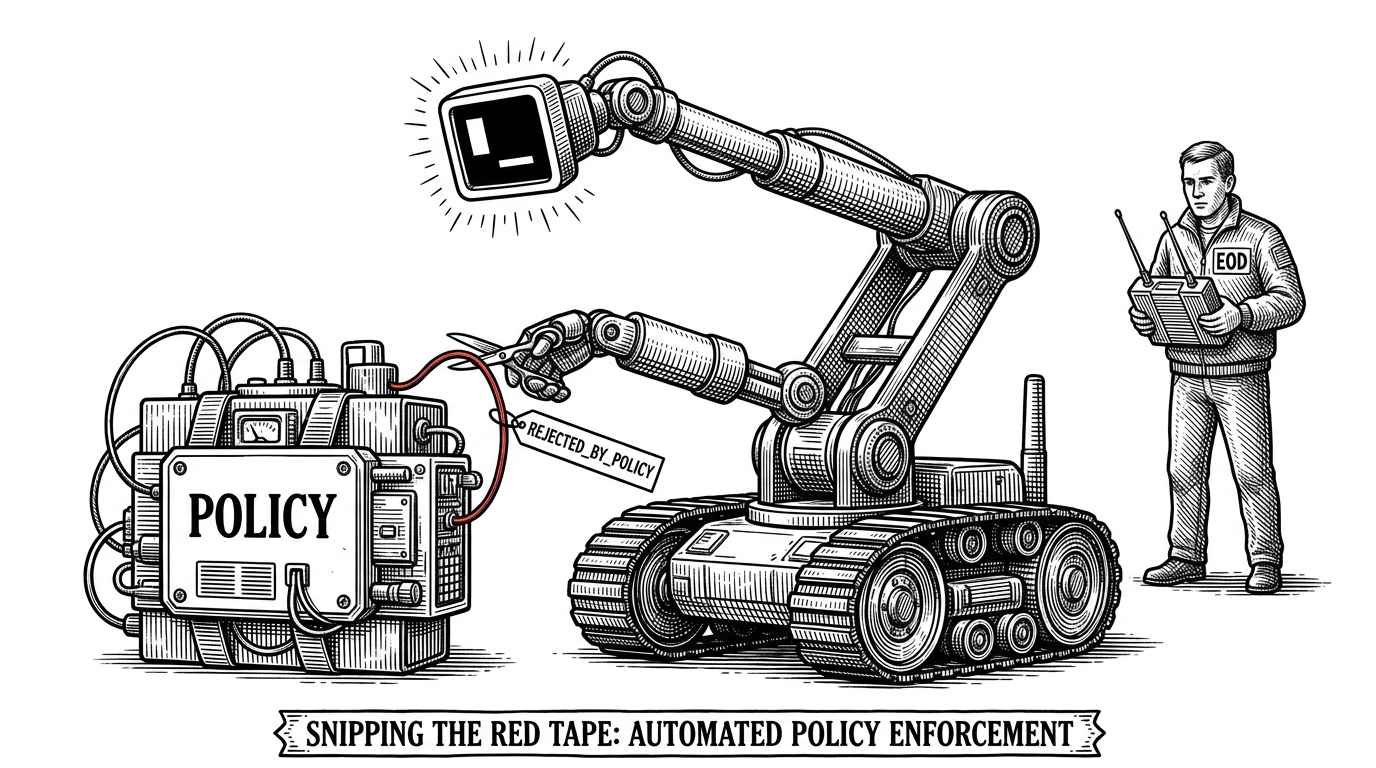
The repo does not ignore the dual-use problem. The CLI includes a confirmation step for legal authorization, and the demo app gives the system a controlled target with intentionally weak defenses. That is responsible, but it does not erase the bigger tension. A tool designed to find weaknesses can also lower the barrier to abuse.
That tension is exactly why the project is worth examining. It shows how quickly AI security tooling moves from assistance to agency. Once the model is allowed to choose the next probe, you are no longer just automating commands. You are delegating judgment.
How it stacks up against older and newer tools
| Tool type | Core method | Strength | Weakness | Best use case |
|---|---|---|---|---|
| Classic scanners like Nikto or Gobuster | Hardcoded checks and wordlists | Fast, deterministic, easy to trust | Misses context and subtle clues | Baseline recon and enumeration |
| AI orchestration projects like PentestGPT | Multi-step reasoning with a model in the loop | More adaptive and better at planning | Heavier workflow, more abstraction | Structured pentest assistance |
| grok-pentest | LLM-guided recon and next-probe selection | Turns weak signals into follow-up decisions | Experimental, narrow, and alpha-level | Demonstrating AI-assisted offensive workflow |
| Commercial AI security platforms | Integrated product layers around scanning and triage | Operational polish and team features | Opaque models and vendor dependence | Teams that want managed security workflows |
The cleanest way to position grok-pentest is this: it is less mature than PentestGPT, less deterministic than Gobuster, and more conceptually provocative than either. It shows what happens when you move the model from the assistant seat to the operator seat.
That makes it interesting even if you would never use it as your primary security tool. It is a sketch of a category, not the category itself.
What this repo predicts about AI red-teaming
The bigger story is not whether this specific project becomes a production platform. It is that security workflows are becoming model-mediated. The next generation of tools will not just summarize findings. They will decide how to spend the next request, the next test, and the next minute.
That raises a practical question and an ethical one. Practically, who verifies the model’s reasoning? Ethically, who is allowed to delegate that much autonomy? grok-pentest does not answer those questions. It makes them harder to ignore.