o-be-one/kubernetes-at-home: The Homelab That Rebuilds Cloud Infrastructure on Bare Metal
A GitOps-driven Kubernetes stack where Talos, Cilium, ArgoCD, and SOPS replace the usual cloud services, and a folder change can become a live deployment.

This repository contains the configuration to manage my home infrastructure, based on Kubernetes and GitOps.
- This repo turns a home cluster into a cloud-like operating model by making Git structure drive runtime behavior.
- Its real innovation is the control loop, where ArgoCD, ApplicationSets, and KSOPS turn repository changes into live workloads without exposing secrets in plaintext.
- Cilium replaces the usual home-lab sprawl of ingress, load balancers, and networking glue with a cleaner exposure model.
- The result is not just a cheaper cloud substitute, but a more sovereign one that keeps modern workflows while removing managed-cloud dependence.
A cloud stack with no cloud
o-be-one/kubernetes-at-home is not interesting because it runs Kubernetes at home. It is interesting because it makes a home cluster behave like a private cloud: declarative, self-updating, secrets-aware, and wired for production habits instead of hobbyist improvisation.
That shift matters. The repo does not just host apps. It defines an operating model where the filesystem, encryption layer, and network edge are all part of the same control plane.
The repo is the control plane
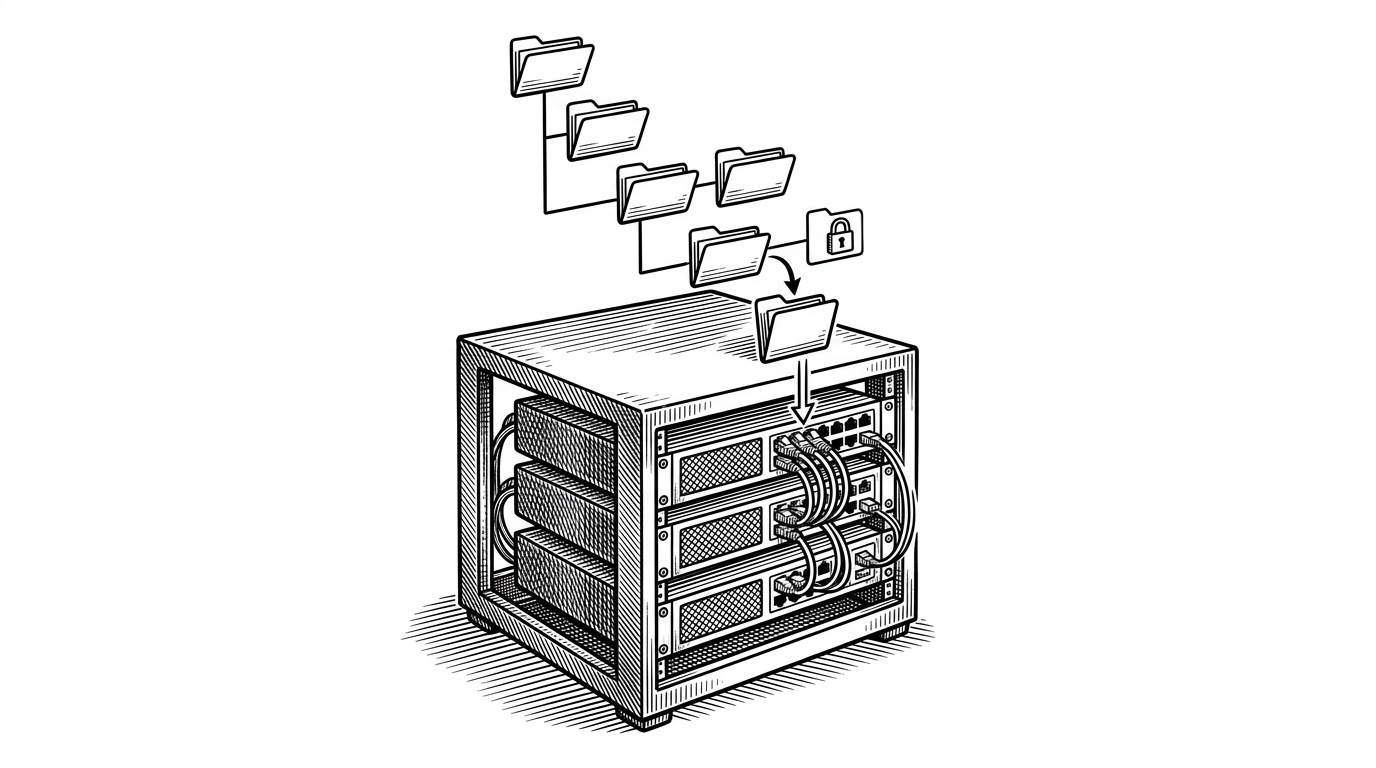
The repository is organized like a system, not a scrapbook. infra handles bootstrapping and low-level plumbing, core carries shared services, operators packages stateful lifecycle tools, and apps holds workloads that can be discovered and reconciled automatically.
That structure is the trick. ApplicationSets discover folders under apps/, normalize names, and materialize ArgoCD Applications without manual glue. In practice, the repository shape becomes an API.
| Traditional homelab | This repo |
|---|---|
| Manual Helm installs and ad hoc manifests | Git directories become deployable units through ApplicationSets |
| Secrets often handled in plaintext or spread across tools | Secrets stay encrypted in Git and are decrypted during manifest generation |
| Operators and workloads managed separately by hand | Shared services, operators, and apps follow one consistent layout |
| Networking stitched together with extra components | Networking is treated as part of the platform design |
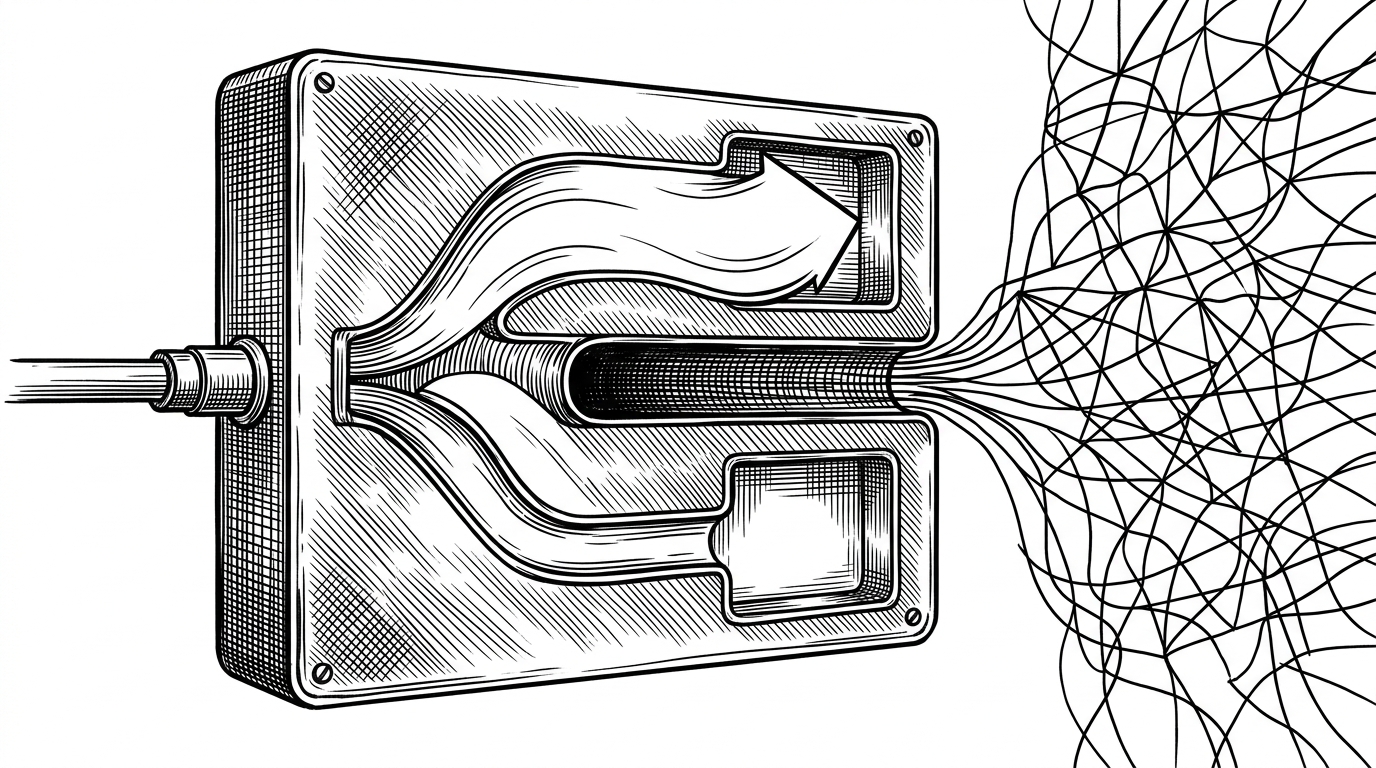
Why Cilium changes the game for home networking
Most homelabs solve exposure with a stack of compromises: ingress controller, MetalLB, DNS glue, maybe a tunnel for the parts that fail the first time. This repo compresses that into a more modern model built around Cilium, Gateway API, and L2 announcements.
The effect is simple to state and hard to overvalue. Services can appear on the LAN with a load balancer IP, be routed through a shared gateway, or stay private without introducing a separate networking tangle for each case.
| Exposure model | Typical home-lab pattern | This repo |
|---|---|---|
| LAN access | MetalLB plus ingress plus manual IP juggling | Cilium load balancer IP pool with L2 announcement |
| Public access | Separate reverse proxy or tunnel stack | Gateway API and cloud-style routing as part of the platform |
| Internal-only services | Ad hoc network policies | Private paths as first-class design choices |
| Operational overhead | More components, more edge cases | Fewer moving parts at the network boundary |
Secrets stay encrypted until the last possible moment
The secret-management story is where the repo gets especially clean. SOPS keeps secret material encrypted in Git, and KSOPS lets ArgoCD decrypt it only during manifest generation, inside the repo-server flow.
That means the repository remains auditable without turning plaintext secrets into an accident waiting to happen. The Git history stays safe, but the cluster still receives fully rendered configuration when it needs it.
apiVersion: viaduct.ai/v1
kind: ksops
metadata:
  name: repo-server-secrets
spec:
  secretFrom:
    - path: secrets.enc.yaml
  age:
    secretRef:
      name: sops-age-key
The elegant part is not encryption by itself. It is where decryption happens. The secret is never treated like ordinary source code, yet it still participates in the same declarative flow as everything else.
Stateful workloads are treated like real production
This repo does not stop at stateless apps. It uses CloudNativePG for PostgreSQL and offsite Barman backups to Backblaze B2, which tells you everything about the maintainer's priorities: recoverability first, convenience second.
That stance matters because state is where many homelabs get casual. Here, the database is not an afterthought. It is an operator-managed system with a backup path that assumes failure is normal.
| Stateful workload mindset | Common homelab | This repo |
|---|---|---|
| Database lifecycle | Manual or lightly scripted | Operator-managed through CloudNativePG |
| Backup posture | Local snapshots or none | Offsite Barman backups to B2 |
| Recovery planning | Hope the disk survives | Designed for restore and continuity |
| Operational seriousness | Mixed with hobby patterns | Handled like production state |
The hidden thesis: sovereignty beats convenience
The comparison with a standard home-lab setup is not subtle. A conventional cluster often optimizes for getting something online quickly, then accumulates exceptions forever. This repo optimizes for a stable control loop that can keep growing without turning into a pile of one-off scripts.
It also compares well with managed cloud defaults. Cloud platforms make load balancing, storage, DNS, and secret handling easy by centralizing the complexity elsewhere. This repository rebuilds those primitives locally with open-source parts, which is more work upfront but far more portable over time.
| Dimension | Managed cloud default | o-be-one/kubernetes-at-home |
|---|---|---|
| Load balancing | Provider-managed | Cilium-based local exposure and Gateway API |
| Storage | Managed block or file services | Local and NAS-backed primitives |
| Secrets | Cloud-integrated secret services | Encrypted Git with SOPS and KSOPS |
| Control | Convenience with vendor dependence | Sovereignty with open-source composition |
That is why the repo lands as more than a homelab reference. It is a blueprint for infrastructure that keeps modern workflows, but refuses the assumption that convenience has to come from a cloud contract.