openai/chatkit-python: The SDK That Streams UI, Not Just Tokens
Inside the widget diff engine, typed protocol, and persistence layer that turn a Python backend into a living chat interface.
- ChatKit-python is interesting because it streams interface deltas, not just assistant text.
- Its strict protocol and widget diffing turn chat state into a contract instead of a blob of JSON.
- The store layer keeps persistence separate from agent logic, which makes the SDK feel like infrastructure rather than a demo wrapper.
- It sits between hosted builders and custom stacks, giving teams control without forcing them to invent the plumbing themselves.
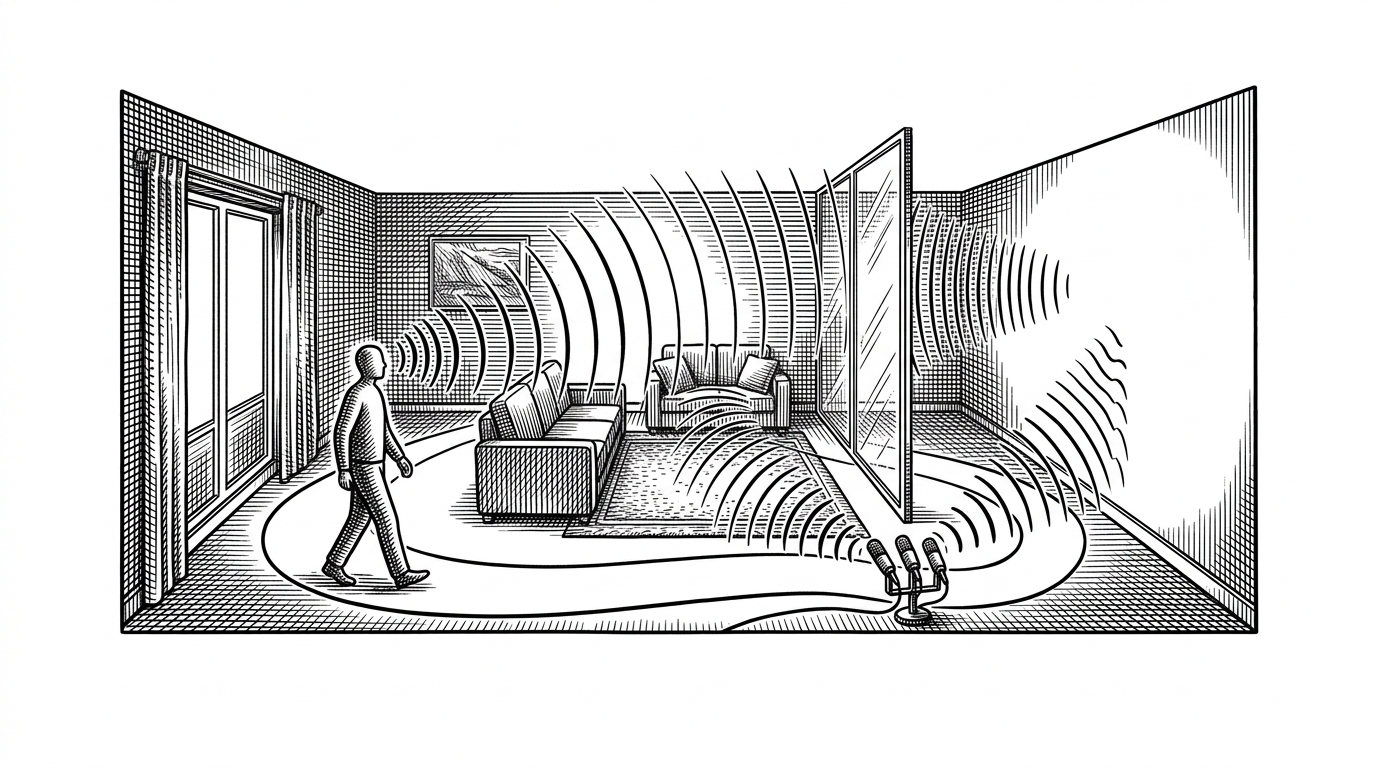
Most AI chat stacks stop at tokens. openai/chatkit-python pushes one level deeper and treats the interface itself as something that can stream, mutate, and persist while the agent is still working. That shift sounds small until you realize it changes the whole backend contract.
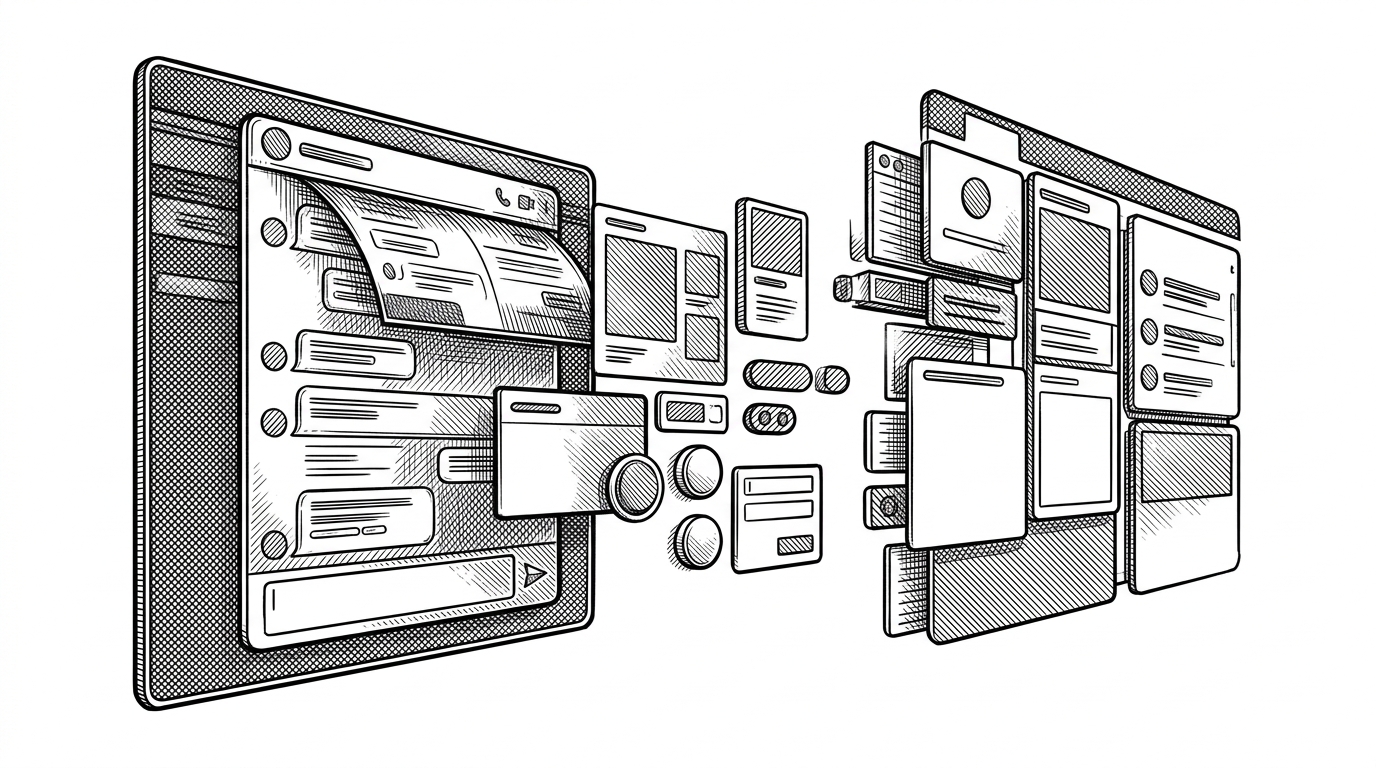
Most AI chat stacks stream text. ChatKit streams interface changes.
The basic promise is easy to miss if you only skim the README. A Python backend can emit a reply, but it can also update widgets, change labels, insert controls, and preserve thread state as a live structure. In other words, the unit of change is not a string. It is a UI tree.
They're the core of your custom chat experience. Think of them as pre-built UI building blocks you can arrange on your backend with Python to create rich, interactive conversations. Instead of your agent just sending back a wall of text, it can show forms, charts, and buttons.
The repo's real invention is the widget diff loop
The interesting machinery lives in the widget system and the server layer. The repository models UI through classes like WidgetRoot and WidgetComponentBase, then uses server-side diffing to compare an earlier widget tree with a later one. If only text changes, the protocol emits a narrow delta. If the layout changes, it emits a structural update.
That is why this repo feels closer to a reconciliation engine than a traditional chat SDK. It is trying to ship the smallest useful patch over the wire, which matters when a chat experience is not just text but a living arrangement of stateful controls. The win is not only efficiency. It is coherence.
Why the protocol is so strict
The strictness comes from the fact that the backend, the UI, and the thread model all have to agree on what happened. In types.py, the protocol is modeled with typed events and Pydantic structures, so the system can distinguish a user message, an assistant delta, an attachment, or a widget update without guessing. That kind of discipline is what keeps a streaming UI from turning into a bag of loosely typed events.
If you've built an agent with Microsoft Agent Framework, you know it takes less than ten lines to get a working prototype. What takes longer is wrapping that agent in a production quality chat interface, one with real time streaming, interactive widgets, file uploads and a polished feel. That's exactly the gap OpenAI ChatKit fills.
Persistence is not an afterthought
The storage layer is one of the clearest signs that this is meant to be real infrastructure. store.py separates thread loading, message persistence, and attachment handling behind abstract interfaces, so agent logic does not need to know whether data lives in Postgres, object storage, or something else entirely. The prefixed ID pattern also keeps objects readable and stable across backends.
That separation matters because conversational products fail in predictable ways when state is fuzzy. If the thread, the attachments, and the widget tree are not first-class objects, a restart becomes a rupture. ChatKit is trying to make reruns boring.
Where ChatKit sits in the market
The most useful comparison is not between ChatKit and another chat widget library. It is between three ways of building the same product. One path streams plain text and leaves the rest to you. One path hands more of the stack to a hosted builder. ChatKit-python sits in the middle, where teams want more control than a no-code layer but less reinvention than a fully custom protocol.
| Approach | What you stream | Who owns UI state | Backend control | Operational burden | Best fit |
|---|---|---|---|---|---|
| Plain text LLM streaming | Tokens only | Your app | High, but all manual | High | Simple chat prototypes |
| Hosted agent builder | Managed agent events and UI primitives | The platform | Lower | Low | Teams that want speed over control |
| chatkit-python | Text, widgets, attachments, and deltas | Your backend, through a strict protocol | High | Moderate | Production chat apps with custom behavior |
That middle position is the point. ChatKit-python is not trying to win by being the simplest thing possible. It is trying to make the hard parts of interactive chat, diffing, state, persistence, and protocol shape, feel boring enough to build on.
The real bet is generative UI as backend work
The broader bet here is that conversational products are becoming structured applications, not just text surfaces. Once agents can update widgets, preserve thread state, and emit precise deltas, the backend stops being a dumb relay for model output. It becomes the coordinator of a living interface.
That is the most useful way to read this repository. It is not just a convenience wrapper around OpenAI's agent stack. It is a proposal for how to build durable chat products when the response is no longer a paragraph, but a changing interface.