openai/circuit_sparsity: The Sparse Transformer That Comes with a Debugger
A hermetic GPT, hook-first inference, and a Streamlit visualizer turn mechanistic interpretability into something you can inspect, patch, and compare.
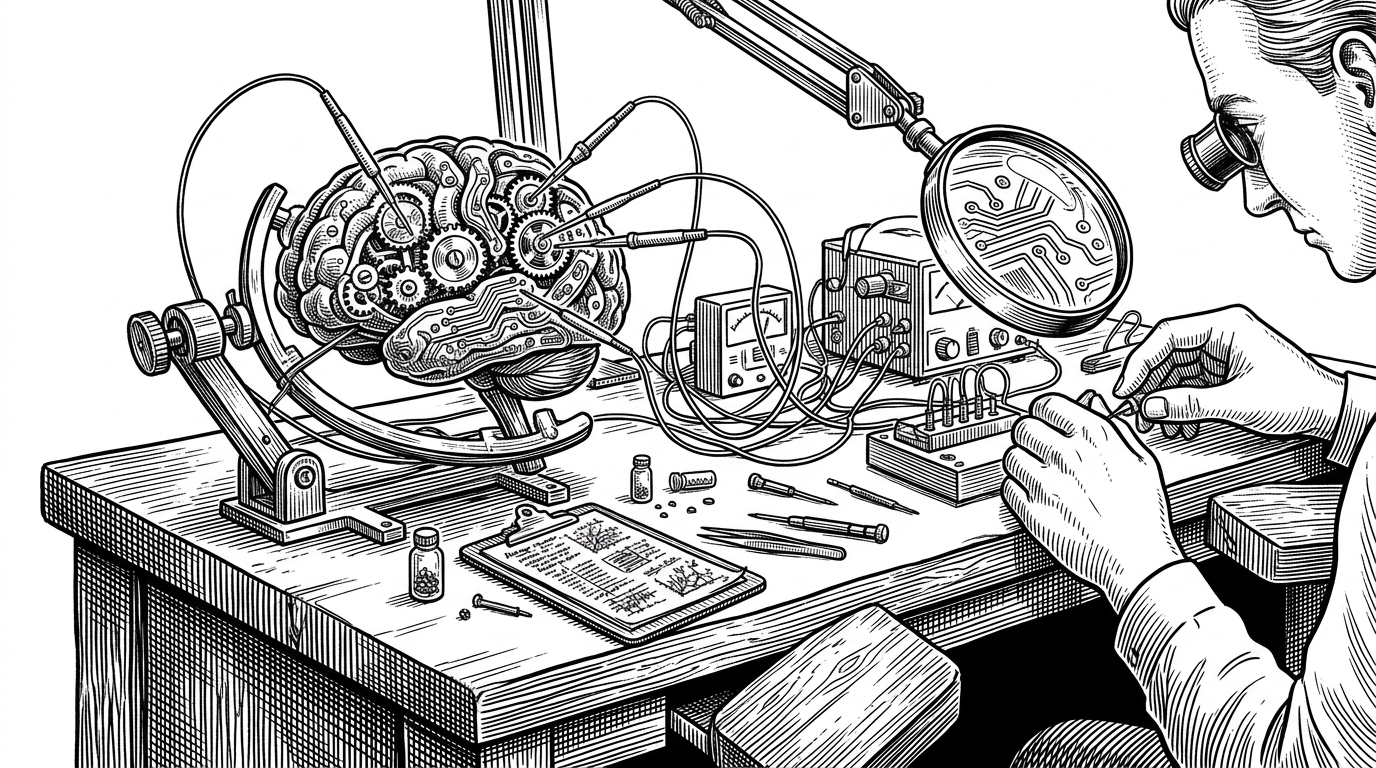
- circuit_sparsity treats a sparse transformer as an instrumented system, not just a compressed checkpoint.
- Its hook-first runtime lets you record, intervene on, and recompute activations without breaking the interpretability trace.
- Top-K pruning gives the model its sparsity, but the visualizer turns those zeroed weights into something you can actually inspect.
- The repo matters because it narrows the gap between mechanistic interpretability as research and mechanistic interpretability as workflow.
The surprise is not the sparsity
Most sparse-model repos stop at compression. openai/circuit_sparsity goes further. It wraps a GPT-style model in hooks, records activations as the forward pass runs, and feeds the result into a Streamlit visualizer. The point is not just fewer nonzero weights. It is a model you can poke while it is thinking.
Hooks make the model legible
The core abstraction is a HookContext. During a forward pass, tensors can be saved, modified, or replayed, and recomputation keeps that context intact. That is a small design choice with a large consequence: interpretability lives inside the model path, not in a separate notebook after the fact.
Circuit sparsity is the idea that a model’s behavior on a specific task can often be explained and reproduced by a much smaller subnetwork.
Top-K sparsity is the supporting mechanism
Sparsity is enforced by selecting the largest weights by magnitude and zeroing the rest. In other words, the model does not learn to be vaguely sparse later. It is pushed toward a specific, inspectable circuit shape as part of training.
scores = weights.abs()
keep = scores.flatten().topk(k).indices
mask = torch.zeros_like(weights).flatten()
mask[keep] = 1
weights.mul_(mask.view_as(weights))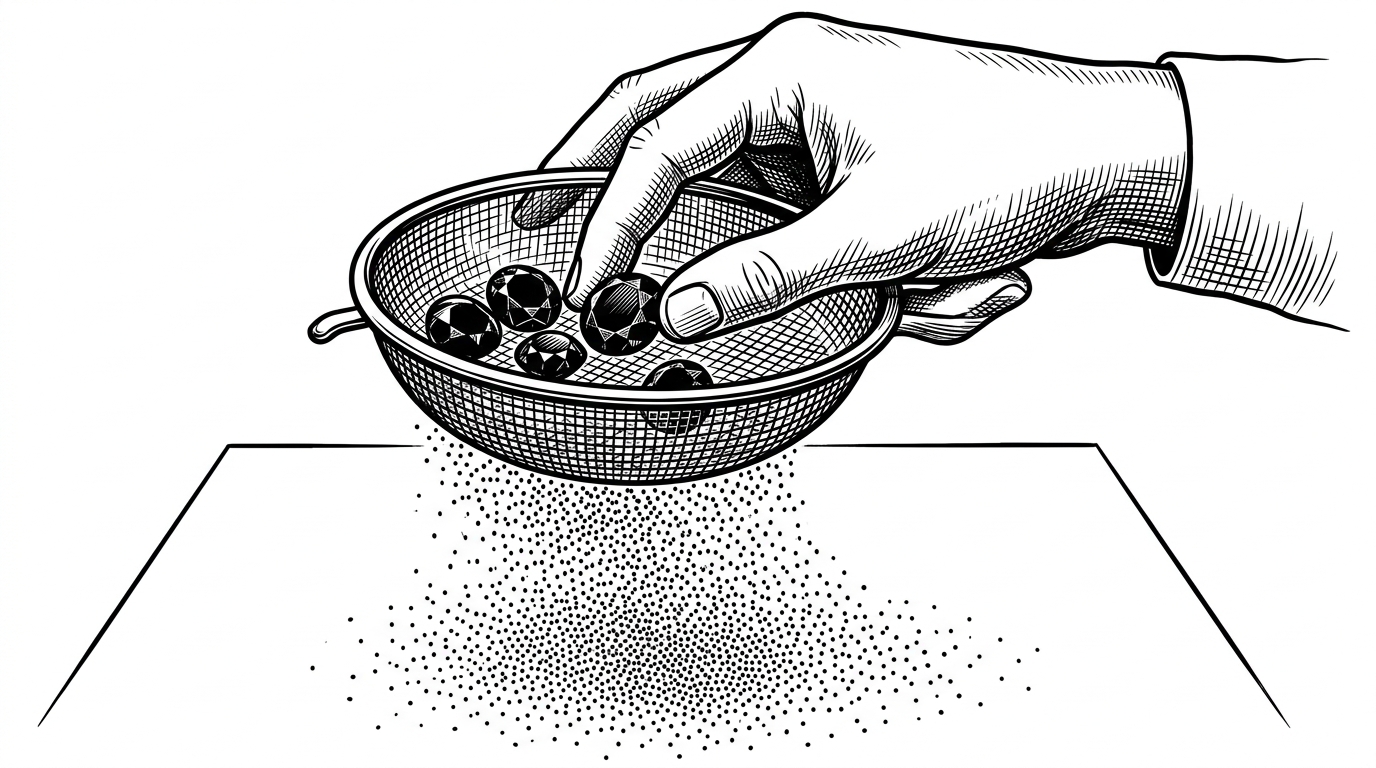
That is why the repo can talk about circuits instead of only pruning rates. Once the model has fewer active paths, the hook system can isolate which ones matter for a task like bracket counting or a token-level contrast loss.
The visualizer closes the loop
The Streamlit app is the difference between a paper concept and a working research tool. It renders activations, ablations, and token heatmaps in the browser, which means the model can be explored without rebuilding the experiment every time you ask a new question.
| Approach | What changes | What you can inspect | Trade-off |
|---|---|---|---|
| Dense transformer | Nothing is removed | Activations, but the circuit stays entangled | Hard to isolate behavior |
| Post-training pruning | Weights are deleted after training | Fewer parameters and some speedups | Not built for interpretability |
| circuit_sparsity | Top-K sparsity plus hook-first inference | Interventions, recordings, and ablation traces | Research-first rather than a drop-in serving stack |
Dense models, post-hoc pruning, and generic observability tools each solve part of the problem. circuit_sparsity combines them into one workflow where sparsity, instrumentation, and visual inspection are designed together. That is why the repo feels less like a checkpoint drop and more like a debugger for a transformer.