shobhit99/notes: The Smallest Possible Knowledge System
A plain Git repo can do something most note apps cannot: make your thinking portable, inspectable, and recoverable.
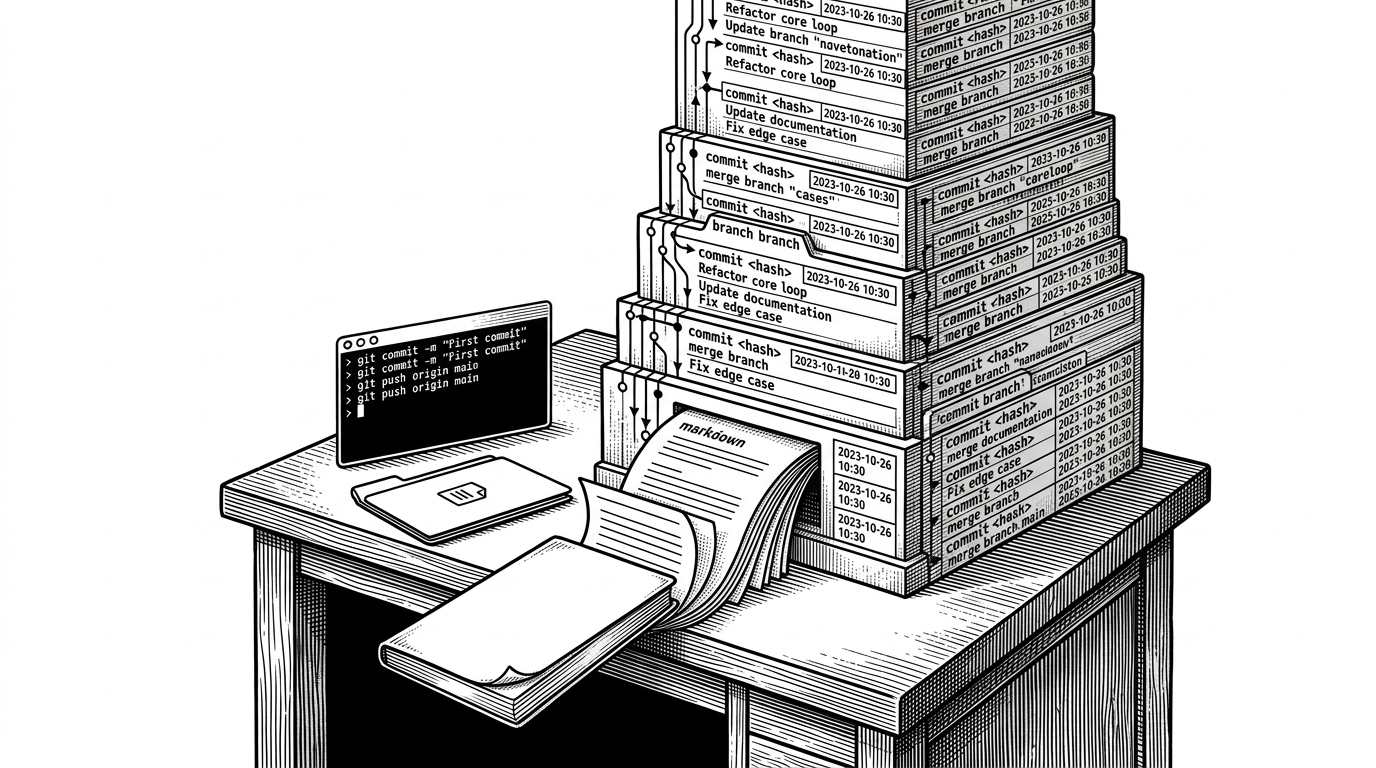
- shobhit99/notes treats notes as files first and software second, which makes the repository itself the product.
- Git is the hidden feature, because it turns every note into a recoverable history instead of a fragile snapshot.
- The repo's minimal surface is a strategy, not a gap, because minimalism buys portability and exit freedom.
- This pattern works when the user values ownership and long-term trust more than a polished interface.
Why a Notes Repo Is More Interesting Than It Looks
At first glance, shobhit99/notes looks almost too small to matter. That is the point. A notes repo like this is a bet that the most important part of a knowledge system is not the interface, it is the file format, the history, and the freedom to leave without losing your work.
Most note apps package those choices behind polish. This repo strips the stack down to plain text and Git, which makes every note portable, inspectable, and recoverable. It is a boring tool in the best possible sense.
What This Repo Is Really For
The public surface of a notes repo is usually spare, and that sparseness matters. It says the author is optimizing for ownership, low ceremony, and time travel, not for a dashboard full of features. If a note is just a file, you can edit it anywhere, commit it often, and back it up with the rest of your work.
That changes the product from a place to store thoughts into a small architecture for thought. The files are the content, but the repository is the system that keeps the content alive.
The Real Architecture Is a Workflow
The workflow is simple: write locally, save as plain text, commit through Git, and retrieve the same note from any machine that can clone the repository. Git supplies the feature most note apps imply but cannot fully deliver: a durable memory of how the note changed, not just what it looks like right now.
This is the hidden power of a notes repo. A note can be rewritten, split, or even abandoned without erasing the evidence of the earlier idea. In a system like this, history is not metadata. It is part of the object.
Why This Beats a Polished Note App for Some People
This is where the philosophy becomes visible. The question is not which tool has the nicest interface. The question is who owns the note when the app changes, the account lapses, or the workflow needs automation.
| System | Ownership | History | Best fit |
|---|---|---|---|
| Git-backed notes repo | Plain files in Git | Complete commit trail | People who value portability and control |
| Obsidian vault | Local Markdown files | Optional history via Git or plugins | Local-first note takers |
| Notion workspace | Hosted workspace data | Built-in version history | Teams that want structured collaboration |
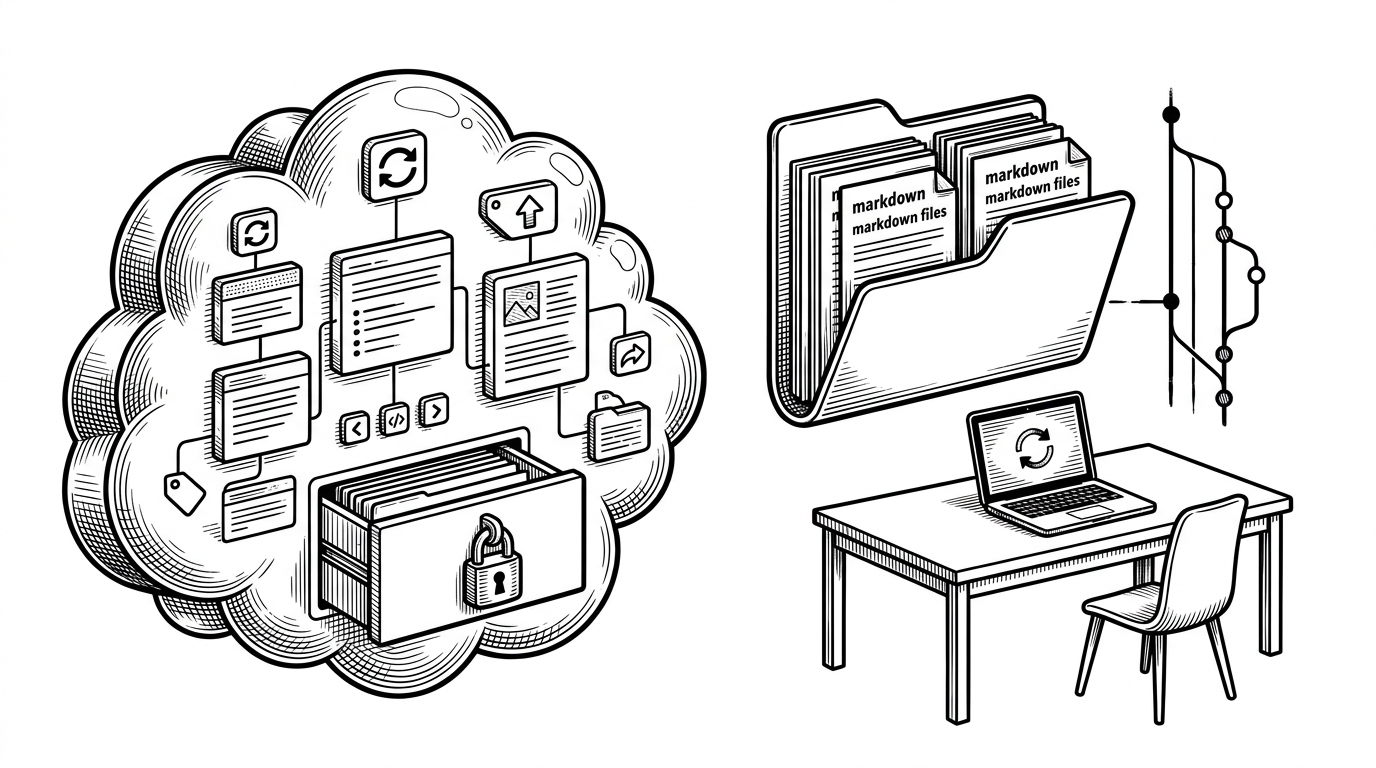
The table does not crown a winner. It makes the trade-offs legible. Notion is stronger when structure and collaboration matter most. Obsidian is stronger when local-first capture matters most. A plain notes repo wins when the priority is durable ownership and the freedom to script around the files.
The Trade-Offs Are the Point
This kind of repo asks for discipline. Search is only as good as your naming. Organization is only as good as your habits. Collaboration is possible, but it is not effortless. Those costs are not accidental, they are the rent you pay for owning the system.
That is why the minimal surface is persuasive rather than disappointing. The project does not pretend to solve every note-taking problem. It solves a narrower, harder one: how to keep thoughts durable without handing them over to a platform.
Why This Pattern Keeps Showing Up
Developers keep rediscovering the same lesson because it is true in more than one domain. Plain text plus Git is a remarkably strong baseline when the real goal is long-term trust. A notes repo is small, but it exposes a large product truth: the best systems disappear into the workflow and leave the data behind as files, not as a hostage.