The 224-Pixel Sledgehammer: Inside shrijacked/dl
How a medical imaging pipeline upscales tiny 28x28 CT scans to hijack massive Vision Transformers, achieving 99.69% accuracy on transient GPU clouds.

I built dl because I wanted something faster than wget for large files, but I always found aria2's flag syntax too complex for a quick download.
- The pipeline abandons custom micro-CNNs in favor of artificially upscaling 28x28 images by 64x to utilize pre-trained Swin-Tiny Vision Transformers.
- A hyper-paranoid diagnostic suite tracks specific difficult class pairs and uses adversarial testing to prove the model understands anatomy rather than memorizing noise.
- The infrastructure relies on guerrilla tactics, using ngrok and rclone to rapidly siphon data into ephemeral, decentralized Akash network GPUs.
- The author's philosophy of building fast, zero-config tools bridges the gap between this obscure medical AI pipeline and their popular concurrent Go downloader.
The Context Window of Anatomy
The OrganAMNIST challenge presents a fundamental problem for modern computer vision. Researchers are tasked with classifying 11 different abdominal organs from grayscale CT scans. The catch is the resolution. The images are a microscopic 28x28 pixels. At this scale, modern architectures starve, but custom micro-CNNs quickly hit an accuracy ceiling. The standard approach is to build a highly specialized, tiny model. The shrijacked/dl repository takes the opposite approach.
Feeding the Swin Sledgehammer
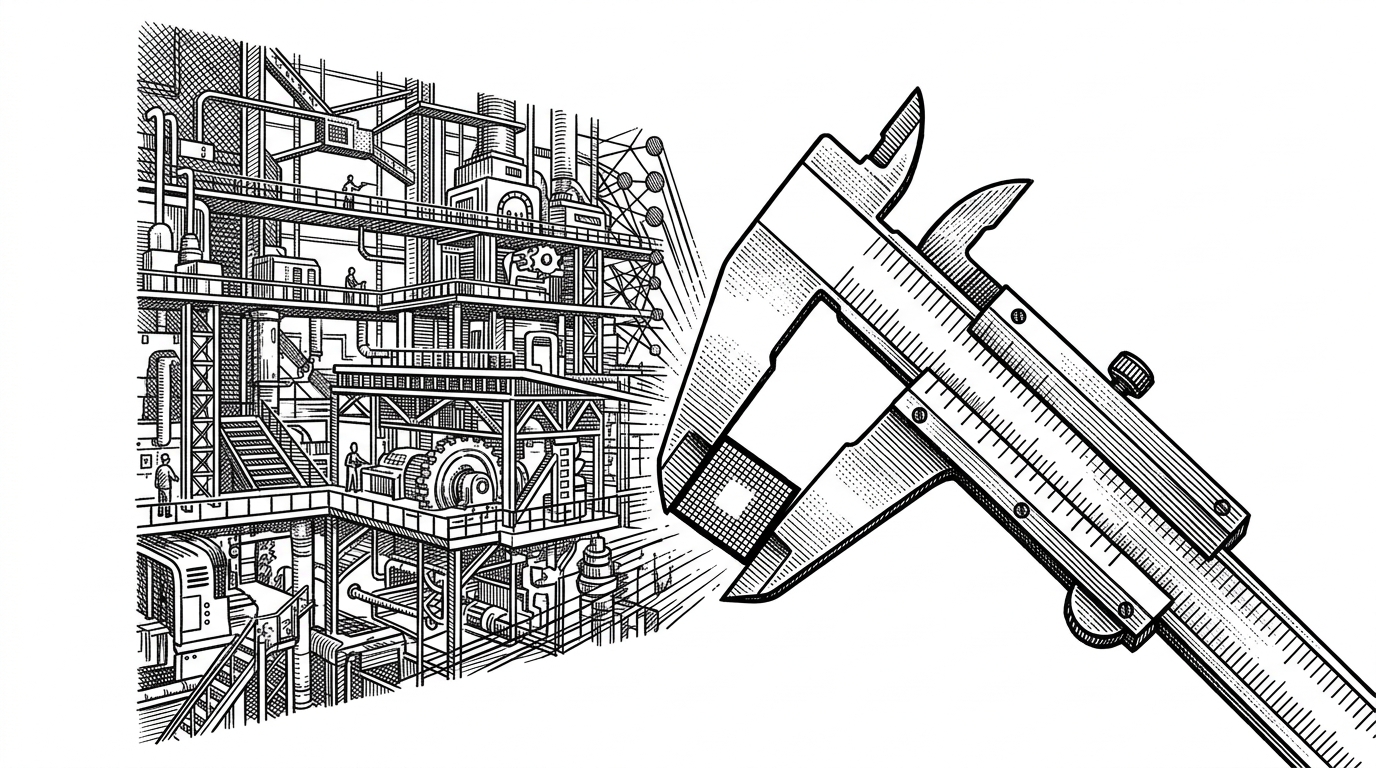
Instead of building a bespoke model, the pipeline artificially inflates the data. It resizes the 28x28 images to 224x224. This brute-force upscaling drastically increases the computational cost, but it unlocks a massive advantage. It allows the pipeline to ingest state-of-the-art pre-trained weights from the timm library. Specifically, it uses a Swin-Tiny Vision Transformer. To prevent this massive model from instantly overfitting on the sparse, upscaled pixel data, the pipeline applies heavy augmentations like Mixup and CutMix. The result is a staggering 99.69 percent accuracy.
The Anatomy of a Confusion Matrix
High accuracy in medical imaging is cheap if the model is just memorizing noise. The true differentiator of this repository is its clinical paranoia. The analysis_outputs directory serves as a comprehensive diagnostic suite. It generates a specific difficult_pairs.csv file, revealing exactly where the AI struggles. For example, the model frequently confuses the Right Lung with the Liver. By mapping these specific failures and running Grad-CAM visual heatmaps, the developers prove the model is actually looking at anatomical structures.
Guerrilla HPC on the Edge
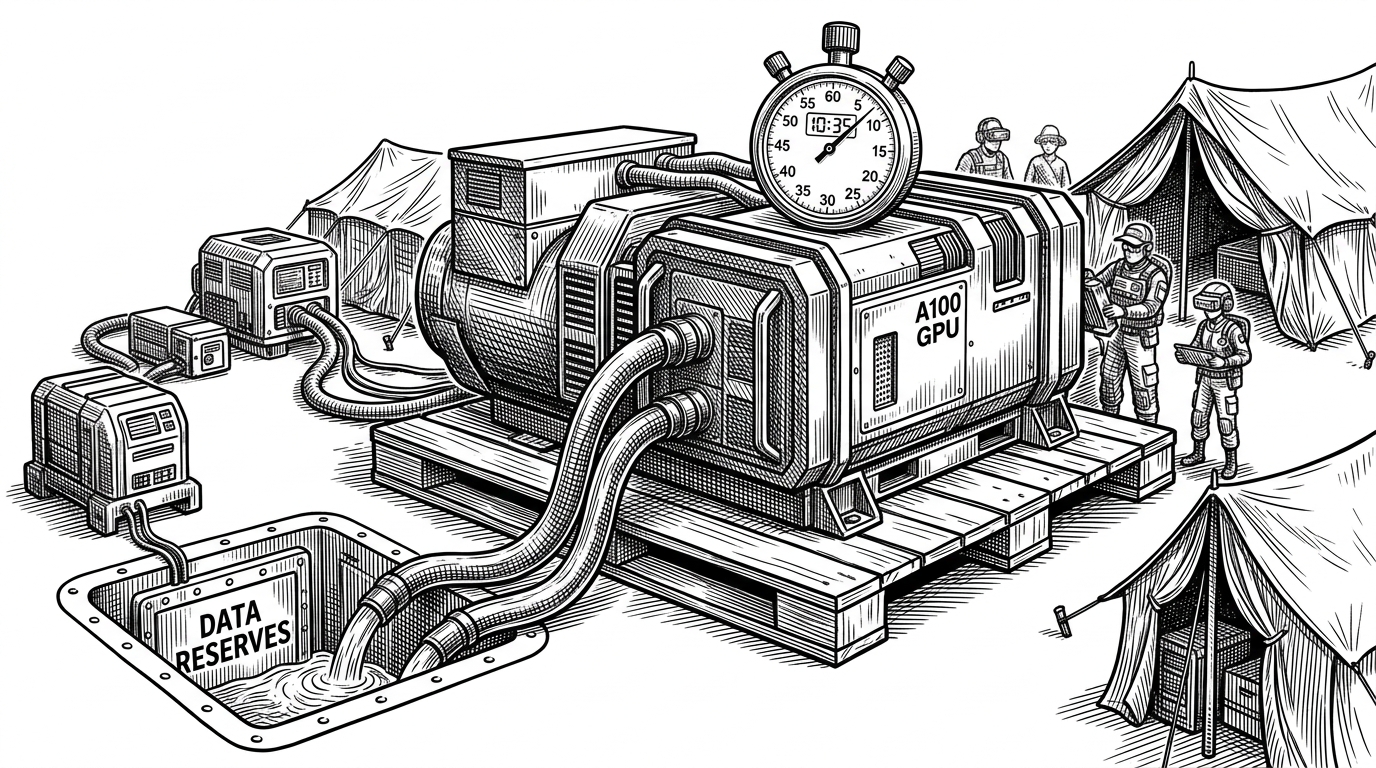
The infrastructure running this pipeline is entirely transient. The akash_setup.ipynb bootstrap file reveals a guerrilla approach to high-performance computing. Instead of relying on persistent AWS instances, the pipeline targets cheaper, ephemeral decentralized GPUs on the Akash network. Because the instance could die at any moment, the setup uses ngrok tunnels and rclone to rapidly siphon gigabytes of data into the environment just before training begins.
A Tale of Two Contexts
If you search the web for shrijacked/dl, you will likely find a completely different project. Shrijal Tripathi is widely known for a popular Go-based concurrent downloader sharing the exact same namespace. While the domains are wildly different, the underlying philosophy is identical. Both projects focus on bypassing complex configurations to achieve raw performance, whether that means saturating network bandwidth or hijacking Vision Transformers.
| Feature | Traditional Enterprise ML | shrijacked/dl Approach |
|---|---|---|
| Infrastructure | Persistent AWS/GCP Instances | Ephemeral Akash Network GPUs |
| Data Ingestion | S3 Buckets and IAM Roles | Ngrok Tunnels and Rclone |
| Model Strategy | Custom Micro-CNNs for small data | Upscaled data for SOTA Transformers |
| Diagnostics | Global Accuracy Metrics | Per-Class Grad-CAM and Adversarial Testing |