sodofi/skincare-or-crypto: The Quiz That Won’t Reveal Anything Until Celo Confirms the Payment
A Farcaster mini app that turns a tiny onchain transfer into the unlock key, using wallet auto-connect and a four-stage state machine to make payment feel native instead of awkward.
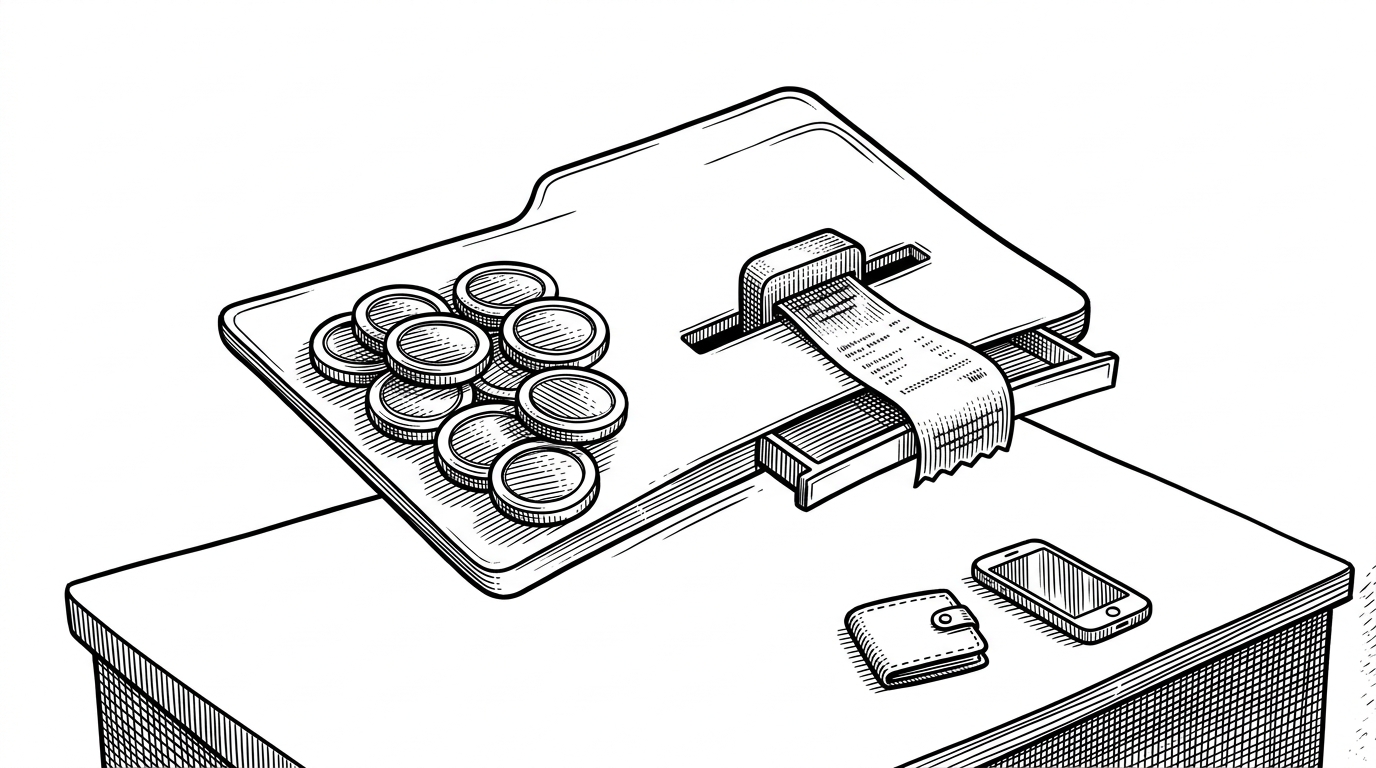
- The repo turns a payment receipt into the unlock condition for a social quiz, so the transaction feels like the last step of the answer, not a separate checkout.
- Farcaster framing and wallet auto-connect erase enough friction that the app reads like a normal mini app until the confirmation gate appears.
- The four-stage state machine is the real product, because it carries quiz state forward and only advances to results after the receipt lands.
- Celo is not decorative here, because low fees and fast confirmation are what keep a curiosity toll from feeling punitive.
The quiz is a payment gate
The clever part of this repo is not that it takes payment. It is that it makes the payment feel like the final click of the quiz. You answer, you wait, and the result stays hidden until Celo confirms the transfer.
That is a different product shape from a normal paywall. A usual checkout interrupts the experience and asks for permission to continue. Here, the transaction is the continuation.
Why it feels native inside Farcaster
The front end is doing a lot of quiet work to remove the usual crypto drama. The Farcaster mini app context captures the host environment, calls `sdk.actions.ready()`, and then tries to connect the wallet without making the user hunt for a separate extension. That is why the experience feels less like a dApp and more like a social surface with one unusual rule.
useEffect(() => {
  sdk.actions.ready();
  if (!isConnected) {
    connect();
  }
}, [isConnected, connect]);
The repo also wires in Farcaster-specific auth and manifest support, which tells you this is meant to live inside an existing social identity layer. In other words, it does not ask users to discover the app first and the wallet second. It assumes the social context is already there, then uses it.
The four-stage machine behind the reveal
Under the quiz UI, the real structure is a small state machine: `welcome` to `quiz` to `payment` to `results`. The important jump is the last one, because the app does not treat payment as completion. It treats the receipt as a trigger.
if (stage === 'payment') {
  const { isSuccess } = useWaitForTransactionReceipt({ hash });
  if (isSuccess) setStage('results');
}
That tiny loop matters because it changes what the user thinks the app is doing. The quiz is no longer waiting for a backend to flip a flag. It is waiting for the chain to tell the UI that the unlock is real.
Why Celo is the right rail for this trick
Celo is not a branding choice here. It is a timing choice. A curiosity toll only works when fees stay tiny and confirmation stays quick, because the user is paying for immediacy, not for speculation.
| Axis | Normal quiz or content gate | Generic Web3 app | skincare-or-crypto |
|---|---|---|---|
| Entry friction | User starts immediately and hits a simple submit button | User meets a wallet wall before the app feels real | Mini app context and auto-connect remove most of the ceremony |
| Unlock condition | A score, email capture, or form submit | A wallet signature or token check | A confirmed Celo transfer |
| What the payment means | Usually nothing beyond access | Often ownership, membership, or identity | It is the content gate itself |
| User perception | A quiz with a checkout step | A dApp that asks for patience | A normal Farcaster interaction that happens to settle onchain |
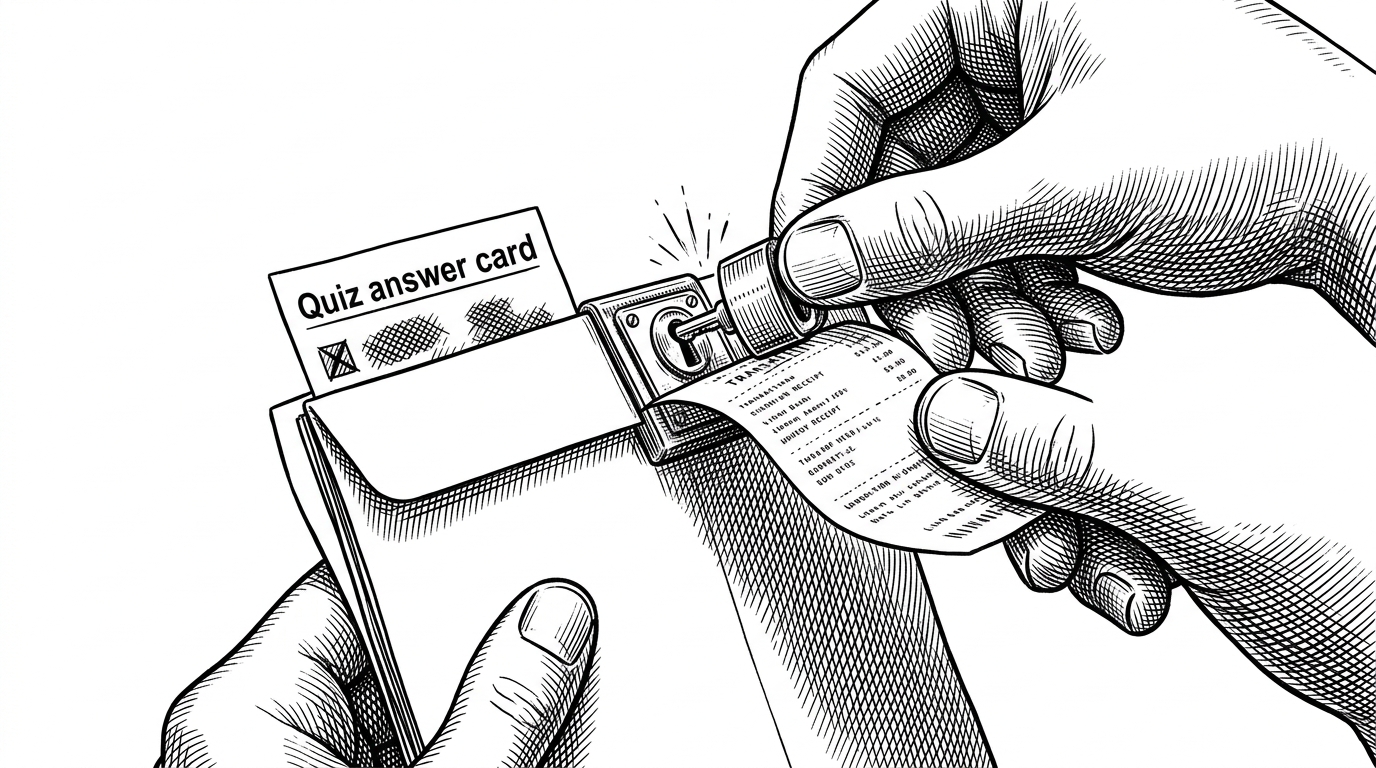
That is why the chain choice changes the product feel. If confirmation drags, curiosity cools. If fees spike, the reveal starts to feel like a toll booth instead of a punchline.
What this repo says about the next generation of social apps
The repo structure makes the same point at a different altitude. `apps/web` holds the user-facing flow, `apps/contracts` holds the EVM side, and the surrounding manifest, auth, and webhook code suggest a platform, not a one-off demo. This looks like a template for social apps that want to monetize a moment without breaking the moment.
- `apps/web` handles the mini app lifecycle, quiz logic, wallet flow, and result gating.
- `apps/contracts` keeps the blockchain side separate, which makes the project easier to extend.
- Farcaster manifest and quick-auth code show that identity is part of the product, not an afterthought.
- The webhook and notification pieces point toward retention, not just a single reveal.
That is the useful idea here. The repo is not selling a skincare quiz or a crypto quiz. It is showing how a social app can turn a tiny onchain action into a native-seeming product mechanic, then disappear behind the result.