paid-memberships-pro: Paid Memberships Pro: The WordPress Plugin That Turns Payment Chaos Into One Membership Engine
A deep look at the gateway translator, the legacy-safe order model, and the defensive coding that lets a 2011 plugin keep evolving without breaking old sites.

- PMPro’s main innovation is not memberships, but translation: it normalizes incompatible gateway behavior into one durable internal model.
- The `MemberOrder` object acts as the system’s source of truth, while legacy fields and magic getters let older data keep working.
- Defensive validation and library conflict checks are central to the product, because WordPress plugins live inside an unpredictable shared runtime.
- The GPL-plus-support business model is part of the architecture, because it funds long-term compatibility without locking customers out of their own data.
WordPress membership software sounds simple until you look at the edges. Stripe, PayPal, and Braintree all disagree about billing rules, retries, webhooks, and token formats. PMPro’s job is to make those differences disappear behind one coherent system.
The hidden job PMPro does
The plugin is marketed as a way to sell access to content. That is true, but it misses the harder problem: membership software has to survive messy payment reality, old database shapes, and the rest of the WordPress plugin universe. PMPro is valuable because it absorbs that chaos without asking site owners to surrender control of the data.
Paid Memberships Pro is distributed under the GPLv2 license. This means, among other things, that you may use the software on any site free of charge.
One order object to rule them all
The center of gravity is `MemberOrder`, the class that holds payment IDs, billing fields, gateway tokens, and membership state in one place. It is not just a receipt object. It is the translation target that lets the rest of PMPro treat different providers as if they were speaking the same language.
$order = new MemberOrder();
$order->gateway = 'stripe';
$order->payment_transaction_id = $txn_id;
$order->paypal_token = $legacy_token;
$order->membership_id = $level_id;
$order->saveOrder();

// Older fields can still be read through fallback logic.
$token = $order->paypal_token;
$txn   = $order->payment_transaction_id;
The gateway translator layer
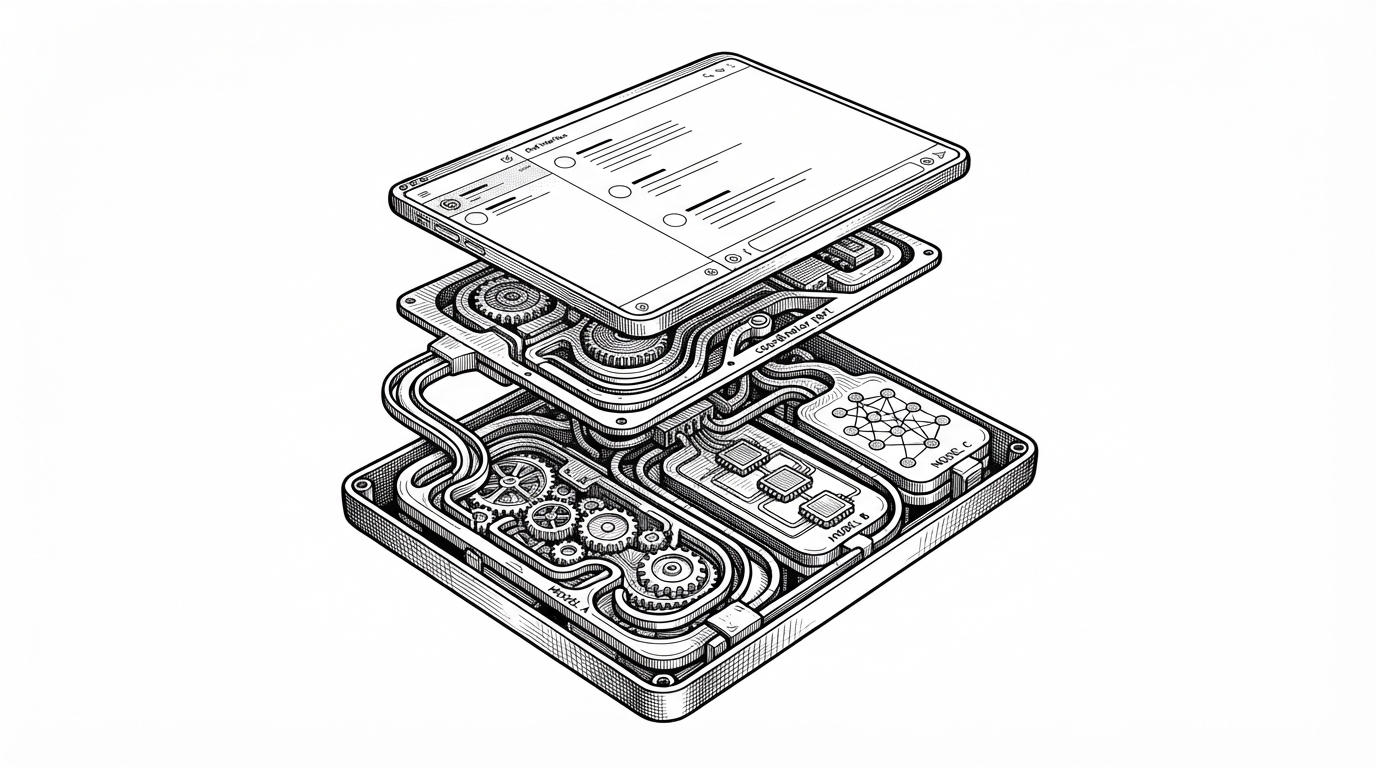
PMPro wraps payment providers behind a shared abstraction so the rest of the plugin can work with one mental model. The useful trick is not just inheritance. It is the discipline of turning provider-specific edge cases into validation, webhook handling, and a normalized order object before the rest of the system sees them.
| Dimension | PMPro gateway layer | Typical SaaS membership platform |
|---|---|---|
| Data ownership | Site owner keeps the site and order data | Vendor controls the data surface |
| Gateway flexibility | Multiple providers behind one contract | Usually constrained to platform-approved billing flows |
| Backward compatibility | Legacy fields and fallbacks stay readable | Older shapes are often hidden or deprecated |
| Operational burden | You manage WordPress and plugins | Vendor manages most of the stack |
| Extensibility | Hooks, filters, and PHP customization | More limited extension points |
| Long-term control | Open source, GPL, and self-hosted | Account access depends on the provider |
When going up against established competition, don’t compete with them head on. Focus your marketing efforts on features and in spaces they aren’t addressing.
Why WordPress plugins need defensive coding
WordPress is a shared runtime. Every installed plugin brings its own assumptions, libraries, and upgrade habits. PMPro responds with defensive checks, compatibility validation, and library conflict detection so users do not accidentally create impossible billing setups or trigger fatal errors in someone else’s dependency tree.
That is why the plugin validates rules before checkout, not after failure. Stripe and Braintree do not accept the same billing cycles, so PMPro checks levels early and refuses configurations that would break at runtime. The same logic shows up in its Stripe SDK conflict detection, where it tries to survive the common WordPress problem of two plugins loading incompatible versions of the same library.
| Problem | PMPro response | Why it matters |
|---|---|---|
| Gateway billing rules do not match | Validate membership levels before checkout | Prevents impossible subscriptions |
| Legacy order data still exists | Use fallback reads and magic getters | Old sites keep working |
| Another plugin loads the same SDK | Detect conflicts before fatal errors | Shared environments stay stable |
| Admin UI needs modernization | Move toward abstract panels and blocks | New surfaces can ship without a rewrite |
The long migration from procedural PHP to modern WordPress blocks
PMPro has not frozen itself in 2011. The repo shows a gradual move from older procedural admin scripts toward abstract panel classes and Gutenberg-aware blocks. That matters because the project is modernizing the interface without forcing a rupture in the data model or the site owner’s workflow.
This is what mature WordPress software looks like. It does not chase novelty for its own sake. It wraps new UI patterns around old guarantees, then keeps the guarantees intact.
| Old surface | New surface |
|---|---|
| Procedural admin pages | Abstract panel classes |
| One-off UI scripts | Reusable block/editor integration |
| Manual compatibility handling | Structured validation and fallbacks |
| Legacy-first mindset | Modernized without a rewrite |
Why the business model matters
PMPro’s GPL model is not a side note. It is part of why the code can be conservative and still viable. Support licenses and premium add-ons fund maintenance, compatibility work, and long-term evolution without turning the core plugin into a gated product.
Each time I start a fresh build, whether for a personal project or a new demo, I’m floored at how fast I can get the membership features up and running.
That structure explains the tone of the repository. The code is practical, not flashy. It has to preserve trust across gateways, older sites, and plugin conflicts, because the business depends on being the safe layer in the middle of all that complexity.
| Model | What users get | What the maintainer gets |
|---|---|---|
| GPL core plus support | Free software, self-hosted control | Revenue from help and updates |
| Hosted SaaS | Convenience and less ops | Tighter control over the platform |
| Closed plugin | Simpler packaging | More vendor lock-in, less user ownership |
What PMPro says about the future of WordPress membership software
PMPro is a case study in endurance. It shows that an open-source plugin can stay relevant for years if it becomes a reliable translator between messy external systems and one internal truth. In this repo, the quiet engineering matters more than the flashy features.
That is the real lesson. Durable membership software is not built by pretending payment systems are simple. It is built by acknowledging the chaos, normalizing it, and defending the boundary forever.
| Question | PMPro’s answer |
|---|---|
| Who owns the data? | The site owner |
| Who handles gateway differences? | PMPro’s abstraction layer |
| How does it survive old installs? | Fallback reads and backward-compatible models |
| Why does it last? | Because maintenance is part of the product |