Game-Feature---Prioritization-Engine: GFPE: Turning Steam Reviews Into a Feature Roadmap
A hybrid NLP pipeline that classifies player complaints, weighs community consensus, and surfaces the features a game team should fix first.
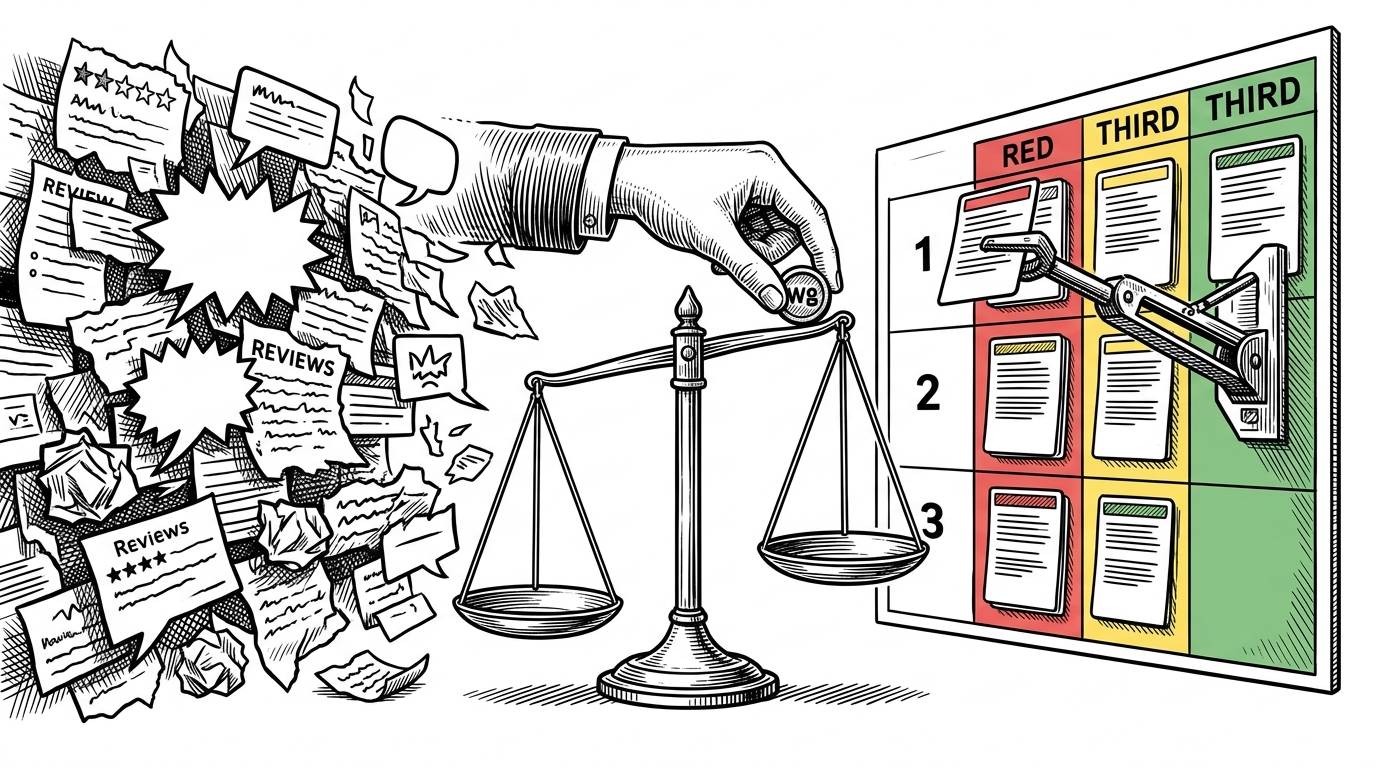
- GFPE’s main insight is that not all negative feedback deserves equal weight, because helpful votes turn raw outrage into a stronger signal of shared pain.
- The repo pairs a stable feature taxonomy with sentiment analysis, which makes the output readable enough for product teams to use instead of admire.
- Its scoring logic is a roadmapping system, not a dashboard trick, because mentions, negativity, and helpfulness collapse into one ranked backlog.
- The hybrid design matters because it can surface both known problem areas and emerging themes without giving up operational clarity.
The feedback problem GFPE is trying to solve
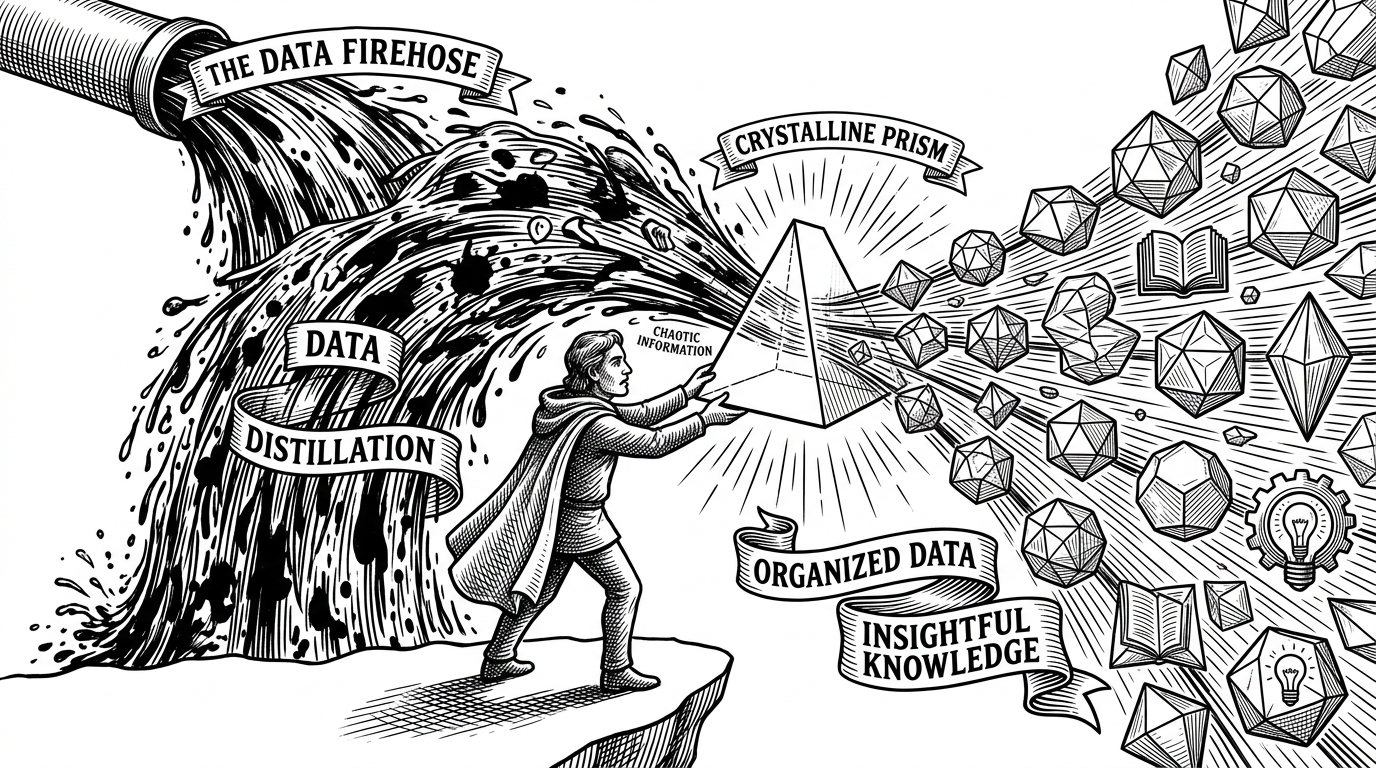
Game teams do not lack feedback. They drown in it. Steam reviews arrive as a noisy stream of emotion, bug reports, jokes, memes, and genuine product advice, and the hard part is not understanding that players are upset. The hard part is deciding what should move first.
That is the problem GFPE is built for. It takes review text, classifies the complaint into a feature bucket, measures sentiment, and then scores the result so the output looks less like a comment wall and more like a roadmap.
Why helpfulness changes the whole ranking
The unusual part of GFPE is that it does not treat every negative review as equal. A lone rant counts, but a complaint that the wider community marks as helpful carries more weight. That shift matters because it moves the system from pure volume to something closer to proof of pain.
The design choice is subtle but important. Raw negativity tells you what annoys players. Helpful votes tell you what the community agrees is worth fixing. GFPE combines both, which makes the ranking feel more grounded than a simple anger counter.
How the pipeline turns text into categories
Under the hood, the repo uses a straightforward NLP stack. Preprocessing removes noise, normalizes text, and lemmatizes language so the same complaint does not appear as five different phrases. Then sentiment analysis tags the emotional direction of each review, and a regex-based taxonomy maps the complaint into a game-facing category such as NPC_AI, UI_UX, Combat, Bugs, or Story.
# Conceptual taxonomy pass
CATEGORY_PATTERNS = {
    "NPC_AI": [r"npc", r"ai", r"enemy pathing", r"pathfinding"],
    "UI_UX": [r"ui", r"menu", r"hud", r"inventory", r"interface"],
    "Combat": [r"combat", r"melee", r"shooting", r"gunplay"],
    "Bugs": [r"bug", r"crash", r"glitch", r"broken", r"freeze"],
    "Story": [r"story", r"quest", r"dialogue", r"plot", r"writing"],
}

# Reviews are preprocessed, then matched into the most relevant bucket.
# Sentiment and helpful votes are attached later for scoring.
That taxonomy is doing a lot of product work. It translates player language into categories a studio can actually route, which is why the output feels closer to a triage list than a model demo.
The scoring logic behind the roadmap
GFPE’s priority score is not trying to be clever. It is trying to be useful. Mentions show scale, negative ratio shows urgency, and helpfulness shows consensus. Those signals combine into a single ranking that tells a team where the pain is concentrated.
| Signal source | What it captures | Why it matters |
|---|---|---|
| Mentions | How often a feature is discussed | Separates fringe complaints from repeated pain |
| Negative ratio | How strongly the discussion trends negative | Surfaces features that are actively hurting the experience |
| Helpfulness | How much the community agrees the complaint is valid | Reduces the influence of isolated rants |
| Priority score | A combined backlog ranking | Turns feedback into a decision order |
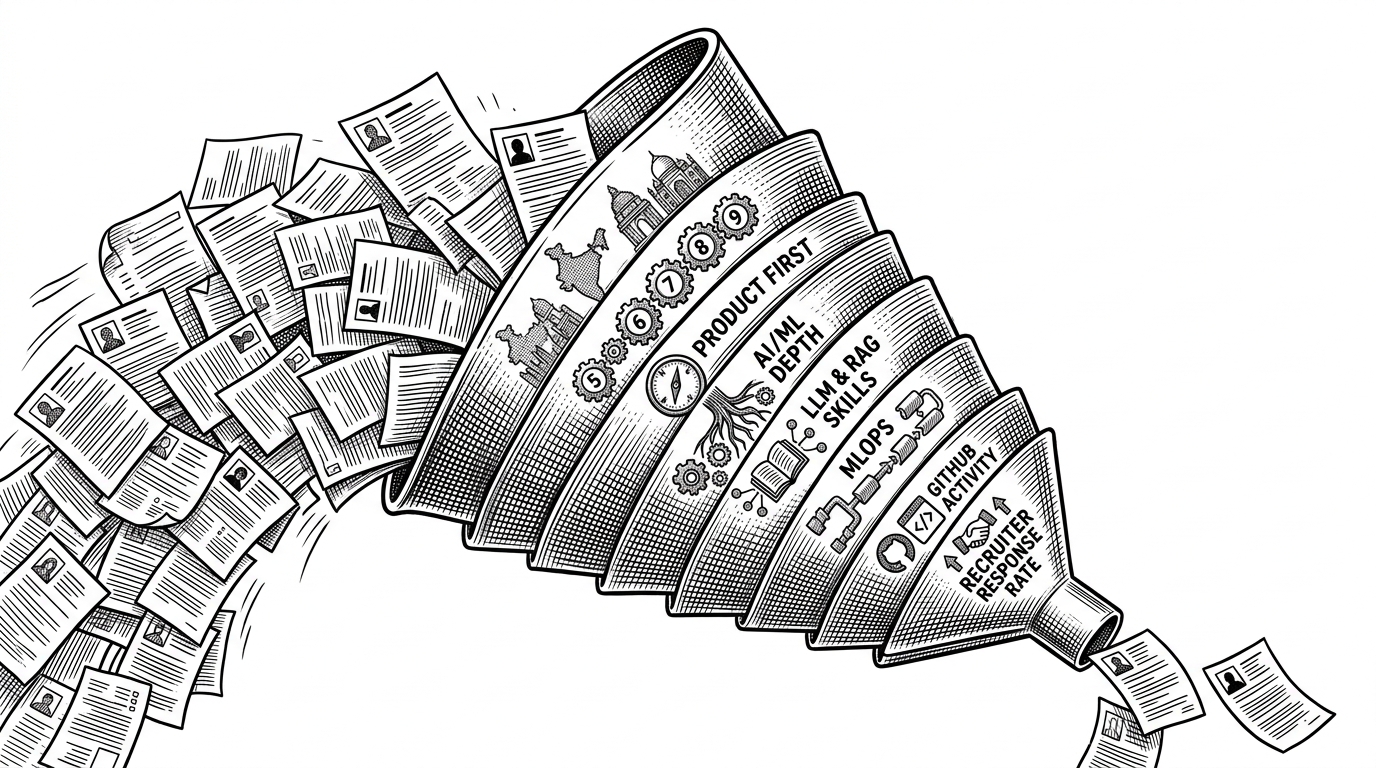
This is the product thesis in plain language: GFPE does not just summarize what players feel. It estimates what the team should fix first. That difference is what makes the engine more than a dashboard.
Why hybrid taxonomy beats pure clustering
GFPE’s second clever move is that it does not rely on one method to do everything. K-Means clustering can discover patterns that the maintainer did not predefine, but clustering alone is hard to operationalize. A stable taxonomy is easier to report on, easier to track, and easier to hand to a producer.

| Approach | Signal source | Explainability | Operational usefulness | Stability over time | Emerging themes |
|---|---|---|---|---|---|
| Raw sentiment dashboard | Emotion score only | High | Low | High | Low |
| Pure clustering | Text similarity | Medium | Medium | Low | High |
| GFPE hybrid engine | Sentiment, taxonomy, helpfulness | High | High | High | High |
That balance is the main architectural trade-off in the repo. Pure clustering can be exploratory, but it is rarely the shape of a backlog. GFPE keeps the exploratory layer, then funnels it into categories a team can work with.
The dashboard turns analysis into action
The final step is where the project becomes usable. The dashboard generation script packages the scored output into a compact JSON layer, normalizes the numbers, and assigns priority tiers so the result can be read by someone who does not care how TF-IDF works.
{
  "feature": "NPC_AI",
  "mentions": 22481,
  "negative_ratio": 0.81,
  "avg_helpful_votes": 14.2,
  "priority_score_normalized": 100,
  "priority_tier": "High"
}
That matters because the dashboard is not just a visualization endpoint. It is a handoff format. It translates a data pipeline into something a producer, designer, or lead engineer can scan in seconds.
What GFPE gets right, and what it still leaves open
GFPE is strongest when it stays honest about what it is: a domain-shaped prioritization engine. It is explainable, adaptable, and easy to align with how game teams already talk about features. But it is also bounded by its taxonomy, and any fixed category system will eventually lag behind the language players use.
| Strength | Limitation |
|---|---|
| Explainable scoring tied to real feedback behavior | A fixed taxonomy can miss new or weird complaint patterns |
| Helpful votes add community consensus | Popularity can still tilt results if the crowd is noisy |
| Readable output for product teams | Accuracy depends on pattern rules and preprocessing quality |
That is the right trade-off for a repo like this. GFPE is not pretending to solve product strategy. It gives teams a better way to argue about it.