Anatomy of an Autonomous Agent: Unpacking optimal-openclaw
How a pipeline of 25 modular Markdown files gives local-first AI a continuous heartbeat, durable memory, and a strict metadata firewall.
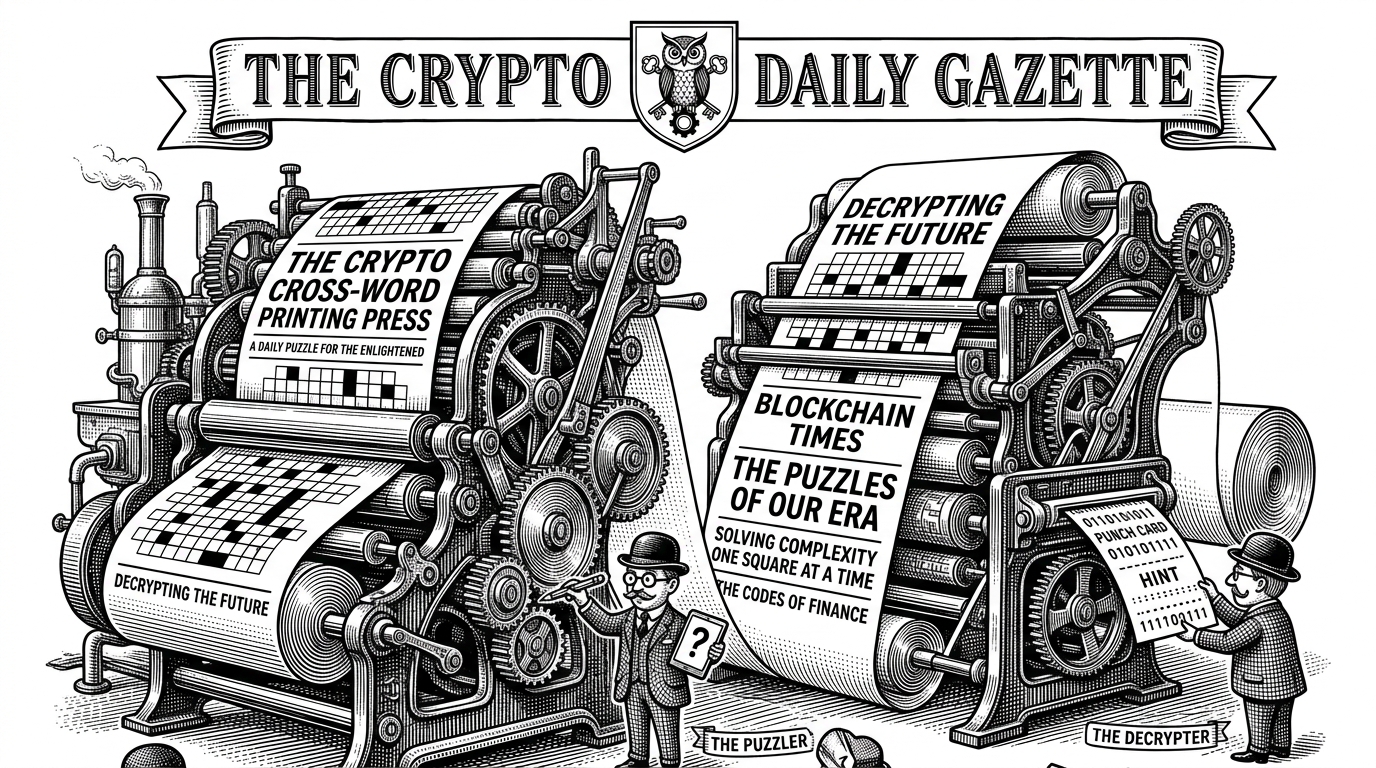
- Optimal-openclaw treats prompt engineering as software architecture, compiling 25 modular Markdown files into a dynamic context window.
- An autonomous 30-minute heartbeat loop allows the agent to process background tasks and remain silent when no action is needed.
- Pre-compaction memory flushes force the agent to summarize conversations to disk before hitting context limits, ensuring long-term durability.
- A strict metadata firewall separates trusted system instructions from untrusted user input, effectively neutralizing prompt injection attacks.
Most developers still treat large language model system prompts as a single, massive block of text. A paragraph of instructions, a few rules, and a hopeful plea to be helpful. The thedotmack/optimal-openclaw repository shatters this illusion. It reveals the reality of building a production-grade, autonomous, multi-channel agent. Here, prompt engineering is treated as a rigorous software architecture problem.
The Assembly Line
The repository is built around a comprehensive /reference/system-prompt/ directory. Instead of one static file, a manifest.json acts as a compiler. It pulls in 25 different Markdown files, dynamically injecting available tools and assembling the final context window just-in-time.
The 30-Minute Pulse
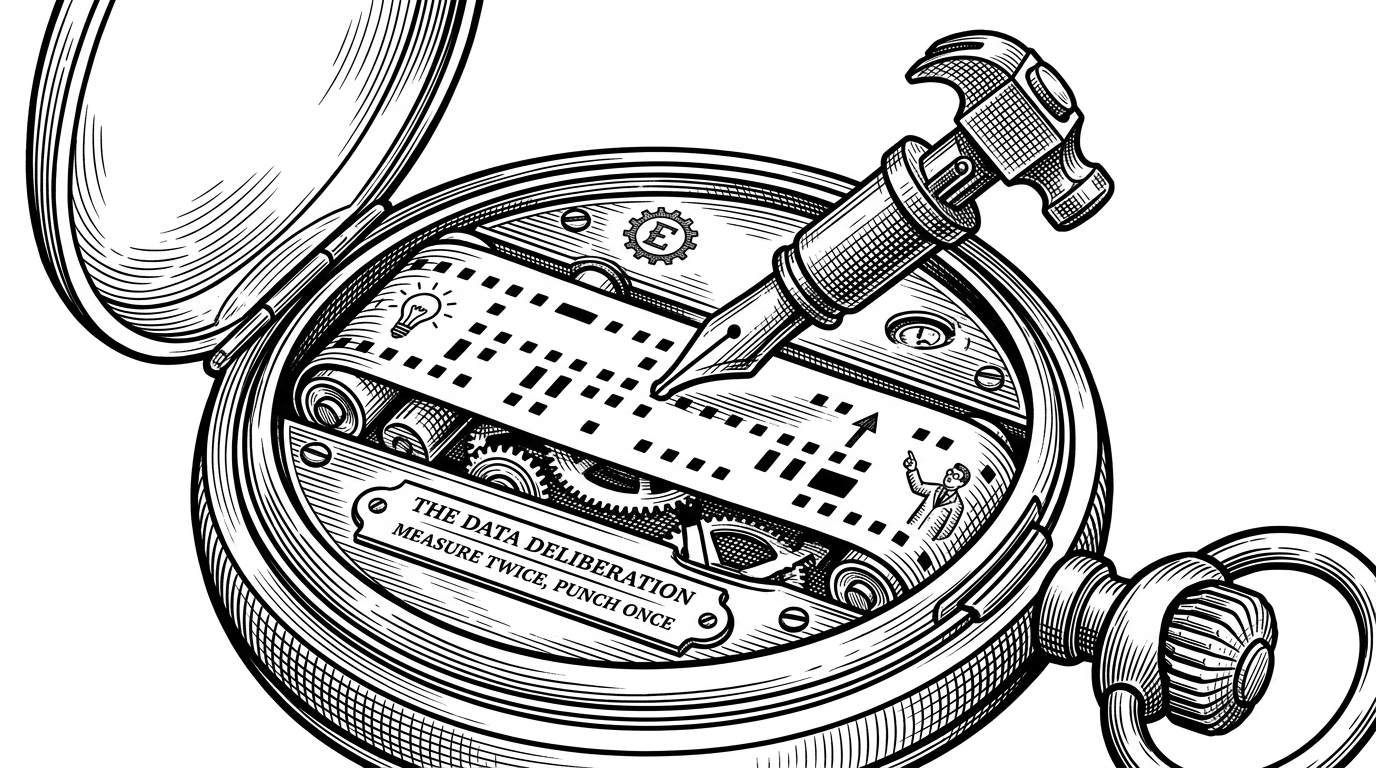
The most fascinating behavioral mechanic is the autonomous loop. The system sends a hidden message every 30 minutes. This allows the agent to check calendars or monitor feeds. If no action is needed, the agent follows the NO_REPLY pattern and responds with a simple HEARTBEAT_OK, remaining completely silent to prevent chat-room spam.
Forging Durable Memories
Infinite context windows are a myth. To survive long-term deployments, the system uses a pre-compaction strategy. Before the 4,000-token limit is breached, the agent is forced to summarize hard facts into daily YYYY-MM-DD.md files. This entirely resets the active context window while retaining critical state.
The Metadata Firewall
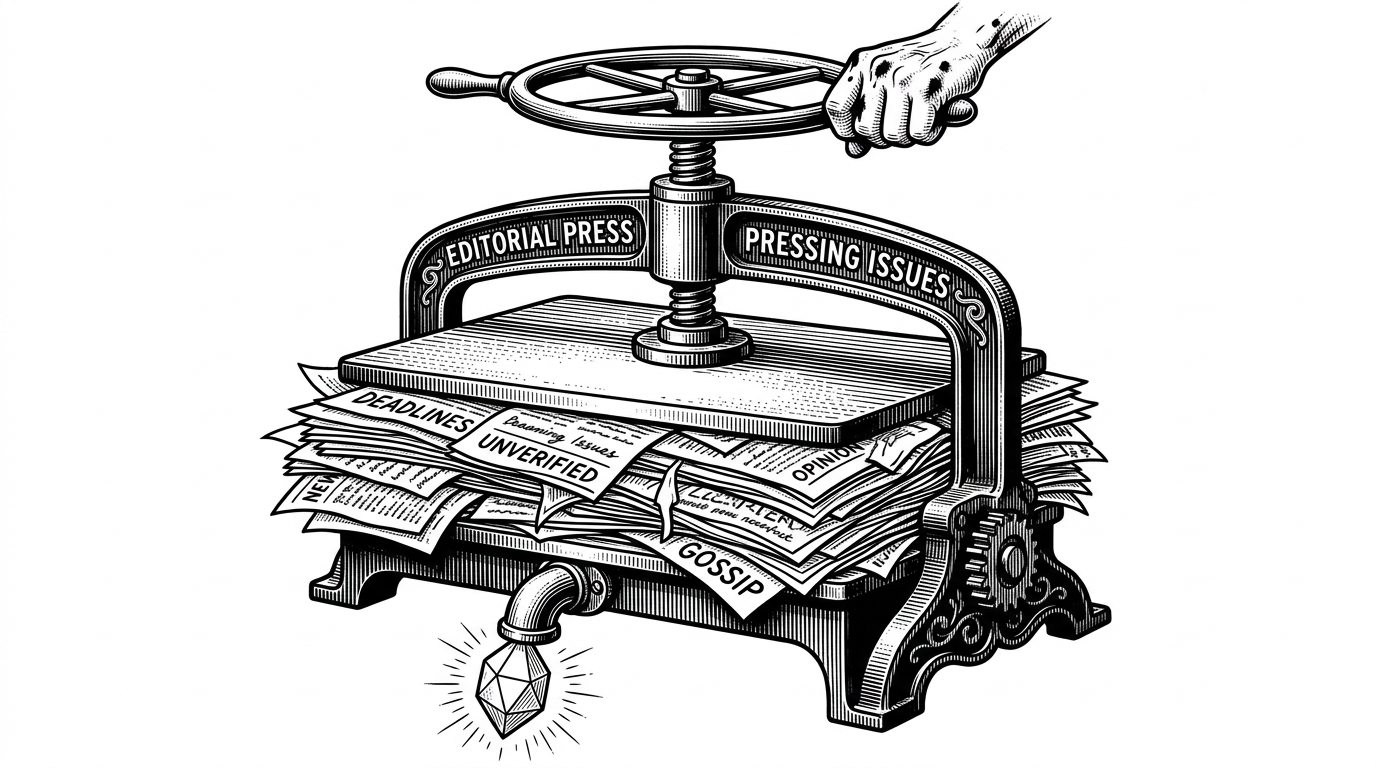
Deploying autonomous agents in shared channels like Slack introduces massive security risks. OpenClaw solves this with a strict separation of concerns. Section 22 of the compiled prompt wraps system data in a Trusted JSON envelope and user messages in an Untrusted envelope. This structural boundary is highly effective at neutralizing prompt injection attacks.
| Feature | Standard LLM Wrappers | OpenClaw Pipeline |
|---|---|---|
| Execution | Waits for user prompt | Autonomous 30-minute heartbeat |
| Memory | Context window exhaustion | Pre-compaction to daily Markdown files |
| Security | Flat text strings vulnerable to injection | Strict Trusted/Untrusted JSON metadata envelopes |
| Prompt Structure | Single 500-word paragraph | 25-part dynamically compiled manifest |
Swapping the Soul
The architecture makes a philosophical but strictly technical distinction between what the agent does and how it behaves. The IDENTITY.md file defines the functional role and constraints. The SOUL.md file dictates the personality and tone. This separation allows developers to completely change an agent's vibe without breaking its underlying technical capabilities or tool-calling proficiency.
build an agent that even my mum can use.
By modularizing the prompt, automating the heartbeat, and enforcing strict data boundaries, optimal-openclaw provides a blueprint for the next generation of reliable, local-first AI agents.