AFFiNE's Whiteboard Is Just a Document in Disguise
Every block in AFFiNE ships as two halves: a data model that runs anywhere and a view that draws it. That split is why documents and whiteboards share one canvas, and why the same Rust core runs in the browser, the desktop app, the phone, and the server.
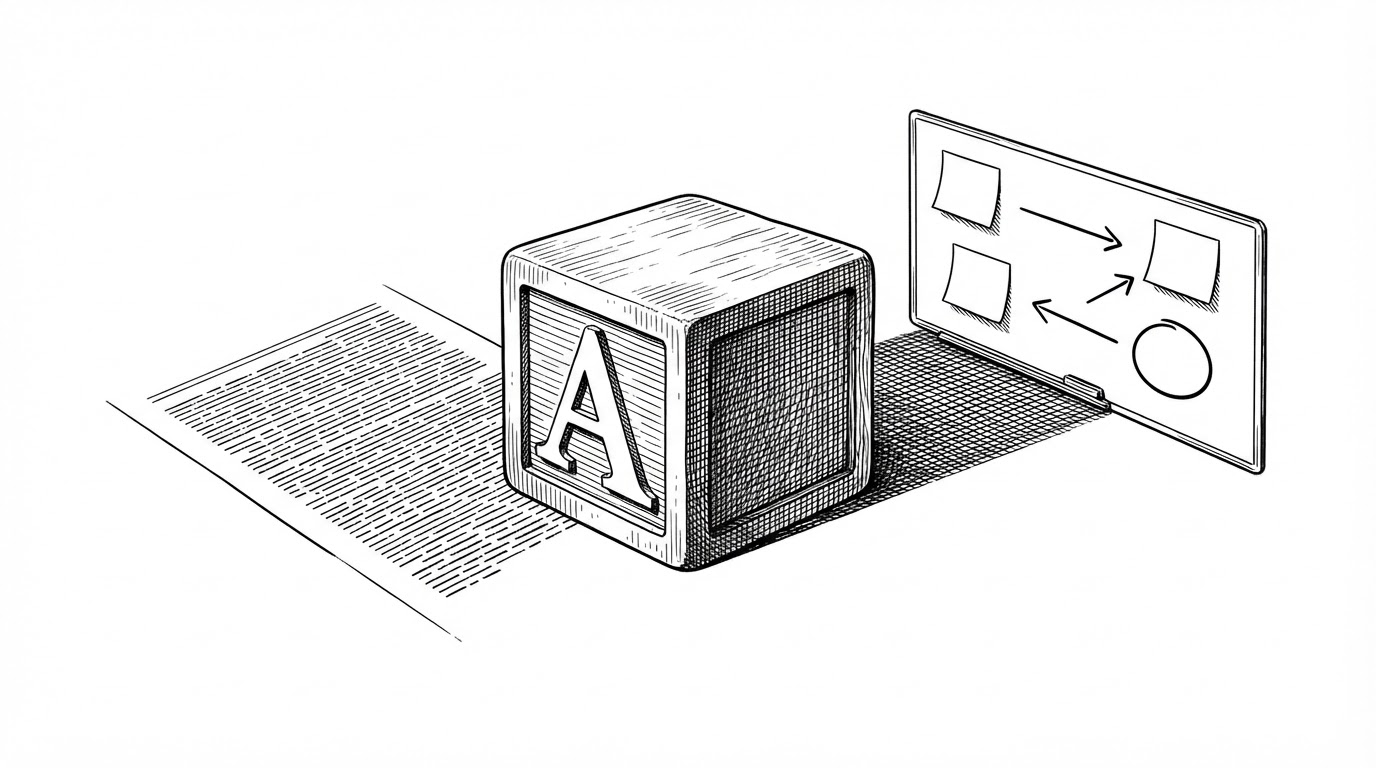
- AFFiNE's edgeless canvas is not a second product bolted onto a document editor; it is the same block records laid out by coordinates instead of by flow.
- Every block ships as two halves, a store.ts holding schema and data and a view.ts holding rendering, which is what lets one schema run in the browser, desktop, mobile, and server.
- The 3.7M bytes of Rust underneath are a shared native core for storage and CRDT sync, not an optimization layer, and they bind all four runtimes to one engine.
- The architecture is a plugin system in which registration order is semantically significant but the mechanism is undocumented, and the Apache 2.0 move is announced rather than shipped.
The Whiteboard Is the Document
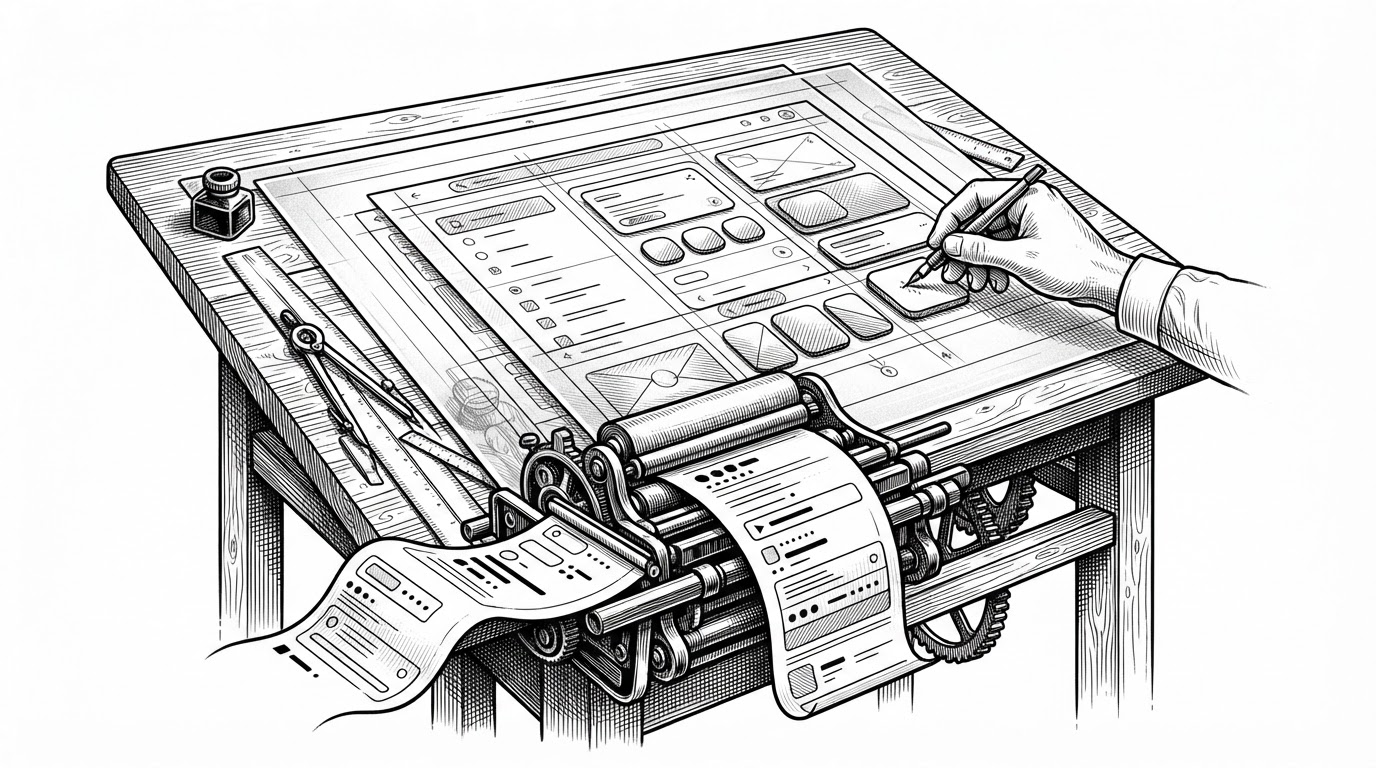
In AFFiNE, drag a paragraph onto the edgeless canvas and watch what happens. It does not turn into a "canvas object." It does not get copied into a whiteboard data store. It stays a paragraph. Same schema, same CRDT entry, same block. The only thing that changed is the layout pass: instead of being positioned by document flow, it is now positioned by x and y coordinates.
That is the whole trick, and it is easy to miss because every other tool does it the hard way. Notion keeps a page and a separate whiteboard surface. Miro keeps a board and treats documents as embeds. AFFiNE deletes the boundary. A sticky note, a database row, a shape, and a heading are all the same kind of object living in the same collaborative document, and the mode you are in just decides how to draw them.
The README puts the ambition plainly: "There can be more than Notion and Miro." The way it delivers on that is architectural, not cosmetic. One store, two renderers.
Every Block Has Two Halves
Open the AFFiNE repo and look at blocksuite/affine/all/package.json. It is the best map of the system you will find. Its dependency list reads like a table of contents: affine-block-paragraph, -database, -note, -surface, plus the graphics packages (affine-gfx-shape, -connector, -mindmap, -brush) that make up the whiteboard half.
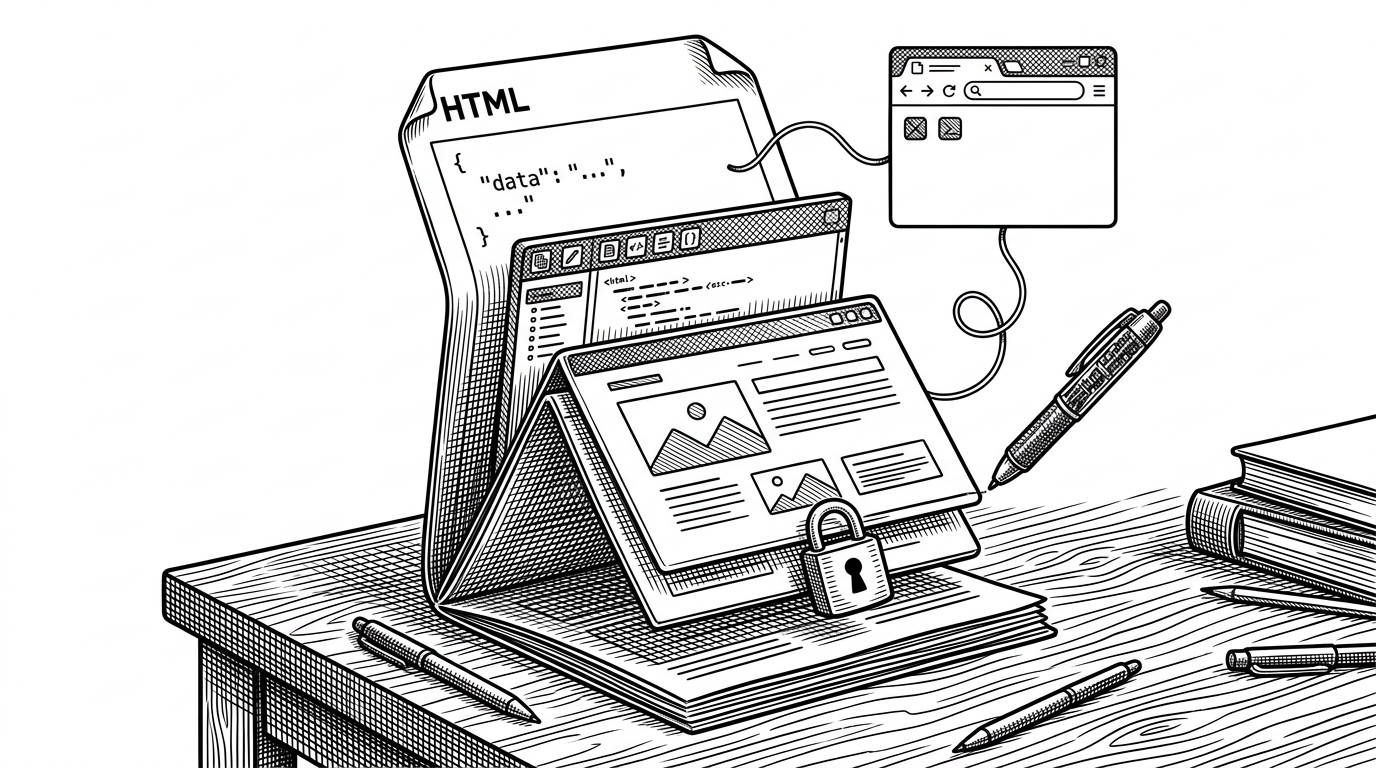
Then read the exports field. Every single block repeats the same pattern: ./blocks/<name>, ./blocks/<name>/store, and ./blocks/<name>/view. The store half holds the schema and the data model, with no UI. The view half holds the rendering, with no persistence. They ship as separate entry points on purpose.
That split is the reason a local-first system can work at all. The same paragraph schema has to run in a browser tab, an Electron shell, an iOS app, and a Postgres-backed server. If the data model were tangled up with the renderer, you would have to port the renderer to every runtime. Because it is not, the store half travels alone and the view half gets swapped per platform.
Registration is explicit, not magical. extensions/store.ts exports a single function, getInternalStoreExtensions(), that returns an array of extensions. extensions/view.ts mirrors it with getInternalViewExtensions(). The package also sets "sideEffects": false, which lets a bundler tree-shake blocks you do not use. That flag only pays off because registration is moved into those explicit arrays instead of happening as a side effect of importing a module.
One Core, Four Runtimes
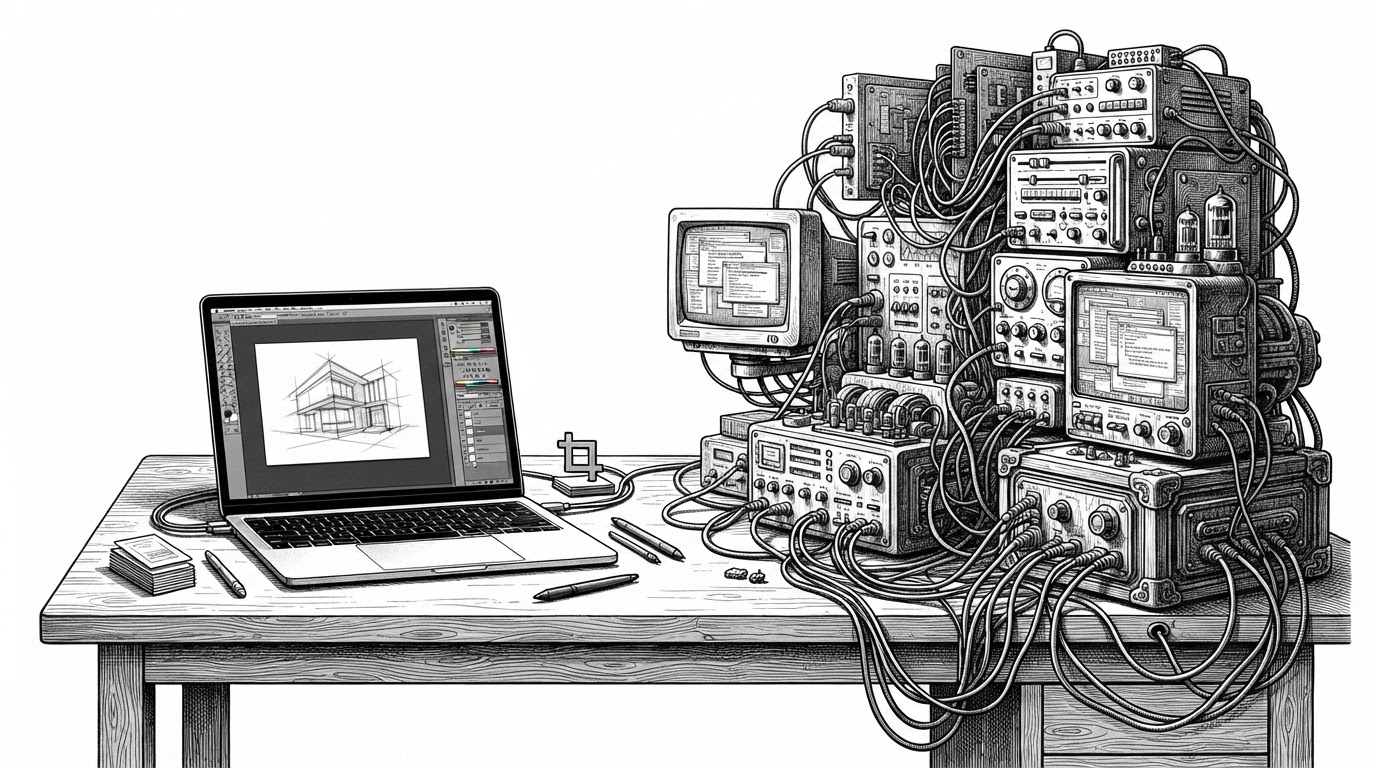
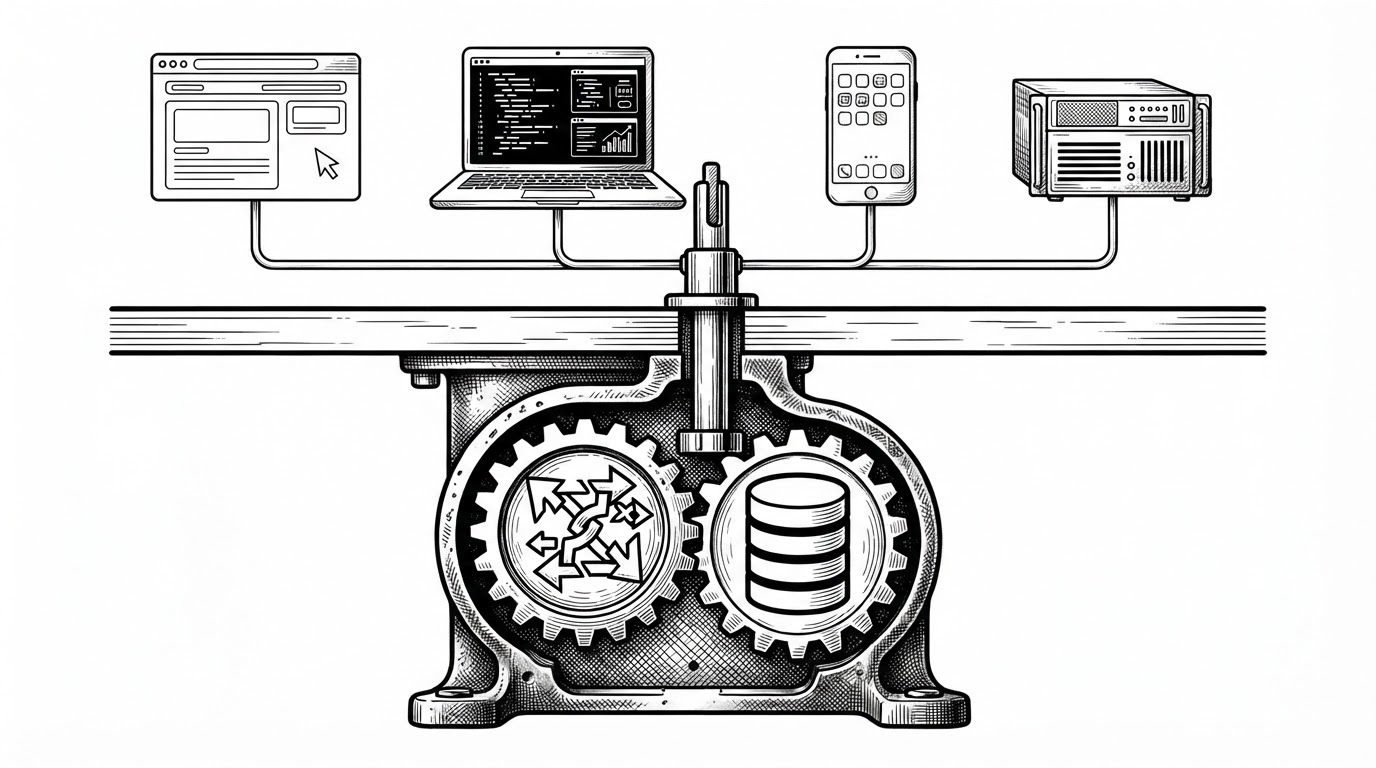
Here is the number that surprises people. The repo is roughly 25.4 million bytes of TypeScript and roughly 3.7 million bytes of Rust. The instinct is to read the Rust as a performance optimization bolted onto a web app. It is not. It is the shared native engine underneath everything.
The crates tell the story. nbstore and sqlite_v1 are the local storage engine, built on sqlx with SQLite on the client. y-octo is the CRDT library. napi exposes the core to Node as an addon, which is how the desktop and server runtimes reach it. uniffi exposes the same core to Swift and Kotlin, which is how the iOS and Android apps reach it. One engine, four bindings.
The collaboration model is CRDT, not OT. AFFiNE's own technical write-up explains the choice: CRDTs resolve conflicts without a central authority, tolerate latency and offline periods, and handle varied data types. That last point matters here. When a paragraph, a shape, and a database row all live in the same document, you want a merge model that does not care what kind of object it is holding.
We believe that the ultimate goal of the software is that people can own their own data and control it freely.
The aggregation layer that ties it together is blocksuite/affine/all, which composes roughly 80 workspace packages into one editor. There is a small file in there, src/effects.ts, worth a look for anyone who enjoys type-level tricks. It imports every effects module as a type only and builds a union with export declare const _GLOBAL_. It emits zero runtime code. Its only job is to make the compiler aware of every side effect in the system.
Who Built It, and What They Borrowed
AFFiNE is built by the team at toeverything. In an interview, CEO Jiachen He framed the project's distinction from Notion and Miro in one line: users should own their data. He also described BlockSuite, the editor framework underneath AFFiNE, as infrastructure for building other collaborative applications, not just as a private engine.
The differentiation between AFFiNE and Notion and Miro is straightforward; people should own their own data.
The README is unusually candid about where the ideas came from. It credits Quip and Notion for block-based content, Trello for Kanban, Airtable and Miro for programmable datasheets, Miro and Whimsical for edgeless whiteboards, and Capacities for object-based tagging. That list is a decent summary of what the product is trying to fuse.
The leadership has since changed. An AFFiNE team update says Jiachen He is stepping away to build a new project called Bridge, and that Vincent will lead AFFiNE. The same post describes an intended shift toward more open, interoperable workspaces, third-party storage and backend options, and a move to a fully open-source repository under Apache 2.0. Those are plans, not shipped changes.
There can be more than Notion and Miro.
AFFiNE Against Everything Else
The crowded part of this market is not documents. It is the space between documents, whiteboards, and knowledge bases, where every tool claims a slightly different slice. Here is how the field lines up on the axes that actually decide fit.
| Project | Open source | Local-first | Docs + whiteboard, one canvas | Self-hostable | Real-time collab |
|---|---|---|---|---|---|
| AFFiNE | Yes (open-core; Apache 2.0 announced, pending) | Yes | Yes | Yes | Yes |
| Notion | No | No | No | No | Yes |
| Miro | No | No | No | No | Yes |
| AppFlowy | Yes | Yes | Partial | Yes | Yes |
| Anytype | Yes | Yes | No | Partial | Yes |
| Logseq | Yes | Yes | No | Partial | No |
| Obsidian | No | Yes | No | N/A | No |
| BlockSuite | Yes (framework, not an app) | Yes | Yes (as a library) | N/A | Yes |
Two footnotes matter here. The AFFiNE row reflects the repo's stated model, and the Apache 2.0 transition is announced rather than shipped, so check the current license before you build on it. And BlockSuite is not a competitor to AFFiNE at all; it is the framework AFFiNE is built from, listed because it is the thing you would reach for if you wanted to build a different app on the same engine.
What the Architecture Costs
Two real costs sit under this design, and neither is hidden if you look.
First, the plugin system has an undocumented ordering rule. Inside the widget section of extensions/view.ts there is a comment that reads, in full, "order will affect." The visible excerpt is truncated there. What is clear is that widget registration order changes behavior, probably through overlay stacking or event-handler priority, and what is not clear is how. For built-in blocks this is invisible. For a third-party block author, it is a sharp edge: the README says third-party blocks are coming, and this is the interface they would come through.
Second, the license story is a plan, not a fact. The team update describes a move to a fully open-source repository under Apache 2.0. Until that ships, AFFiNE is still an open-core product. If you are evaluating it for adoption, read the current repo license rather than the blog post.
None of that undoes the central idea. AFFiNE works because it refused to build two products and bolt them together. The whiteboard really is a document. It just gets drawn differently.