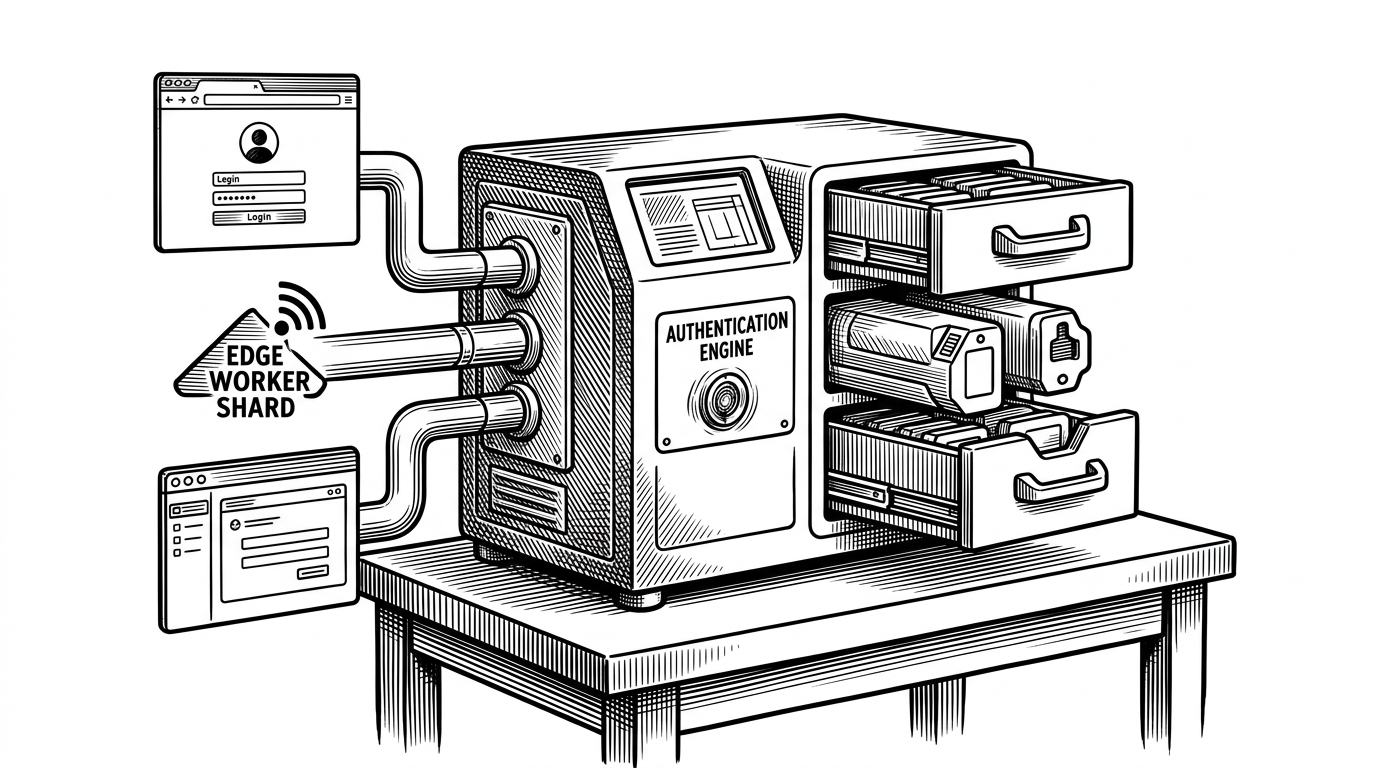
Ciapre-Helix: The Theme Port That Solves the Last Mile
A small Helix repo that shows how syntax highlighting is part palette, part packaging, and part zero-friction setup.
- Ciapre-Helix turns installation into part of the design, which is why a tiny theme repo feels finished instead of merely published.
- Its strength comes from a small palette fanning out through Helix scope mapping, not from an oversized color set.
- The dark variant proves that a single background shift can change the temperature of an editor more than a dozen accent tweaks.
- The repo's real differentiator is reduced friction between discovery and daily use, which is a UX win disguised as a theme port.
The last mile is the product
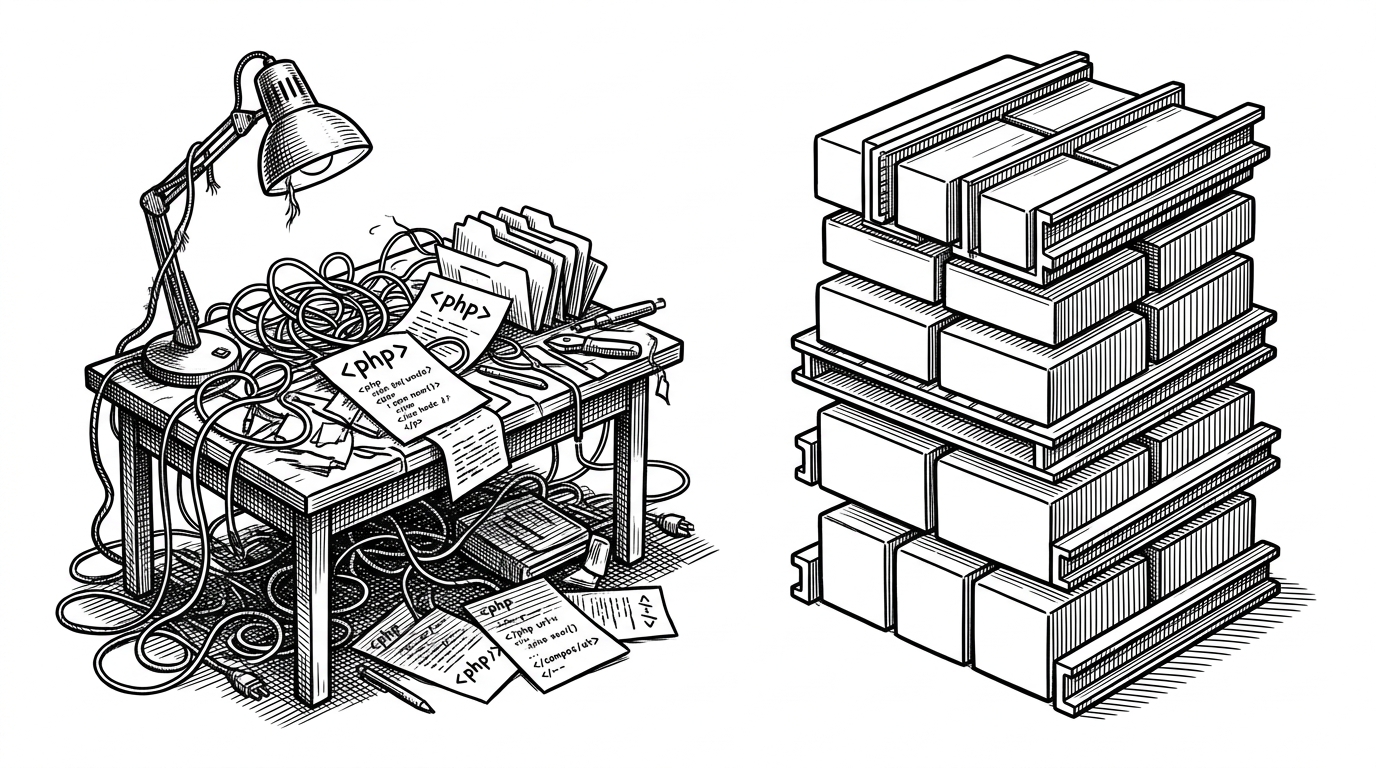
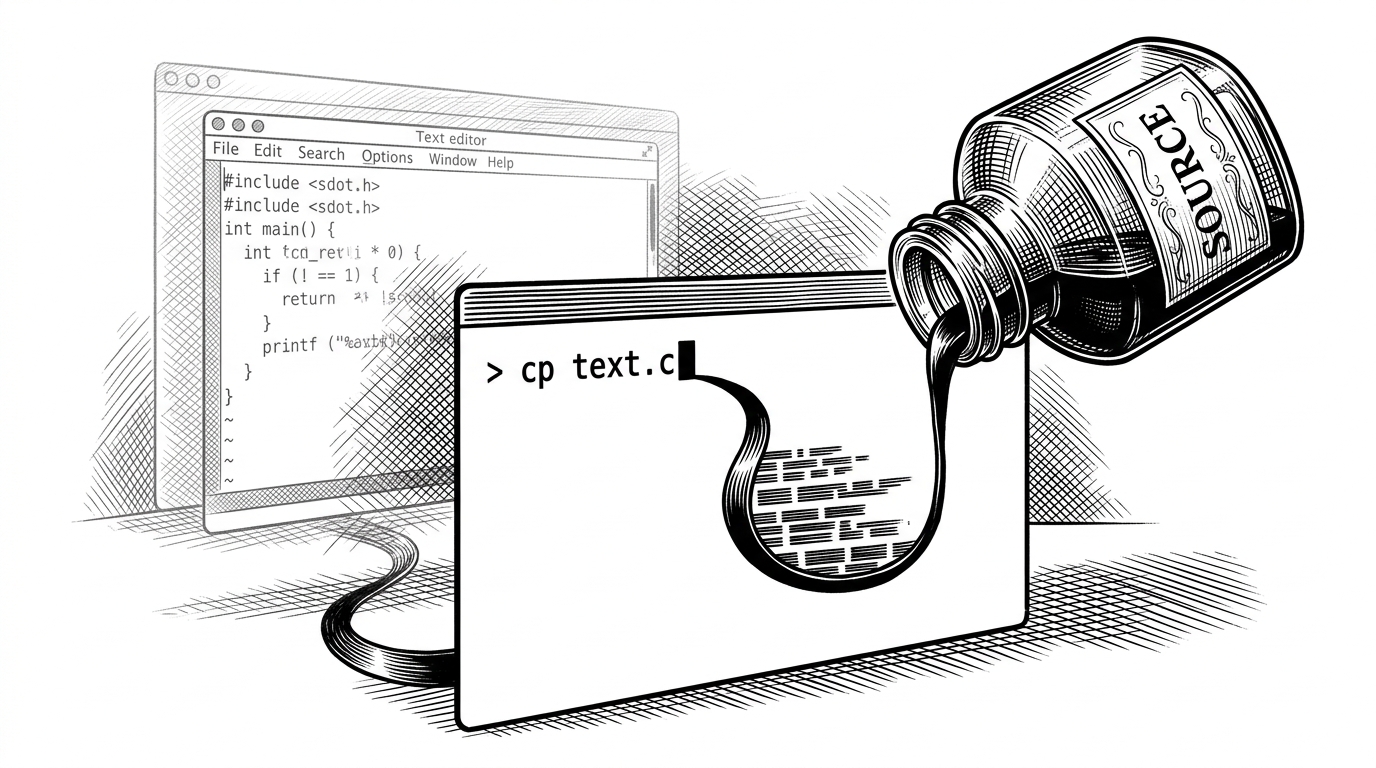
Most theme repos stop at files. Ciapre-Helix does the unglamorous part too: it gives you a path from themes/ into a live Helix setup, so the theme is usable instead of merely downloadable.
That changes the product. The palette matters, but the install path decides whether someone tries the theme once or actually keeps it.
The shell script is the clue. It looks for the right Helix config location, updates config.toml, and sets the default theme without forcing the user to hand-stitch the final step.
Small script, big difference. In a repo this compact, the installer is not a bonus feature. It is part of the design.
A TextMate palette that still works
Ciapre comes from the TextMate era, which matters because the palette already had a clear job: stay readable during long sessions without shouting for attention. Porting it to Helix is less about nostalgia than about preserving a proven taste across editors.
That lineage gives the repo its tone. Warm foregrounds, deep background, and restrained accents make the theme feel older than Helix, but not dated.
How a Helix theme is actually assembled
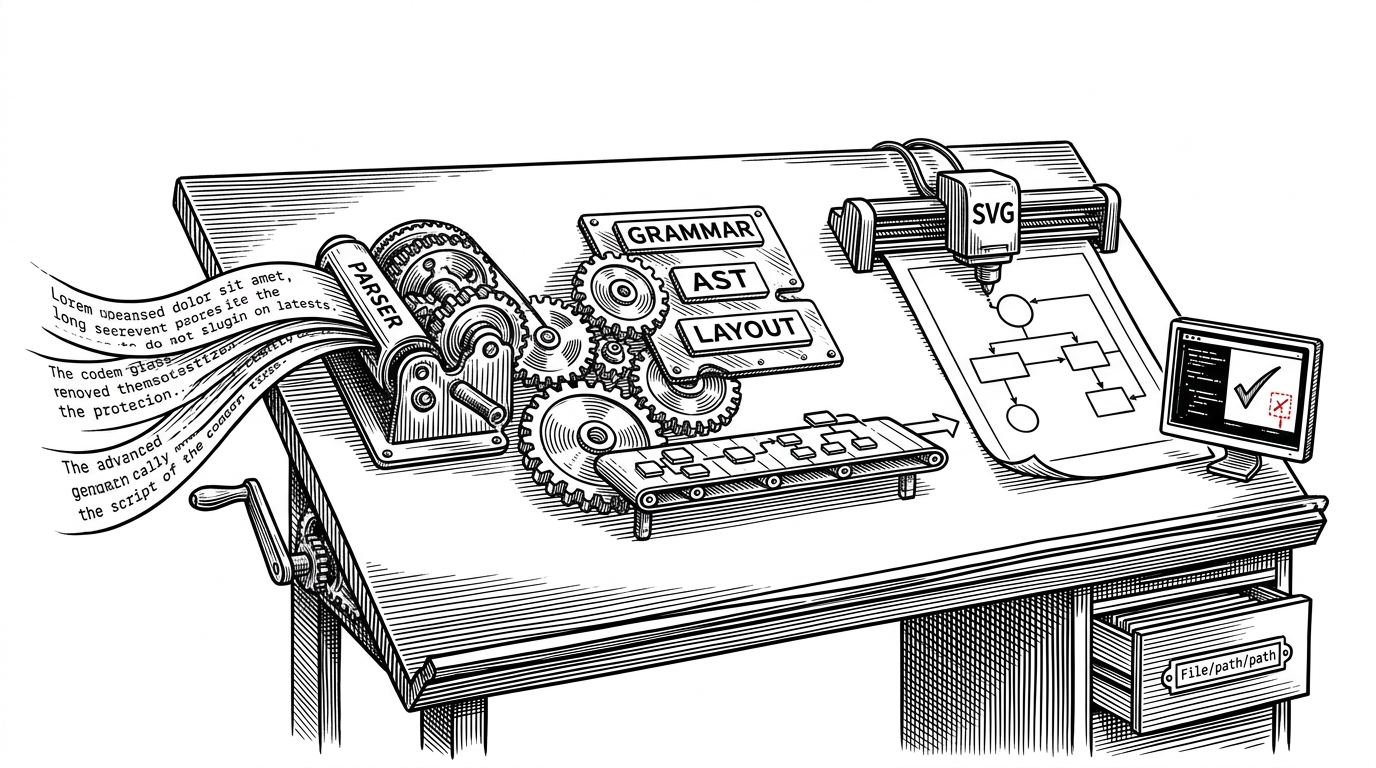
Helix themes are mostly an exercise in mapping. You define palette names once, then point scope families like syntax, ui, and diagnostics at those names.
The result is not a giant list of one-off colors. It is a small set of tokens that fan out across the editor, from keywords and comments to selections, warnings, and chrome.
Modifiers matter too. An italic, low-contrast comment does more for readability than a louder color ever could, because it adds texture without adding noise.
This is the real trick. A few palette values do not stay trapped in the theme file. They flow into comments, keywords, diagnostics, selection state, and the interface around the code.
One palette, two temperatures
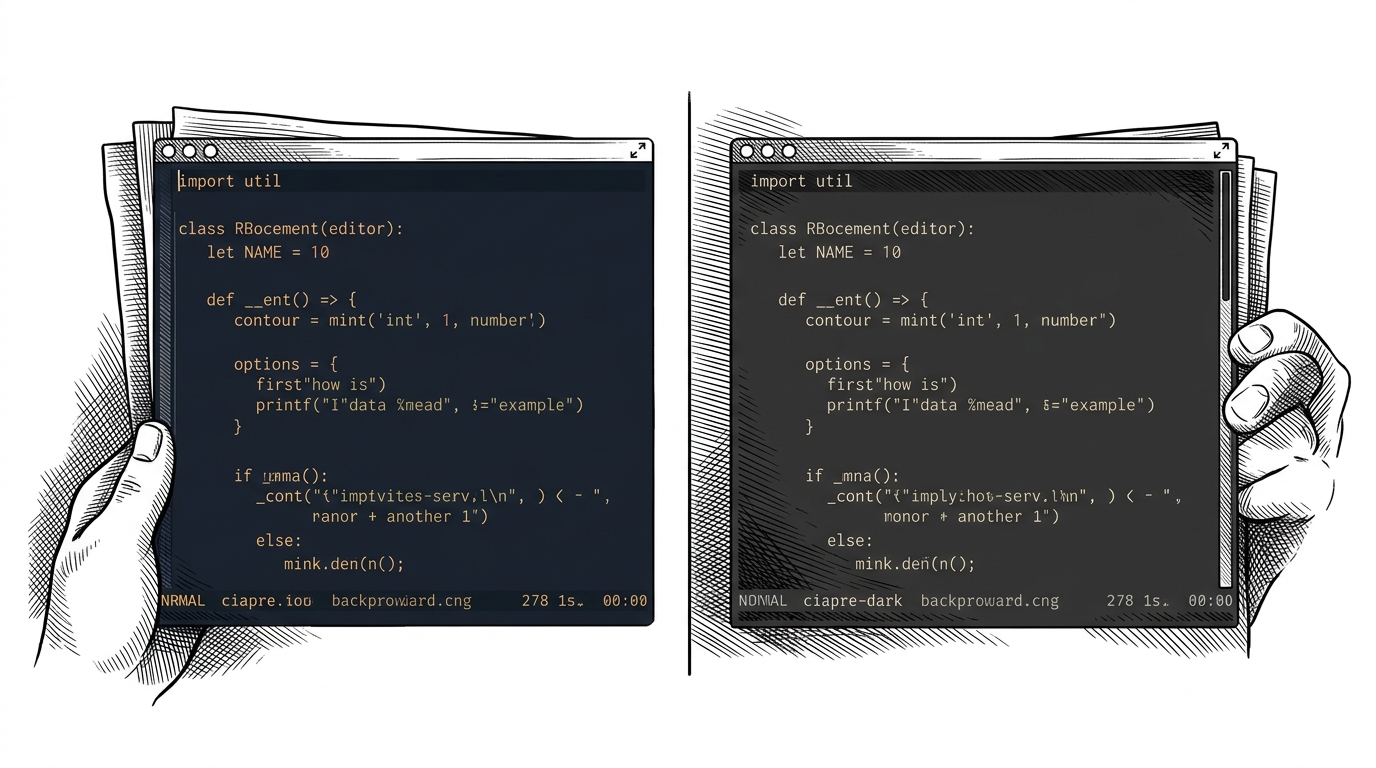
The dark variant does not reinvent Ciapre. It nudges the background from a blue-tinted night toward a more neutral charcoal, and that is enough to change the mood of the whole editor.
That is the part casual theme repos miss. A theme is not just a list of colors. It is a set of visual relationships, and background tone is one of the loudest relationships in the room.
Why this is better than a bare theme dump
| Project | Setup friction | Visual effect | Best fit | Trade-off |
|---|---|---|---|---|
| Ciapre-Helix | Low, because setup.sh helps activate the theme | Warm, low-contrast, carefully mapped | People who want a ready path into Helix | A little more code than a folder of files |
| Ciapre-Helix dark variant | Low, same install flow | Same palette, cooler charcoal background | People who want the same look with less blue cast | The change is subtle by design |
| Bare theme dump | High, manual copy and paste into config | Whatever the user manages to wire up | Maintainers who only want to publish files | Easy to ignore after one look |
| High-contrast theme approach | Usually medium, often manual | Sharper, louder, more immediate | Users who prioritize scan speed over atmosphere | Can feel generic or fatiguing over time |
The table says it plainly. The repo's advantage is not more color math. It is less ceremony between curiosity and daily use.
What Ciapre-Helix teaches about open-source polish
A tiny repo can still feel complete if it solves the boring edges. In this case, the edge is not the palette file. It is the moment someone asks, 'How do I get this into Helix without fiddling for ten minutes?'
That is a useful standard for open source. Good taste gets attention. Good packaging earns adoption.