geo-seo-claude: Engineering the Citable Web
As Generative Engines replace traditional search, this Claude-native toolkit moves beyond keywords to optimize for AI attribution and entity authority.
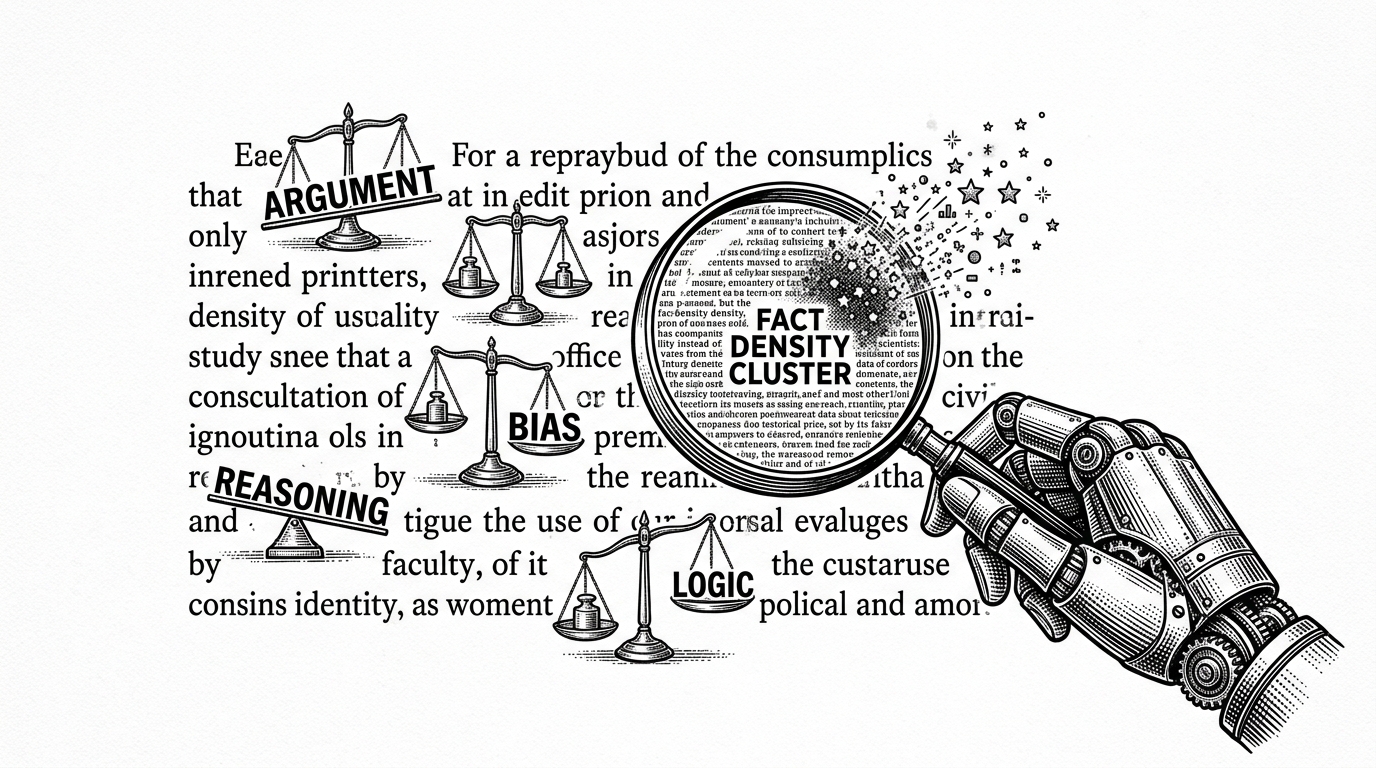
- The toolkit uses a citability scorer to prioritize high fact density and low pronoun usage for better AI attribution.
- A multi-agent architecture employs specialized Claude subagents to audit technical performance, content quality, and schema markup simultaneously.
- Entity authority through Wikidata and Wikipedia integration replaces traditional backlinks as the primary currency of trust.
- The system functions as a terminal-based agency by generating professional proposals and PDF reports for SEO consultancy.
The Geometry of a Citation
The transition from traditional search to generative AI requires a fundamental shift in how we write for the web. The geo-seo-claude repository codifies this shift through a mathematical attempt to define what makes a sentence attractive to a Large Language Model. At the core of this system is the citability_scorer.py script. It evaluates content not for keyword density, but for its structural readiness to be extracted and cited as an authoritative source.
The scorer targets a specific sweet spot of 134 to 167 words. It heavily penalizes pronoun density because LLMs struggle to cite fragments that rely on external context (like 'this' or 'they') without the preceding paragraph. Instead, it rewards statistical density, hunting for percentages, dollar amounts, and years. These hard facts act as citation magnets for models looking to ground their answers in verifiable data.
Orchestrating the Audit
Rather than running a monolithic script, geo-seo-claude operates as a multi-agent orchestration layer built specifically for Claude Code. When a user triggers an audit, the system spawns specialized subagents defined in Markdown to analyze different dimensions of a website simultaneously.
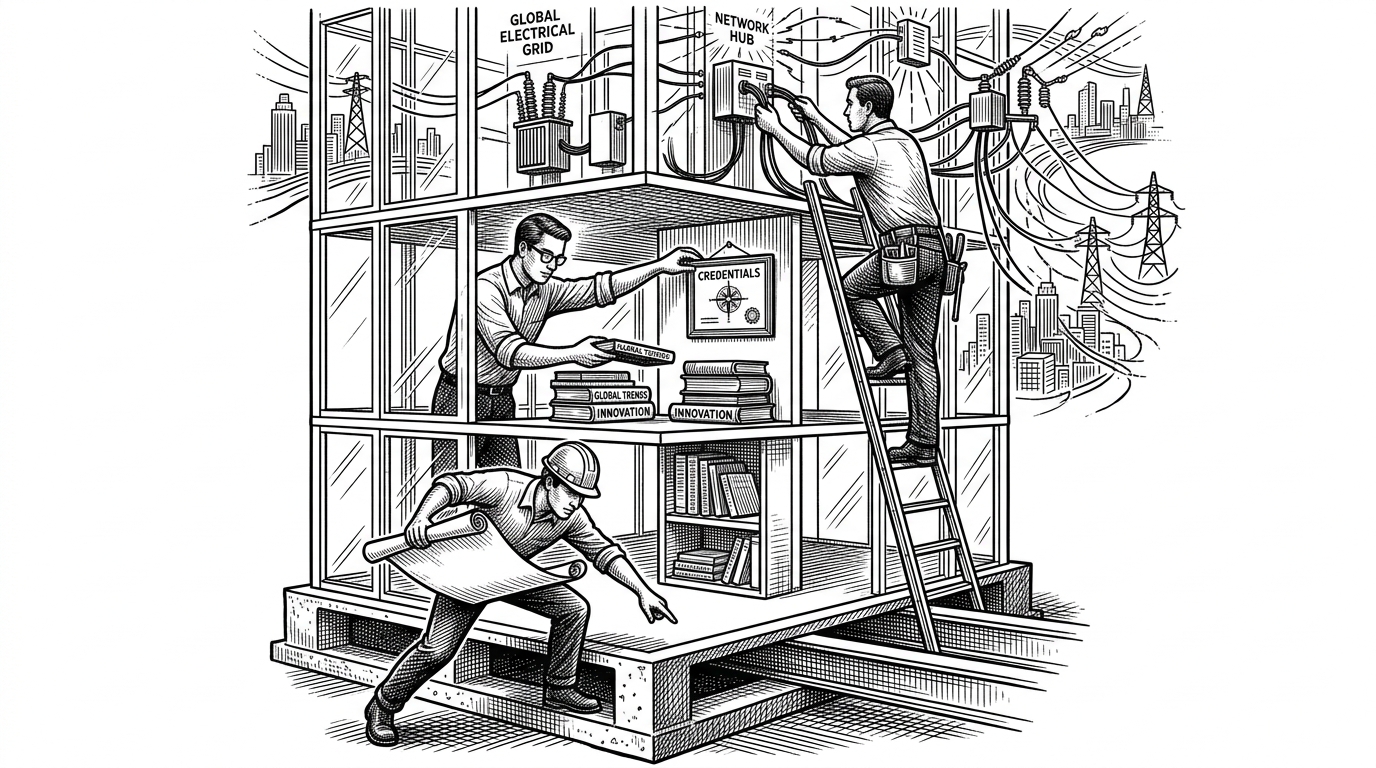
The technical agent verifies server-side rendering and HTML accessibility, knowing that AI crawlers often fail to execute JavaScript. The content agent evaluates the prose against E-E-A-T standards, prioritizing original research over generic summaries. The schema agent ensures the underlying data structure is perfectly formatted for machine parsing.
From Backlinks to Entities
Traditional SEO relies on backlinks as the primary currency of trust. Generative Engine Optimization relies on entities. The repository acknowledges that AI models prioritize entity authority over link authority, integrating directly with Wikidata and Wikipedia APIs to verify brand presence.
| Metric | Traditional SEO | Generative Engine Optimization (GEO) |
|---|---|---|
| Primary Goal | SERP Rankings | LLM Citations |
| Currency of Trust | Backlinks (Domain Rating) | Entities (Knowledge Graph Presence) |
| Key Metric | Click-Through Rate | Attribution Share |
| Content Focus | Keyword Density | Fact Density & Self-Containment |
GEO-first, SEO-supported. Optimize websites for AI-powered search engines (ChatGPT, Claude, Perplexity, Gemini, Google AI Overviews) while maintaining traditional SEO foundations.
The system identifies the JSON-LD sameAs property as the single most critical element for GEO. It systematically links a website to its corresponding Wikipedia, LinkedIn, and Crunchbase profiles, securely fastening the brand to the established knowledge graph.
The Terminal-Based Agency
Beyond technical auditing, geo-seo-claude functions as an agency-in-a-box. It includes specialized skills for prospecting, proposal generation, and professional PDF reporting. This business logic transforms a developer's terminal into a high-end SEO consultancy.

By leveraging Claude Code to orchestrate these workflows, the project bridges the gap between raw Python scripts and client-ready deliverables. It anticipates a web where sites explicitly negotiate with AI crawlers, ensuring that when an LLM looks for an answer, it finds a perfectly formatted citation.