Why the Scraper Matters More Than It Looks

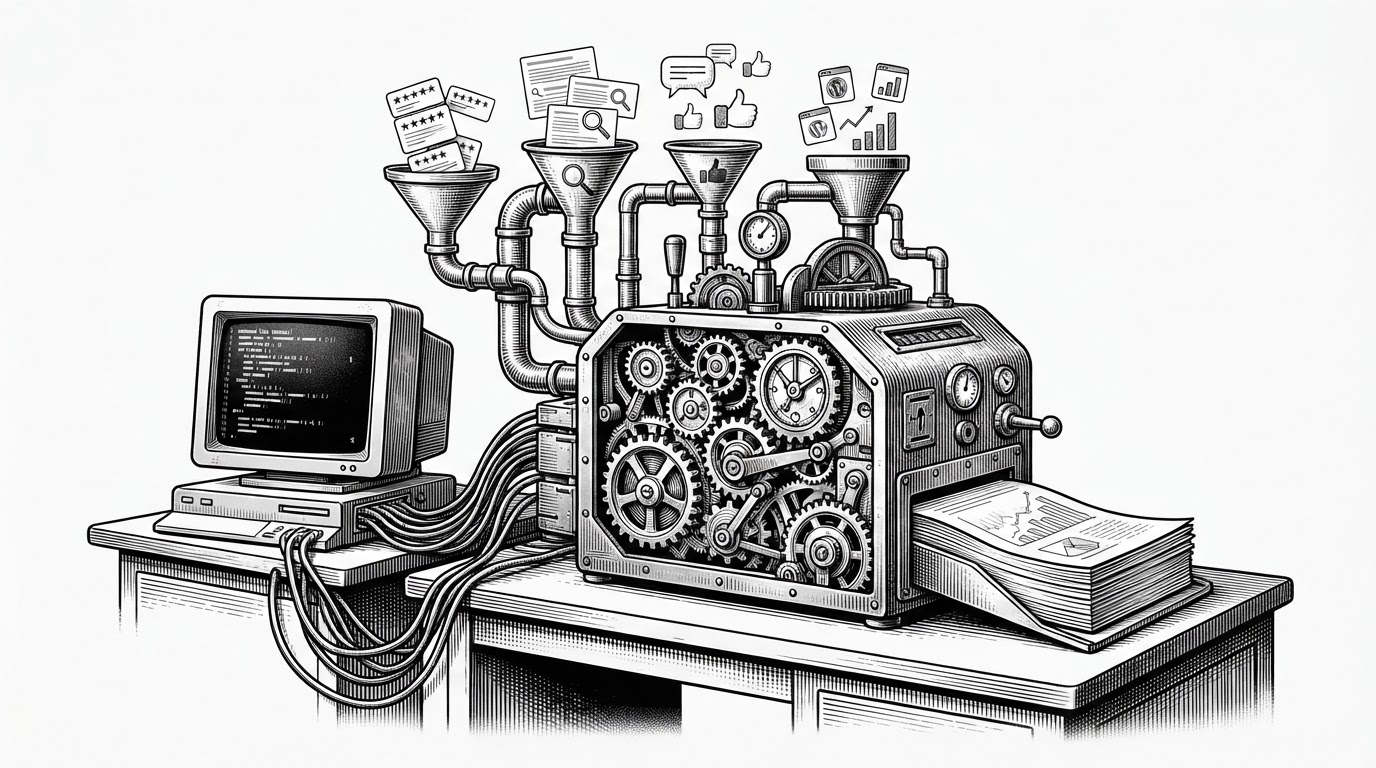
The scraper does more than fetch HTML. It removes the junk that usually bloats a page: scripts, nav, footer, and everything else that would waste context window budget. That is a small detail with a big payoff. Better context in means better synthesis out.
for tag_name in ["script", "style", "nav", "footer"]:
    for tag in soup.find_all(tag_name):
        tag.decompose()

text = soup.get_text(" ", strip=True)
return text[:3000]
That 3,000 character cap is a sensible compromise. It keeps the downstream model focused, but it also means nuance can disappear in long sources. The repo is honest about that tradeoff by choosing reliability over completeness.
How LangChain Is Used Here, and Why the Split Makes Sense
| Stage | Implementation | Why it fits |
|---|---|---|
| Search | Agent with tools | It needs freedom to explore sources and choose calls. |
| Read | Agent with tools | It must decide how to use scraping on a specific URL. |
| Write | LCEL chain | It only needs to synthesize known inputs into a report. |
| Critic | LCEL chain | It evaluates output directly, so tool use would add complexity without much gain. |
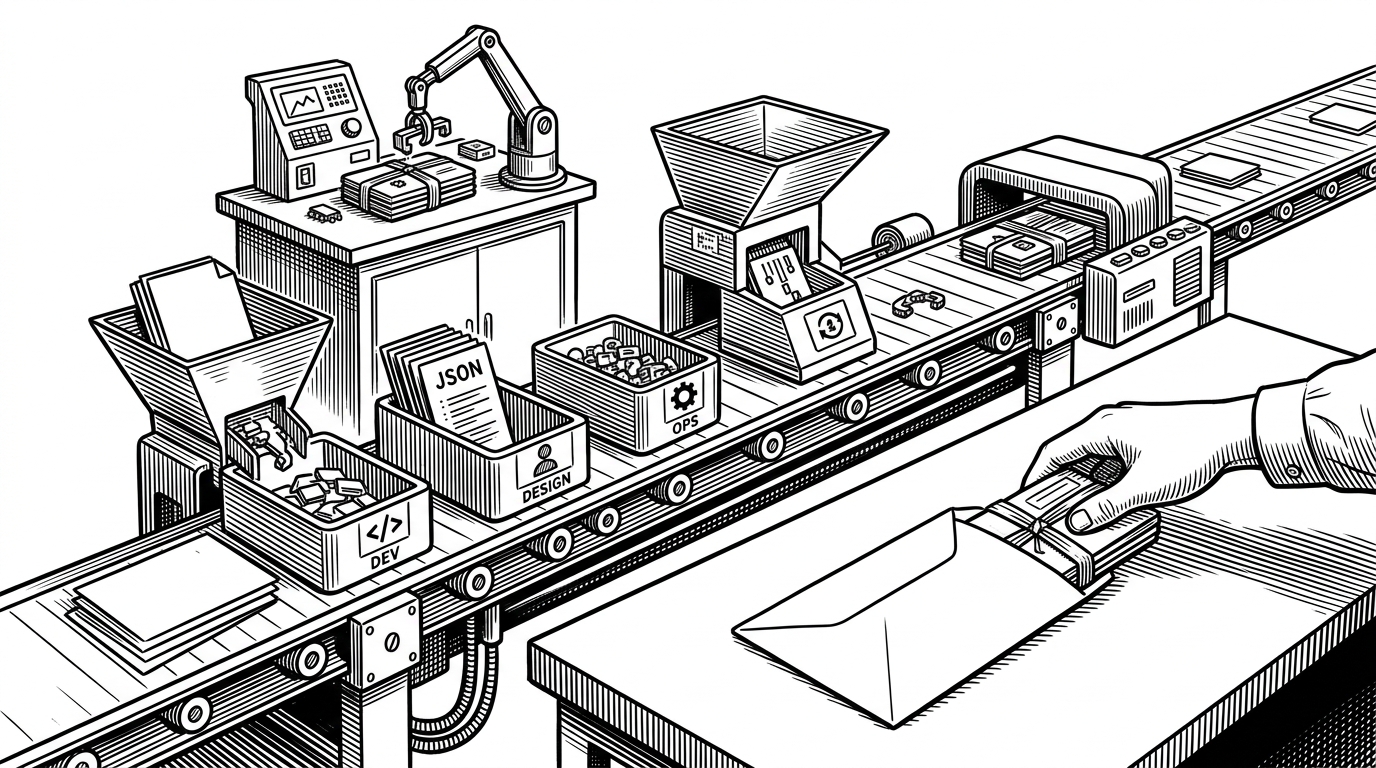
That split is clean engineering. Agents are used where the system needs to reason about tools. Chains are used where the job is transformation, not exploration. The repo avoids the trap of making every stage an agent just because it can.
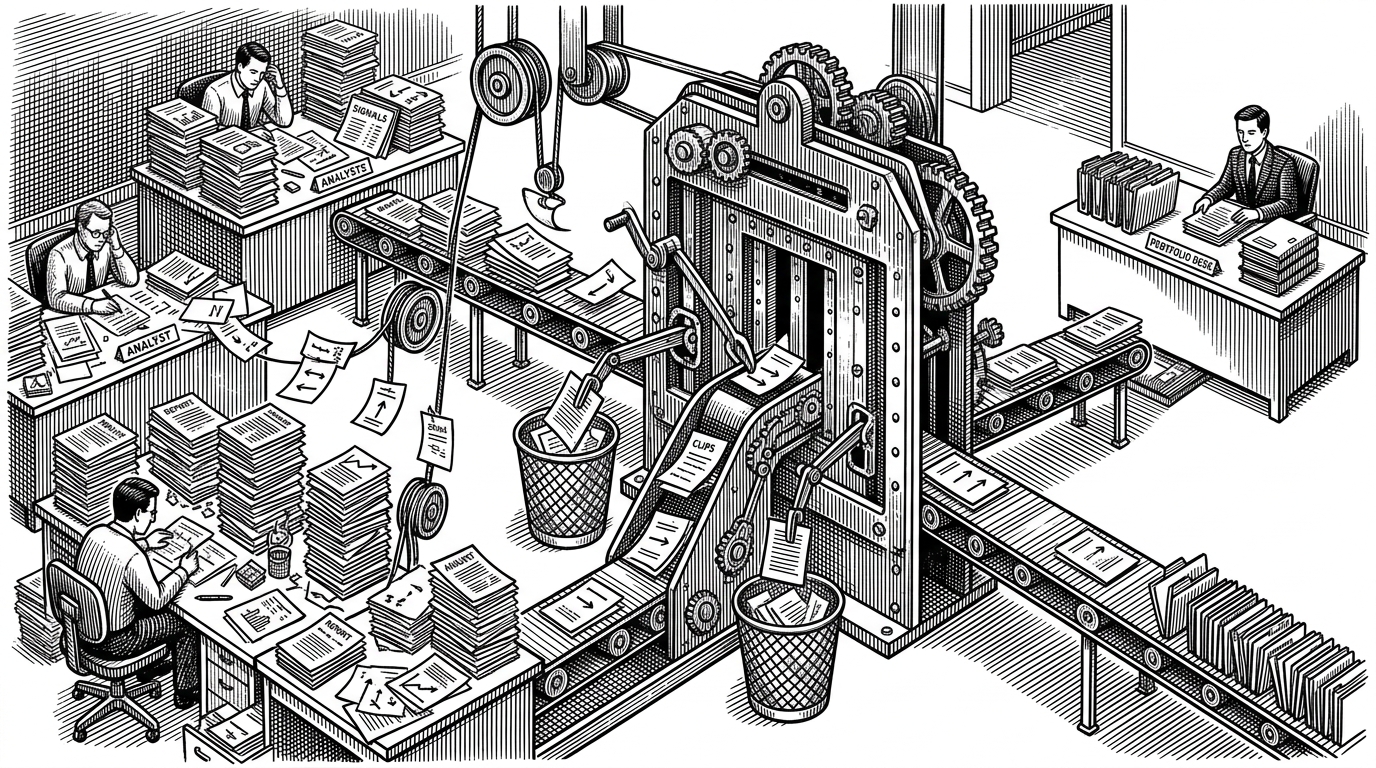
The critic is the most interesting part of the architecture. It turns the system from a one-shot generator into a workflow with judgment. Even without an automatic rewrite loop, that gives the output a check that most chatbot demos do not have.
The UI Makes the Workflow Legible
The Streamlit app matters because invisible orchestration is hard to trust. The step cards and custom styling turn a hidden pipeline into a visible process. That is not just polish. It is product design for uncertainty.
When a user sees the stages move, the system stops feeling mystical. It feels inspectable. For multi-agent tools, that may be the difference between a demo and something people actually use.
What It Gets Right, and What It Deliberately Leaves Out
| Question | This repo | Tradeoff |
|---|---|---|
| How does work flow? | A fixed linear pipeline | Easy to debug, less adaptive. |
| How is context controlled? | Scrape first, then truncate | Safer for prompts, lossy for very long pages. |
| How is quality checked? | A critic scores the draft | Useful guardrail, but not a full revision loop. |
| What is the product goal? | Legible research automation | Less ambitious than a fully autonomous research agent. |
That restraint is part of the design. The repo does not pretend to solve autonomous research in the abstract. It solves a narrower problem well: turn a query into a structured report with visible stages and a quality pass at the end.
The bigger lesson is simple. Strong AI tools are not always about stronger prompts. They are about better workflow design, better context control, and better review. ResearchMind gets that right.