CLI-Anything: The Great GUI Liquidation
How HKUDS is stripping the visual skin off professional software to arm the next generation of AI agents.
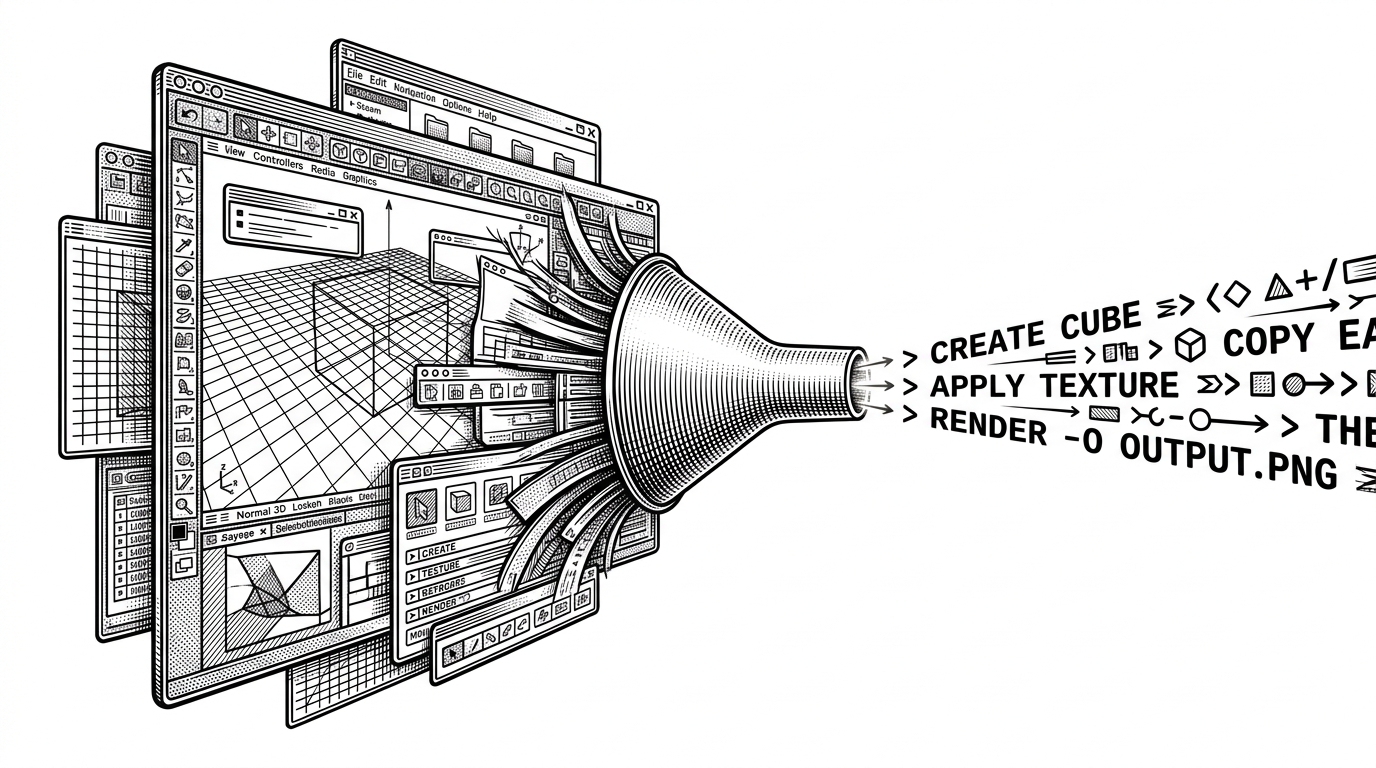
- CLI-Anything converts complex visual software into headless Python libraries for AI agents.
- The framework uses a seven-phase pipeline to map internal source code directly to a command-line interface.
- Shadow State architecture allows agents to manipulate lightweight JSON blueprints instead of running heavy engines for every command.
- Agents can autonomously discover and install new software harnesses from a central skill registry.
The End of the Human Bottleneck
The graphical user interface was a 50-year detour designed for human eyes and clumsy fingers. As AI agents become the primary users of software, menus and buttons are a legacy bottleneck. Visual layouts are inherently noisy for large language models to parse.
CLI-Anything is an automated engine that de-renders professional software. It treats monolithic applications like Blender, GIMP, and Audacity as headless libraries rather than visual workspaces. It strips away the pixels to expose the raw functionality underneath.
The 7-Phase Liquidation
The magic lies in how the framework ingests a tool. It does not blindly click pixels. It deploys an automated 7-phase pipeline to read the target application's source code directly.
The pipeline analyzes the codebase, designs an interface, implements a Python wrapper, and writes comprehensive tests. It outputs a standardized Python CLI that maps directly to the software's internal APIs.
The Shadow State Architecture
Running a heavy 3D engine for every single agent command is computationally disastrous. CLI-Anything solves this with an elegant Shadow State architecture. It decouples the intent of an edit from the execution of the software.
An agent manipulates a lightweight JSON blueprint of the project state. The heavy application engine only spins up in a headless mode when it is time to render or finalize the output. This allows agents to perform hundreds of modeling steps in milliseconds.
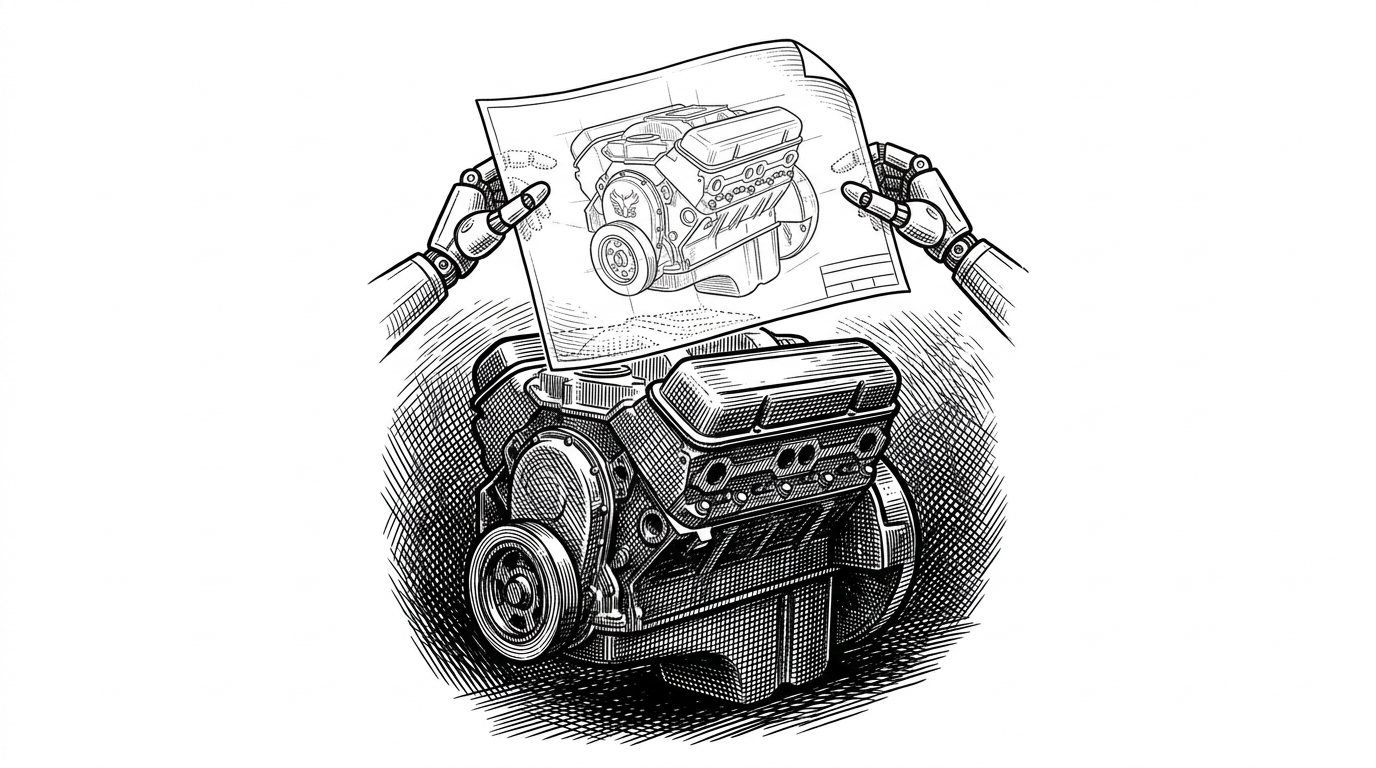
Brittle Pixels vs. Robust Code
Traditional Robotic Process Automation relies on computer vision to click buttons on a screen. This pixel-pushing approach breaks the moment a UI theme changes or a window resizes.
By mapping directly to the source code, CLI-Anything provides a robust, deterministic interface. The agent interacts with stable internal functions rather than fragile visual layouts.
| Approach | Stability | Speed | Resource Intensity |
|---|---|---|---|
| Computer Vision (RPA) | Low (Breaks on UI changes) | Slow | High (Requires headed browser/app) |
| Native APIs | High | Fast | Low |
| CLI-Anything | High (Maps to internal code) | Fast (JSON Shadow State) | Low (Headless execution) |
The Self-Arming Agent
The ultimate goal is autonomy. The CLI-Anything ecosystem includes a meta-skill registry that allows agents to discover and install their own upgrades on the fly.
If an agent realizes it needs to edit an audio file, it can autonomously browse the registry, install the Audacity harness, and complete the task without human intervention.
Today's Software Serves Humans👨💻. Tomorrow's Users will be Agents 🤖. CLI-Anything: Bridging the Gap Between AI Agents and the World's Software