Best-Audio-Paper-2025: The Year Audio AI Became an Omni-Model Race
A curated leaderboard that ranks the audio field three ways at once, and reveals why the strongest projects now win on research, demo quality, and open-source execution together.
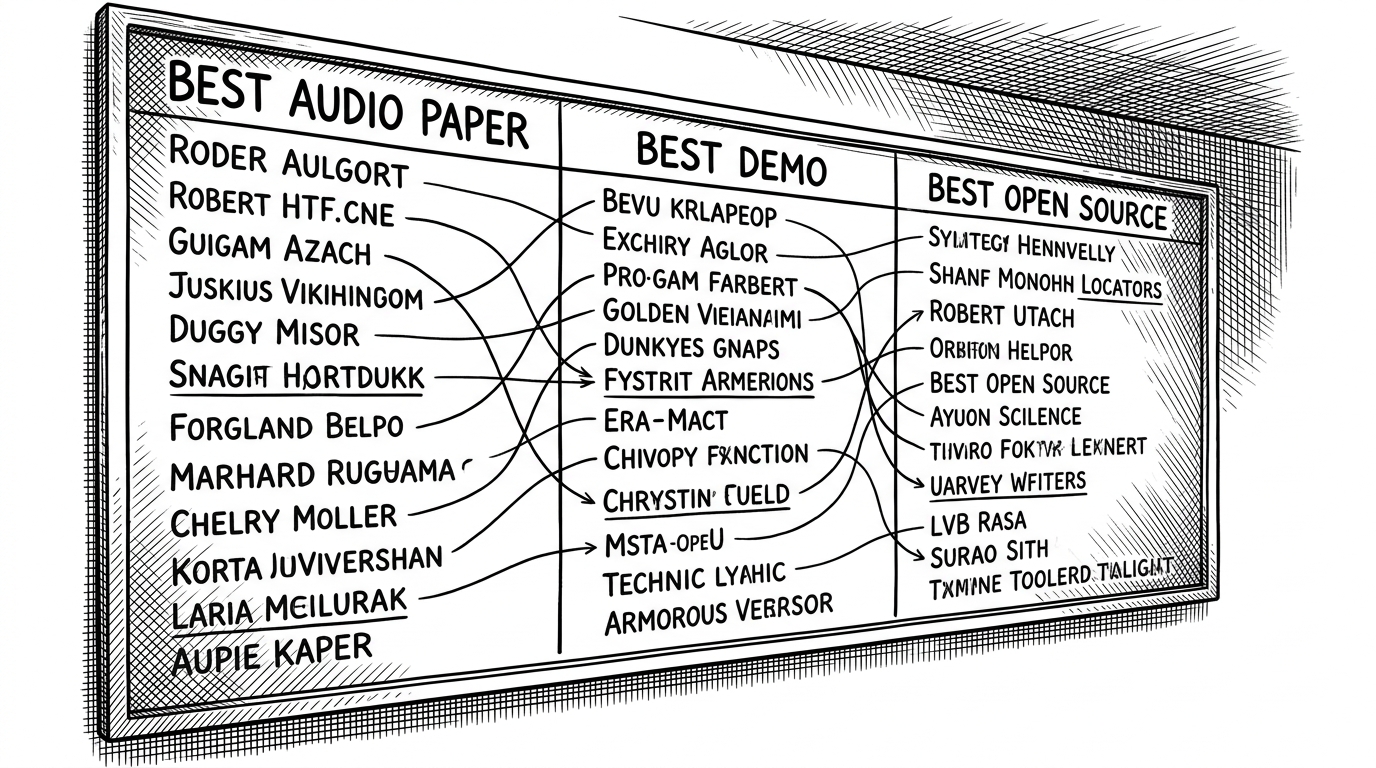
- Best-Audio-Paper-2025 turns a year of audio research into a three-axis scorecard, and the overlap between categories is the real signal.
- The repo argues that audio AI is converging on omni-models that can span speech, text, and vision without losing credibility or release quality.
- Its value is editorial, not just archival, because curation exposes which projects matter across research, demos, and reproducibility at once.
- The lightweight static-site format works because the judgment is the product, and the repo makes that judgment easy to fork and ship.
The Year Audio Stopped Being Narrow
The strongest pattern in JusperLee/Best-Audio-Paper-2025 is not a single winner. It is repetition. The same model families keep showing up across best paper, best demo, and best open-source lists, which means audio AI is no longer organized around isolated subfields.
That matters because it changes what success looks like. In this repo, a serious project is not just accurate. It is interesting to researchers, legible in a demo, and usable enough to matter outside the paper.
That overlap is the story. The leaderboard is less a hall of fame than a field map.
What This Repo Actually Is
This is a single-page static publication hosted on GitHub Pages. It reads like an editorial yearbook, but its structure is closer to a product brief: three rankings, three lenses, one curated view of the audio landscape.
The three categories are the point. Best Audio Papers rewards research impact. Best Demo Papers rewards interaction and polish. Best Open-Source Papers rewards reproducibility and release quality.
Best-Audio-Paper-2025/
├─ index.html
├─ README.md
└─ .github/workflows/static.yml
That simplicity is not accidental. It keeps the repo forkable, readable, and easy to refresh without turning the project into a software platform.
Why Three Rankings Tell the Truth
A single leaderboard flattens everything into one metric. This repo refuses that. It separates the field into research merit, demo quality, and open-source execution, then lets the overlap do the talking.
| Lens | What it rewards | What it misses |
|---|---|---|
| Classic ASR leaderboard | Transcription accuracy and speed | Demo quality, broader utility, and release quality |
| Benchmark suite | Breadth of evaluation and test coverage | Editorial judgment about what matters now |
| Best-Audio-Paper-2025 | Research impact, product feel, and reproducibility | It is intentionally subjective, because curation is the product |
That makes the repo unusually honest. It does not pretend that one axis can explain the whole field. It shows where a project is strong, then asks whether that strength survives contact with users, reviewers, and open-source adopters.
The Omni-Model Pattern
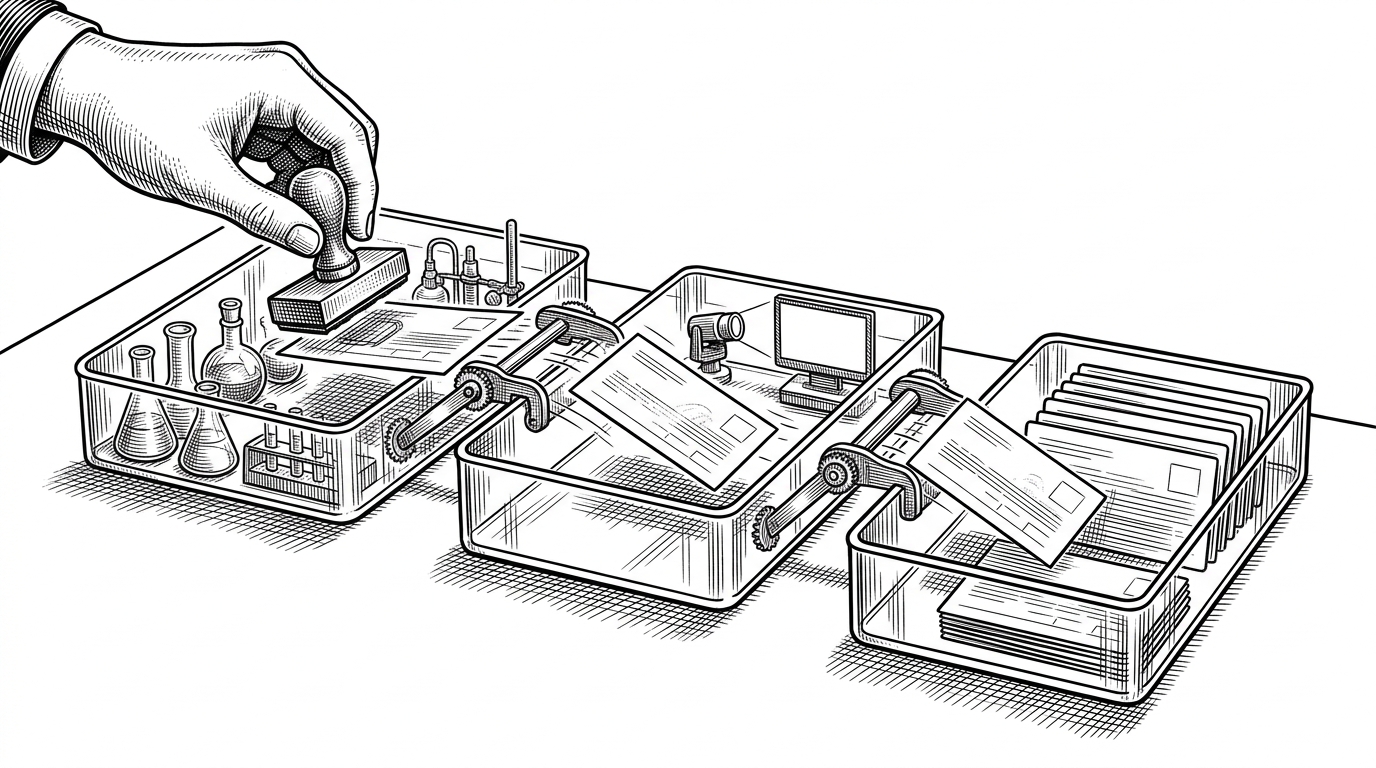
The repo’s deeper claim is that the audio field is converging on omni-models. Systems like Qwen3-Omni, Step-Audio, and their peers are not just stronger versions of old audio models. They are new shapes of model, built to move across speech, text, and vision without staying trapped in one task lane.
That is why the overlap matters so much. When the same family of models shows up in several categories, it suggests that the winning profile is no longer narrow specialization. It is a blend of research credibility, product polish, and public release quality.
The field is rewarding projects that feel complete.
Curation as Code
The implementation matches the thesis. The site uses static HTML, CSS variables, and GitHub Actions instead of a framework-heavy stack. That keeps the artifact lightweight and easy to update, which is exactly what a living editorial list needs.
name: deploy-static-site
on:
  push:
    branches: [main]
jobs:
  build:
    runs-on: ubuntu-latest
    steps:
      - uses: actions/checkout@v4
      - uses: actions/upload-pages-artifact@v3
      - uses: actions/deploy-pages@v4
The technical choice is also an editorial choice. A repo like this should not require a deployment team. It should be forkable, fixable, and legible enough that the curation itself can travel.
How It Compares to Benchmarks and Leaderboards
| Format | Primary purpose | What makes this repo different |
|---|---|---|
| ASR leaderboard | Measure transcription performance | This repo measures significance, not just accuracy |
| Benchmark suite | Stress-test models across tasks | This repo is a curated publication, not a test harness |
| Paper roundup | Highlight notable work | This repo adds explicit categories and a repeatable delivery format |
Benchmarks tell you what a model can do. This repo tells you what the community is choosing to celebrate. That difference sounds subtle until you are trying to understand where a field is actually moving.
There is a reason this format feels useful. It turns taste into structure.
Why This Format Matters
GitHub is becoming a publishing platform for technical judgment. In that setting, the best artifact is not the heaviest one. It is the one that makes a clear argument, stays easy to update, and does not hide the curator’s criteria.
Best-Audio-Paper-2025 does all three. It is small on purpose, but the editorial signal is large. The repo shows that the audio field is now being shaped by projects that can win across research, demos, and open source at the same time.