react-native-reanimated: Reanimated: The Engine That Stole the Render Loop
How Software Mansion turned React Native’s biggest weakness into a 120fps superpower through the magic of UI-thread Worklets.
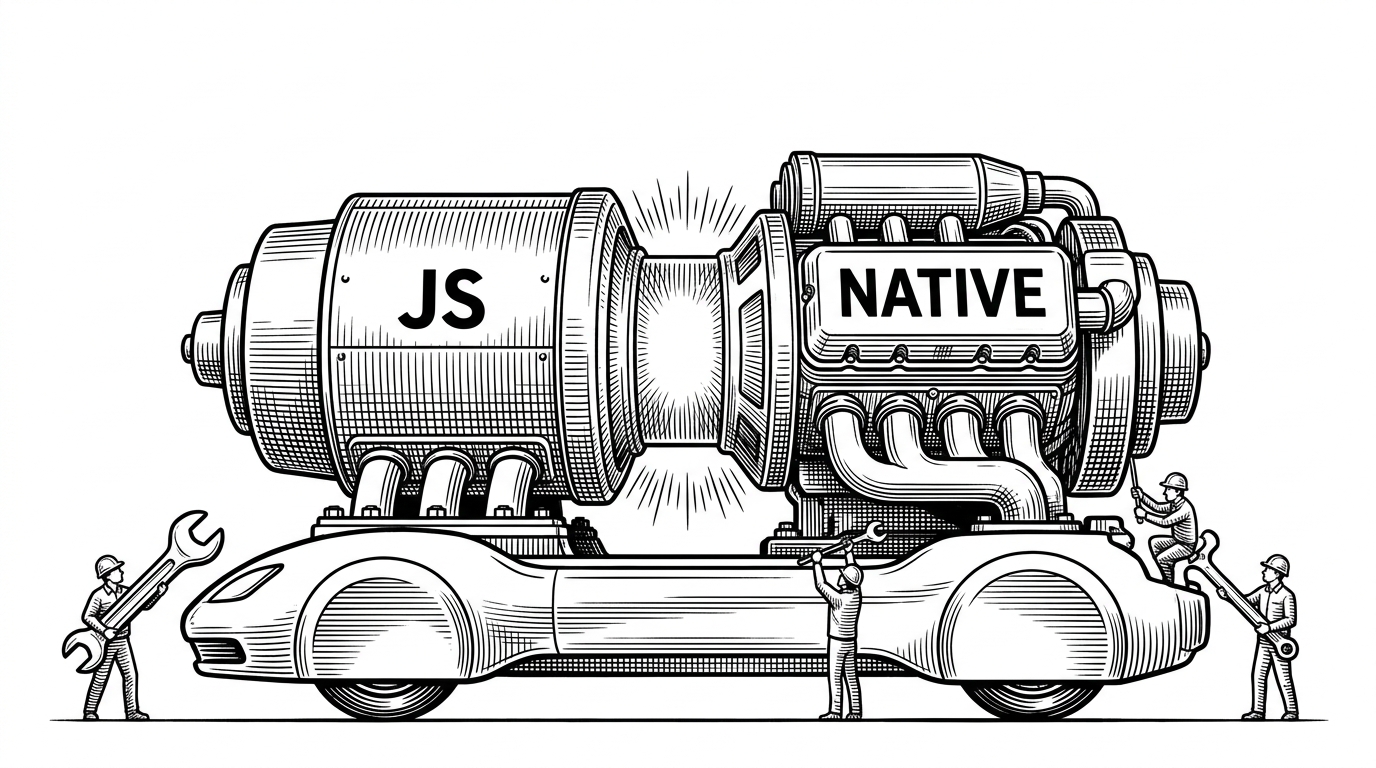
- Reanimated eliminates animation stutter by executing JavaScript logic directly on the native UI thread via a secondary virtual machine.
- Worklets allow small pieces of code to run synchronously with the screen's refresh rate by bypassing the standard asynchronous bridge.
- The latest version shifts the developer experience from complex imperative math to a declarative, CSS-compatible animation API.
- Deep integration with gesture handlers ensures touch interactions remain fluid even when the main JavaScript thread is blocked by heavy tasks.
The Ghost in the Render Loop
Standard React Native animations suffer from a fundamental architectural flaw. The framework relies on an asynchronous bridge to communicate between the JavaScript thread and the native UI thread. When you animate a component, the logic calculates the next frame in JavaScript, serializes the data, sends it across the bridge, and waits for the native side to render it.
This works fine for simple transitions. But when the application is busy fetching data or processing complex business logic, the JavaScript thread chokes. The bridge becomes a traffic jam. Frames drop, animations stutter, and the illusion of a native app shatters.

Worklets: JavaScript’s Second Home
To fix the bridge, Software Mansion realized they had to bypass it entirely. Their solution was to run a secondary JavaScript virtual machine directly on the UI thread. This is the core of Reanimated.
They introduced Worklets. A worklet is a tiny piece of JavaScript code marked with a special directive. A custom Babel plugin captures this function, isolates its dependencies, and sends it over the JavaScript Interface (JSI) to the native side. Once there, it executes synchronously with the screen's refresh rate.
Worklets have become a very important part of the React Native ecosystem and have inspired a lot of other projects to build on these foundations. This major release takes the worklets to the next level, while also bringing a new, declarative, CSS-compatible animation API that aims to replace worklets in many of the use cases.
From Calculus to CSS
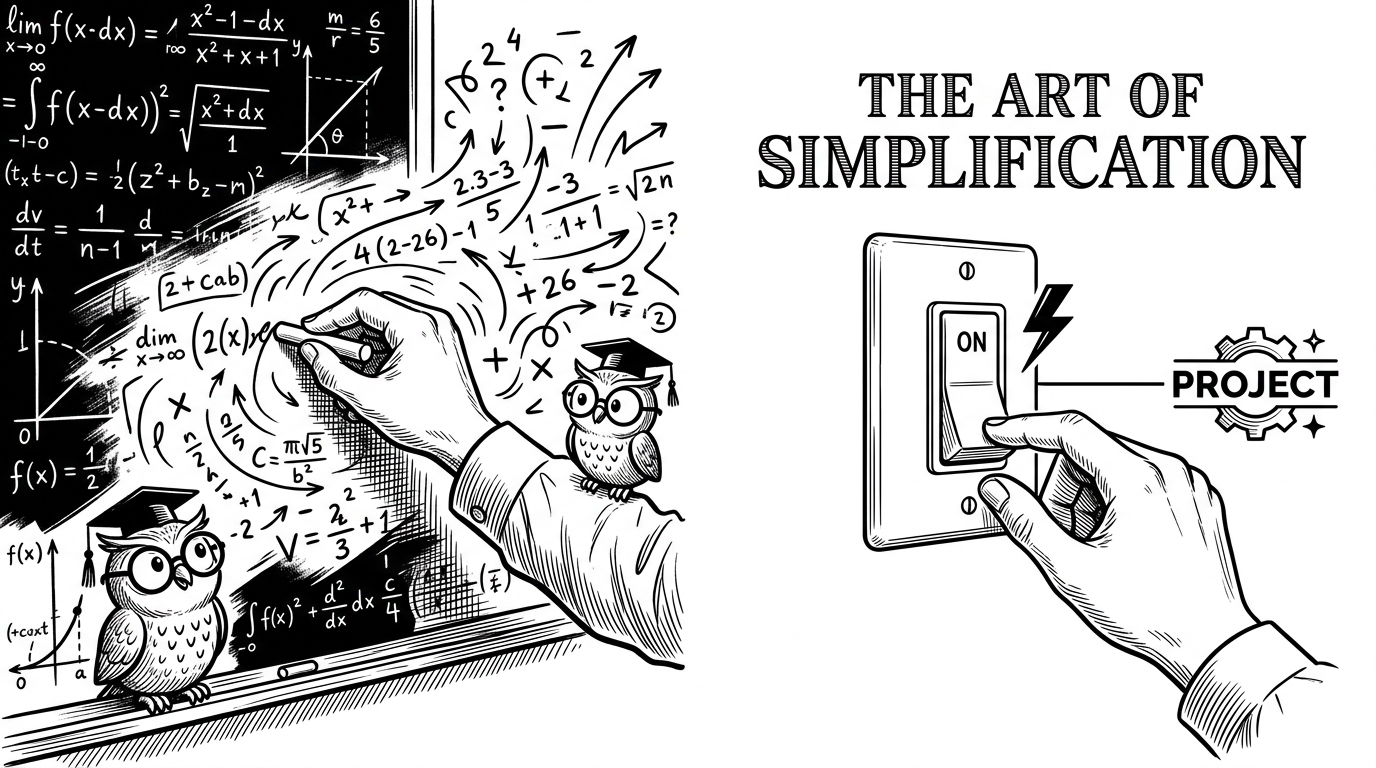
The early versions of Reanimated required a steep learning curve. Developers had to write declarative animations that felt like solving complex math equations rather than styling a user interface.
To build those with Reanimated 1.0 you need to adapt to a totally new mindset of writing animations in a declarative way. We never designed the old declarative API to work that way, instead it was just a reflection of how the library functioned underneath.
Reanimated 4 changes the paradigm entirely. It introduces a declarative, CSS-compatible animation and transition API. Instead of manually orchestrating shared values and imperative hooks for simple state changes, developers can now define keyframes just as they would on the web.
The Physics of Feel
A beautiful animation is only half the battle. Mobile apps need to feel physical, responding to user gestures with zero latency. Reanimated achieves this through deep integration with React Native Gesture Handler.
Touch events are piped directly into Shared Values on the UI thread. When a user swipes a card, the gesture data updates the Shared Value synchronously, and the UI re-renders at 120 frames per second. The main JavaScript thread can be completely blocked by a heavy network request, and the gesture will still feel flawless.
The Animation Hierarchy
With multiple animation solutions available in the React Native ecosystem, choosing the right tool is a matter of architectural fit. While the built-in Animated API handles basic transitions, Reanimated is the definitive choice for gesture-driven, layout-aware interfaces.
| Library | Execution Thread | Layout Animations | Primary Use Case |
|---|---|---|---|
| React Native Animated | JS (mostly) / Native (limited) | No | Simple opacity and transform toggles. |
| Reanimated | UI Thread via Worklets | Yes | Complex, gesture-driven, 60-120fps interactions. |
| Moti | UI Thread (Wraps Reanimated) | Yes | Rapid prototyping with web-like Framer Motion syntax. |
By treating the UI thread as a first-class execution environment, Software Mansion has effectively rewritten the rules of React Native performance. Reanimated proves that with the right architecture, cross-platform tools can match the physical feel of pure native development.