natively-cluely-ai-assistant: Natively: Engineering the Invisible Copilot
How a Rust-powered Electron core bypasses screen-sharing detection to provide real-time, local-first interview intelligence.


Natively started as a pixel-perfect recreation of Cluely's interface — then kept going. If you've used Cluely, you already know how to use Natively. Same overlay, same workflow, same shortcuts. Except it's free, open-source, runs locally, supports any LLM, and has never breached a single user's data.
- Natively utilizes OS-level content protection to exclude its overlay from video buffers and screen-sharing applications.
- A custom Rust-compiled module captures system loopback audio to achieve sub-500ms latency for real-time transcription.
- The session logic prioritizes screenshot data over ambient audio to ensure the LLM focuses on the core technical problem.
- Local vector storage through SQLite allows users to run the assistant entirely on their own hardware without cloud data risks.
Building an AI assistant is largely a solved problem. Building an AI assistant that sits on your screen, listens to your meetings, and remains entirely invisible to Zoom, Teams, and Google Meet is a complex engineering challenge. This is the technical cat-and-mouse game of stealth.
Natively is an open-source project that answers a specific market demand. It is a pixel-perfect, local-first reclamation of expensive commercial interview copilots. The architecture is a masterclass in combining high-level Electron UI with low-level Rust system hooks.
The Art of Being Unseen
The core differentiator of Natively is its invisible UI. The application relies on a sophisticated `WindowHelper.ts` module to manipulate the OS window compositor. By utilizing API calls like `setContentProtection`, the application instructs the operating system to exclude the Natively overlay from any video buffers.
When a screen-sharing application requests the screen output, the OS hands over a frame that simply omits the protected window. The user sees the AI suggestions perfectly, but the observer sees only the underlying code editor.
The 500ms Race
Real-time assistance is useless if it arrives after the conversation has moved on. Natively achieves sub-500ms latency by abandoning standard web APIs for audio capture. Instead, it utilizes a custom Rust-compiled NAPI-RS module.
This native layer taps directly into the virtual audio desktop. It captures system loopback audio (the interviewer) and microphone input (the candidate) simultaneously. The raw audio is streamed to a Speech-to-Text provider, then piped through a `TemporalContextBuilder` to keep the LLM prompt lean and fast.
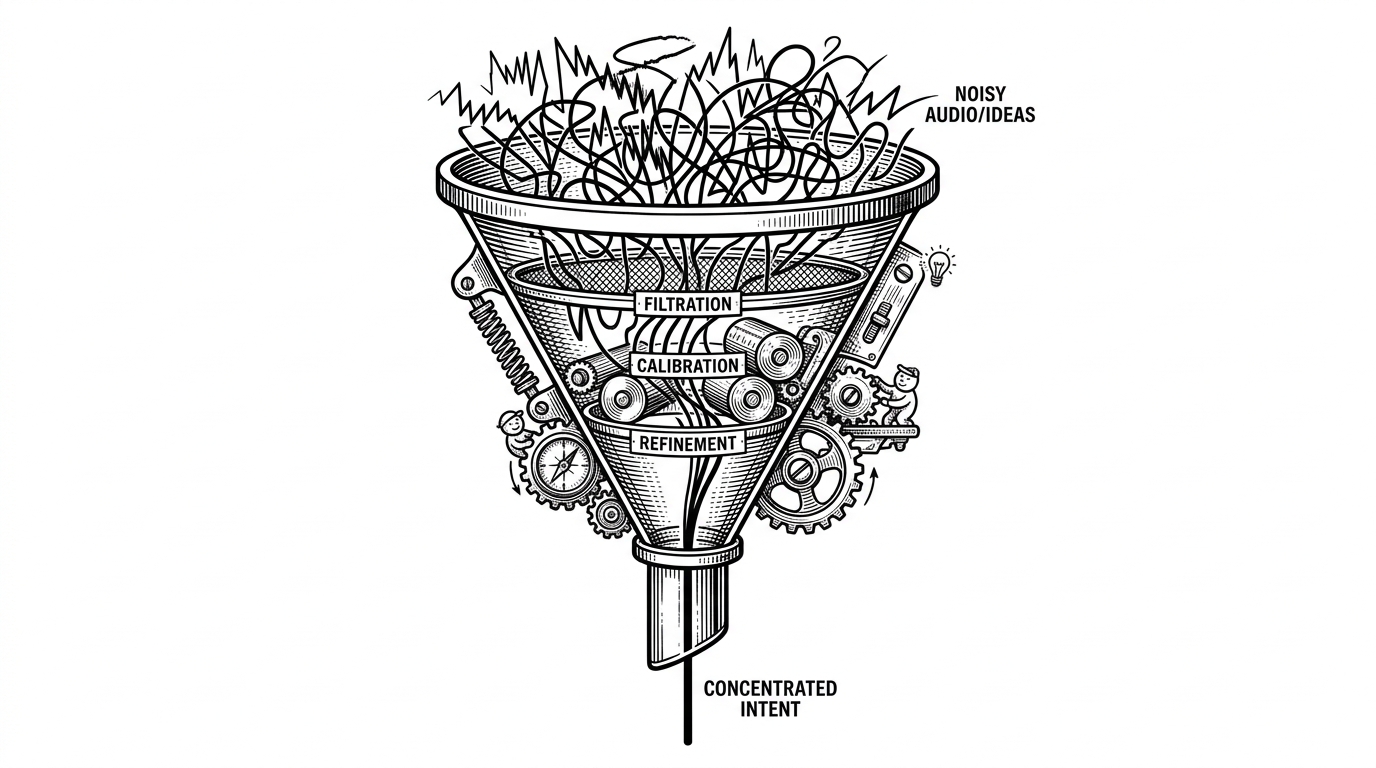
Priority Logic: Screenshots vs. Audio
During a technical assessment, context is volatile. The `SessionTracker` module manages this chaos by implementing strict priority rules. It maintains a 120-second sliding scale of transcript history but treats explicit user actions differently.
If a user captures a screenshot of a coding problem, that image data takes priority over ambient audio. The system makes that specific visual prompt 'sticky' for three minutes. This ensures that transient audio noise or casual conversation doesn't overwrite the core problem the user is trying to solve.
The Great SaaS Reclamation
Natively emerged as a direct response to expensive, closed-source commercial tools. By leveraging `better-sqlite3` and `sqlite-vec` for local vector search, the project keeps all knowledge on the user's machine.
This 'Bring Your Own Key' approach shifts the power dynamic. Users are no longer dependent on a centralized SaaS provider that might suffer a data breach. The intelligence runs entirely under the user's control.
Competitors charge $20–$149/month, store your data on their servers, and one already breached 83,000 users. Natively costs $0, runs locally, and has never had a data breach. Your keys, your models, your machine.
| Feature | Natively (Open Source) | Commercial Rivals (SaaS) |
|---|---|---|
| Data Privacy | 100% Local (SQLite) | Cloud Servers |
| Detection Risk | Stealth OS Compositing | Standard Overlays |
| LLM Flexibility | BYOK (Any Provider/Local) | Vendor Locked |
| Cost | $0 | $20 to $149/month |