Nightstream: The Post-Quantum zkVM That Folds an Infinite Stream
A lattice-based proving system for coroutine-style execution, where CCS, Ajtai commitments, and recursive IVC turn long-running computation into something you can keep proving without abandoning post-quantum security.
- Nightstream’s real novelty is not another zkVM, but recursive proving built for a stream-like execution model under post-quantum assumptions.
- Its lattice-based foundation swaps out the usual elliptic-curve stack, which changes both the security story and the engineering trade-offs.
- The repo pairs Lean specifications with Rust implementation, signaling a design culture that treats formalism and performance as peers.
- The project is still research-grade, but it shows what a future proving stack could look like when long-running computation and quantum resistance are both first-class constraints.
Most zkVMs start with a familiar machine and optimize from there. Nightstream starts somewhere stranger: it asks how you prove a computation that behaves like a stream, not a batch, and how you do that without leaning on the elliptic-curve assumptions that dominate today’s recursive systems.
That choice makes the project feel less like a product and more like a thesis. The repository says it plainly: this is research software, aimed at recursive proving for coroutine-style execution, with a lattice-based foundation underneath the whole stack.
Why Nightstream Exists
The problem is simple to state and hard to solve. If computation is long-running, stateful, or effectively unbounded, you need a way to keep producing verifiable claims without restarting the proof every time the system advances. Nightstream’s answer is incremental verifiable computation, but built for a model where steps arrive like a stream.
Nightstream is the proof system powering Starstream, not a Midnight version of Starstream.
That distinction matters. The project is not trying to be a generic VM with a post-quantum skin. It is trying to make a new execution model provable, then use that proof system as the foundation for Starstream and related coroutine-heavy workloads.
The Strange Part: Computation as a Stream
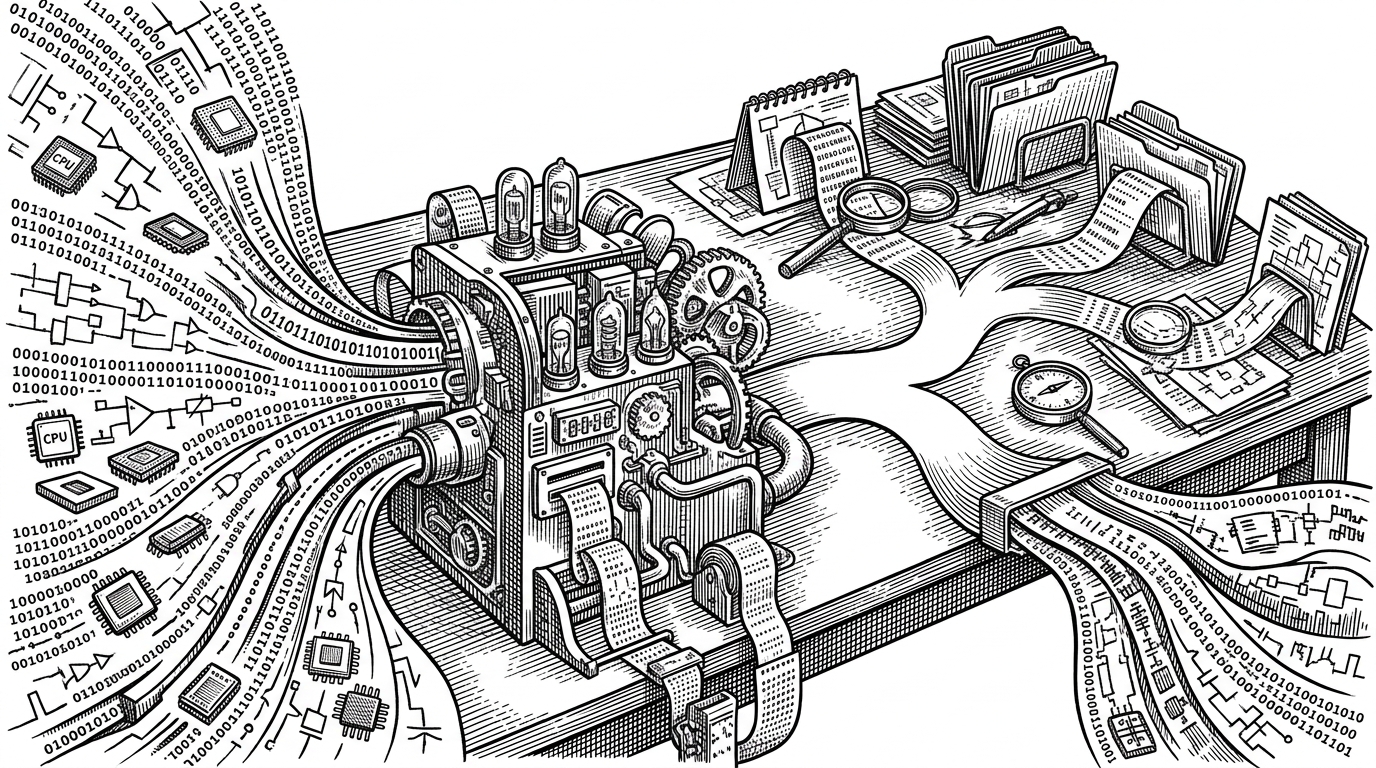
Nightstream’s most interesting move is conceptual. Instead of treating execution as one giant trace, it models work as a sequence of coroutine-like step instances. Each step can be extended, folded, and carried forward, so the system behaves more like a live pipeline than a frozen program run.
That is why the lifecycle in the repo matters so much. Nightstream does not just prove and stop. It has a staged flow that can keep extending the computation, then either leave it in an auditable form or compress it for terminal verification.
What Makes It Post-Quantum
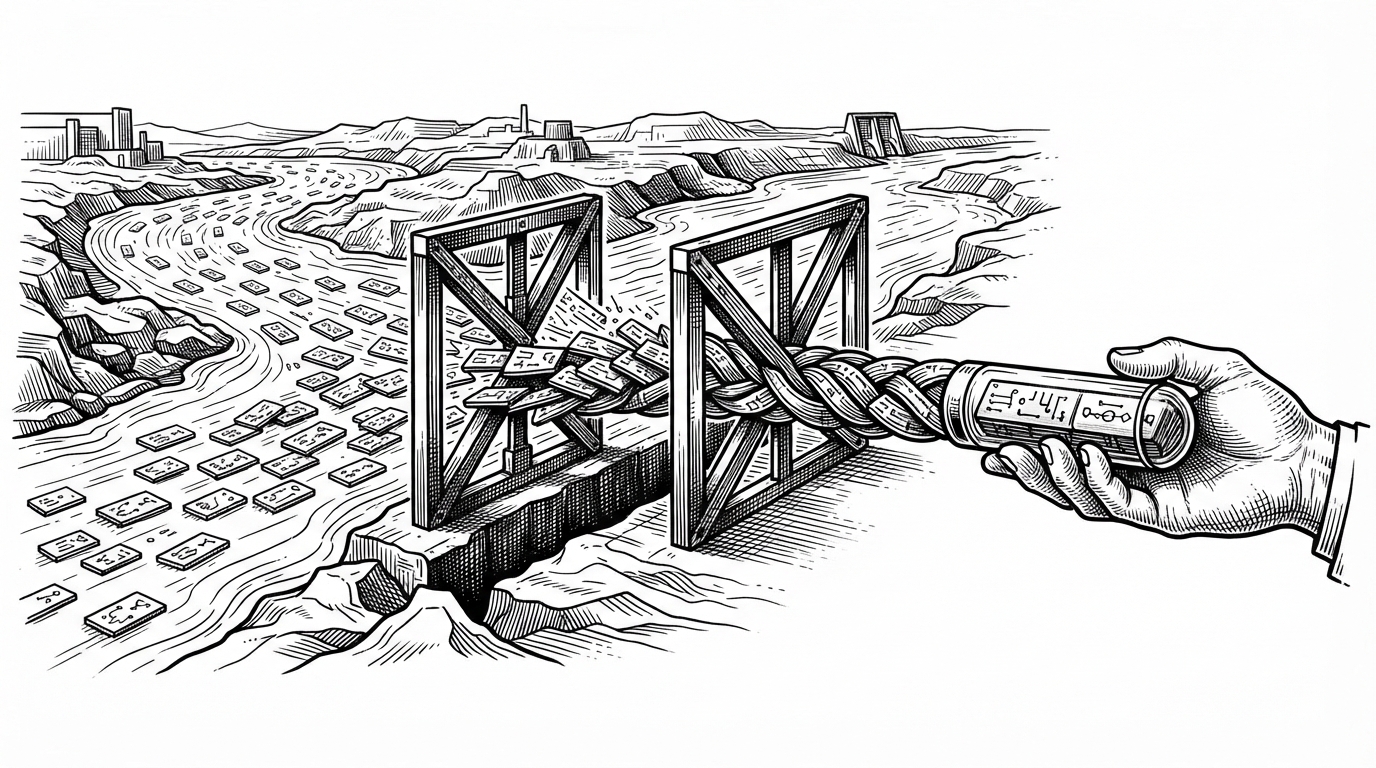
Most recursive proving stacks inherit their security from elliptic curves. Nightstream takes a different route: lattice-based commitments, specifically Ajtai and module-SIS style constructions, plus a SuperNeo-style folding scheme. That is the architectural bet that makes the whole repository unusual.
This is not just a cryptographic swap. Lattice commitments bring noise management, norm bounds, and decomposition steps into the proving pipeline. In Nightstream, those concerns surface as a dedicated reduction layer rather than an afterthought.
Commitment stack:
- Base field: Goldilocks
- Transcript: Poseidon2
- Commitment: Ajtai / Module-SIS
- Folding path: CCS -> RLC -> DEC
- Proving crate: neo-fold-clean
The result is a post-quantum proof system that still wants the ergonomics of a recursive zkVM. That combination is rare. It is also why Nightstream reads more like a research agenda than a finished platform.
How the Folding Pipeline Actually Works
The repository’s lifecycle is the best place to understand the machinery. The main proving crate, neo-fold-clean, coordinates the path from preprocessing through proving, extension, and finalization. Underneath that, the folding pipeline moves a computation through the CCS relation, then into relaxed linear combinations, then into decomposition.

preprocess(...)
prove(...)
extend(...)
finish_uncompressed(...)

// The crate owns the lifecycle and the recursive step machinery.
// Audit and terminal paths are first-class, not bolted on.
The naming is a clue. Nightstream is not hiding its abstraction layers behind a single glossy API. It wants readers to see the stages, because the stages are the story: each one reduces a richer computational claim into something the next one can safely absorb.
Lean on the Left, Rust on the Right
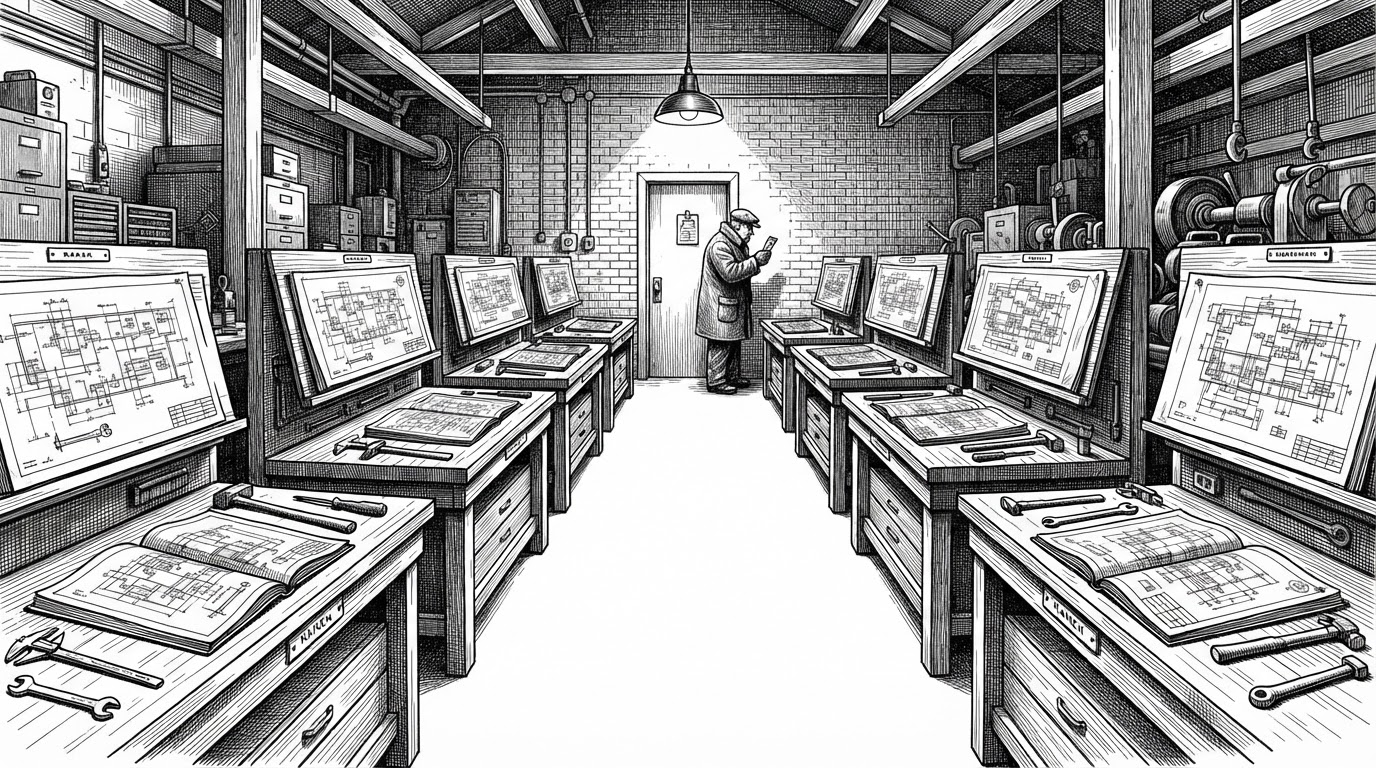
The repo has a dual personality. Lean carries the specification burden, while Rust carries the implementation burden. That is a serious signal in cryptography work, because it means the team is trying to keep the proof of correctness close to the code that actually runs.
The goal of Nightstream is to try and build proof system that can handle this flow... approvable co-routines for containers and contracts.
The culture around the code reinforces that point. Red-team tests, strict linting, and a workspace structure that separates core commitments, constraint systems, reductions, and the folding orchestrator all point to a team that wants the stack to remain inspectable as it grows.
That does not make the project production-ready. It does make it legible. And in a cryptographic system this dense, legibility is a form of progress.
Where It Fits in the zkVM Landscape
| Project | Primary goal | Security assumption | Execution model | Nightstream’s difference |
|---|---|---|---|---|
| Nova / HyperNova | Recursive folding and IVC | Typically elliptic-curve based | General recursive computation | Nightstream keeps the folding idea but moves to lattice commitments and a stream-oriented model |
| RISC Zero | General-purpose zkVM | Hash and STARK oriented | RISC-V execution traces | Nightstream is built around coroutine-style streaming rather than a monolithic trace |
| SP1 | Fast developer-friendly zkVM | STARK based | General-purpose program execution | Nightstream is research-grade and post-quantum first, not performance-first in the same way |
| Classic recursive zk stacks | Recursive proof composition | Elliptic curves | Batch-style traces | Nightstream changes the security foundation and the execution model at once |
The point of the table is not parity. Nightstream is not trying to win every benchmark. It is trying to prove that recursive systems can be redesigned around a different security assumption and a different execution shape at the same time.
What the Repo Tells You About the Team
The maintainer structure reads like a focused research lab, not a broad open-source commons. That usually means fast iteration, tight coordination, and a willingness to favor architectural coherence over community sprawl.
You can see that in the repository itself: a specialized proving crate, reduction layers, formal artifacts, and a clear separation between specification and implementation. It feels like a team building a future stack from the inside out.
The Constraint That Makes It Interesting
Nightstream is compelling because it is solving three hard problems at once. It wants recursive proving, post-quantum security, and a stream-like execution model. Any one of those is a serious project. Together, they make the repo feel like a sketch of a future proving architecture rather than a polished endpoint.
That is the real takeaway. Nightstream is not interesting because it is simply different. It is interesting because its differences line up into a coherent design pressure: if computation is continuous, proofs probably need to be continuous too, and if quantum resistance matters, the old assumptions need to move out of the foundation.