pixelassets: Pixel Assets is a motion engine dressed like a folder of files
Bills, cards, coins, and wallets get their depth from HTML, CSS, Canvas, and math, not from a heavyweight graphics stack.
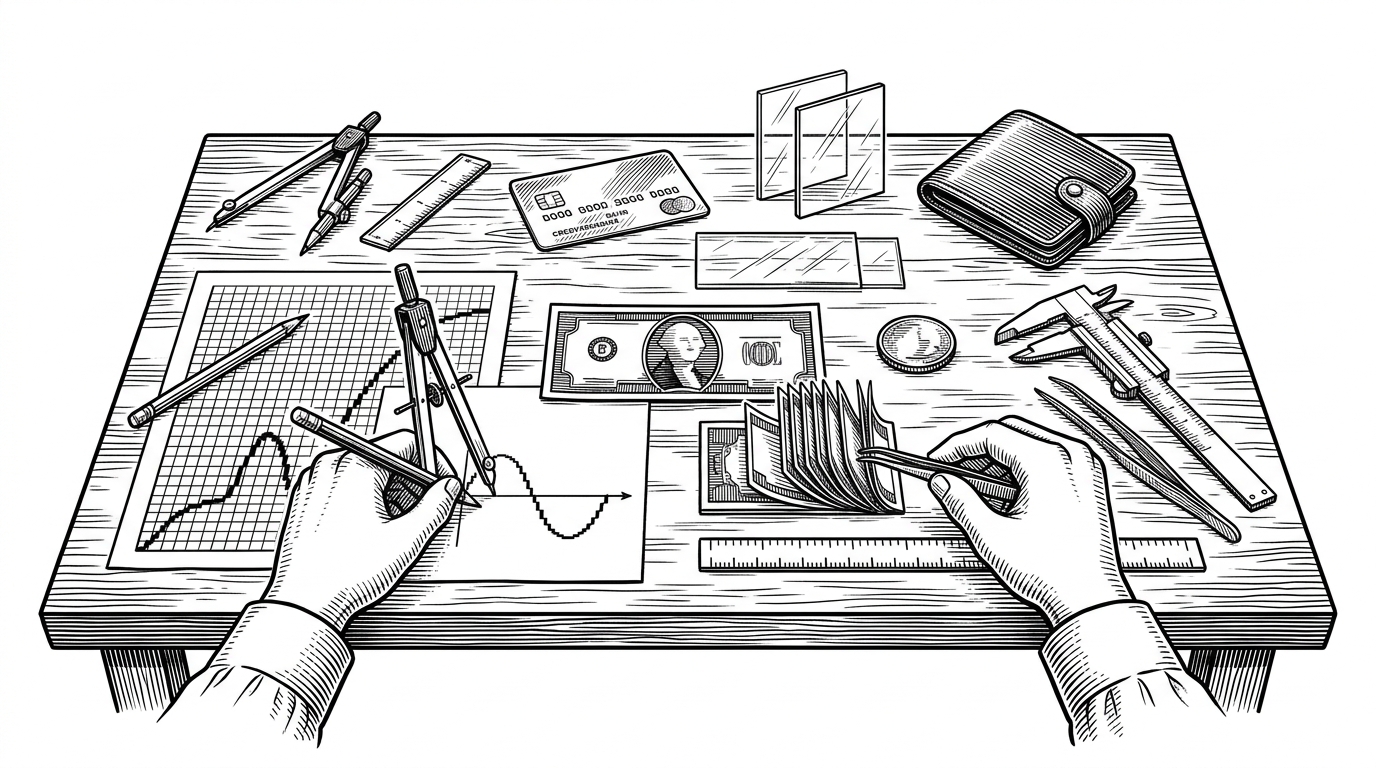
- Pixel Assets is less an asset pack than a tiny rendering pipeline that rebuilds motion from math on every frame.
- Its power comes from restraint, because standalone HTML files and off-screen canvases keep the whole system easy to embed.
- The bill and card assets show the real trick, which is using slices, depth ordering, and hand-rolled typography to fake richness.
- It wins by being narrow on purpose, not by trying to replace a general animation or 3D toolchain.
Most repos ship visuals. This one ships a method. Pixel Assets is a collection of money-themed interactive HTML files, but the interesting part is how much depth it squeezes out of the browser before asking for anything heavier.
A solo repo with no build step
The repository belongs to Leonxlnx, and its shape is telling. There is no framework, no bundler, and no build tool hiding behind the curtain. Instead, the project is organized as a set of standalone asset files, a showcase page, and a deployment config that leans on caching rather than infrastructure.
- The
/assetsfolder holds the actual experiences as standalone HTML files. index.htmlacts as a gallery and a preview surface.vercel.jsonhandles aggressive caching for the asset files.- Resolution variants give the same idea multiple sizes without changing the stack.
That is a strong signal. These pieces are meant to be opened, embedded, and reused directly. The repo does not ask you to learn its tooling first. It asks your browser to do the work.
The bill files do the hardest visual work
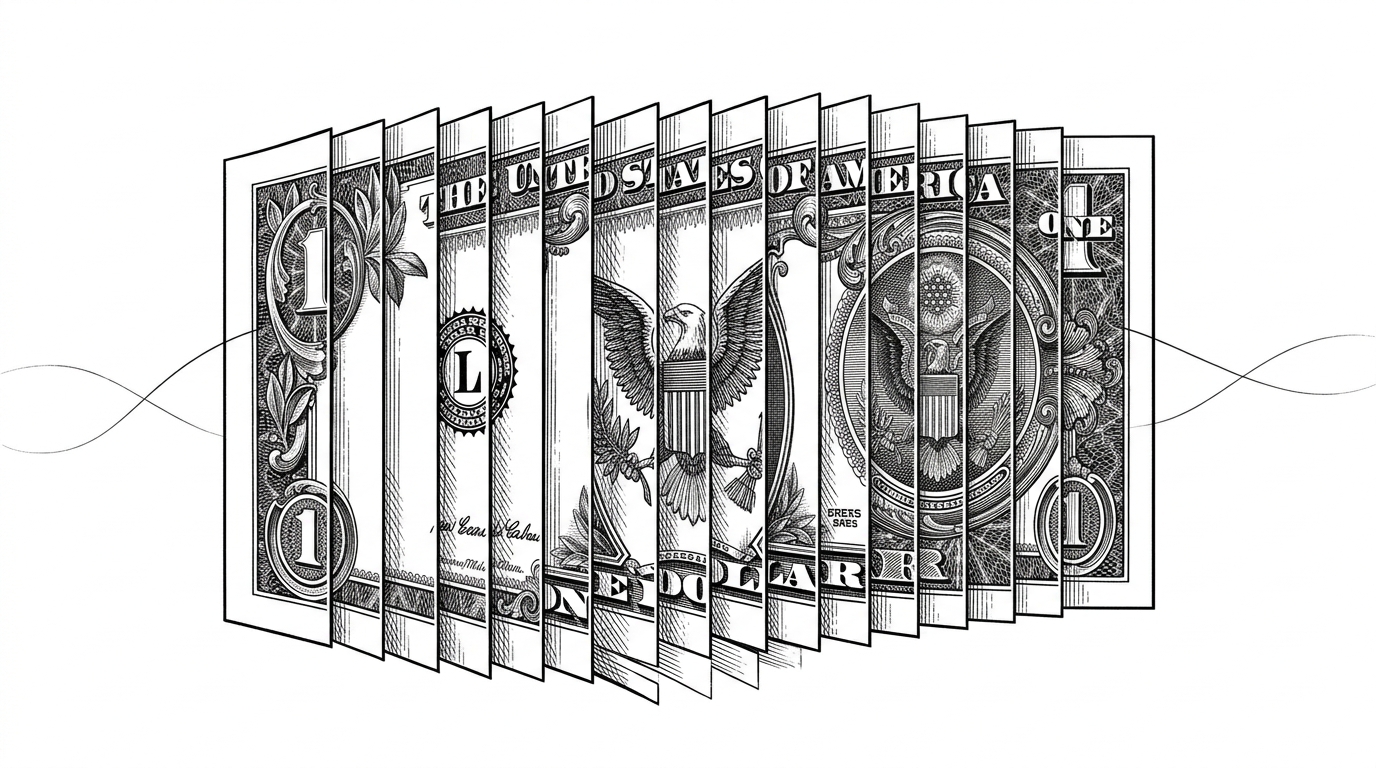
The bill assets are the best clue to the repo's actual ambition. They are not static pixel art. They are reconstructed every frame from procedural texture, a wave function, and depth sorting, so the bill can bend, rotate, and catch light without leaving the browser's native primitives.
const projected = [];

for (let x = 0; x < texW; x++) {
  const fold = Math.sin((x / texW) * Math.PI + time * speed) * amp;
  const x3d = (x - texW / 2) * scale;
  const z3d = Math.cos(angle) * fold;

  projected.push({ x, x3d, z3d });
}

projected.sort((a, b) => b.z3d - a.z3d);
The exact math shifts from asset to asset, but the pattern stays consistent. Build a strip or a layer, distort it with a simple function, sort what needs to sit in front, and let the canvas paint the result. That is a surprisingly small amount of machinery for a surprisingly polished illusion.
The cards reveal a second trick
The card assets solve a different problem. Instead of faking depth with slice projection, they stack layers along the Z axis to create thickness, then draw crisp bitmask text by hand so the typography stays sharp at pixel scale. That avoids the blur you get when a browser font is stretched beyond what the aesthetic can tolerate.
| Constraint | Heavier animation stack | Pixel Assets |
|---|---|---|
| Setup | Usually needs a library, a build step, or an export pipeline. | Opens as standalone HTML and can be embedded directly. |
| Rendering model | Often relies on pre-rendered frames or a general-purpose scene graph. | Uses procedural textures, slice projection, and layered DOM or canvas work. |
| Typography and UI detail | Depends on system fonts or baked overlays. | Uses a manual pixel font and pixel-snapped drawing. |
| Best fit | Broad animation systems that must handle many styles. | A narrow, art-directed visual language that needs to stay lightweight. |
That is why the repo feels more like an engine than a gallery. The visuals are the output, but the asset shape, file layout, and rendering choices all point to the same principle: keep the browser in charge, keep the dependency list empty, and make the effect feel expensive anyway.
Why this repo matters
Pixel Assets is not trying to be universal. It is trying to be convincing. In a landscape crowded with heavier animation tools, that is a useful reminder that restraint can be a feature, not a compromise. When the visual language is narrow and the runtime rules are clear, plain browser primitives can carry far more polish than people expect.