NVIDIA/nvcf-otelconfig: Compiling the YAML Wall
How NVIDIA built a multi-stage Python and Go pipeline to generate valid OpenTelemetry configurations for GPU serverless workloads.
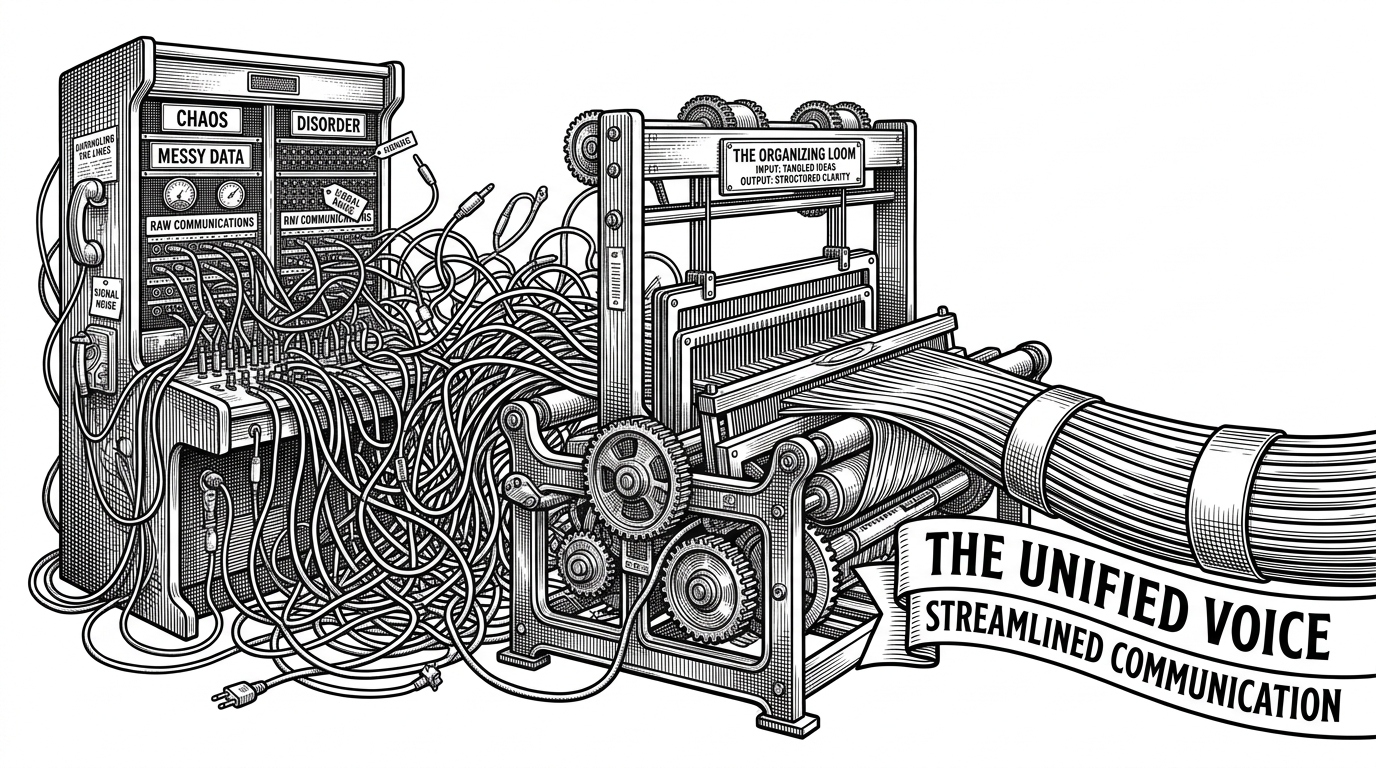
- OpenTelemetry configuration has hit a complexity wall where YAML is no longer human-writable source code, but a compilation target.
- NVIDIA solves a 4D configuration matrix mapping environments, deployments, telemetry types, and destinations using a multi-stage Python and Go pipeline.
- The generated templates aggressively isolate GPU signals by sieving out Kubernetes noise and targeting the nvidia-dcgm-exporter.
- While the broader industry moves toward static declarative YAML, NVIDIA's serverless GPU platform necessitates dynamic programmatic generation.
The YAML Compiler
OpenTelemetry configuration has become so complex that YAML is no longer a human-writable source code. It is a compilation target. The most surprising thing about NVIDIA/nvcf-otelconfig is that NVIDIA had to build a multi-stage compiler just to reliably output a valid config.yaml for GPU serverless workloads.
The repository does not just parse YAML; it compiles it. A suite of Python scripts generates Go templates, which are then embedded into a Go binary via //go:embed. At runtime, this binary ingests a simple JSON request and renders the final OpenTelemetry Collector configuration. Configuration has officially become software engineering.
Escaping the 4D Matrix
In the NVIDIA Cloud Functions (NVCF) ecosystem, users Bring Your Own Observability (BYOO). This mandate creates a mathematical nightmare for platform engineers.
NVIDIA Cloud Functions (NVCF) is a platform for deploying, managing, and invoking GPU-accelerated functions at scale.
The system must perfectly map four dimensions: Environment (VM versus Kubernetes), Deployment (Container versus Helm), Protocol (Logs, Metrics, or Traces), and Vendor (Splunk, Datadog, Grafana, or Azure). Hand-writing permutations for this matrix is impossible. The compiler abstraction ensures that the OTel collector knows exactly whether to look for Kubernetes metadata or standard VM metrics based on the deployment target.
Sieving the GPU Noise
Unlike generic OpenTelemetry collectors, this compiled output is highly opinionated for hardware. The embedded Go templates contain expert knowledge specifically tuned for NVIDIA GPUs.

The generated templates aggressively isolate GPU signals. For example, the configurations are hardcoded to scrape nvidia-dcgm-exporter on port 9400. They utilize extensive metric_relabel_configs to drop noisy Kubernetes metrics, strictly filtering for signals like DCGM_FI_DEV_GPU_UTIL. Furthermore, sensitive API keys are never rendered into the YAML string; they are dynamically read from secure mount points using OTel's ${file:...} syntax.
The Declarative Divide
This bespoke, compiled approach stands in stark contrast to the rest of the industry. While the broader OpenTelemetry community is pushing for standardized declarative YAML configurations, NVIDIA's platform requires a dynamic, programmatic generation engine.
| Approach | Configuration Method | Flexibility | Use Case |
|---|---|---|---|
| Standard OTel SDKs | Programmatic (Language-specific) | High, but fragmented | Application-level instrumentation |
| OTel Declarative Config | Static YAML | Language-agnostic, rigid | Standardized collector deployments |
| nvcf-otelconfig | Compiled (Go/Python engine) | Dynamic, highly opinionated | Multi-tenant GPU serverless platforms |
Centralized configuration management works for static environments. But when deploying multi-tenant, GPU-accelerated serverless functions at scale, static YAML breaks down. nvcf-otelconfig proves that at a certain scale of complexity, configuration files must graduate into compiled software.