MOSS-TTS-Nano: The Small Voice Model That Refuses the GPU
How a 100M-parameter TTS stack uses audio tokenization, ONNX, and streaming decode to make high-fidelity voice generation feel local, fast, and practical.

- MOSS-TTS-Nano makes speech feel like a local systems problem by optimizing for CPU inference, ONNX deployment, and streaming playback instead of GPU-scale infrastructure.
- Its core bet is that audio becomes easier to ship when it is compressed into discrete codes, not generated as raw waveform from scratch.
- The runtime split between PyTorch development and ONNX production is not a footnote, it is the product strategy.
- The project matters because it shows local-first voice can be practical without giving up multilingual synthesis or voice cloning.
Most TTS projects still behave like cloud products in disguise. MOSS-TTS-Nano takes the opposite path: it asks what speech looks like when the deployment target is a laptop CPU, an Android example, or an ONNX-only runtime with no appetite for heavy dependencies.
That shift sounds subtle until you trace the design. The repo does not just shrink a model. It reorganizes the whole stack around a more practical question: how do you make voice generation feel local, fast, and private without turning quality into a casualty?
The model that wants to live on a CPU
The headline feature is not only that MOSS-TTS-Nano is a 100M-parameter model. It is that the project treats that size as an engineering constraint to exploit, not a compromise to apologize for. The README and runtime code both point in the same direction: keep inference light enough that consumer CPUs can handle it.
That matters because voice is usually sold as a premium cloud feature. Here, the bar is different. The system is tuned for local demos, web serving, and lightweight product integration, which means latency, cold starts, and dependency footprint are first-class product concerns.
MOSS-TTS-Nano is an open-source multilingual tiny speech generation model from MOSI.AI and the OpenMOSS team. With only 0.1B parameters, it is designed for realtime speech generation, can run directly on CPU without a GPU, and keeps the deployment stack simple enough for local demos, web serving, and lightweight product integration.
The trick is not smaller speech. It is speech as codes
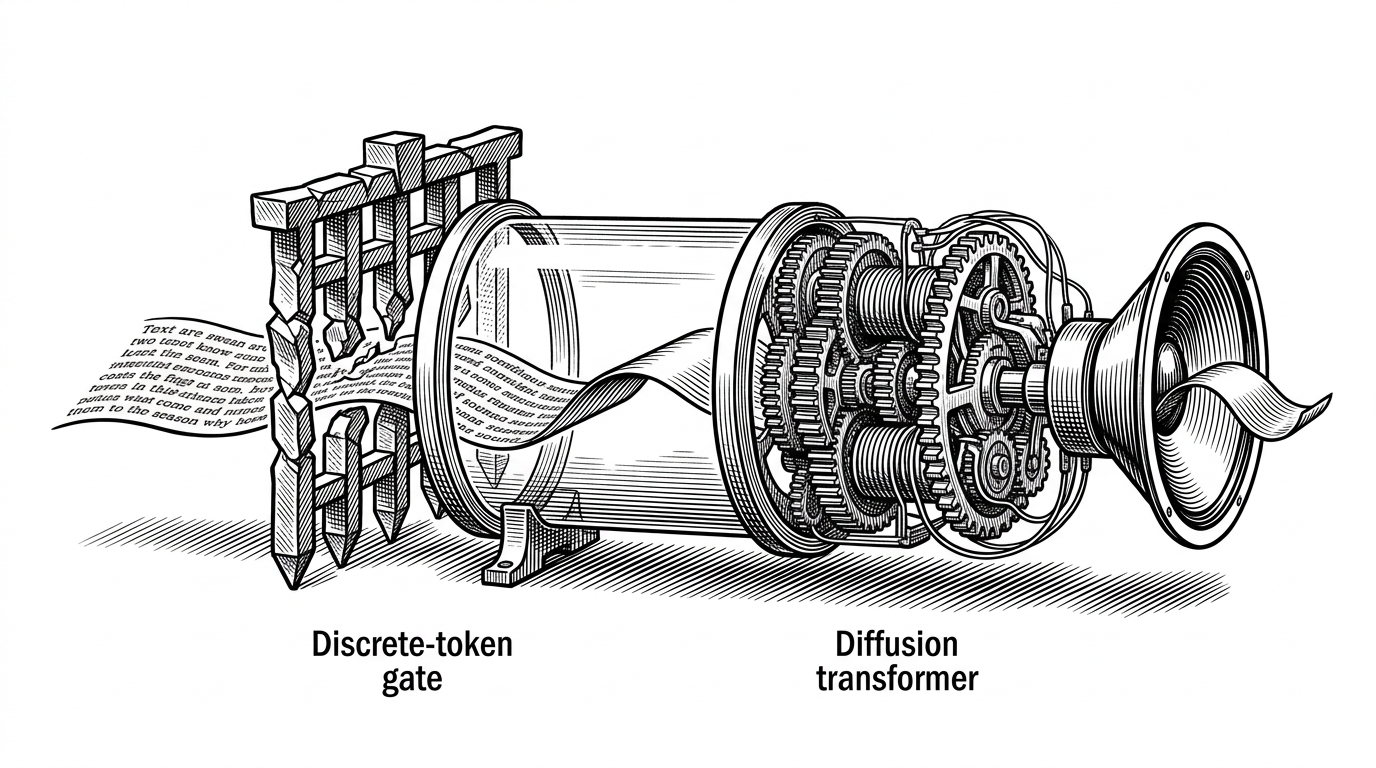
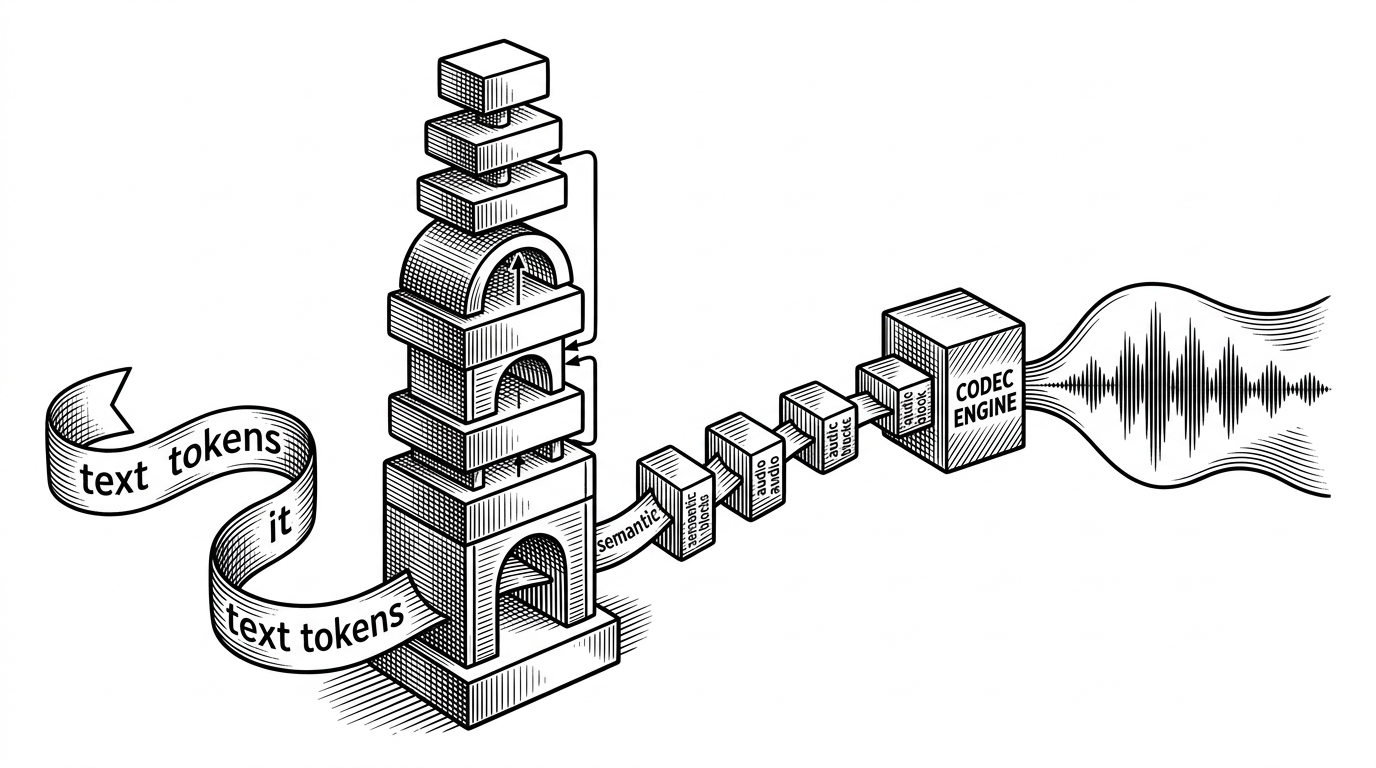
The most important architectural move is the tokenizer. MOSS uses a residual vector quantization pipeline, so speech is compressed into discrete audio codes before the language model does its work. That changes the job from direct waveform generation into a sequence problem the model can solve more efficiently.
This is why the project feels different from a generic small TTS model. The audio tokenizer is not a sidecar. It is the bridge that makes a compact autoregressive model useful for real speech generation, including multilingual output and voice cloning from short reference audio.
We now strongly recommend trying the ONNX CPU version first for lightweight local deployment and CPU inference. This version is designed to be more deployment-friendly while keeping the same core MOSS-TTS-Nano experience: No PyTorch dependency during inference.
Why the runtime split matters
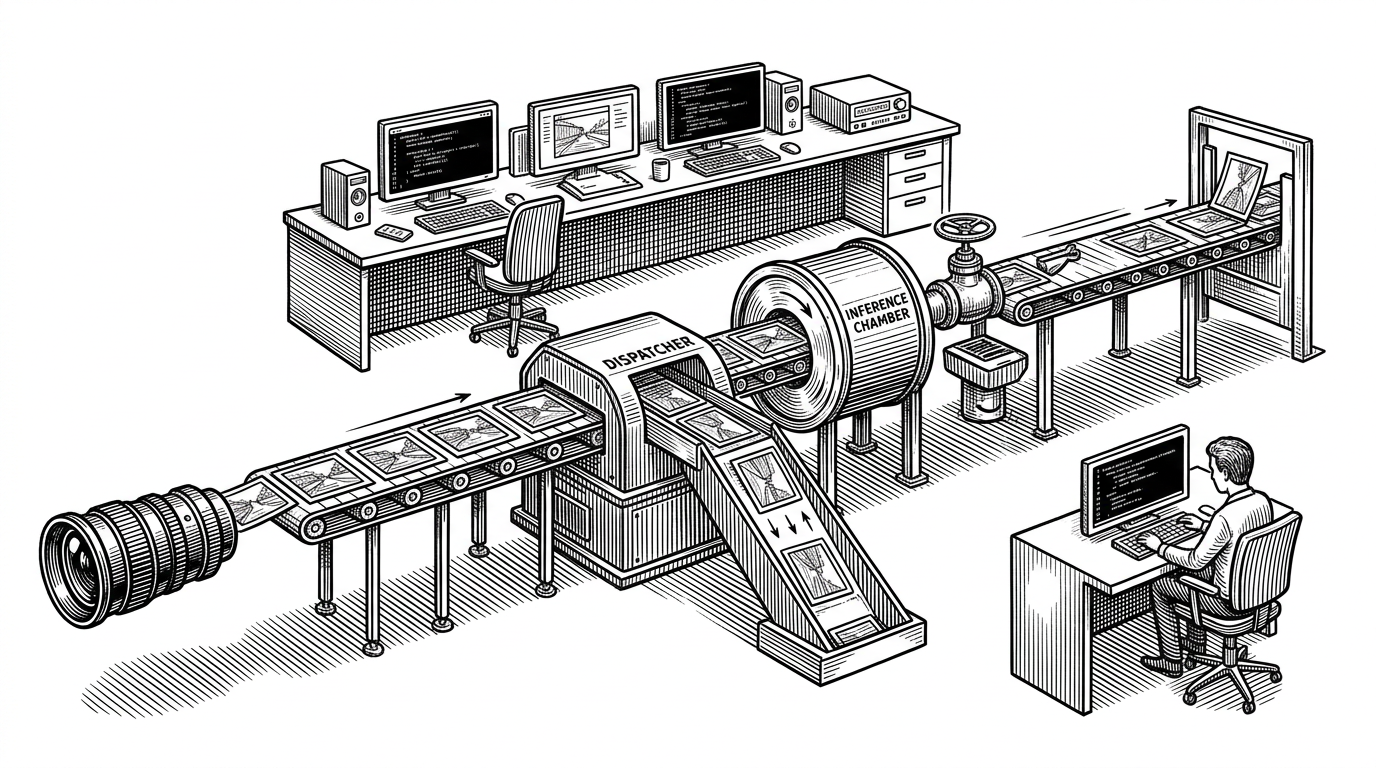
The runtime layer is where the philosophy becomes concrete. The repository splits development and deployment across separate paths: PyTorch for research and iteration, ONNX Runtime for production and edge use. That is not redundant plumbing. It is the difference between a model you can test and a model you can ship.
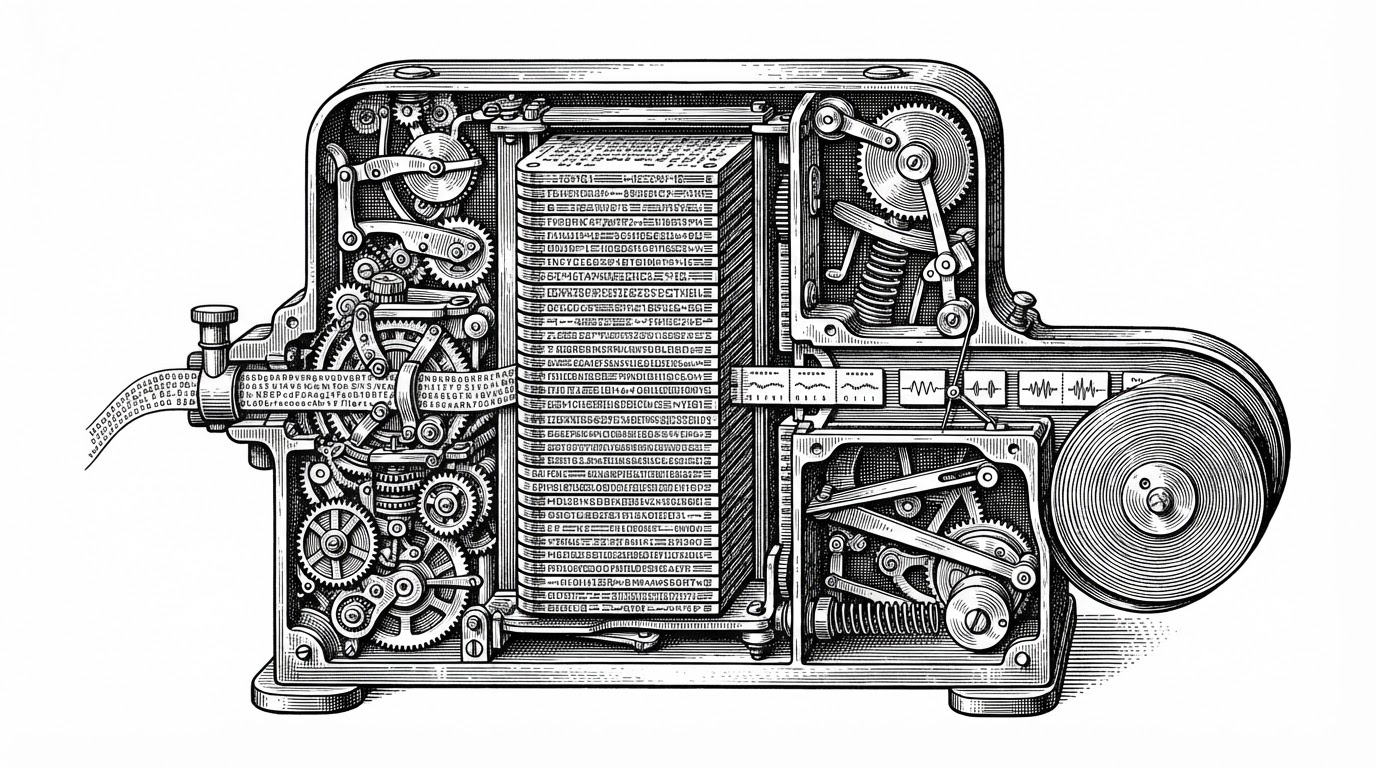
In the runtime files, the interesting details are the boring ones: warmup, thread safety, split voice-clone text, and streaming decode. Those are the pieces that keep the system stable when a browser tab, a local app, or a server endpoint starts asking for audio at the same time.
class NanoTTSService:
    def __init__(self, ...):
        self.lock = threading.RLock()
        self.warmup_done = False

    def warmup(self):
        if not self.warmup_done:
            self._run_dummy_pass()
            self.warmup_done = True

    def infer(self, text, ref_audio=None):
        with self.lock:
            normalized = self.normalize(text)
            tokens = self.encode_audio(normalized, ref_audio)
            return self.streaming_decode(tokens)
That code pattern tells you what the repo values. It would rather make inference predictable than chase a giant single-shot generation path. In voice products, predictability is often the real feature.
Text normalization is where the speech stops sounding fake
A lot of TTS quality work happens before the model ever sees an embedding. The normalization pipeline handles numbers, dates, abbreviations, and mixed-script text so the system does not pronounce raw input like a machine reading a database field.
That matters especially for multilingual speech. If a model is supposed to handle Chinese and English gracefully, normalization is the part that keeps the output from turning awkward at the seams. Good speech synthesis is often less about inventing a better voice and more about removing avoidable mistakes upstream.
The repo’s text-processing layer makes that philosophy explicit. It treats normalization as product infrastructure, not as a cleanup script bolted on after the fact.
The comparison everyone will ask for
| Model | Deployment target | Voice cloning | Streaming | Multilingual | Dependency footprint | Best fit |
|---|---|---|---|---|---|---|
| MOSS-TTS-Nano | CPU first, ONNX, local apps | Yes | Yes | Yes | Low | Local-first speech that has to ship |
| Kokoro-82M | Tiny local TTS | Limited or task-dependent | Varies | English-first | Low | Small-footprint voice generation |
| Piper | Embedded and offline devices | No | Usually no | Broad via voices | Very low | Simple offline TTS with minimal overhead |
| Fish Speech | Heavier local or server setups | Yes | Yes | Broad | Higher | Higher-expressiveness deployments |
| Chatterbox | Multilingual, larger-footprint use cases | Yes | Yes | Yes | Higher | When footprint is less important than capability |
The honest read is that MOSS-TTS-Nano is not trying to win every comparison. It is trying to win on deployment reality. That makes it less of a beauty contest entry and more of a practical answer for teams that want local voice to survive outside a research machine.
Who this is for, and who should look elsewhere
This is for builders who care about CPU inference, private speech workflows, ONNX export, and multilingual output without a heavyweight stack. It is also for anyone who thinks TTS should be something a product can own locally instead of renting from a cloud API.
If you need the most expressive, premium voice by default, this is not automatically the first stop. But if your problem is practical voice generation on ordinary hardware, MOSS-TTS-Nano is one of the clearest signals that local-first speech is becoming a real category.
The repo’s deeper message is simple. Speech does not have to be treated like a luxury backend service. With the right tokenizer, runtime split, and deployment bias, it can behave like local infrastructure.