Back2You: The Lost-and-Found App That Turns Ownership Into a Quiz
A vanilla HTML and Firebase system for closed communities, where the smartest feature is not search but verification.
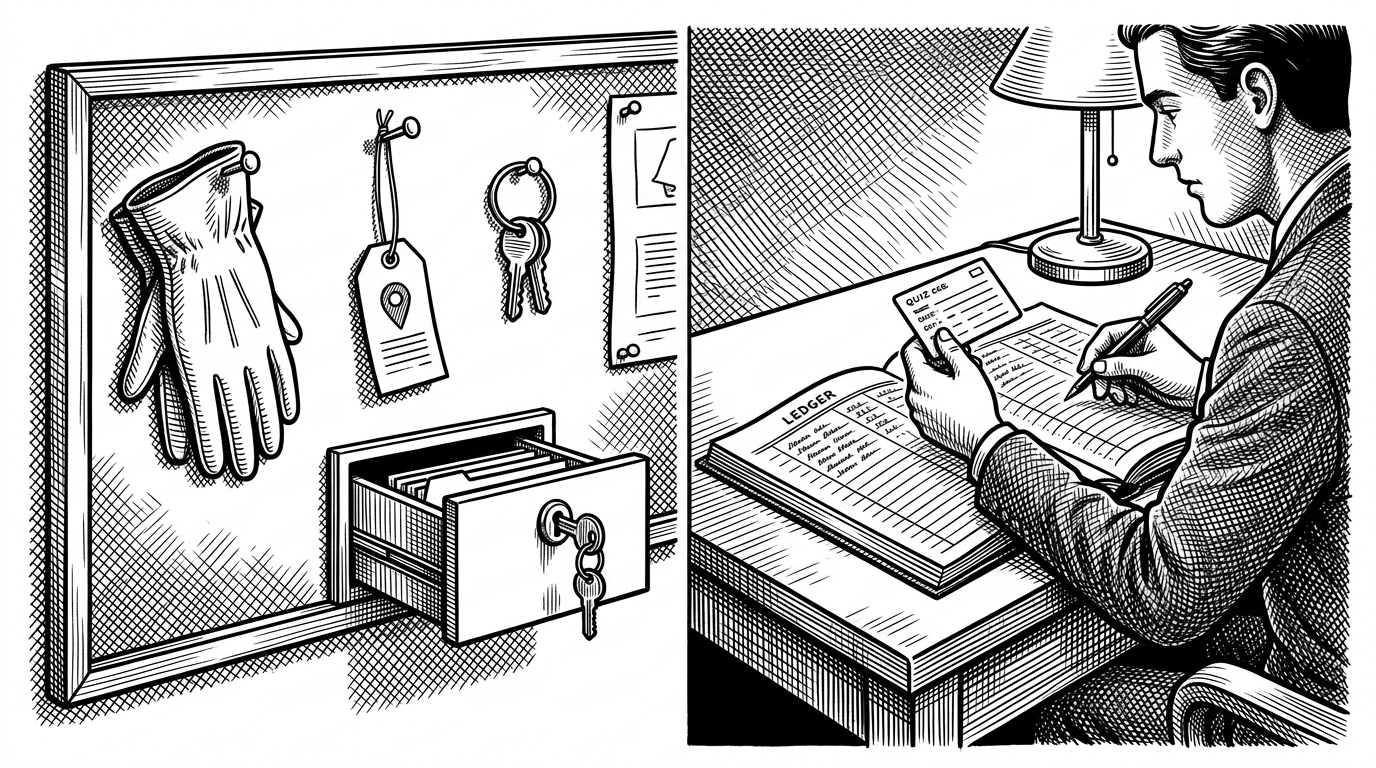
- Back2You treats ownership as a verification problem, so the product centers on proof rather than broad search.
- The app works because it shrinks the trust boundary to closed communities where lightweight authentication is actually useful.
- Its quiz-based claim flow makes fraud harder without turning recovery into bureaucracy.
- The no-build Firebase stack is not a gimmick here, because it keeps the whole trust workflow portable and simple to run.
The Problem Is Not Finding Things. It’s Proving They’re Yours.
Lost-and-found software usually optimizes for visibility. Back2You makes a different bet: in a campus, housing complex, or other closed community, the hard part is not posting an item. It is stopping the wrong person from claiming it.
That framing changes everything. Once you treat the problem as trust infrastructure, the user flow stops looking like a classifieds board and starts looking like a small verification system.
Back2You Shrinks the Battlefield to a Trusted Community
The app is built for places where people already share a boundary of identity or access. That matters because it lets the product use lightweight checks instead of forcing a public, anonymous marketplace model.
| Problem being solved | Who can participate | How claims are verified | Failure mode | Why it matters |
|---|---|---|---|---|
| Generic public lost-and-found | Anyone on the internet | Usually by manual messaging or guesswork | Fake claimers and noisy listings | Maximum reach, minimum trust |
| Back2You | A closed community | A quiz based on item-specific details | A mismatch is rejected or retried | Less reach, more reliable recovery |
| Public marketplace workflow | Buyers and sellers | Identity plus transaction flow | Drift toward commerce instead of recovery | The item becomes a listing, not a claimable object |
The Clever Bit: Claiming an Item Feels Like Answering a Quiz
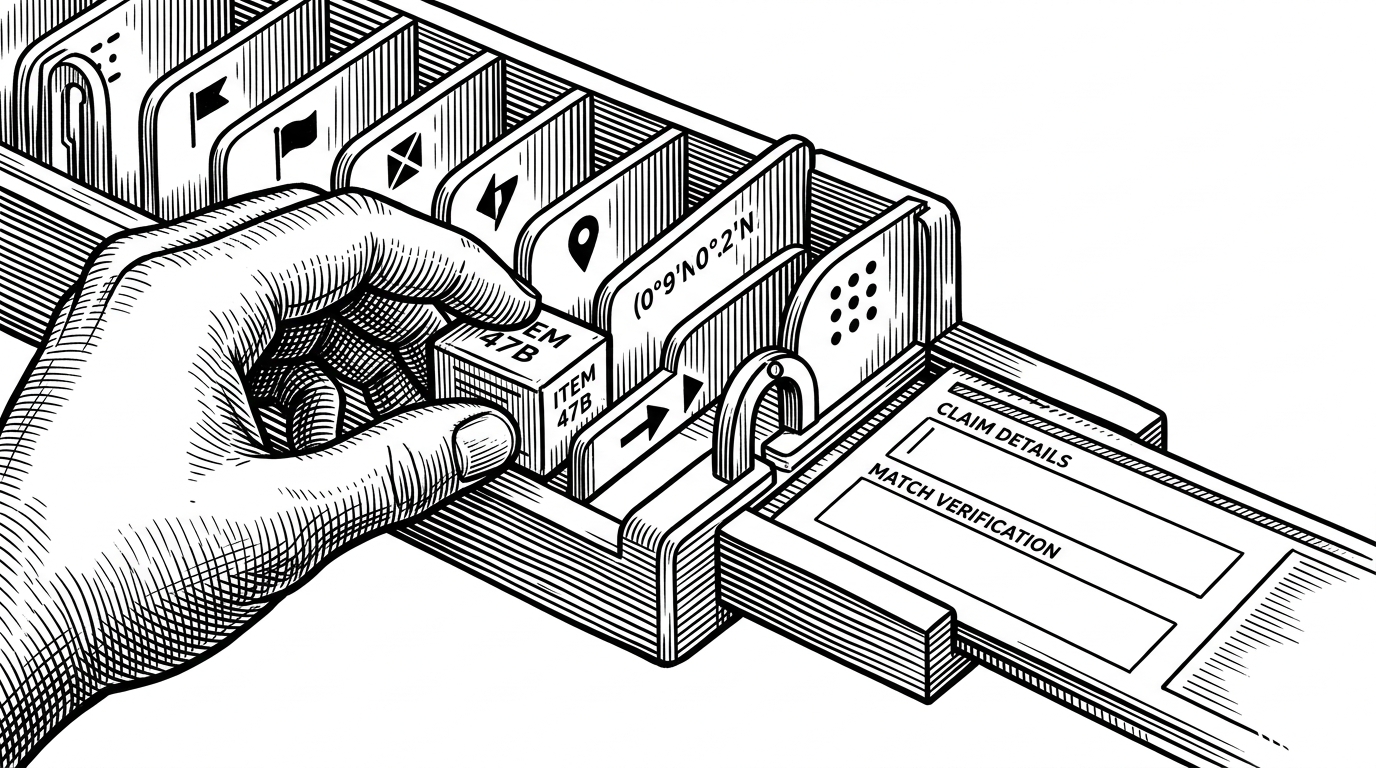
This is the project’s core move. A found item is stored with specific attributes, such as color, location, and distinguishing marks. A claimant does not just click a button. They answer questions that should only be easy if the item is really theirs.
const item = {
  color: "brown",
  location: "library",
  mark: "scratch on handle"
};

const quiz = [
  item.color,
  item.location,
  item.mark
];

function verifyClaim(answers) {
  return answers.every((answer, i) => answer === quiz[i]);
}
Why the Stack Is So Small
The technical stack stays deliberately narrow: vanilla HTML, inline module scripts, Firebase Auth, and Firestore. That is not a compromise so much as a product choice. A trust workflow is easier to ship when the whole app can live in a browser without a build pipeline.
| Layer | Back2You approach | Typical heavier stack |
|---|---|---|
| UI | Single-page HTML with inline logic | Component framework plus routing |
| Backend | Firebase Auth and Firestore | Custom API plus database plus auth service |
| Deploy path | Open the file, configure Firebase, run | Install dependencies, build, bundle, deploy |
| Benefit | Portable and fast to prototype | More abstractions and more moving parts |
The Community Login Hack Is a UX Shortcut, Not Just a Trick
One of the cleverest details is the community-name-to-email mapping used for sign-in. Instead of making users think about email identity, the app turns a community name into a Firebase-compatible login string under the hood.
That reduces friction without giving up the auth layer. It is a reminder that sometimes the best UX move is not a prettier form. It is hiding the infrastructure that users should never have to care about.
const email = rawCommunityName.toLowerCase() + "@back2you.com";
signInWithEmailAndPassword(auth, email, password);
The Design Language Is Doing Product Work
The warm brown and beige palette supports the app’s tone. Lost-and-found is already a slightly anxious experience, so the interface leans calm, grounded, and domestic instead of cold or transactional.
That is not decoration. It reinforces the idea that this is a community service tool, not a public feed optimized for attention.
What This Project Chooses Not to Be
Back2You is not trying to become a public marketplace, a full helpdesk, or a generic recovery board for the open internet. It is narrower than that, and better for it.
| Not this | Back2You is this |
|---|---|
| A public classifieds feed | A private trust layer for a bounded group |
| A commerce workflow | A claim-verification workflow |
| A feature-heavy platform | A small, focused application with one hard job |
| Maximum exposure | Maximum confidence inside the community |