Mutate Everything: How StarKnightt/MineCraft Hits 60FPS in the Browser
By intentionally breaking React's cardinal rules of immutability, this browser-based voxel engine bypasses garbage collection spikes to render massive 3D worlds.
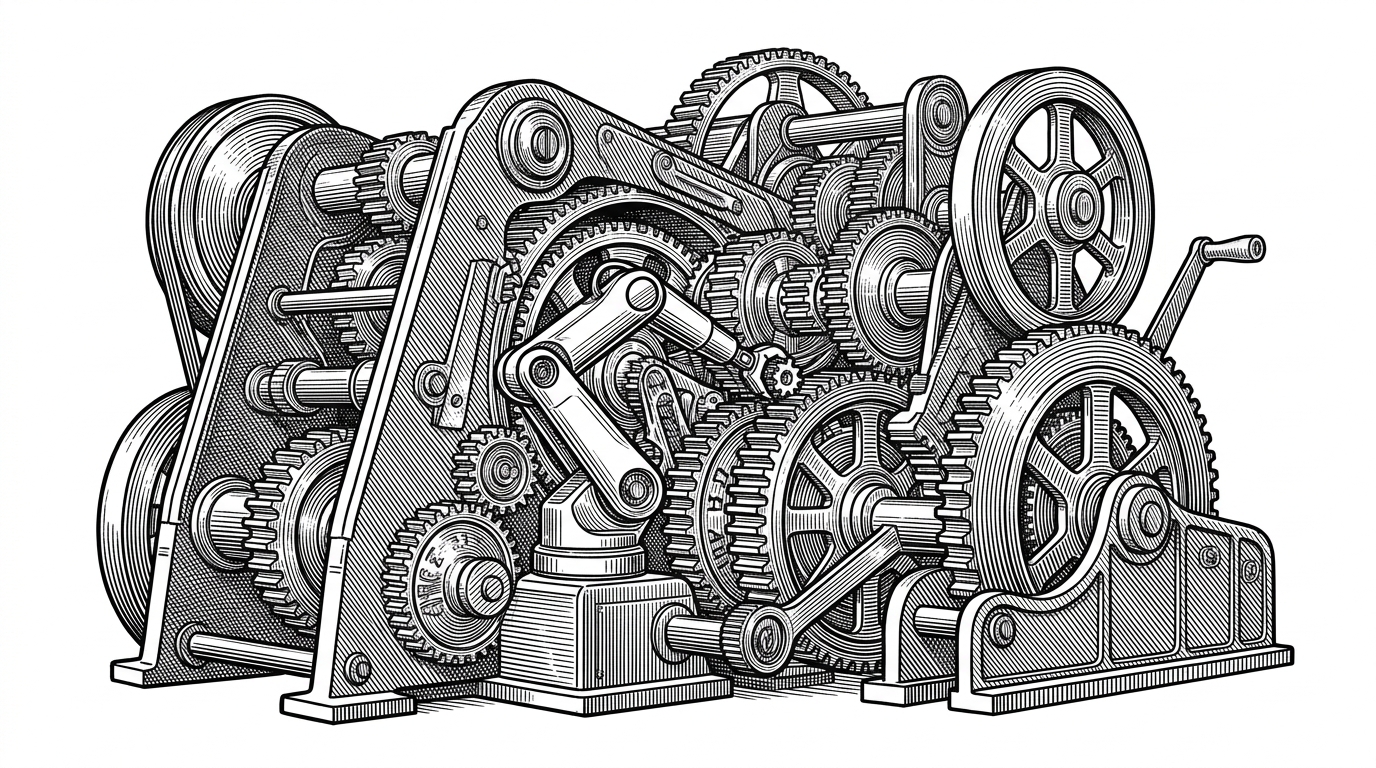
- The engine bypasses React's performance bottlenecks by treating it strictly as a view layer and mutating a centralized Zustand store in place.
- Zero-allocation lookups for spatial coordinates keep the JavaScript garbage collector silent during gameplay.
- Rendering relies entirely on Three.js instanced meshes, maintaining only one draw call per block type.
- Audio is procedurally generated using the Web Audio API, entirely eliminating the need for heavy external sound assets.
The Immutability Trap
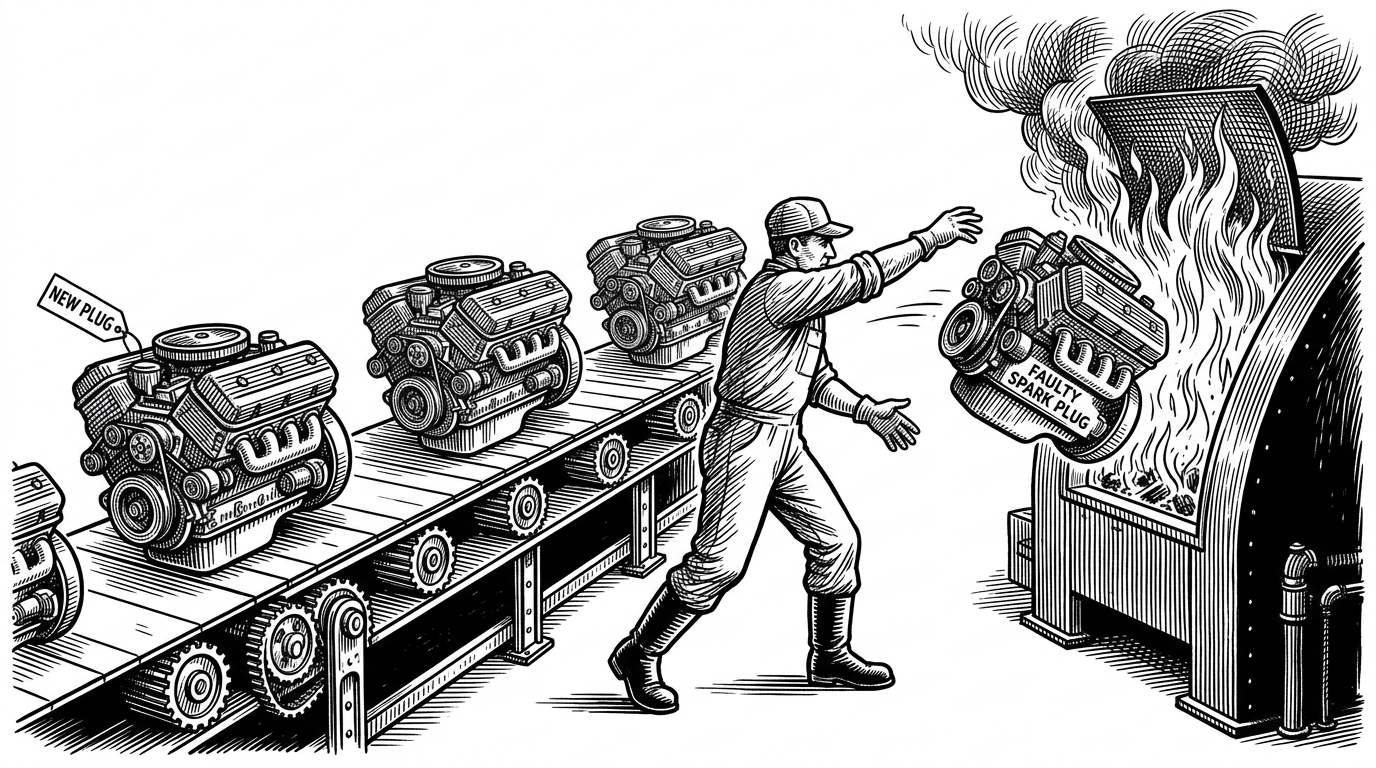
Modern web development preaches immutability. You do not mutate state; you copy it. But in a 3D voxel engine tracking thousands of blocks, copying a massive state object sixty times a second creates catastrophic Garbage Collection (GC) spikes. Standard React state management kills game loops.
Every time a player moves or breaks a block, an immutable state paradigm requires cloning the entire world data. This leads to massive memory allocation and inevitable stutter. The browser simply cannot keep up with the physics engine.
Mutating the Source of Truth
The project solves the React-Three-Fiber performance bottleneck by decoupling the massive world data from the React render cycle. It uses Zustand to store the state but intentionally configures it for high-frequency mutations. Instead of copying a 5,000-key object on every block break, the store mutates the `blocks` object directly.
To notify React of changes without passing a new object, the developer employs a simple `blockVersion` integer counter. Components subscribe to this number rather than the `blocks` object itself.
Zero-Allocation Geometry
The codebase goes to extreme lengths to avoid creating new JavaScript objects. The `fastPosKey` caching mechanism uses nested Maps to look up spatial coordinates without generating new string literals on every frame, keeping the GC completely silent.
Nothing just craft mine with vibe
Instancing the World
To render thousands of blocks, the engine abandons individual meshes. It uses Three.js `instancedMesh` via React Three Fiber, maintaining only one draw call per block type (Grass, Stone, Glass) and updating a transformation matrix array.
Web-Native vs. Emulation
Projects like Eaglercraft use WebAssembly and Java decompilation for perfect authenticity. StarKnightt proves that modern web primitives like Vite, React, and R3F can build a highly performant voxel engine from scratch.
| Feature | StarKnightt/MineCraft | Eaglercraft |
|---|---|---|
| Architecture | React, Three.js, Zustand | Decompiled Java, TeaVM |
| Rendering | WebGL via R3F | Custom OpenGL Emulator |
| Asset Loading | Procedural Audio API | Downloaded Vanilla .jar assets |