Goosetown: The Agent Framework That Turns `mkdir` Into a Multi-Agent Operating System
How Block’s flock of geese coordinates research, writing, review, and handoff with a filesystem message bus, a context-saving orchestrator, and a dashboard that makes agent work visible.
- Goosetown treats coordination as the hard problem, so its filesystem wall matters more than any single agent prompt.
- The orchestrator is deliberately constrained to preserve context, which makes role separation a first-class design choice instead of a convenience.
- Crossfire review replaces self-checking with adversarial scrutiny, giving the system a built-in way to surface disagreement before synthesis.
- The dashboard is not decoration, because it turns invisible multi-agent work into something you can inspect, debug, and trust.
A message bus made of files
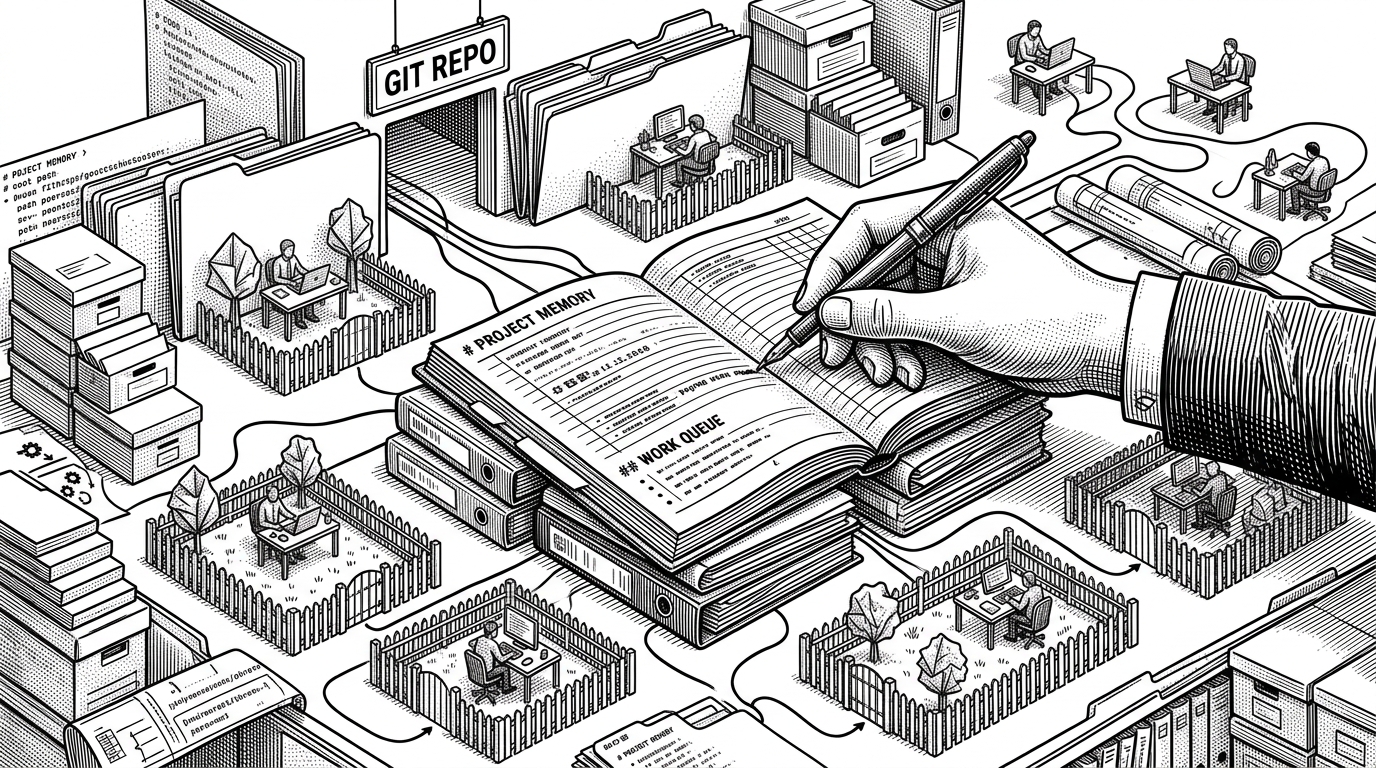
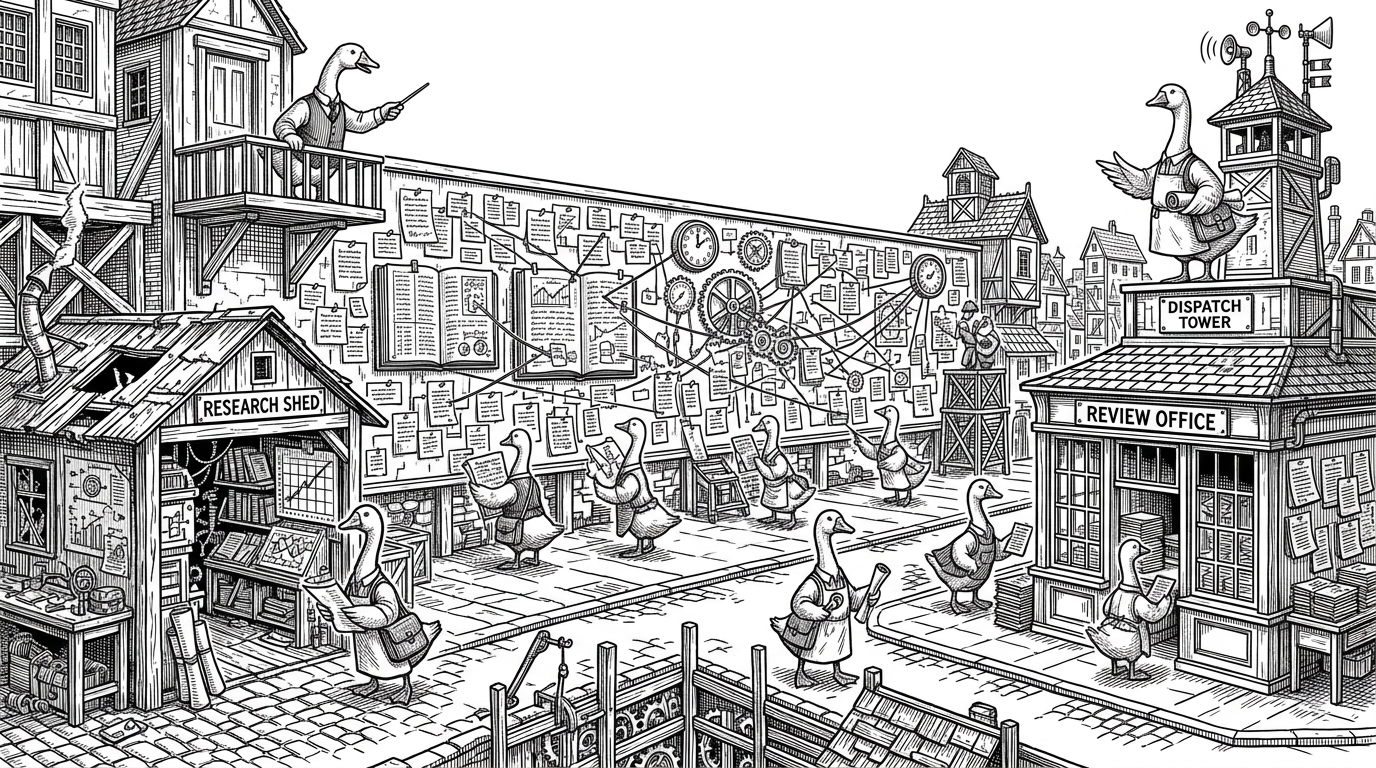
Goosetown’s most original move is not the goose theme. It is the decision to make coordination explicit, local, and inspectable with plain files. The gtwall pattern uses a shared log, per-agent read positions, and filesystem locks to create a broadcast channel that feels closer to Unix than to a typical agent framework.
That matters because most agent stacks hide communication behind opaque runtime machinery. Goosetown does the opposite: messages are durable, readable, and recoverable. If you understand a log file and a cursor, you understand the system.
| Single-agent stack | Goosetown | Why it matters |
|---|---|---|
| One agent holds the task, the tools, and the review loop. | An orchestrator decomposes work and delegates execution. | Role separation keeps the top-level context clean. |
| Memory usually lives inside the model context. | Memory is persisted on disk in readable files and logs. | State survives handoffs and becomes debuggable. |
| Review often means the same model checking itself. | Crossfire review asks multiple reviewers to challenge the output. | Disagreement appears before it becomes a bad answer. |
| Coordination is usually hidden inside frameworks. | Coordination is the product, and the wall makes it visible. | Operators can inspect the system instead of guessing. |
Goosetown coordinates flocks of AI agents — researchers, writers, workers, reviewers — so you describe what to build and the town builds it. Research-first, parallel by default, with crossfire reviews across multiple models.
Why the orchestrator refuses to do the work
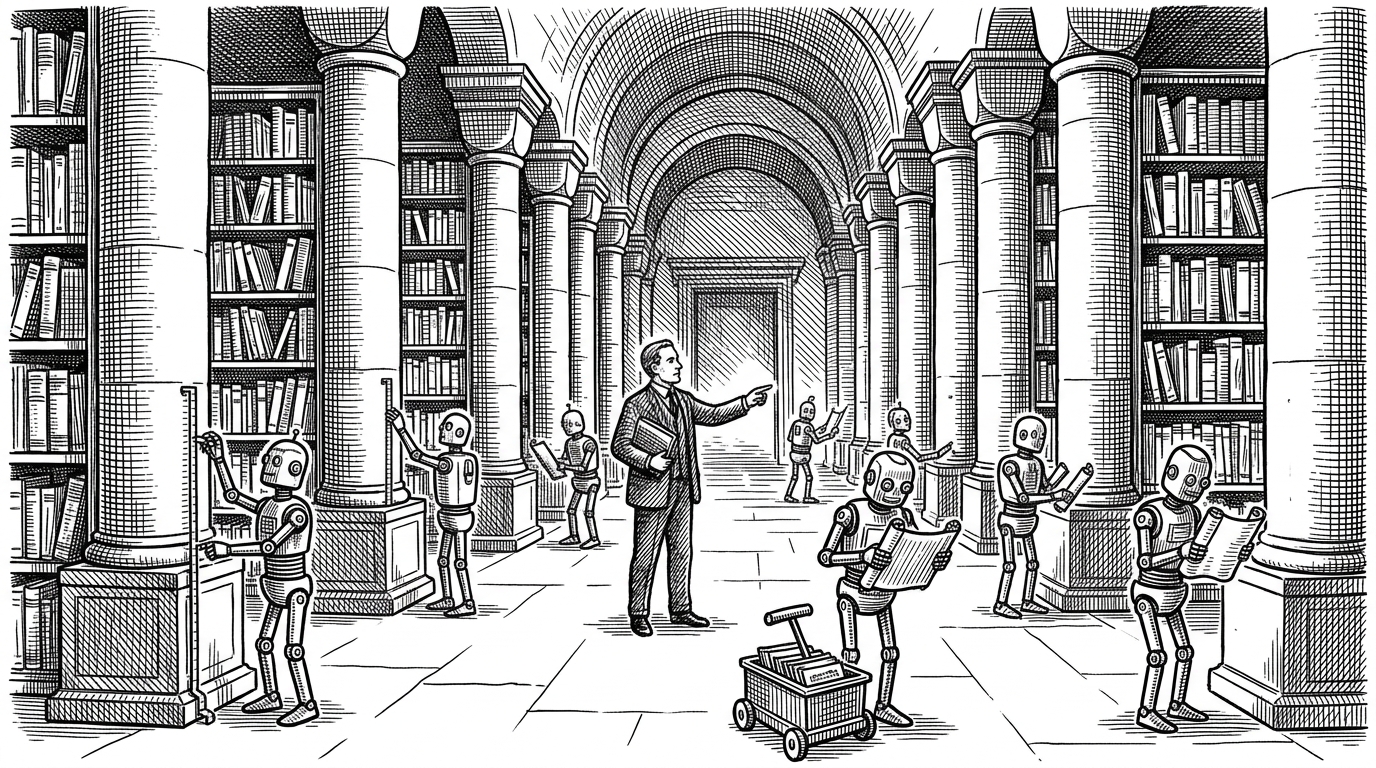
Goosetown’s orchestrator follows a simple rule: guard your context. It decomposes the request, dispatches parallel delegates, synthesizes the results, and reviews the output, but it is not supposed to do the substantive work itself.
That is not a constraint for its own sake. It is a way to protect the orchestrator from becoming the bottleneck. If the coordinator starts coding, writing, and thinking through every detail, it loses the altitude needed to manage the whole flock.
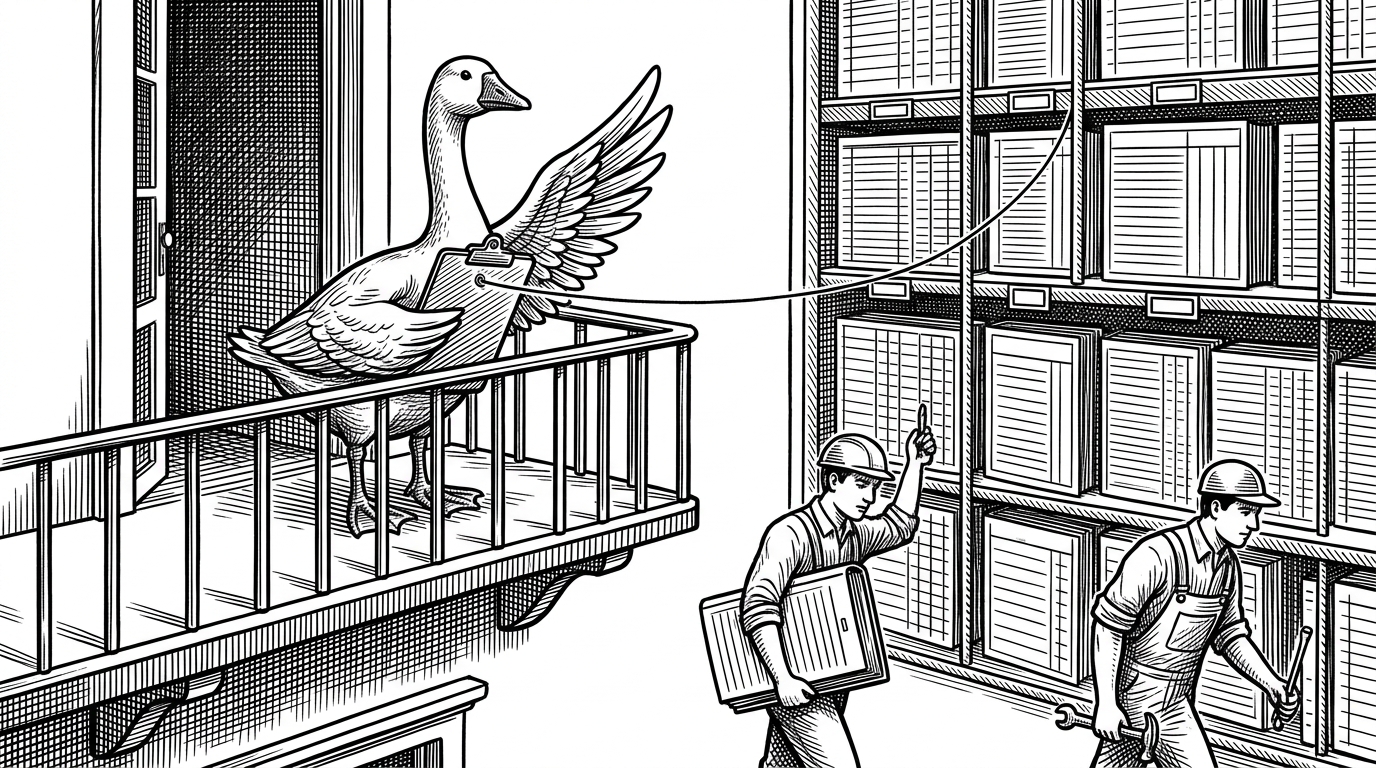
The flock model: parallel research, then crossfire review
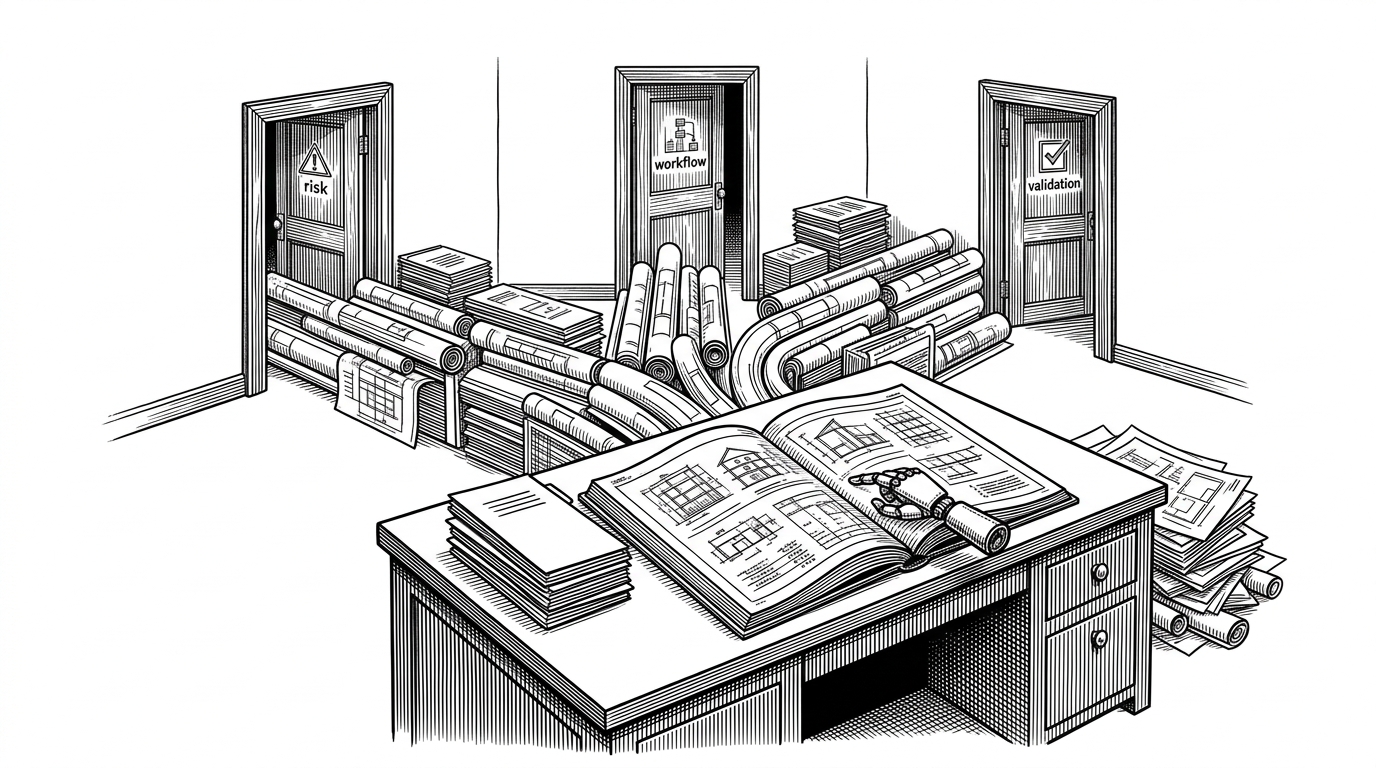
Goosetown does not trust a single pass. It spawns researchers in parallel, lets them gather evidence, and then uses crossfire review to challenge the result from multiple angles. In practice, that means the system is built to surface disagreement early, before it gets baked into the final answer.
The interesting part is not that multiple agents are used. It is that their roles are deliberately asymmetric. Researchers collect. Writers shape. Reviewers attack. The flock works because it makes those duties legible and separate.
| Conventional workflow | Goosetown workflow | Effect |
|---|---|---|
| One agent explores and decides in the same loop. | Research happens in parallel before synthesis. | Better coverage, less tunnel vision. |
| Review is optional or self-referential. | Review is a distinct role with its own job. | Quality control is not an afterthought. |
| The model context carries the whole job. | The filesystem carries durable state across agents. | Hand-offs are explicit and inspectable. |
| Coordination is mostly hidden. | Coordination is staged and visible on the wall. | Operators can see what each agent has read and done. |
This is where Goosetown starts to look less like a chatbot wrapper and more like an operating model. The flock does not exist to produce a single clever answer. It exists to produce a coordinated result that has already survived scrutiny.
The Village Dashboard makes coordination visible
The dashboard is useful because it turns invisible state into something you can watch. You can see which geese are active, which parts of the wall are moving, and where the workflow is stalled. That makes it a debugging surface, not a mascot.
In multi-agent systems, observability is not cosmetic. It is how you tell the difference between healthy parallelism and a flock that is simply busy in circles.
What Goosetown is really saying about agent systems
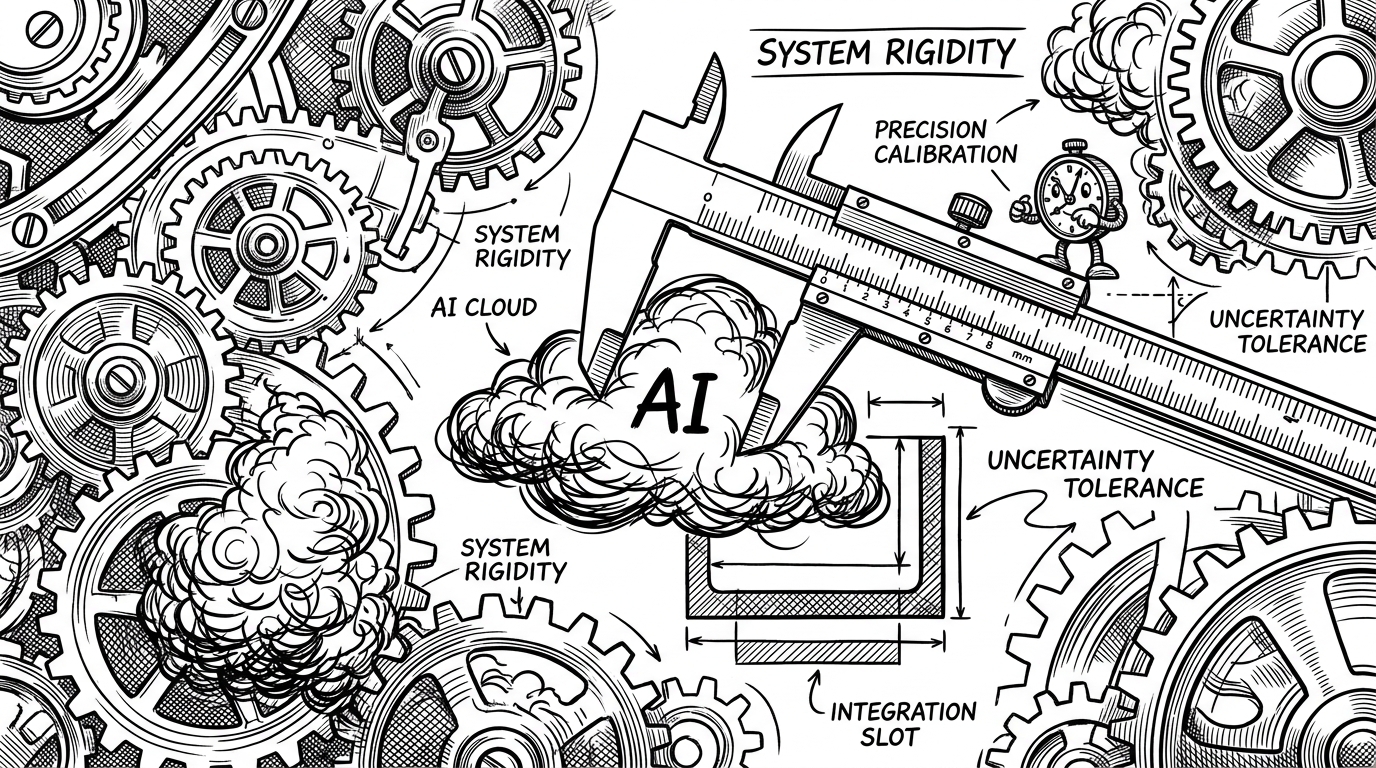
Goosetown’s argument is unusually crisp: if coordination is explicit, local, and inspectable, agent systems get easier to trust. That comes with a tradeoff. You give up some abstraction, but you gain control over the failure modes that matter.
That is why the filesystem matters so much here. A wall of text with locks and read positions is not just implementation detail. It is the project’s philosophy rendered as software: durable state, clear roles, and coordination you can actually inspect.
| Default assumption | Goosetown’s bet | Practical implication |
|---|---|---|
| Centralize intelligence in one agent. | Distribute work across a flock with explicit roles. | Parallelism becomes a design principle. |
| Hide coordination behind infrastructure. | Use visible files, logs, and positions. | Debugging gets simpler, not harder. |
| Let the model self-review. | Use separate reviewers to challenge output. | Quality improves through conflict, not confidence. |
| Treat orchestration as overhead. | Treat orchestration as the core product. | The system becomes legible to operators. |