EndlessDreams: When Stable Diffusion Becomes a Live Instrument
A performance-obsessed take on generative video that favors instant steering, multimodal input, and rough-edged feedback over polished cinematic output.
- EndlessDreams is not trying to win on polish. It treats latency, responsiveness, and user steering as the main product.
- The project turns Stable Diffusion into a streamable system by combining multimodal input with a low-step sampler and a feedback loop.
- Its jitter is not an accident to be hidden. It is the visible cost of making generative video feel playable.
- The repo reads like both prototype and manifesto, which makes its engineering choices feel inseparable from its artistic thesis.
Most AI video tools are judged like film tools. EndlessDreams asks a different question: can a generative system feel playable? That shift changes everything, because once latency becomes the headline feature, jitter stops being a defect and starts looking like evidence that the machine is listening.
Why jitter is the point
The project’s most interesting move is also its most counterintuitive one. Instead of chasing the smoothest possible clip, EndlessDreams accepts rough edges in exchange for immediate control. That gives the user a sensation closer to playing a synth than waiting on a render queue.
The README frames the system around real-time Stable Diffusion, or RTSD, and the performance numbers back up the claim. The point is not to produce the most cinematic frame. The point is to produce the next frame quickly enough that a human can still steer the output while thinking in the moment.
From database tuning to dream streaming
The repo’s personality comes from the builder’s background. EndlessDreams reads like it was written by someone who has spent years thinking about throughput, bottlenecks, and how to make a system feel fast even when the underlying computation is heavy.
That matters because it explains the project’s priorities. A model-first team would start with fidelity. A performance-first team starts with latency budgets, hardware efficiency, and the cost of each extra step in the sampling loop.

What EndlessDreams actually streams
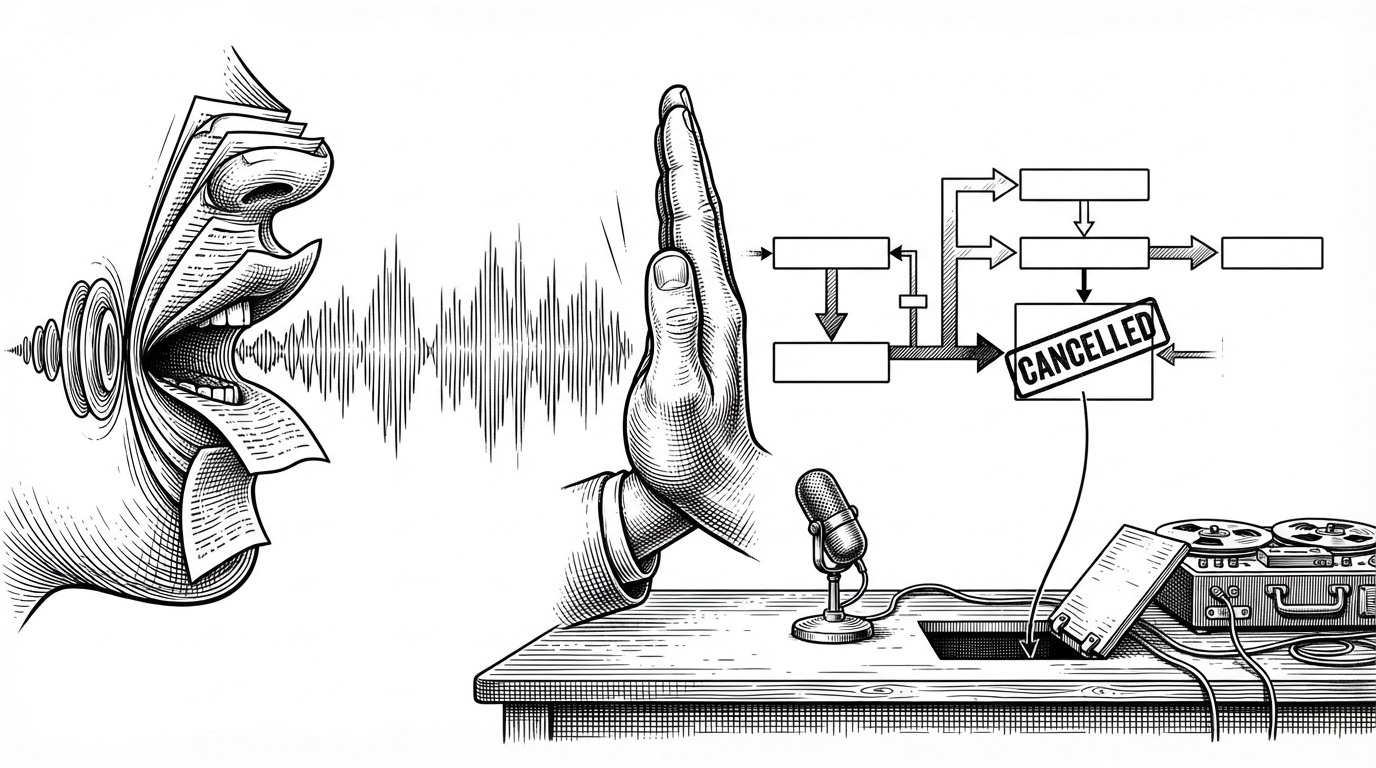
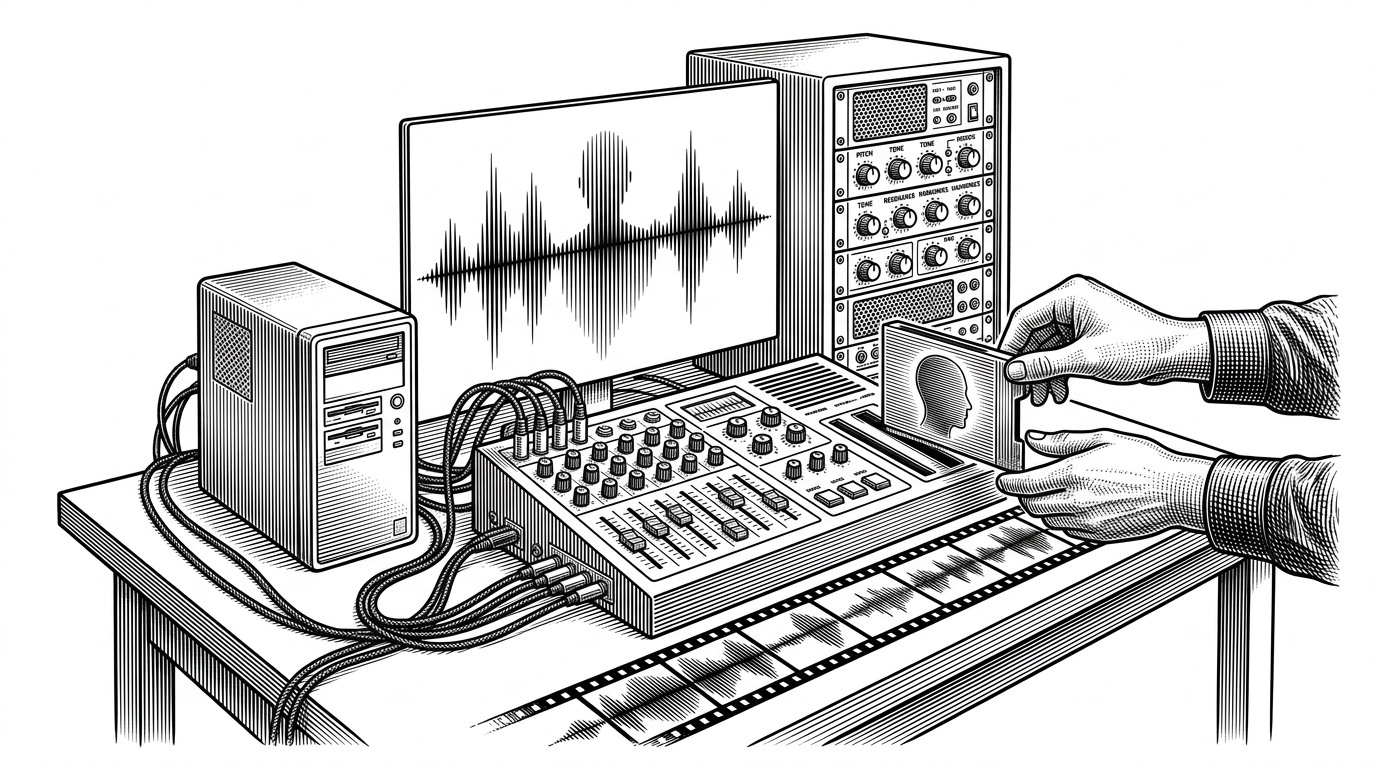
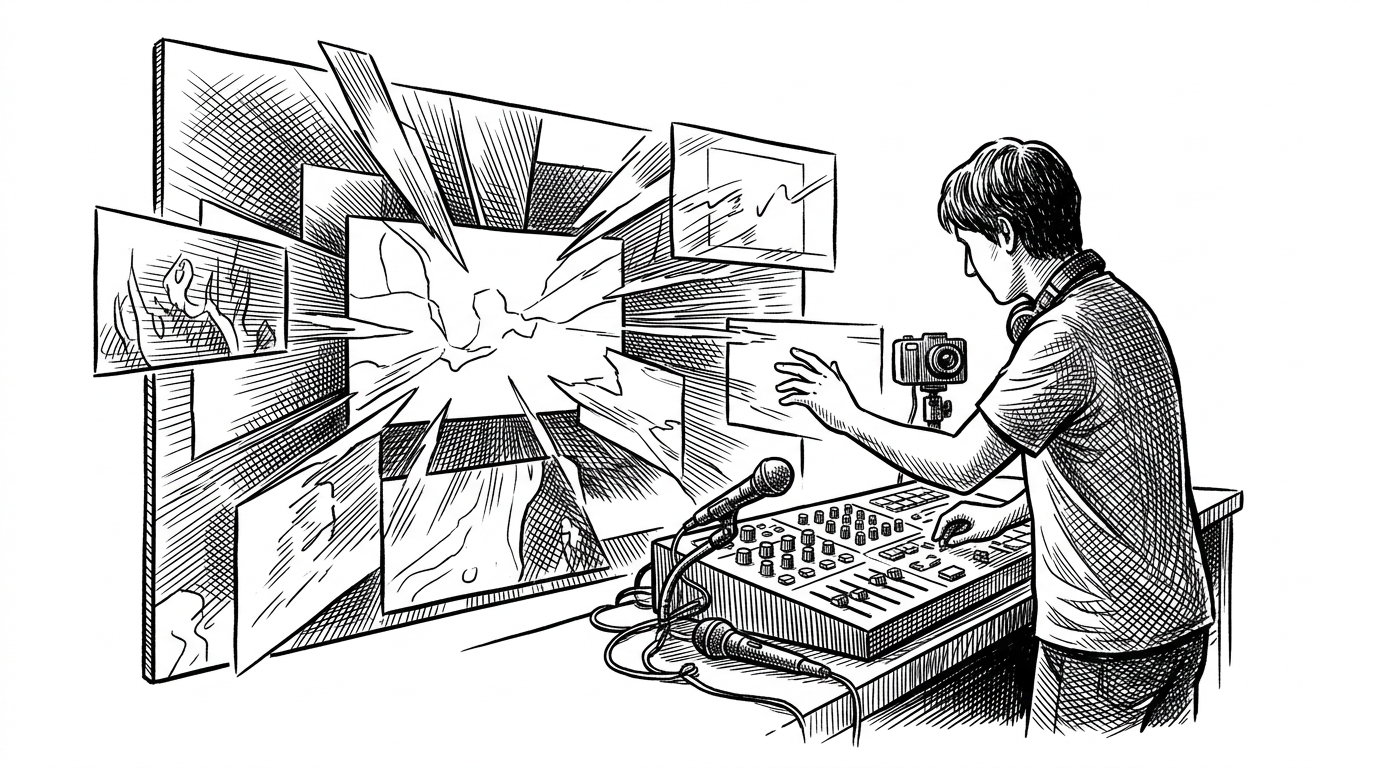
The system is built around a multimodal control loop. Voice can steer prompts or camera movement. A webcam or pose input can feed the visual condition. Direct noise manipulation lets the user push into the latent state itself. In other words, this is not a text box that happens to generate video. It is a control surface.
At the technical level, the important idea is that LCM style sampling compresses the number of steps needed before a frame becomes useful. Fewer steps mean less waiting. Less waiting means the user can keep shaping the stream while it is still being formed.
| Dimension | Traditional diffusion workflow | EndlessDreams workflow |
|---|---|---|
| Primary goal | Maximum polish per output | Immediate steering per frame |
| Latency | High enough to break the interaction loop | Low enough to stay conversational |
| User role | Prompt author | Live performer |
| Visual character | Smooth and coherent | Fast, rough, and reactive |
| System focus | Batch generation | Streaming generation |
| Hardware posture | Heavy compute tolerated | Performance tuned for responsiveness |
The RTSD idea, in plain English
RTSD means treating Stable Diffusion like a real-time system instead of a batch generator. That sounds subtle, but it is a major shift in product philosophy. Once a model is expected to respond continuously, every part of the stack becomes fair game for optimization: sampling steps, input fusion, frame buffering, and the hardware underneath it.
That also changes what success looks like. A standard generator is judged on the beauty of an individual output. EndlessDreams is judged on how well the next moment follows the user’s hand, voice, or camera motion.
What you give up to get instant control
The cost is visible. Jitter appears. Temporal consistency gives way. Frames can feel like they are negotiating with each other instead of gliding smoothly into place. But that trade-off is not a failure of the project. It is the project.
That honesty makes the repo more credible than a polished demo would have been. It does not pretend the system can have both perfect smoothness and fully live control at the same time. It chooses the latter and lets the aesthetic consequences show up on screen.
How it sits in the AI video landscape
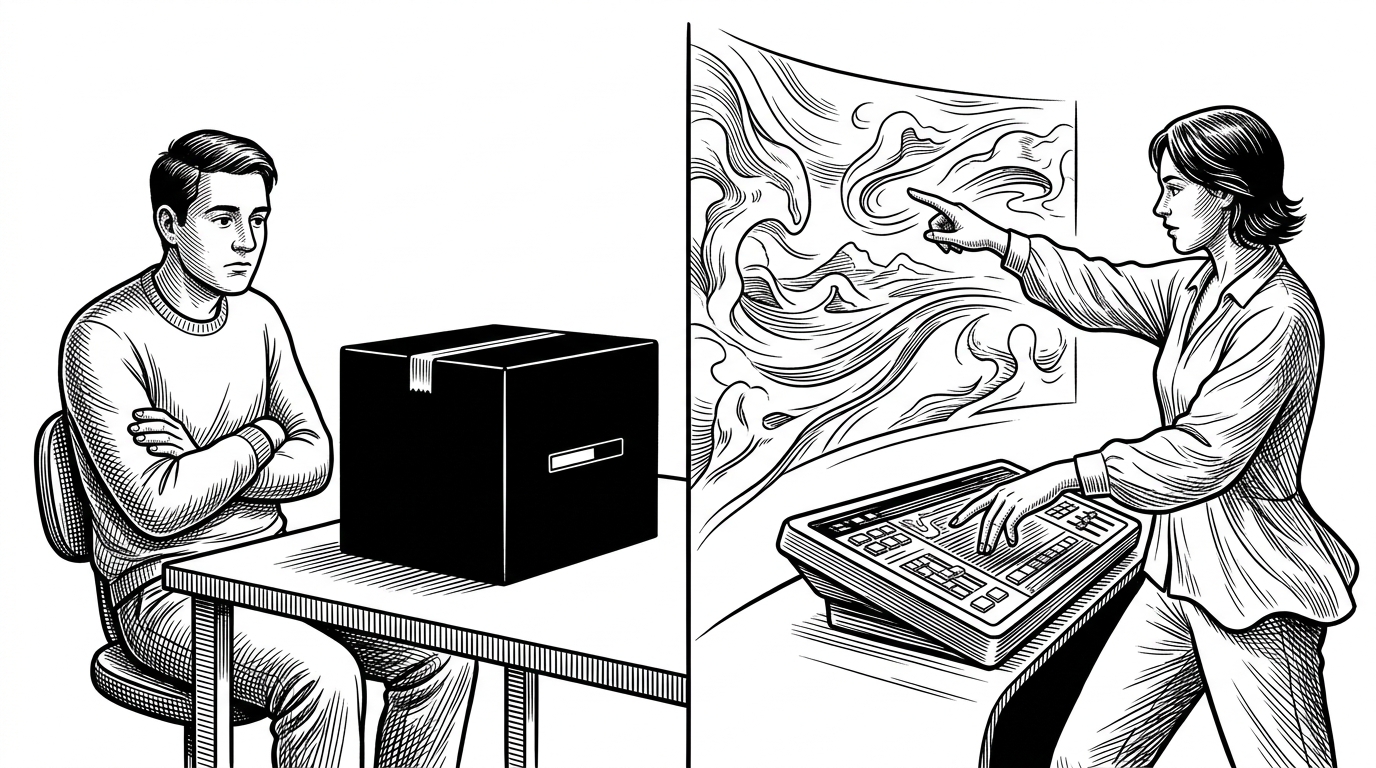
EndlessDreams does not sit in the same lane as systems whose main promise is cinematic coherence. It is closer to an instrument builder’s answer to generative video: open, hackable, and biased toward interaction. That makes it easier to compare it with conventional Stable Diffusion workflows, but the deeper comparison is really philosophical.
| Category | Typical video generator | EndlessDreams |
|---|---|---|
| Interaction model | Prompt, wait, review | Prompt, steer, react |
| Output priority | Smooth motion and coherence | Live responsiveness and control |
| Best use case | Finished clips | Performance, experimentation, VJ-style work |
| Feedback cadence | Slow | Immediate |
| Aesthetic cost | Low jitter, higher delay | More jitter, less delay |
| System identity | Renderer | Instrument |
That distinction matters because it opens a different market and a different creative practice. A tool like this is not trying to replace polished generators. It is trying to create a category where low-latency generation is the feature people care about most.
The unfinished shape of the project
The repository feels like a source-available manifesto in progress. The README carries the weight of a product brief, a technical note, and an artistic argument all at once. That makes EndlessDreams interesting in a specific way: it is both proof that the idea works and a reminder that the broader platform around it is still forming.
That tension is part of the story. Projects like this often begin as one person’s optimized edge case and only later become something others can adopt. EndlessDreams is still closer to the edge than the center, which is exactly why it is worth reading carefully.