abraxas-online: Abraxas Online: The VB6 MMORPG That Built a World Out of Sprites, Slashes, and DirectX 7
A close look at how a legacy Argentine MMO client layers character parts, parses chat like a shell, and keeps a 2D world alive with old-school rendering discipline.
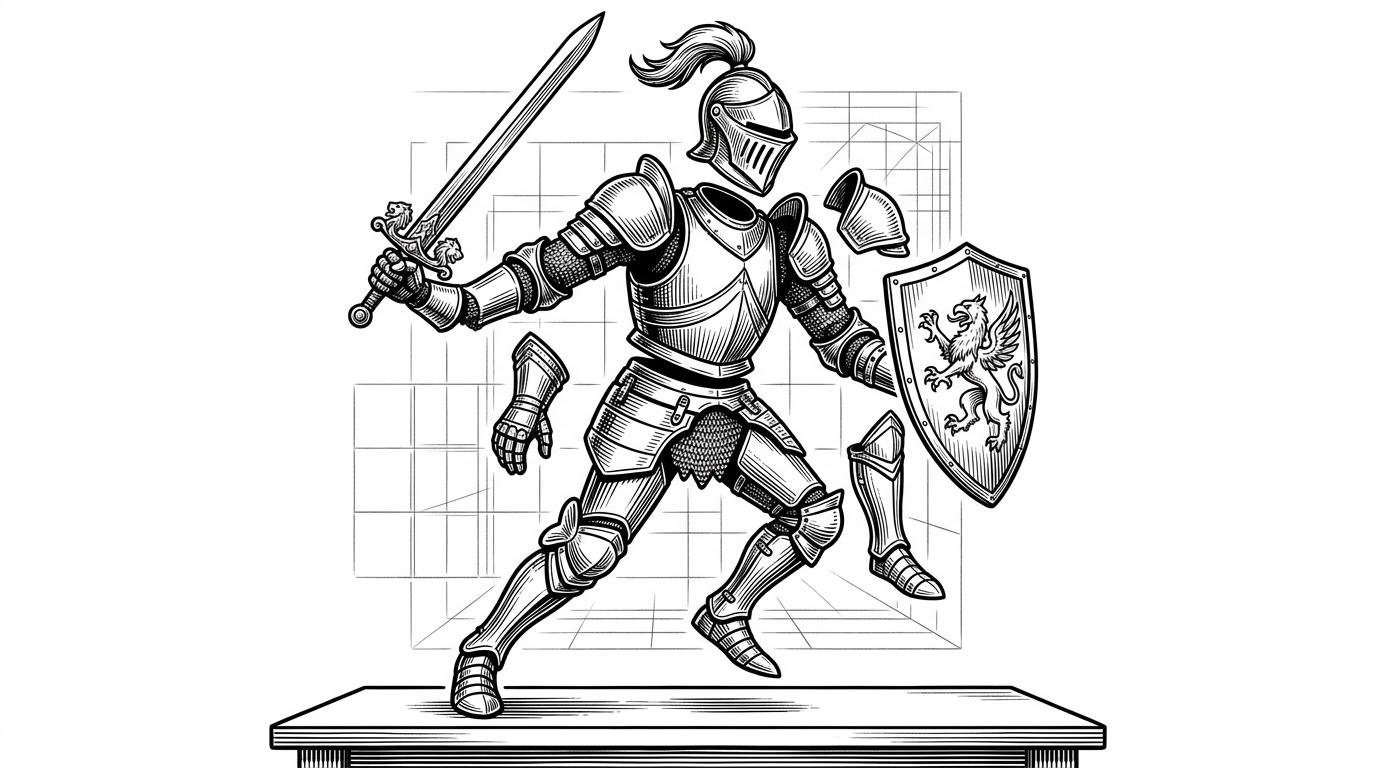
- Abraxas Online turns character rendering into assembly, which is why its paper doll system is the most revealing part of the client.
- The codebase is a time capsule of VB6-era game programming, where global state, timer loops, and DirectDraw surfaces were normal design choices.
- Its chat box doubles as an operator console, so player communication and game control live in the same interface.
- The repo matters because it shows how multiplayer worlds were built when every abstraction had to be earned by hand.
The easiest way to misunderstand Abraxas Online is to see only its age. The more useful reading is architectural: this client was built in a period when online worlds had to be assembled from brittle pieces, and every piece had to justify its existence. That makes the repository less like a nostalgic relic and more like a working manual for how early 2D MMORPGs survived.
A Character Is Not a Sprite. It Is a Stack
The paper doll system is the cleanest expression of the whole project. A character is not one bitmap with one pose. It is a layered composition of body, head, helmet, weapon, shield, and overlays, drawn in a strict order so the final avatar reads correctly on screen.
That matters because it solves two problems at once. It gives the game a lot of visual variety without storing a unique sprite for every equipment combination, and it keeps the client honest about memory and performance. In other words, the code is not merely clever. It is frugal in the way old game code had to be.
' Conceptual layer order
DrawTileFloor
DrawObjects
DrawBody
DrawHead
DrawWeapon
DrawShield
DrawOverlay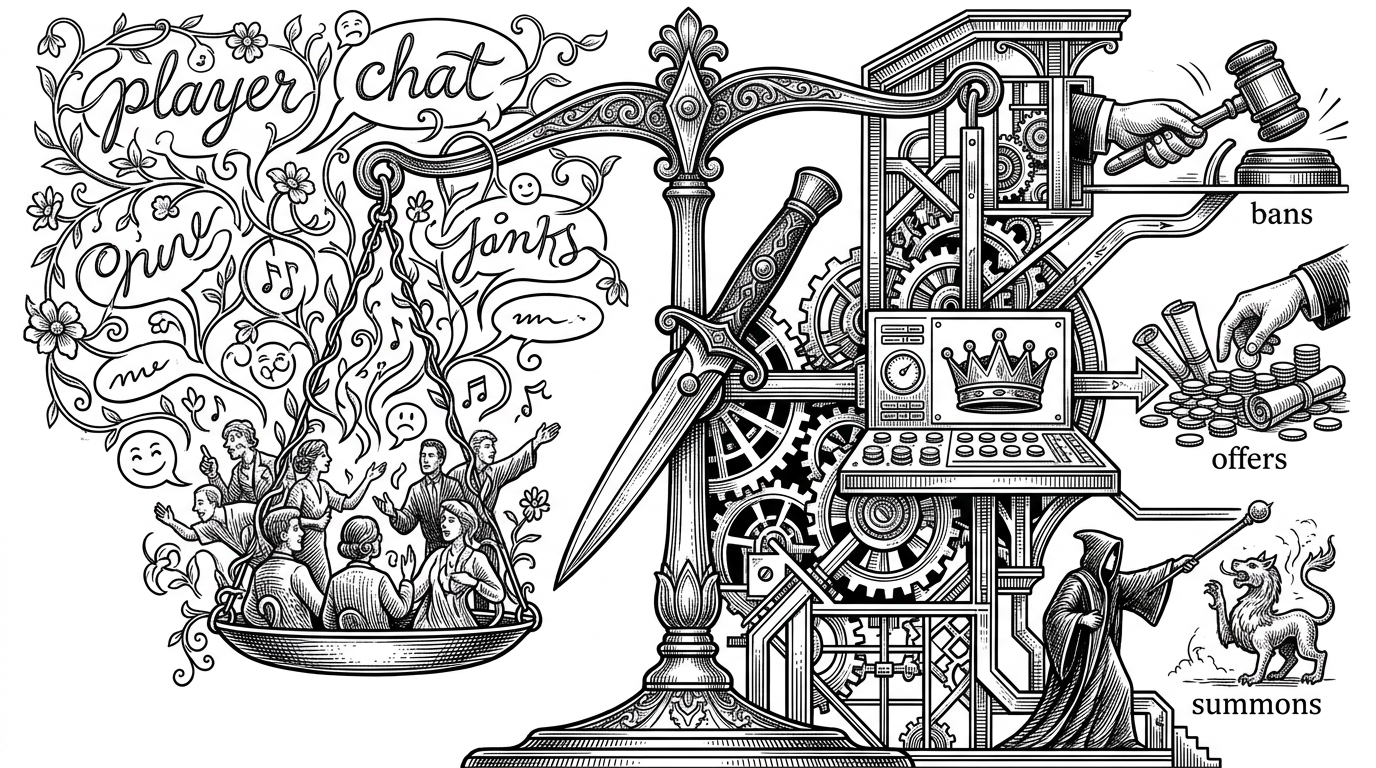
What the Engine Actually Draws, Frame by Frame
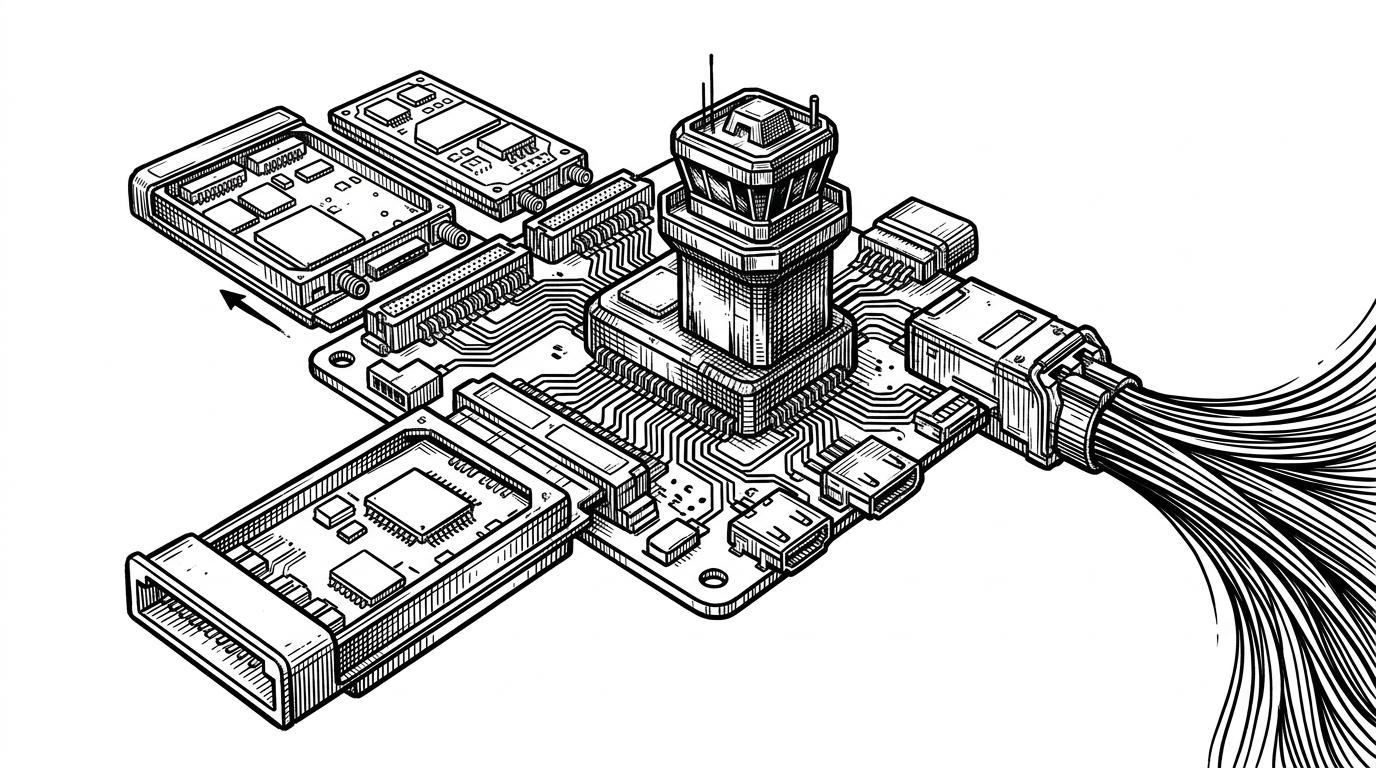
The rendering path is built around TileEngine.bas, and it reads like software from an era when flicker was a real enemy. The client draws into a backbuffer, then flips that finished frame to the primary surface. That extra step matters because the world is made of layers, and layers only feel seamless if the player never sees them arrive one at a time.
This is where DirectDraw 7 stops being a historical footnote and becomes part of the design. The engine is not abstracted away from the hardware. It is speaking to it directly, which is why the code contains so much explicit surface management, bitmap handling, and frame discipline.
The result is not modern, but it is coherent. The pipeline is explicit enough that you can trace each frame from assets to screen without guesswork, and that clarity is one reason the client still teaches well. It shows how 2D online worlds were made before engines started hiding the hard parts.
The Client Speaks in Packet IDs and Slash Commands
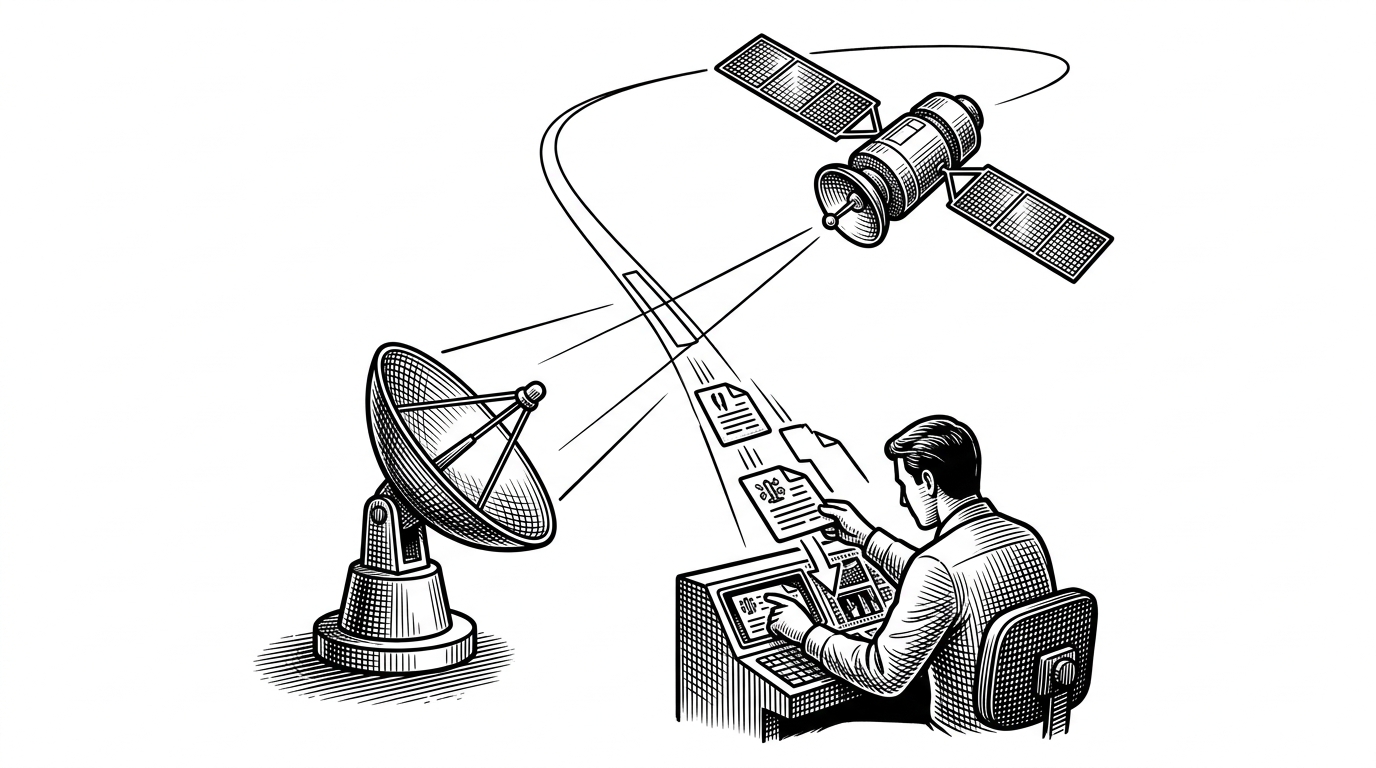
Networking is handled through packet identifiers and binary message parsing in Protocol.bas, while ProtocolCmdParse.bas gives the chat box an operator layer. That combination is the real surprise. The UI behaves less like a modern messaging surface and more like a command shell with a game attached.
| Old pattern | What Abraxas Online does | Why it matters |
|---|---|---|
| Player input | Slash commands in chat | Speech and control share one channel |
| Network messages | Packet IDs and byte parsing | The protocol is compact and explicit |
| Admin actions | Commands such as /BAN and /SUMMON | Operators act inside the same text interface as players |
| User experience | Learned syntax instead of menus | Power comes from memorizing the language of the world |
That design makes the game feel like an environment with rules, not just a set of clickable screens. It also reveals how early MMO teams thought about interface. If a command was faster than a menu, it was the better tool, even if it made the client feel severe by modern standards.
VB6 as a Whole-Program Mindset
Declares.bas is the giveaway. It concentrates state, constants, and shared systems in one place, which is classic VB6 and absolutely of its era. The client depends on a few giant organs: global variables, a timer-driven main loop, and modules that can see each other too easily.
That is not elegant in a contemporary sense. But it is legible in a practical one. When the whole program is expected to live inside a single desktop client and run on limited hardware, a shared-state architecture becomes less of a smell and more of a survival strategy.
Why This Code Feels Rough and Still Works
By modern standards, the client is full of trade-offs: On Error Resume Next, tight coupling, old APIs, and logic that reaches across forms and modules without much ceremony. None of that is surprising. What matters is that the code was written for a world where shipping a functional MMO client was harder than keeping it aesthetically clean.
| Constraint | Typical modern choice | Abraxas Online choice |
|---|---|---|
| Character variety | Skeletal rigs or atlas pipelines | Layered sprite composition |
| App structure | Scoped modules and explicit boundaries | Global shared state |
| Frame timing | Engine-managed rendering loop | Timer-driven updates |
| UI interaction | Menus and contextual controls | Slash commands in chat |
| Graphics API | High-level engine abstraction | DirectDraw 7 surfaces |
That does not make the code beautiful in a timeless way. It makes it honest. Every shortcut maps back to a constraint, and every constraint explains why the system was built the way it was.
Abraxas Online vs. Modern Game Clients
The useful comparison is not whether the old client is better. It is what the old client had to reinvent because the stack had not done the work yet. Modern engines hide a lot of the pain behind asset pipelines, event systems, and rendering frameworks. Abraxas Online had to spell out the same ideas directly.
| Area | Abraxas Online | Modern client |
|---|---|---|
| Rendering | DirectDraw surfaces and explicit layers | Engine abstraction and batched pipelines |
| State | Global modules and shared memory | Scoped state management and event flow |
| Avatar assembly | Body, head, gear, overlays | Skeletal animation or atlas-driven rigs |
| Interface | Chat as a command surface | Contextual UI and action systems |
| Networking | Packet IDs and manual parsing | Higher-level transport and serialization tools |
The point is not nostalgia. It is to notice how much engine work is now invisible, and how much of that invisibility was once built one careful assumption at a time. Abraxas Online is valuable because it exposes the assumptions.
Why the Repo Matters Now
As an archive, this repository is useful to anyone studying VB6, retro networked games, or the design of early online worlds. As a working client, it is a reminder that technical constraints can create elegant local solutions. The paper doll system, the layered rendering path, and the command-driven UI all solve real problems with very little waste.
That is why the code still deserves attention. It is not just old. It is explicit, and that explicitness makes it educational. You can see the shape of the world before newer tools began to hide it.