OpenMontage: The Open-Source Video Studio Built for AI Agents
A deep dive into the skill-based orchestration layer that turns coding assistants into video producers, from reference-video reverse engineering to cost-aware model routing and frame-accurate rendering.
- OpenMontage is interesting because it turns video production into an inspectable control plane instead of a single black-box generation call.
- Its skill files teach an agent how to route work across tools, providers, and fallback paths, which makes the system legible to both humans and models.
- The reference-video workflow shifts the goal from mimicking pixels to transferring production structure, pacing, and editorial rhythm.
- Its real edge is hybridization: Remotion, FFmpeg, Manim, D3, and TTS let the system assemble production-grade output from deterministic parts as well as generative ones.
The studio is the product
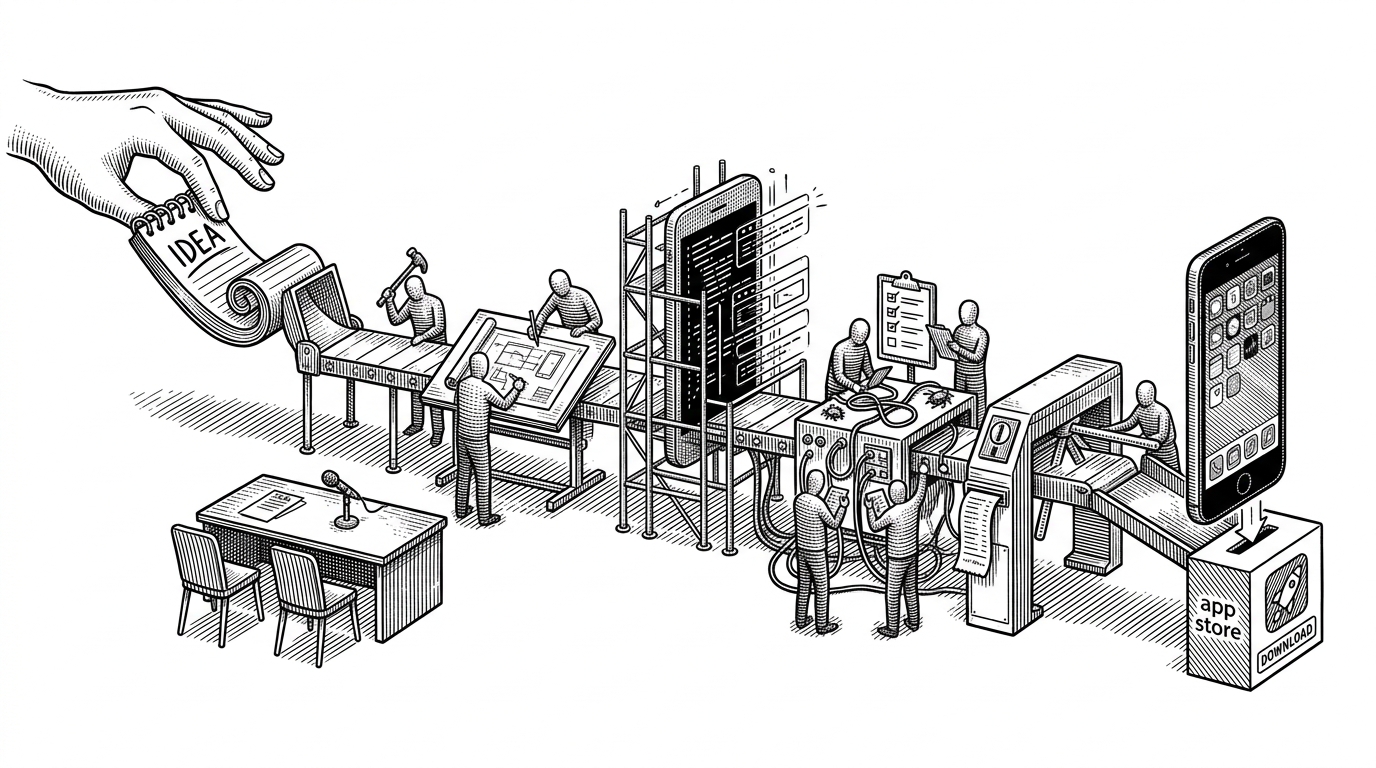
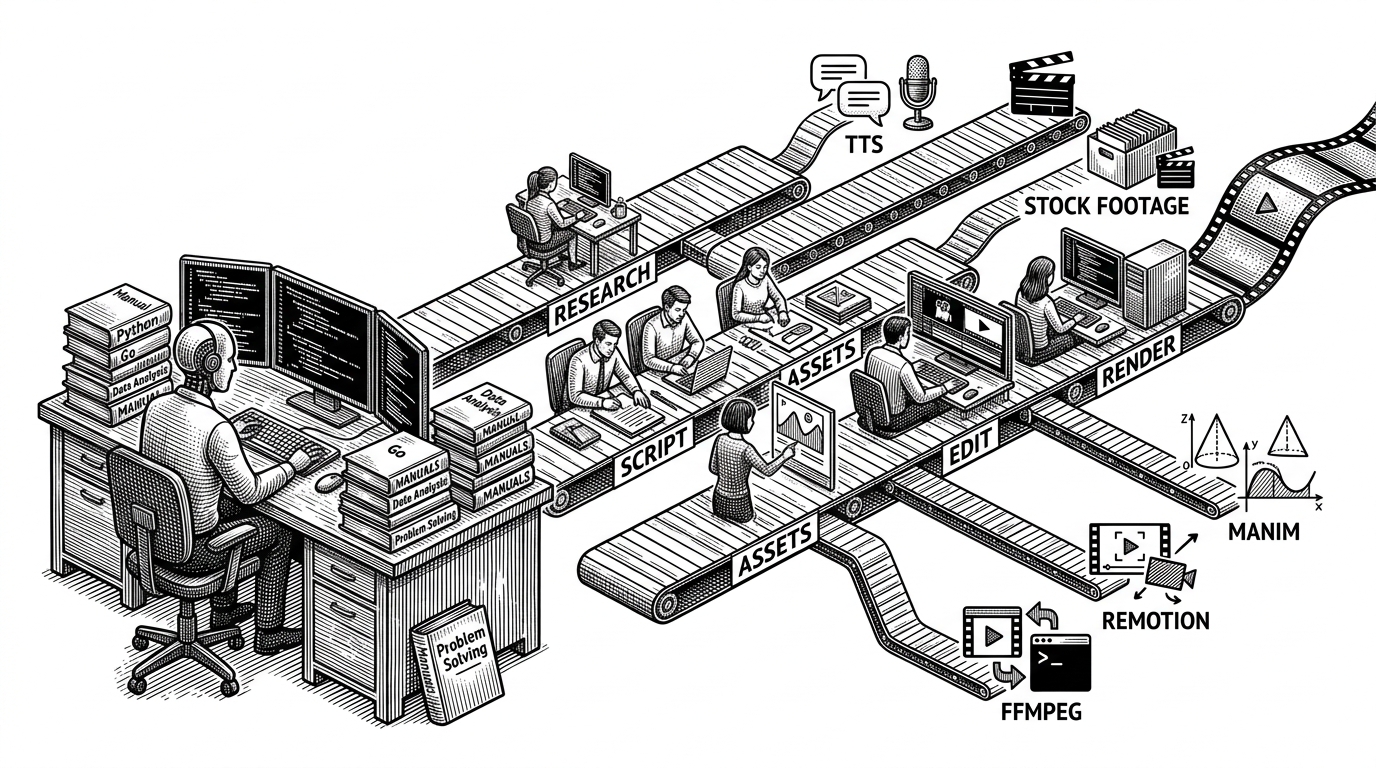
OpenMontage does not present itself as another prompt box for making clips. It behaves more like a video production operating system, where an AI assistant can research, script, source assets, assemble timelines, and render the final cut. That shift matters because the unit of work is no longer a clip. It is a production run.
The repository’s own framing is blunt: the README says, "Describe what you want in plain language â your agent handles research, scripting, asset generation, editing, and final composition." That is the thesis in one sentence. OpenMontage is built for delegation, not just generation.
Describe what you want in plain language â your agent handles research, scripting, asset generation, editing, and final composition.
Why skills matter more than prompts
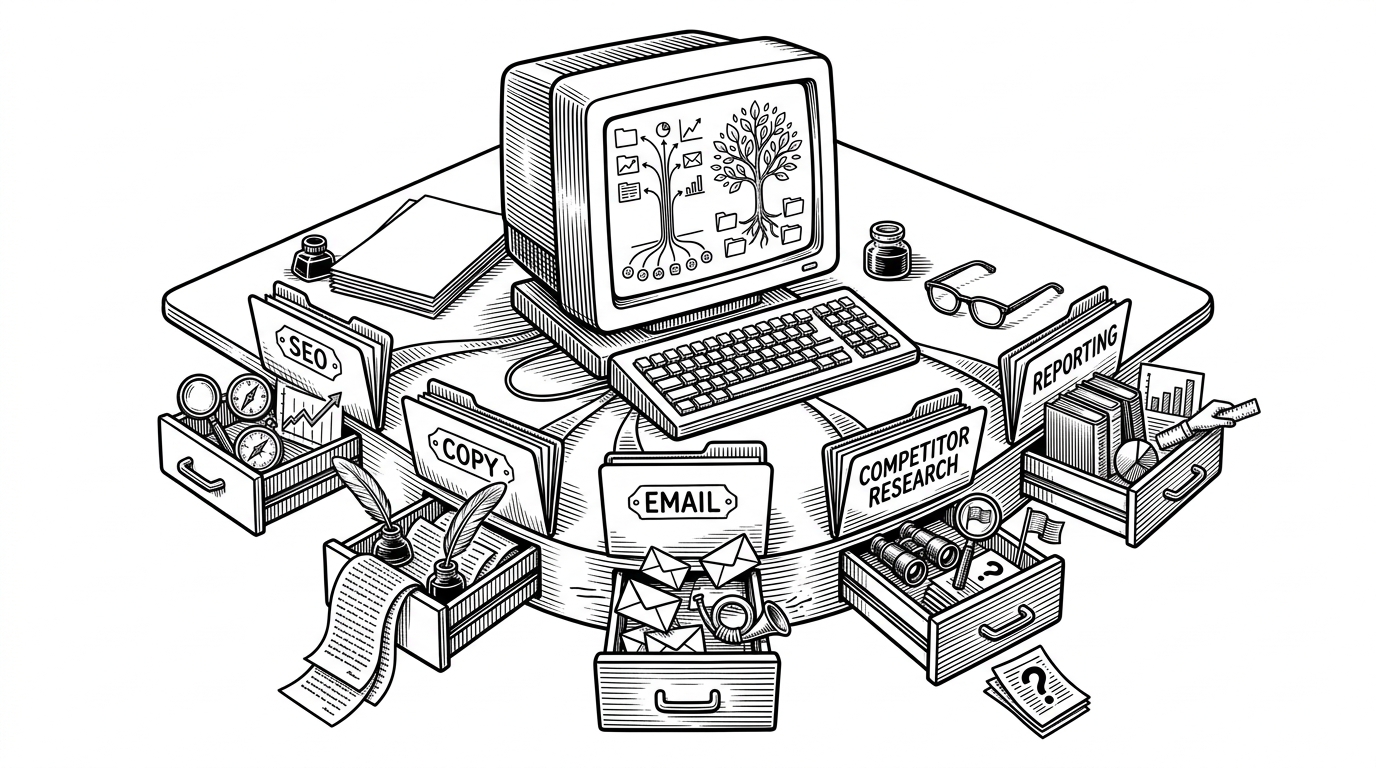
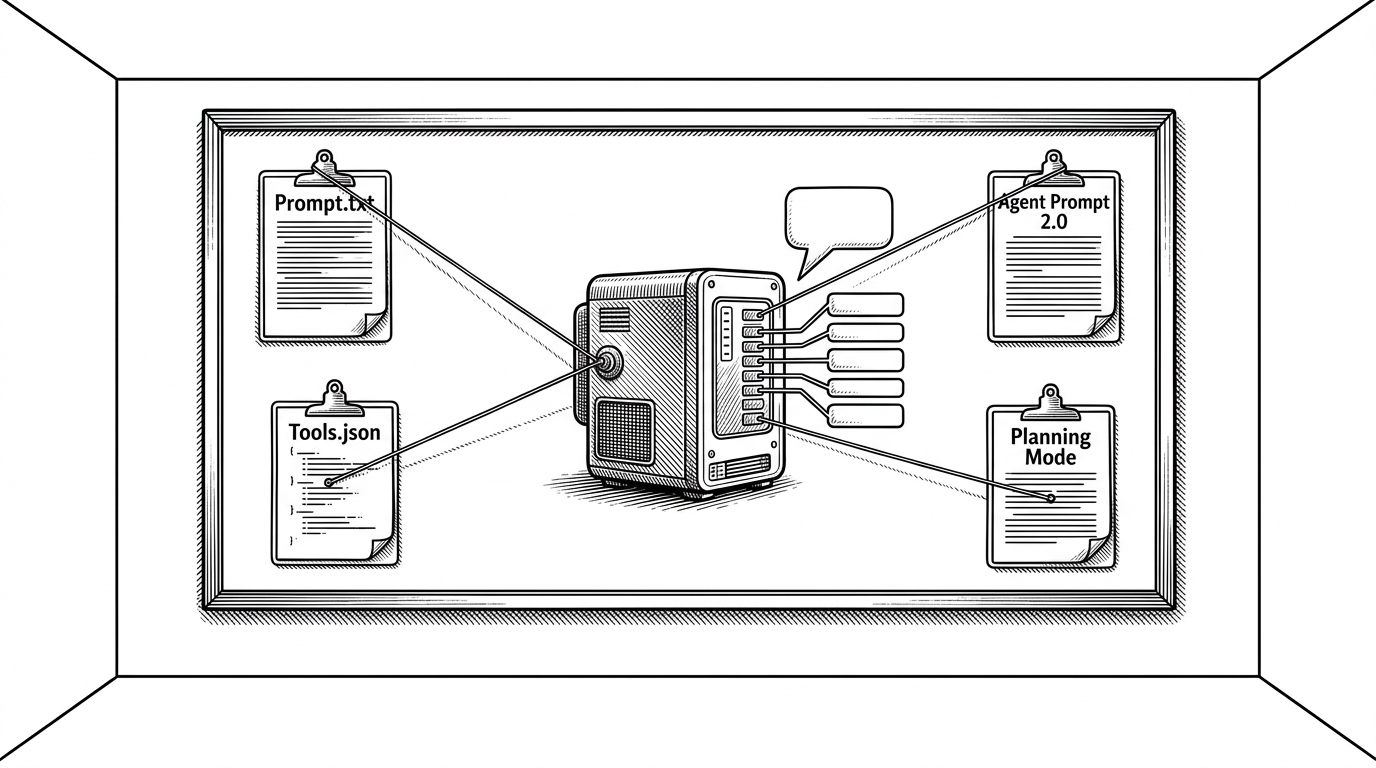
The heart of the repo is .agents/skills/. Each skill folder contains a SKILL.md file, which reads less like application code and more like an operator manual for the agent. That distinction is the point. Instead of compressing every instruction into one giant prompt, OpenMontage breaks production knowledge into reusable modules.
That modularity buys the system something most chat-based workflows lack: stable behavior under complexity. A skill can teach the model how to use a tool, what a valid output looks like, and which fallback to try if the first route fails. In practice, that makes the agent less like an improviser and more like a producer following a runbook.
That is also why the project feels durable. The repo is not just teaching a model what to say. It is teaching it how to behave when the work spans research, media generation, editing, and render orchestration.
The reference video workflow flips the script
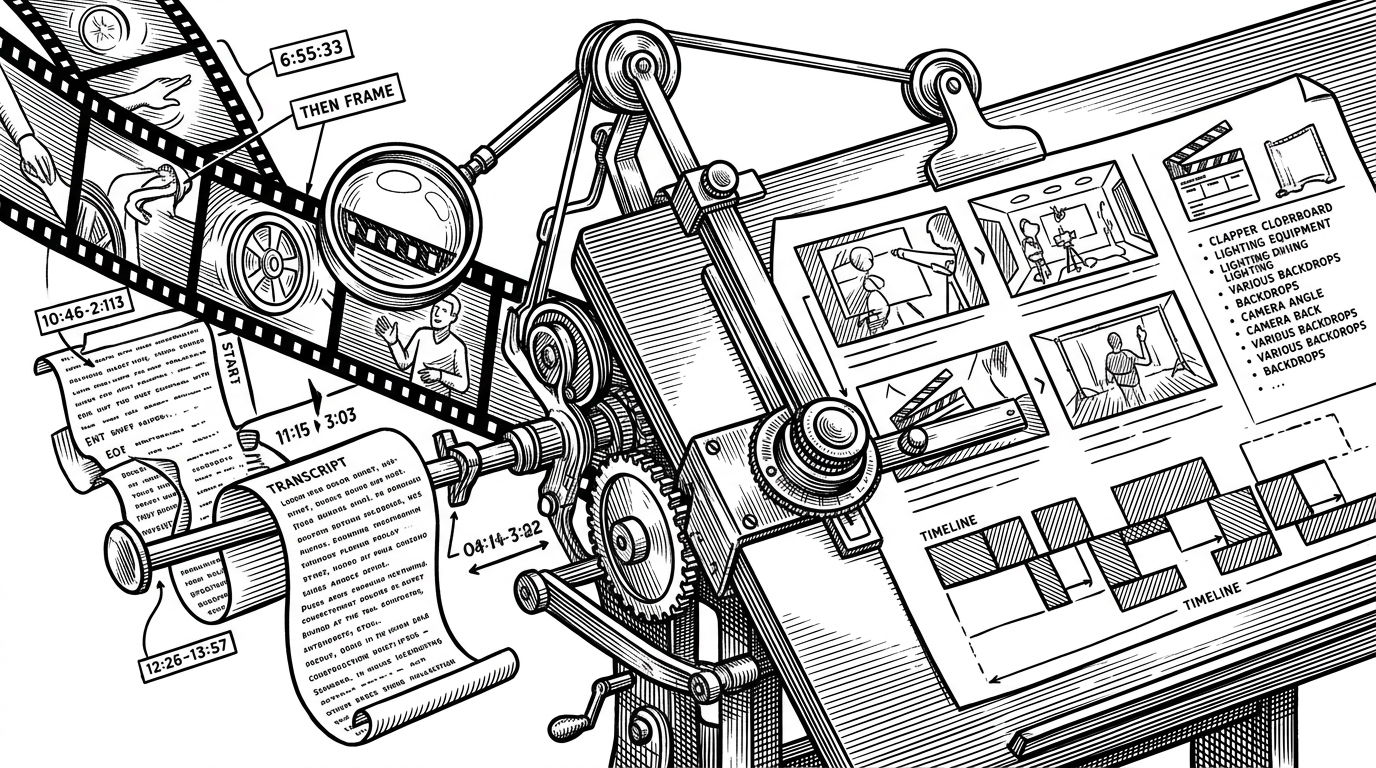
The most interesting workflow in OpenMontage starts with a video you already like. The goal is not to copy it pixel for pixel. The goal is to extract the structure of the thing: transcript, pacing, scene changes, and editorial rhythm. Then the system rebuilds that logic with new content.
That is a very different creative stance. Traditional text-to-video tools ask for a prompt and hope for a usable result. OpenMontage asks for a source of editorial truth, then turns that source into a production blueprint.
| Conventional text-to-video | OpenMontage |
|---|---|
| Prompt-only input | Prompt plus skills plus reference-video analysis |
| Black-box output | Inspectable production pipeline |
| Single model gamble | Routed multi-provider system with fallback logic |
| Post-hoc tweaking | Timeline-first composition |
| Stylized clip | Assembled production artifact |
Model routing turns creativity into operations
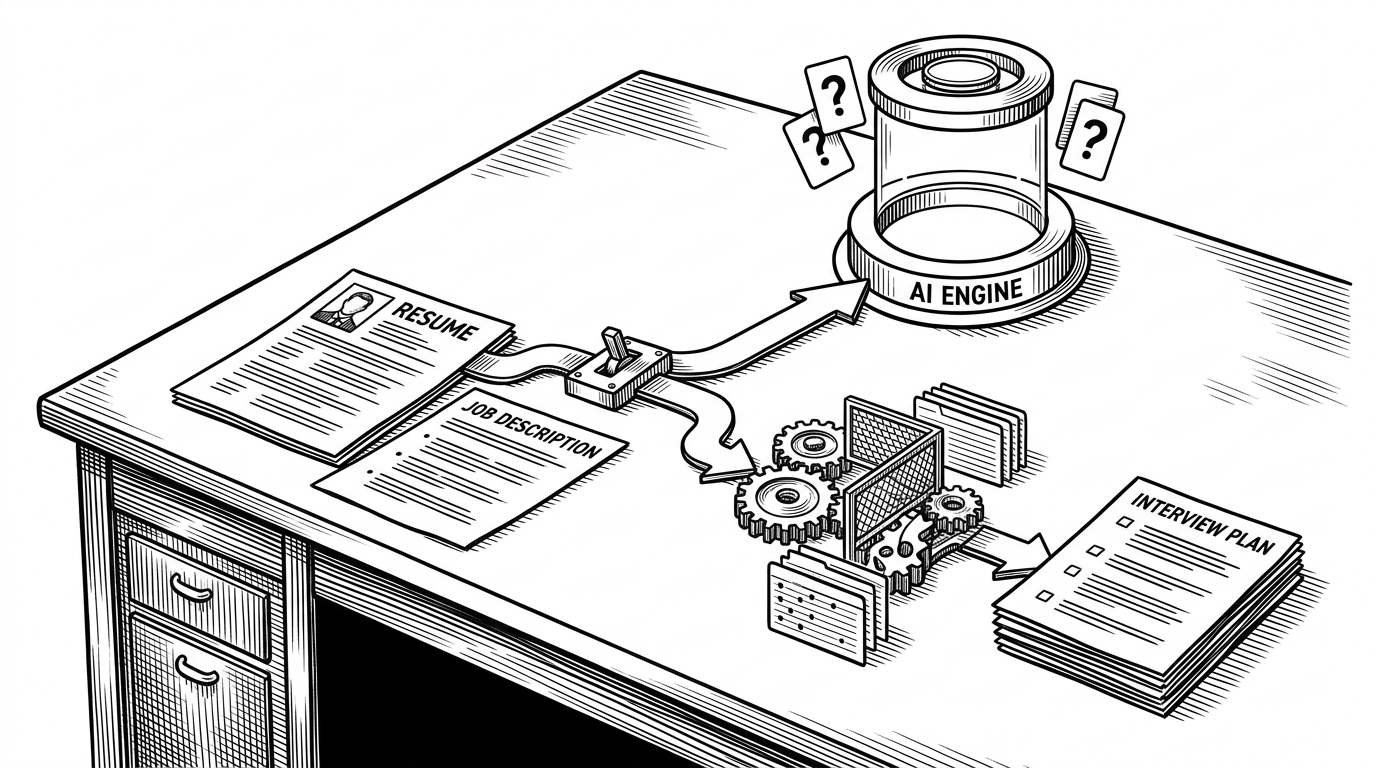
The ai-video-gen skill is where OpenMontage becomes operationally interesting. It does not treat video generation as one provider to call and hope for the best. It treats it as a routing problem across models, cost points, and capability sets.
That means the system can choose between providers such as VEO, Kling, Sora, and others based on the task at hand. The important thing is not vendor fandom. It is that the project encodes selection logic, which makes creative production behave more like cloud orchestration.
| Question | Single-model workflow | OpenMontage routing logic |
|---|---|---|
| Which model should run this task? | Whichever model the user picked first | The skill can select a provider based on cost, quality, or fallback needs |
| What happens on failure? | The request often stops | The route can shift to an alternate provider or tool |
| How visible is the decision? | Usually hidden inside the API call | The production path is inspectable |
| What is being optimized? | The prompt-to-clip result | The whole production pipeline |
That cost awareness matters. When the system can track the route, it can also track trade-offs. The result is a video stack that behaves less like a demo and more like a production budget manager with technical judgment.
Remotion, Manim, and D3 make the output real
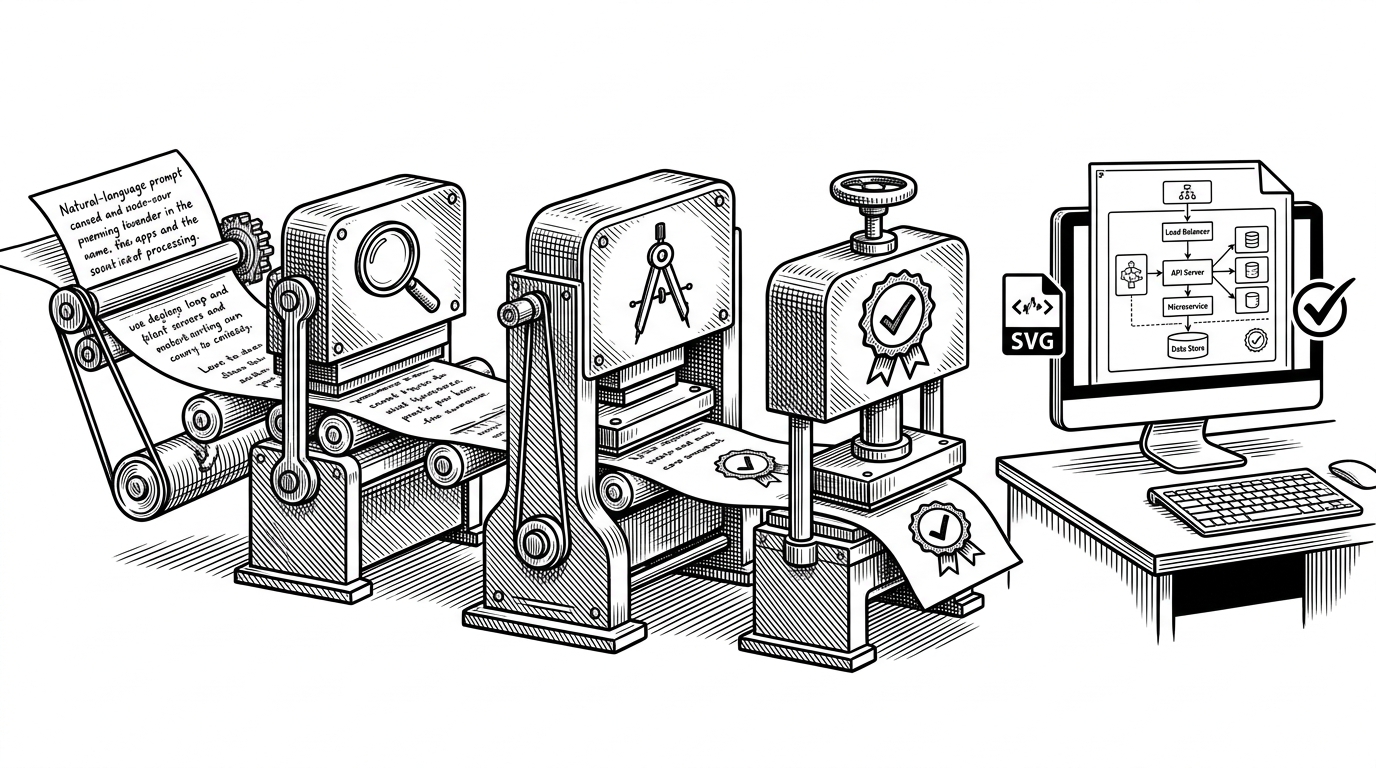
OpenMontage avoids pure generative mush by leaning on deterministic rendering primitives. Remotion gives it a timeline. FFmpeg gives it compositing and encoding. Manim gives it precise mathematical animation. D3 gives it data visualization that can be rendered into a frame-accurate video sequence.
That mix is the hidden strength of the repo. Generative models handle the parts that benefit from fluidity. Rendering engines handle the parts that need control, repeatability, and exact timing. In other words, OpenMontage does not replace production craft. It automates coordination around it.
That is why the project can plausibly aim at educational explainers, narrated demos, and structured short-form videos. Those formats need pacing and composition, not just a plausible-looking clip.
What OpenMontage changes for creators
The larger implication is not that editors disappear. It is that the role of AI shifts from content slot machine to production system. OpenMontage suggests a workflow where creators define intent, constraints, and reference material, then let an agent assemble the work through documented skills and routed tools.
That is especially compelling for technical creators, AI-native studios, educational teams, and automation-first startups. These are the people who benefit when video becomes versionable, inspectable, and scriptable. For them, the promise is not magical generation. It is repeatable production.
The project is open-source, which matters here. If the stack is meant to be a studio, not a toy, it needs the sort of transparency and control that closed systems rarely expose. OpenMontage is trying to make video production feel like software engineering without flattening the creative part out of it.
| Who benefits most | Why it fits |
|---|---|
| Technical creators | They can script workflows and reuse skills |
| AI-heavy studios | They need routing, fallbacks, and cost control |
| Educational teams | They benefit from precise animation and data visuals |
| Automation-first startups | They want a repeatable production pipeline |