dlt: The Python Library That Makes Loading Data Feel Trivial
It auto-infers schemas, absorbs schema drift, and packages retries into the load layer, so you can move messy API data into warehouses without hand-writing pipeline boilerplate.

- dlt treats the load layer as a first-class Python abstraction, not a separate platform you have to operate.
- Its real strength is that schema drift becomes normal behavior, with inference, contracts, and destination-aware handling built in.
- Crash safety is part of the design, because load packages persist on disk and can be retried cleanly after failure.
- The project is increasingly relevant to AI workflows because the same library shape works for humans, notebooks, and agents.
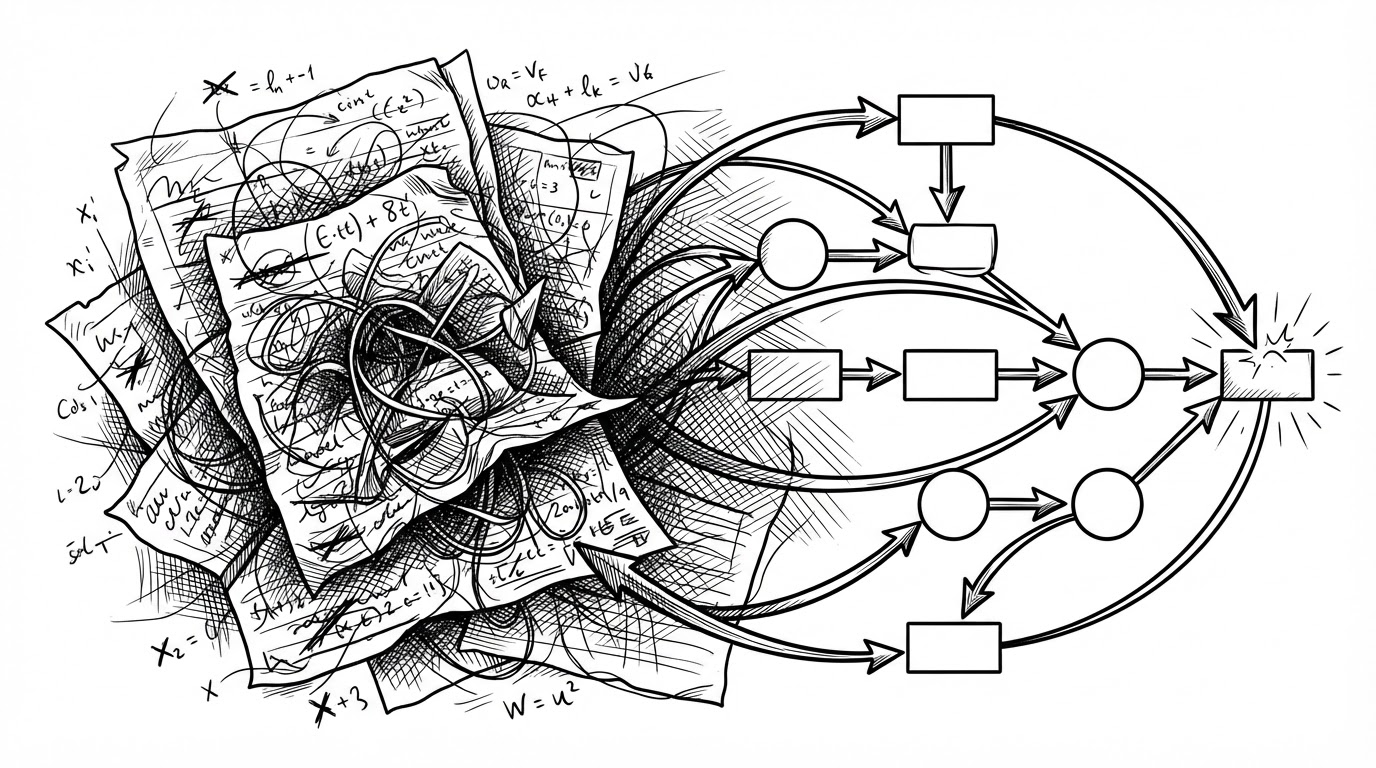
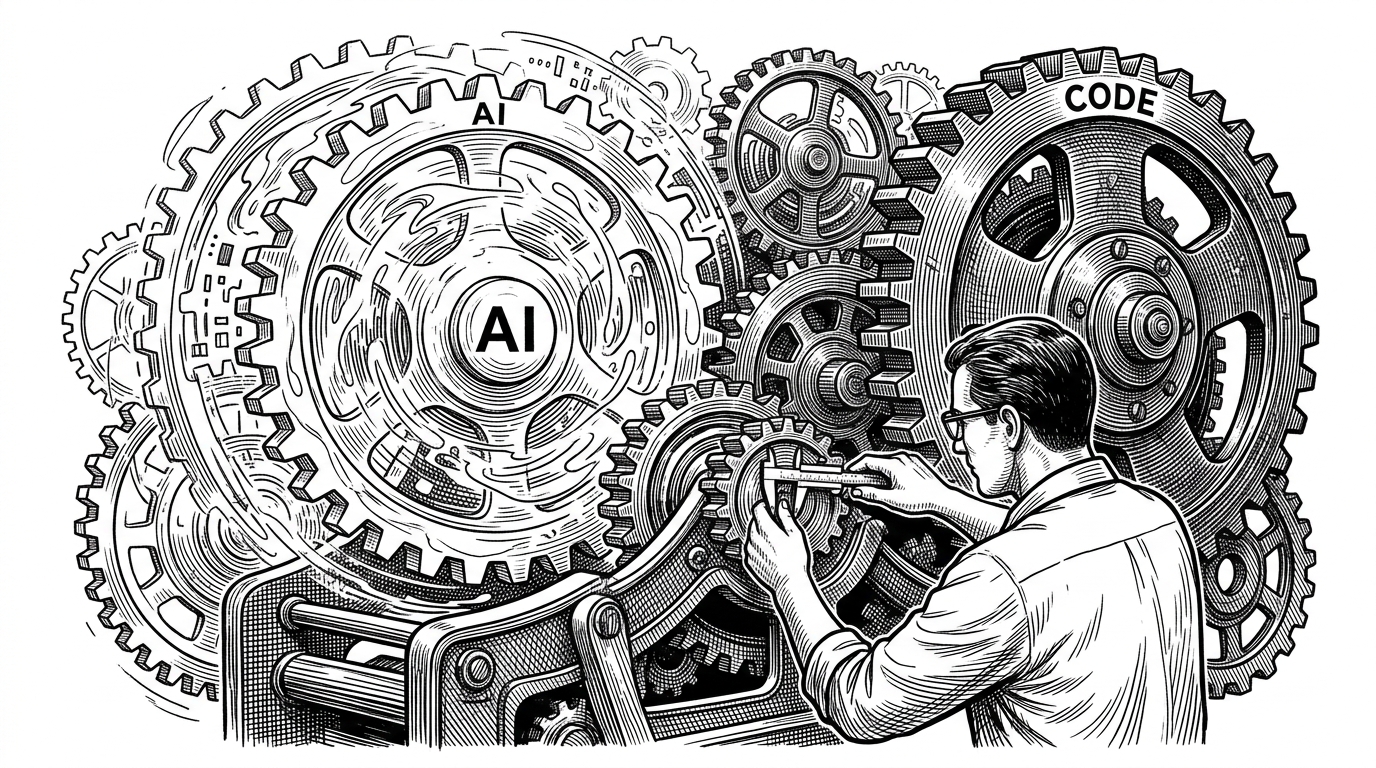
Most ETL tools make you design the pipeline first and absorb the complexity second. dlt flips that order. You write Python, hand it messy data, and the library takes on the ugly parts: schema inference, nested records, retries, and destination quirks.
That is why the project stands out. It is not trying to become another giant data platform. It is trying to make loading data feel like a normal library call, even when the source is a volatile API and the destination is picky about types, names, and file formats.
We built dlt because we were tired of building the same data loading pipelines over and over again. We wanted a tool that was simple, flexible, and handled the hard parts like schema evolution and data typing automatically.
Why dlt feels more like Python than ETL
The public API is intentionally lightweight. In practice, dlt leans on decorators like @source and @resource so you can turn ordinary Python functions and generators into data streams. That makes the mental model familiar to anyone who has written scripts, notebooks, or small services in Python.
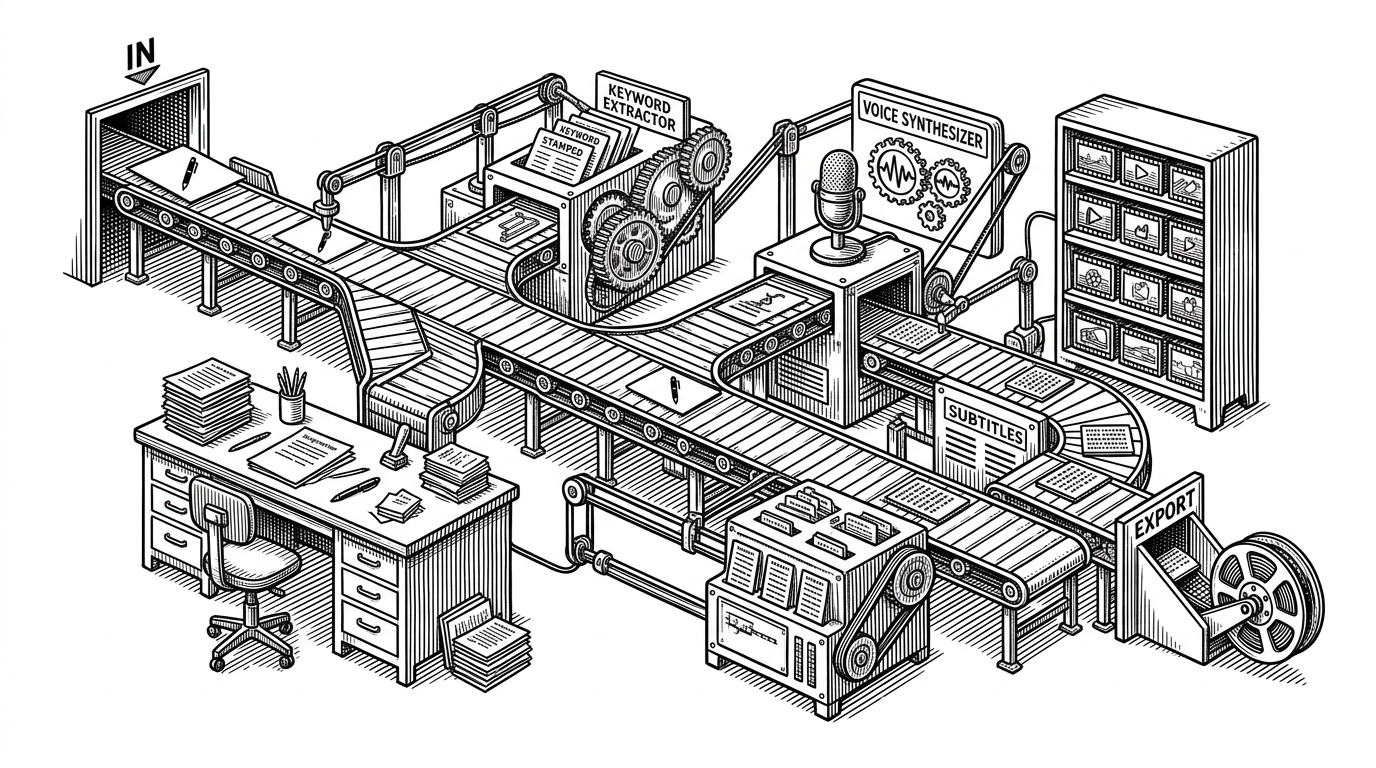
Under the hood, the library is doing more than convenience work. It is building a path from source payloads to load packages, normalizing names, inferring structure, and keeping enough state to make the process repeatable. The user sees a small surface area. The system carries the burden.
The real engine is schema evolution
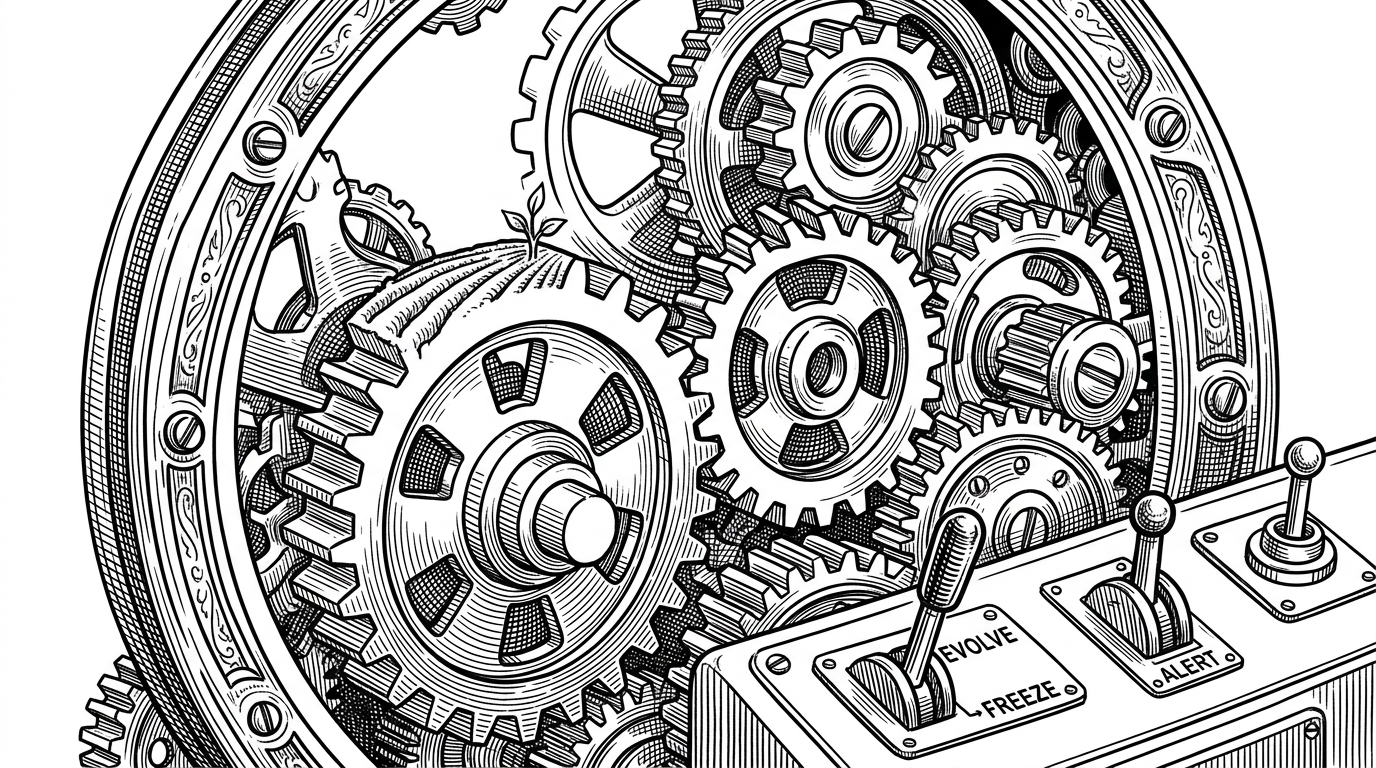
The schema engine is the brain of the project. It normalizes names, infers types, tracks version hashes, and keeps an engine version so schema changes are not improvised in the moment. When new fields appear or types shift, dlt can evolve, freeze, or alert instead of simply breaking.
That matters because real source data is never static. APIs add fields. Nested records change shape. One day a column is a string, the next it is an object. dlt treats that turbulence as normal operating conditions, not edge cases.
The important part is not only that it adapts. It also makes the adaptation legible. Schema contracts give teams a way to decide how much drift they want to tolerate, which is a better tradeoff than silent failure or ad hoc manual patching.
How dlt stays destination-agnostic
The abstraction that makes this possible is capability aware. Instead of hardcoding behavior for every warehouse, dlt asks the destination what it can handle. Can it store JSON natively? What is the maximum identifier length? Which staging format does it prefer?
| Tool | Form factor | Best for | Strength | Tradeoff | Where dlt differs |
|---|---|---|---|---|---|
| Airbyte | Platform | Teams wanting UI-driven connector management | Broad connector catalog and a complete product surface | Heavier to operate and less library-like | dlt is embedded code, not a hosted platform |
| Meltano | CLI framework | DataOps teams managing ELT projects | Good orchestration around Singer-based workflows | More framework overhead than a small library | dlt stays focused on load primitives |
| Fivetran | Managed SaaS | Teams that want the easiest outsourced ingestion | Low-ops, polished connectors, fast start | Cost and control tradeoffs at scale | dlt is self-hosted and code-first |
| Pandas | Data library | General data wrangling in Python | Flexible manipulation and analysis | Not built for robust ELT or retry-safe loading | dlt is specialized for load robustness |
That design keeps the core portable. The library can stay focused on loading logic while each destination adapts to its own constraints. In practice, that is how dlt avoids becoming a pile of one-off drivers that all behave differently.
One of our core principles is that dlt should be 'Python-first'. We want data engineers to be able to use the language they know and love to build robust data pipelines, without having to learn a complex new DSL or UI.
Why crashes do not have to mean lost work
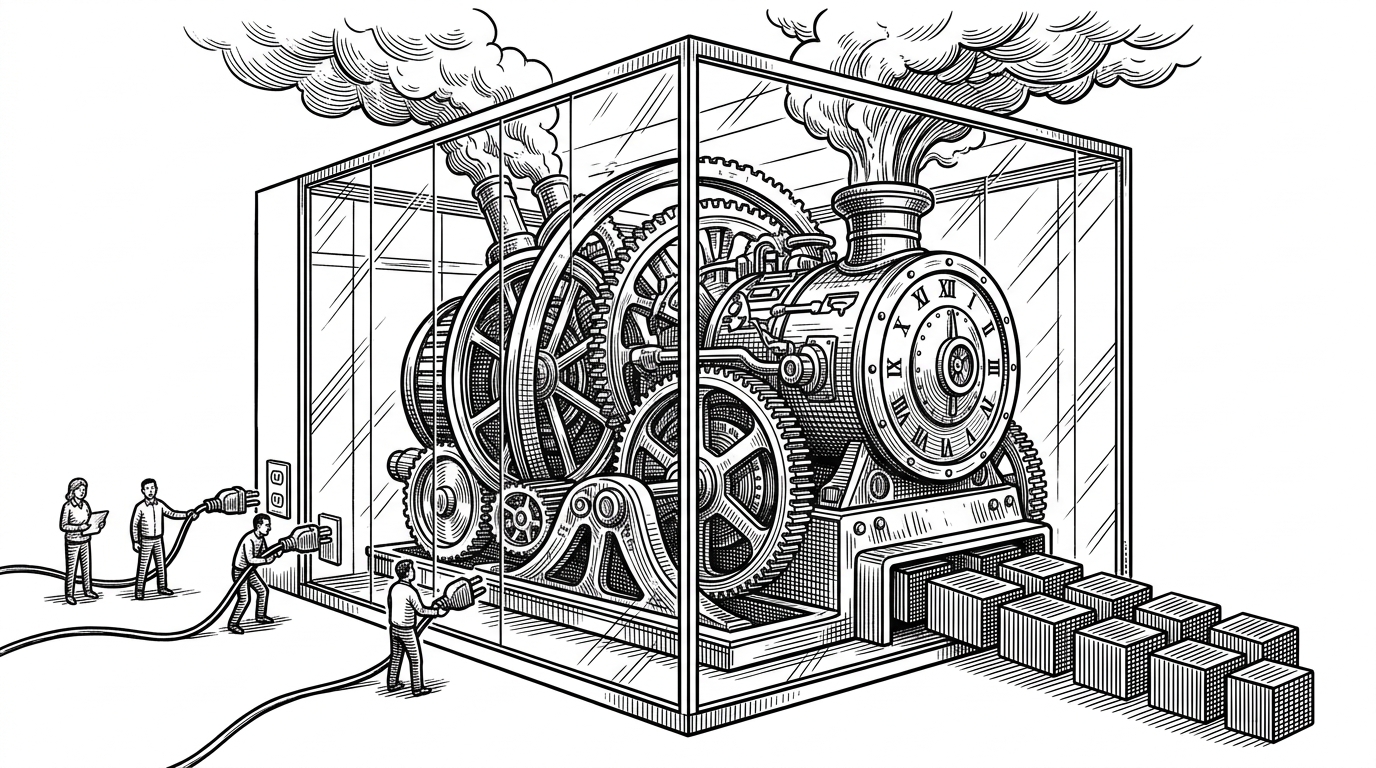
dlt’s load storage is one of the most practical parts of the project. Instead of treating a load as an ephemeral in-memory event, the library stages load packages on disk. If a process dies or a destination is unavailable, the package still exists and can be resumed.
That is a subtle but important shift. The unit of work is no longer a fragile sequence of API calls. It is a recoverable package with enough metadata to survive interruptions. For real systems, that is often the difference between a runnable prototype and something you can trust.
The AI angle is not marketing fluff
The repository signals a clear interest in AI-native workflows through its workspace layer, CLI helpers, and MCP-related pieces. That does not mean the project is trying to be an AI platform. It means the same library shape that helps humans load data also helps agents fetch, shape, and move data through a standard interface.
That is a meaningful difference. Agents do better with narrow, legible abstractions than with large opaque systems. A library that already understands schema drift, retries, and destination quirks is a good substrate for that world.
Where dlt sits in the stack
The simplest comparison is philosophical. Airbyte and Fivetran sell platforms or services. Meltano sells a framework. Pandas sells general data manipulation. dlt sells a load primitive with enough intelligence to handle production pain.
That makes it especially useful for Python teams who want to embed ingestion directly into code, custom connectors, or orchestration workflows. It is also why the project feels smaller than the category around it, while solving a surprisingly large chunk of the same problem.
The practical tradeoff
If you want a polished connector marketplace, a hosted control plane, or a no-code operator experience, dlt is not the obvious choice. If you want a composable library that makes messy data survivable inside Python, it is much closer to the center of gravity.
That is the real thesis. dlt is not trying to replace every data tool. It is trying to make the load layer feel like ordinary software, with explicit rules, recoverable state, and enough intelligence to absorb change without drama.