ClawFu Skills Turns Marketing Expertise Into an AI Armory
An open-source MCP skill library that packages proven frameworks, validates them like code, and feeds them to agents that need more than generic prompts.
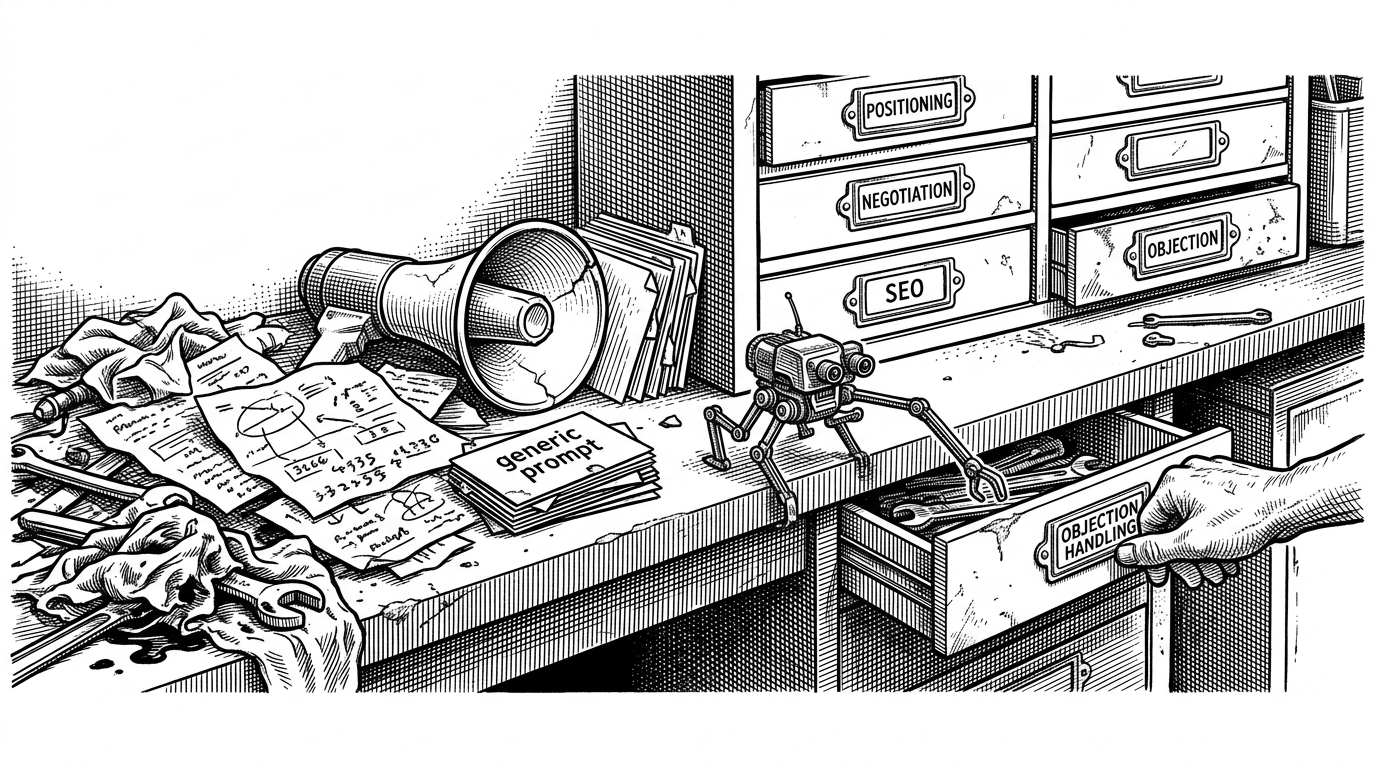
- ClawFu turns marketing expertise into loadable agent skills, so judgment travels as reusable infrastructure instead of disposable prompting.
- The repo is both library and factory, with scripts that research, synthesize, validate, and package skills into a standard format.
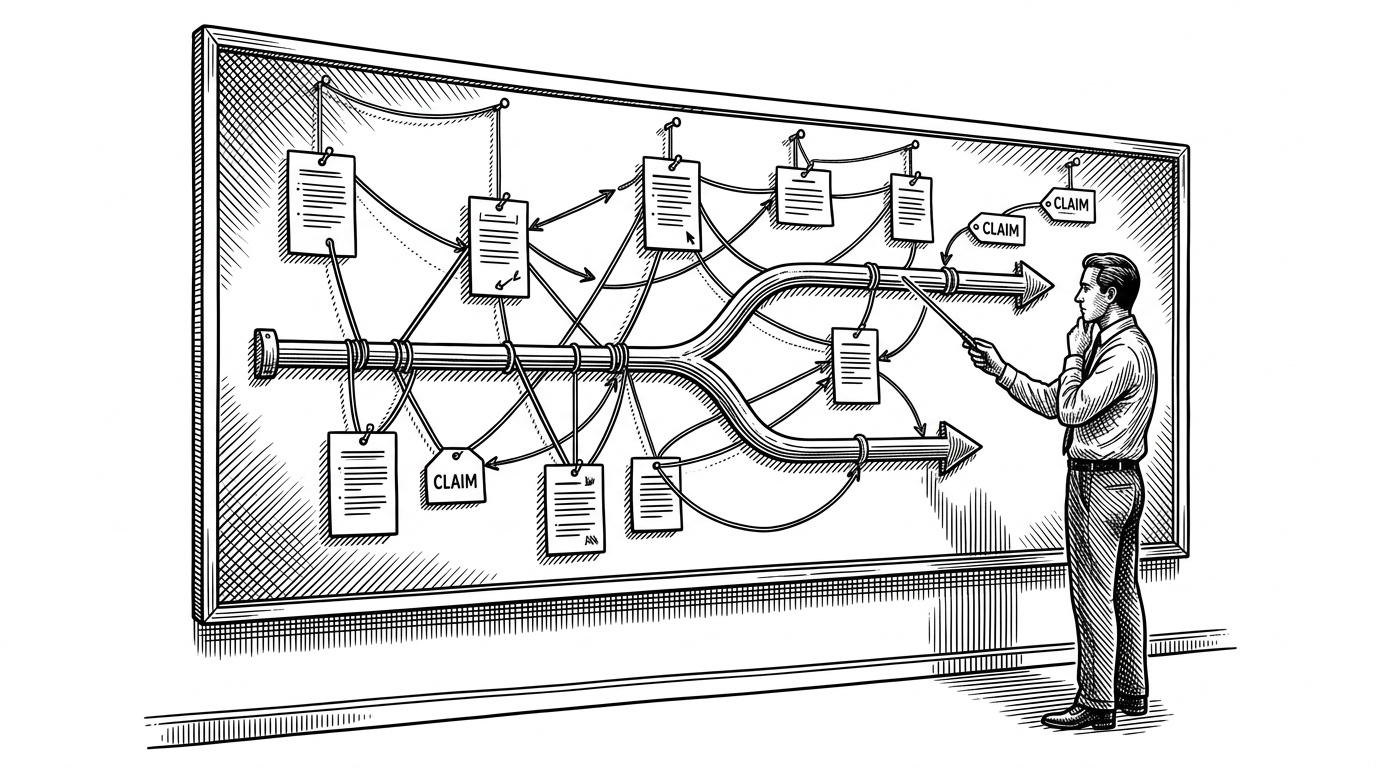
- Its real edge is not volume, but discipline: every skill is anchored to a named methodology and shaped for agent discovery.
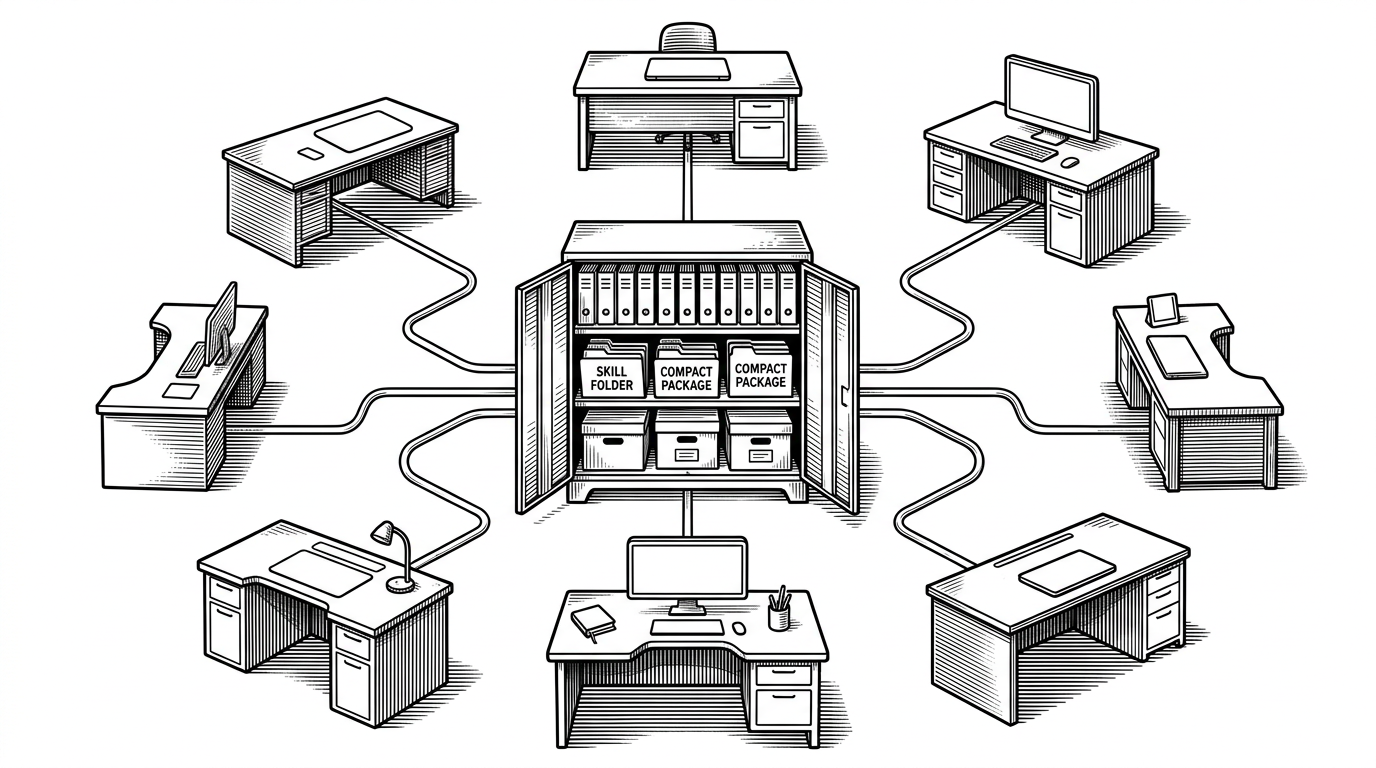
- MCP distribution makes the library useful in practice, because expertise only compounds when agents can actually load it.
The AI Armory for Marketing
ClawFu is not trying to help you write better prompts. It is trying to help agents load better expertise. That is a different category of product, and a more durable one.
The repo packages frameworks from April Dunford, Eugene Schwartz, Chris Voss, Robert Cialdini, and others into standardized skills that an AI agent can discover and reuse. The result is less like a prompt folder and more like an armory: specific tools, labeled for specific jobs.
Skills compound. Prompts don't.
That line is the thesis, but the repo makes it concrete. ClawFu is built for agents that need consistent output across positioning, copywriting, negotiation, and other marketing tasks where generic chat often produces something fluent but shallow.
What ClawFu Actually Ships
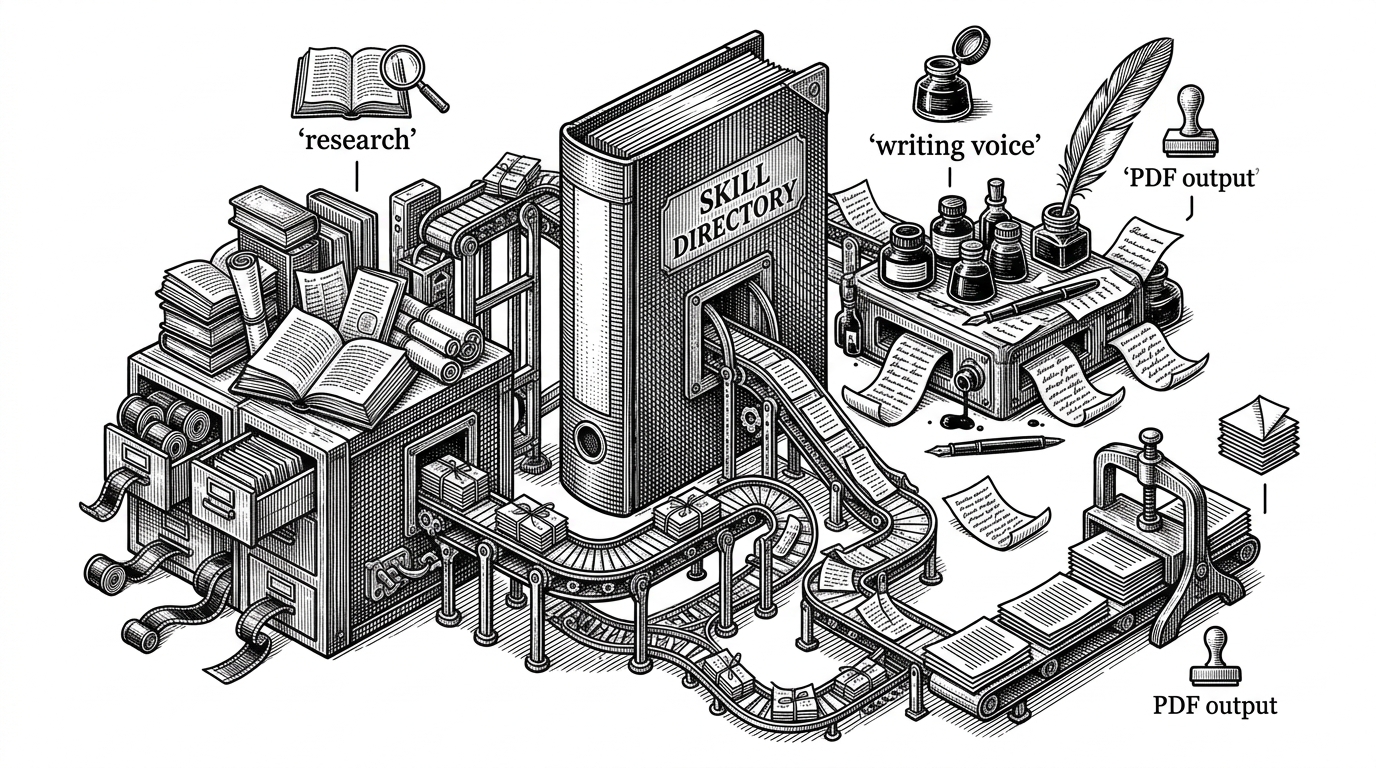
The project has two halves. The /skills directory holds the library itself, with each skill living in a self-contained folder that includes a SKILL.md file. The /scripts side is the factory that discovers, synthesizes, validates, and packages new skills.
That architecture matters because it changes how you think about knowledge. ClawFu is not manually curated one file at a time. It is designed to manufacture reusable expertise at scale, while keeping each skill tied to a real methodology.
Skills Don’t Feel Like Prompts
| Generic prompting | ClawFu skills |
|---|---|
| A loose instruction you rewrite each time | A reusable skill with a stable shape and purpose |
| Discovery depends on memory and prompt hygiene | Discovery depends on triggers like “Use when” |
| Quality depends on the user’s wording | Quality depends on the methodology behind the skill |
| Hard to audit or standardize | Structured, validated, and packaged for reuse |
| Works in chat, but rarely travels well | Designed to load into agents and toolchains |
This is the critical design move: a skill is closer to an interface contract than a chat prompt. It has a named purpose, a discovery cue, a methodology source, and a predictable output shape.
---
name: positioning
use_when:
  - You need a clear market category
  - You need to explain why this product wins
source: April Dunford
---

# Positioning

## When to Use
Use when a product is hard to classify or easy to confuse with alternatives.

## Instructions
1. Identify the competitive frame.
2. List the true differentiators.
3. Choose the most defensible market category.

## Examples
- Reframe the product around a new category.
- Rewrite the homepage value proposition.
The difference is subtle until you use it. A prompt is disposable. A skill is a reusable unit of judgment that can travel across tools, teams, and tasks.
The Factory Behind the Library
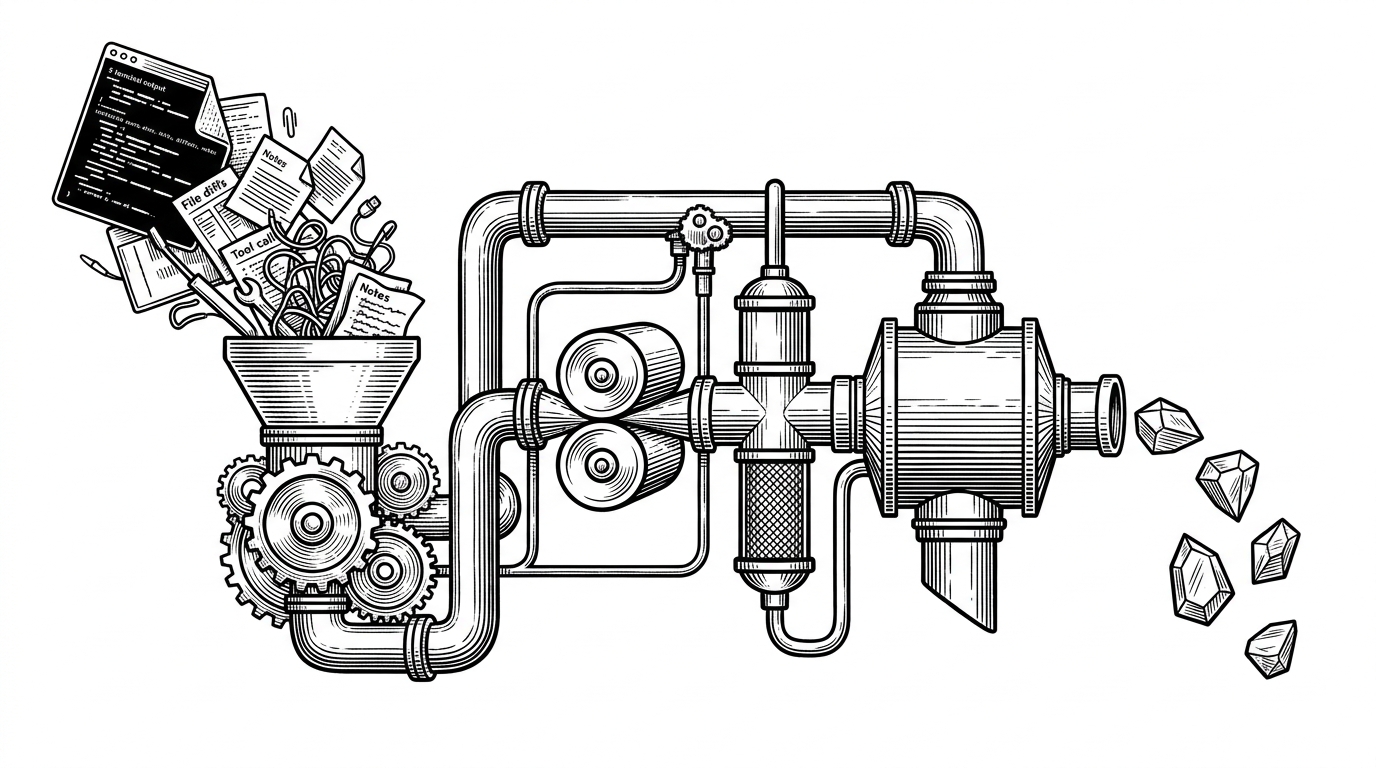
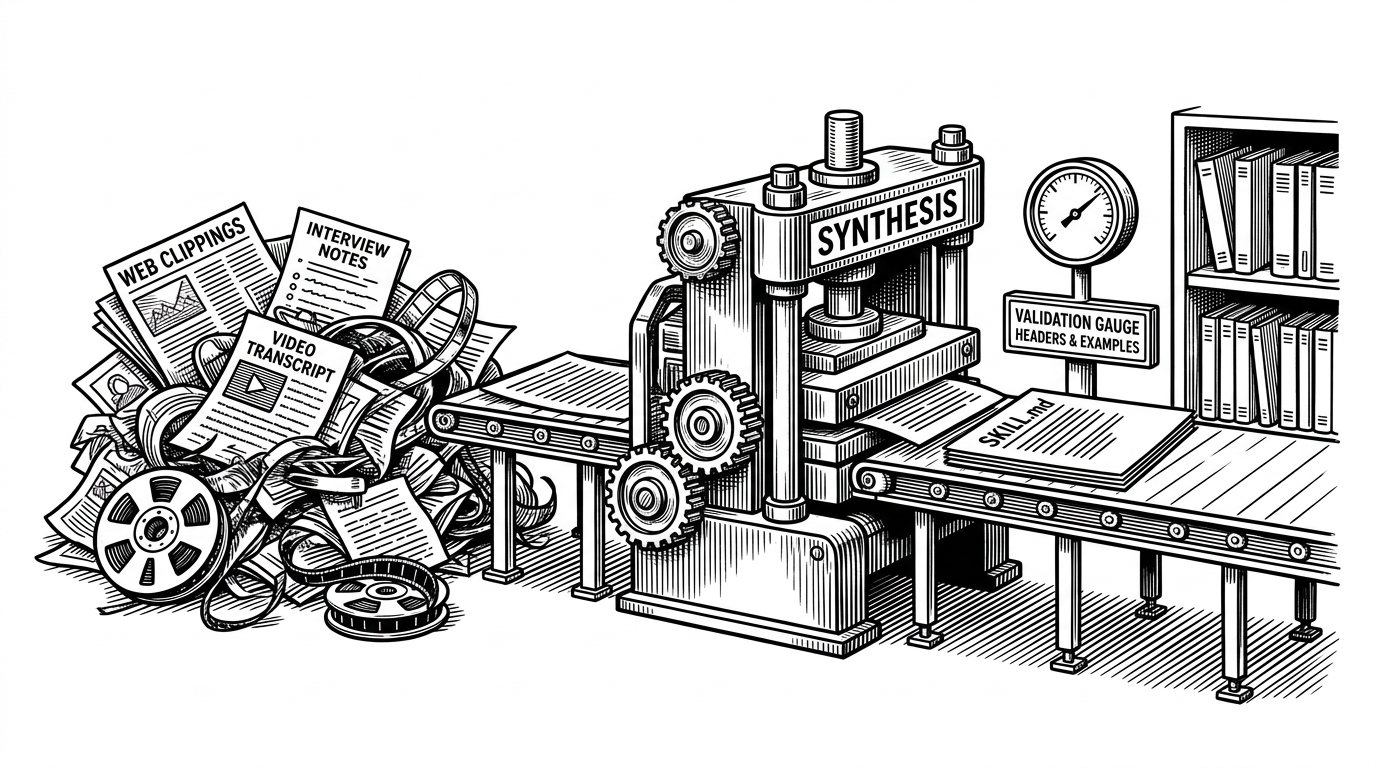
The pipeline is where ClawFu becomes more than a curated collection. ResearchAgent gathers source material from the web, Synthesizer organizes it into a structured brief, and SkillGenerator emits the final SKILL.md with the sections an agent can actually use.
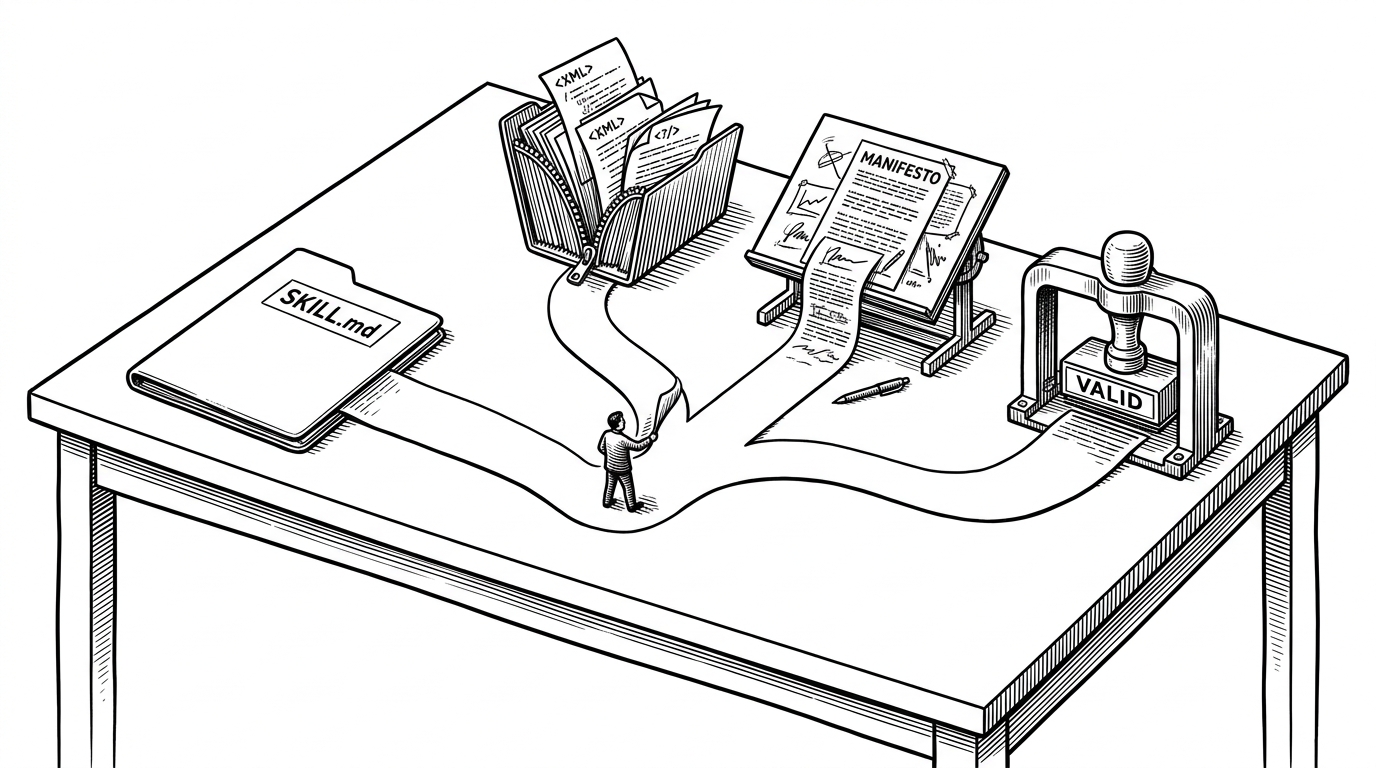
Then validation kicks in. The repo checks for required structure, examples, and metadata before packaging the result. That is the difference between a neat markdown repository and an operational system.
The point is not just automation. It is repeatability. If you can reliably move from source material to validated skill, you can keep expanding the library without letting quality drift.
| Stage | Input | Output | Why it matters |
|---|---|---|---|
| ResearchAgent | Articles, interviews, video transcripts, web pages | Source material | Finds the raw expertise before it gets flattened into generic advice |
| Synthesizer | Collected sources | Structured brief | Turns noise into an organized argument and constraint set |
| SkillGenerator | Structured brief | SKILL.md | Produces the reusable skill artifact |
| Validator and Packager | Draft skill | Validated package and catalog entry | Keeps the library agent-readable and distributable |
Why Validation Matters
ClawFu treats instruction quality the way a software team treats code quality. Required sections, concrete examples, and frontmatter are not decoration. They are the guardrails that keep the skill usable by an agent instead of merely readable by a human.
That matters because natural language is slippery. A beautiful skill that cannot be discovered, parsed, or trusted is just prose with confidence. Validation is what makes the library operational.
Every skill is a `SKILL.md` file following the Agent Skills open standard
That standardization is not glamorous, but it is the reason the project can scale. The repo is asserting that expertise should be testable, repeatable, and packaged with enough structure to survive handoff.
The Distribution Bet
Packaging the library as an MCP server makes the whole thing useful in the places people already work. Claude Desktop, Claude Code, Cursor, and Windsurf can all pull from the same skills layer through npx @clawfu/mcp-skills.
That is the distribution insight. Expertise only compounds if it is easy to load. A brilliant skill hidden in a repo is still friction. A skill server makes it available at the point of use.
| Model | What it gives the agent | Where it breaks down |
|---|---|---|
| Generic prompts | Ad hoc guidance | No reuse, no discovery, no standard shape |
| ClawFu skills | Domain expertise in a validated format | Requires a structured skill ecosystem |
| Narrow MCP connectors | Access to a tool or system | Useful for actions, not for judgment |
The Competitive Gap
Against ordinary prompt libraries, ClawFu wins on structure. Against generic MCP servers, it wins on domain depth. Against single-purpose connectors, it wins because it packages the judgment, not just the transport layer.
That is why the repo feels bigger than its current niche. It suggests a model where teams do not just connect agents to tools. They equip agents with reusable expertise.
What This Says About AI Workflows
ClawFu hints at a future where a team’s real advantage is not prompt cleverness. It is the quality of the skills it can load, validate, and keep updating. In that world, expertise becomes modular software.
That is a useful shift. It turns AI work from improvisation into composition, from one-off prompting into repeatable operating practice.