Breaking the Revit Silo: How Hacktoberfest2020AEC Decoded the Building Industry
Moving massive architectural models from proprietary desktop vaults to the open web with C# and Three.js.

- C# scripts extract vertex data and metadata to compress 500MB Revit files into 5MB JSON payloads.
- The project replaces expensive proprietary cloud APIs with a free Three.js visualization pipeline.
- Open-source JSON serialization allows developers to bypass vendor lock-in and host architectural data independently.
- This repository served as a pedagogical bridge for engineering students to enter the global open-source ecosystem.
For decades, Architectural, Engineering, and Construction (AEC) data was trapped in proprietary silos. Massive, heavy .rvt (Revit) files required expensive software just to open, creating a major bottleneck for collaboration.
The hgayan7/Hacktoberfest2020AEC repository represents a pivotal moment in the 2020 open-source surge. It demonstrates the transition from heavy desktop scripting to lightweight web visualization, bypassing expensive corporate middleware to create a free, open-source path for architectural data to live in a browser.
The Geometry Stripper
Most people assume rendering a skyscraper in a browser requires a cloud supercomputer. This project proves otherwise by showcasing how to "thin out" data using JSON serialization.
The core logic involves extracting vertex data and metadata from Revit using C#. This "thinning" process turns a 500MB building file into a 5MB JSON payload, retaining only the essential visual and structural information.
Bypassing the Toll Road
Traditionally, viewing this data required Autodesk Forge "Cloud Units"—a pay-per-view model. This project offers a "toll-free" alternative, shifting the paradigm from cloud-hosted dependencies to self-hosted, open-source solutions.
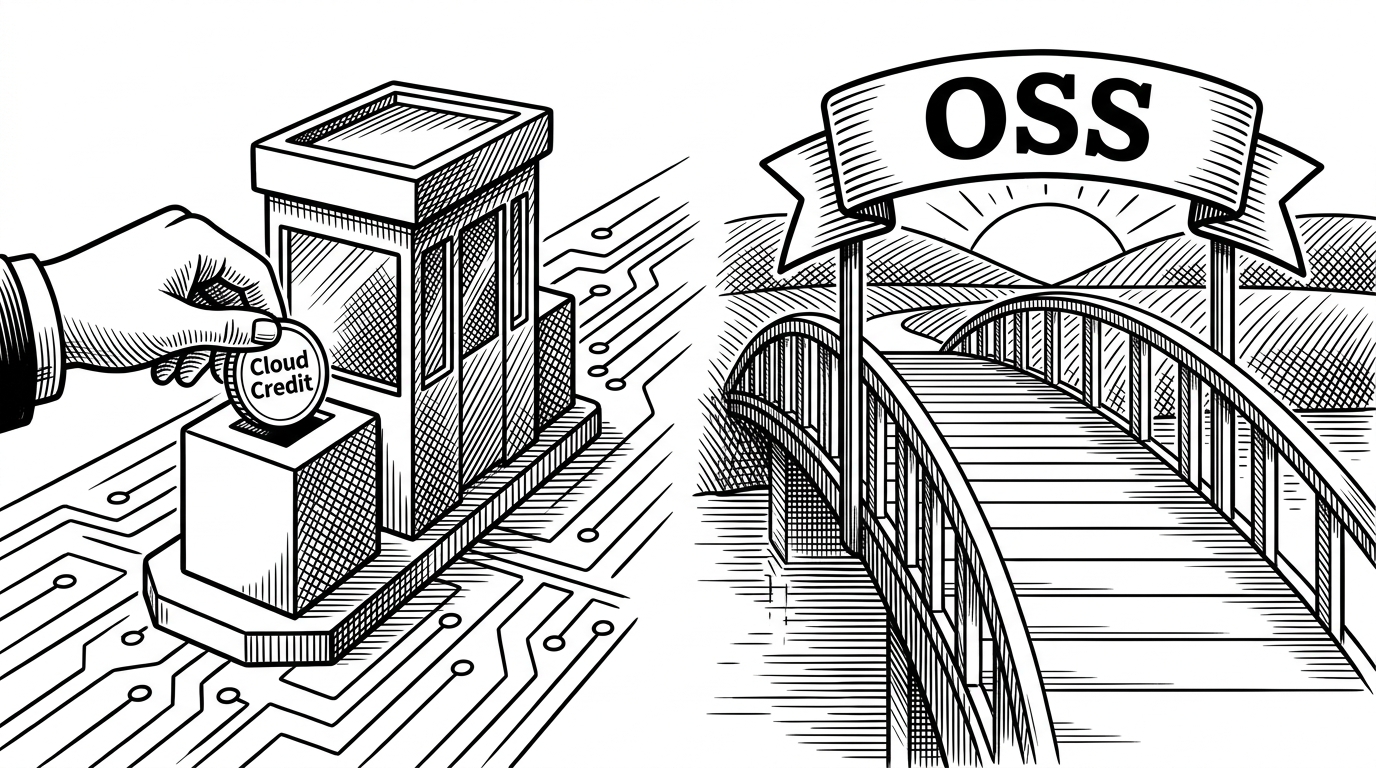
| Feature | Proprietary APIs | OSS JSON Export |
|---|---|---|
| Cost | Pay-per-view (Credits) | Free |
| Dependency | Vendor Lock-in | Three.js Ecosystem |
| Data Ownership | Cloud-hosted | Self-hosted |
| Barrier to Entry | Enterprise Contract | GitHub Clone |
The Three.js Resurrection
Once the data is stripped down to a JSON payload, the browser takes over. Using Three.js, it reconstructs a 3D environment from the raw JSON.
This frontend "handshake" is where the magic happens, translating abstract data into a tangible visual model.

A Moment in Assam
Beyond the technical achievements, this repository tells a human story. It was created for students at Assam Engineering College to bridge the gap between regional education and global open-source standards.
This repo is created for the students of Asansol Engineering College to get the acquainted to open source contributions.
As a pedagogical tool, it served as a successful "first contact" point for students learning to interact with GitHub, making their first pull requests, and understanding the power of open source.