The BIOS-less Boot: Inside jpd002/play-
How a monolithic C++ architecture reverse-engineered the PlayStation 2 operating system to run on everything from iPhones to web browsers.
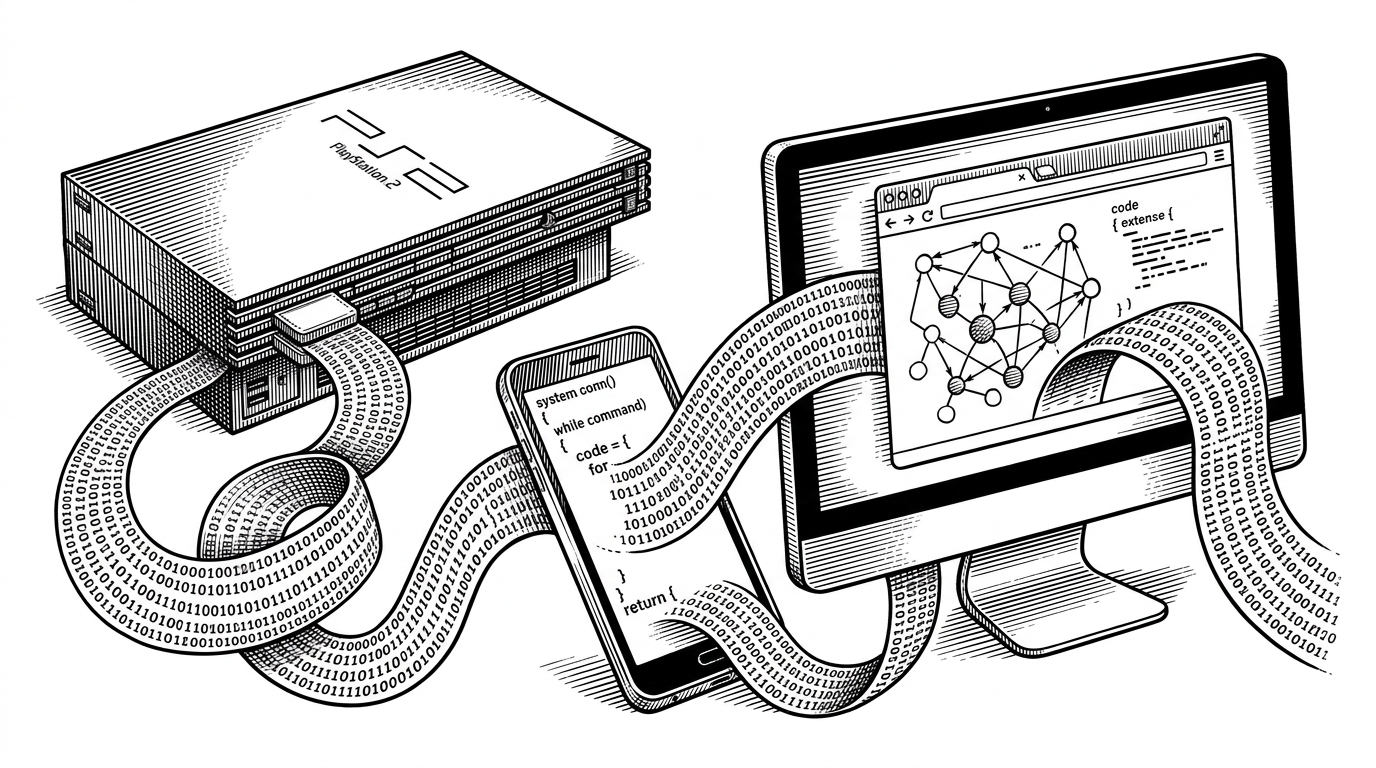

Play! uses a built-in high-level emulation BIOS. Using an external BIOS file is not necessary or possible.
- Play! utilizes High-Level Emulation to bypass the need for a copyrighted PlayStation 2 BIOS file.
- A custom intermediate JIT compiler translates 128-bit MIPS instructions into host machine code across x86, ARM, and WebAssembly.
- The modern C++ architecture uses a CMailBox threading model to safely orchestrate the complex multi-processor Emotion Engine.
The Frictionless Illusion
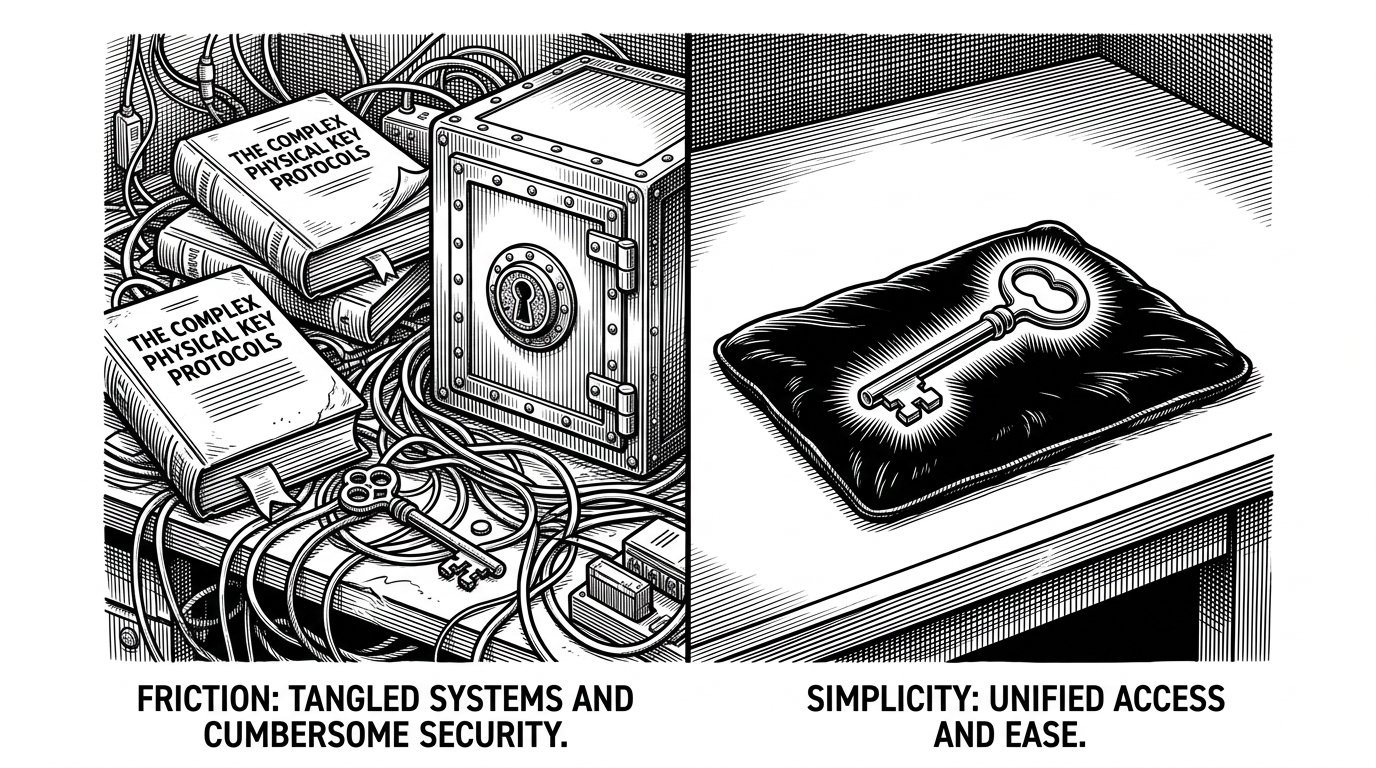
Most console emulators operate in a legal and practical gray area. They require users to supply a dumped copy of the original hardware's Basic Input/Output System (BIOS). This low-level approach ensures accuracy but creates massive friction for the average user. Play! discards this requirement entirely.
Instead of running the original firmware, Play! fakes it. The emulator implements High-Level Emulation (HLE), recreating the entire PlayStation 2 operating system environment in C++. When a game asks the hardware to save a file or allocate memory, the C++ codebase intercepts the call and answers it directly.
Taming the Emotion Engine
The PlayStation 2's silicon, known as the Emotion Engine, is notoriously hostile to emulate. It relies on highly parallel, asymmetrical processors. To handle this, Play! relies on a central virtual machine orchestrator (CPS2VM).
This orchestrator uses a CMailBox system for thread synchronization. It safely manages the timing between the Emotion Engine, the I/O Processor, and the Graphics Synthesizer, mapping archaic 2000s hardware quirks to modern host operating systems without causing race conditions.
The Universal Jitter
Translating the PS2's 128-bit MIPS instructions into something a modern iPhone or web browser can understand requires a specialized compiler. Enter the abstract Jitter.
Play!'s Just-In-Time (JIT) compiler employs a technique called Constant Folding. When it encounters register-relative loads whose values are known at compile time, it replaces them with hardcoded constants. This intermediate abstraction layer allows the same core emulation logic to output highly optimized x86, ARM, or WebAssembly code.
The Compatibility Trade-off
This ambitious architectural choice comes with a cost. While high-level emulation provides a frictionless experience, it sacrifices the absolute, cycle-accurate compatibility seen in low-level emulators like PCSX2.
| Feature | Play! | PCSX2 |
|---|---|---|
| BIOS Requirement | Built-in HLE (Frictionless) | External Dump Required |
| Target Platforms | Web, iOS, Android, Desktop | Windows, Linux, macOS |
| Architecture | Monolithic C++ Core | Historically Plugin-based |
Despite the trade-offs, the portability is undeniable. By abstracting the hardware to this degree, Play! ensures that the legacy of complex 128-bit console games can survive on platforms Sony never imagined.