The Engine Whisperers: Unpacking plutonium-sdk
How modern C++ infrastructure and strict ABI contracts brought enterprise-grade memory safety to the wild west of classic game modding.
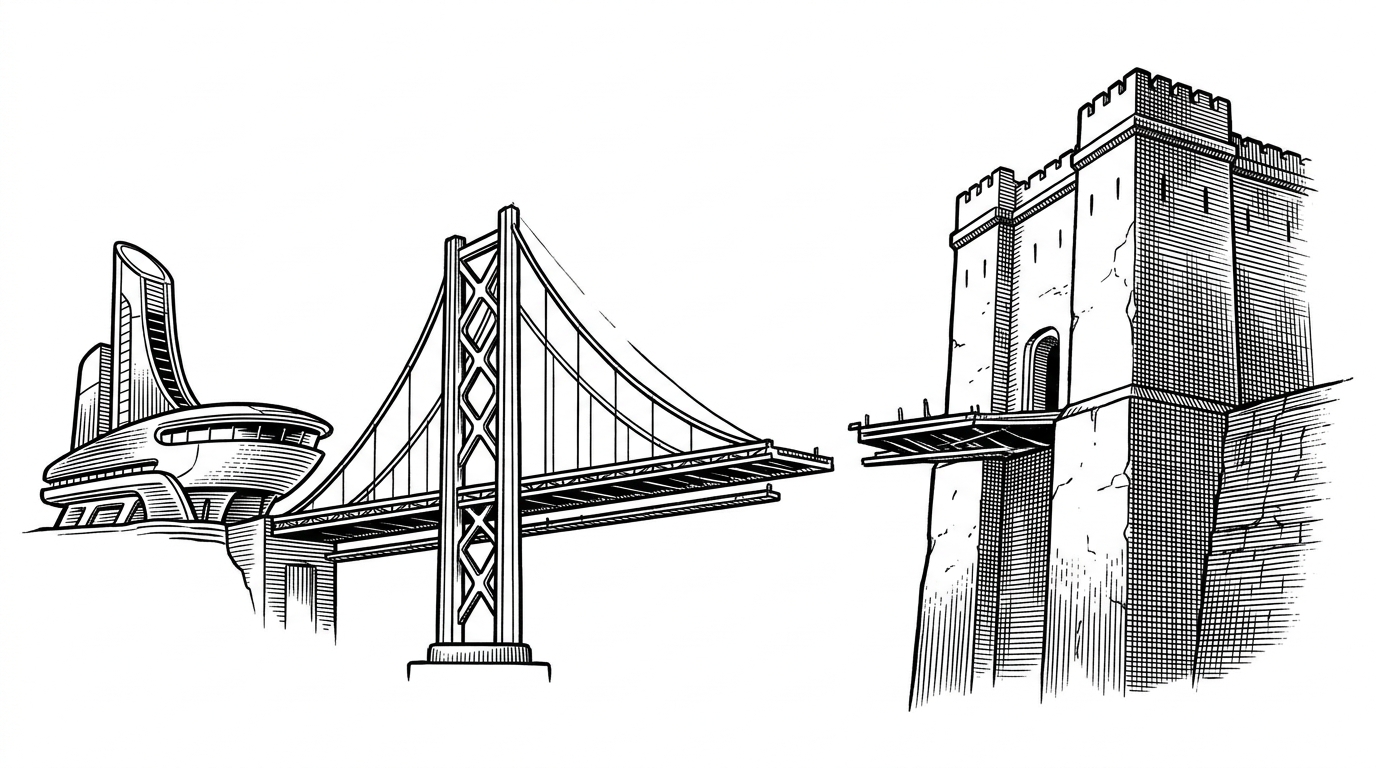
- The plutonium-sdk replaces brittle memory patching with enterprise-grade C++20 architecture for classic game modding.
- Strict ABI contracts and custom unique_ptr deleters prevent cross-DLL memory corruption between the host engine and modern plugins.
- The ecosystem relies on Premake5 and Lua to standardize build configurations across hundreds of open-source plugins.
The Cross-DLL Minefield
Injecting custom code into 15-year-old, closed-source game engines is traditionally a chaotic dark art. Historically, modders relied on hex editing, raw memory patching, and manual pointer math. This approach is inherently brittle. A single mismatched calling convention or unexpected garbage collection cycle results in inevitable stack corruption and a hard crash.
The plutonium-sdk flips this script entirely. It brings enterprise-grade, modern C++20 architecture to a nostalgic, hobbyist ecosystem. The core technical challenge is compiling a modern C++ plugin that must share memory and execution state with a closed-source host engine compiled over a decade ago. Mismatched MSVC runtimes are a notorious source of headaches in this environment.
Engineering an Immortal Bridge
To solve the cross-DLL allocation problem, the SDK enforces a strict architectural boundary. The plutonium::sdk::plugin class defines a pure virtual interface that every plugin must implement. This ensures that the SDK is stable and does not suffer from C++ name-mangling issues between different compilers.
The most brilliant implementation detail lies in memory management. The SDK utilizes a custom unique_ptr deleter using the std::function pattern. This forces memory allocated by the host to be freed by the host. It entirely bypasses the catastrophic crashes that occur when a modern DLL attempts to free memory allocated by an older host executable.
Hijacking the Tick Rate
When a DLL is loaded, the Plutonium bootstrapper passes an iinterface pointer to the plugin. This pointer acts as a Service Locator, providing access to specific sub-interfaces for callbacks, scheduling, and game-script interaction.
The explicit use of the __cdecl calling convention via the PLUTONIUM_CALLBACK macro is a critical low-level detail. Mismatching calling conventions between the host and the plugin is the primary cause of stack corruption in game modding. The SDK enforces this at the type level for all event hooks.
| Feature | Native SDK (C++) | Game Script (GSC) |
|---|---|---|
| Execution Speed | Native machine code (Instant) | Interpreted VM (Slower) |
| Engine Access | Direct memory, OS APIs, threading | Sandboxed game logic only |
| Stability | Risk of hard crashes if ABI breaks | Safe, engine catches errors |
| Best For | Anti-cheat, custom networking, deep hooks | Game modes, weapon tweaks, simple logic |
The Lua Scaffolding
While the runtime is pure C++, the build ecosystem takes a different approach. The Plutonium community explicitly eschewed CMake in favor of Premake5. By utilizing Lua-based build scripts, they standardized the project generation process for hundreds of open-source plugins.
The Plutonium team strongly recommends adopting Premake5 to expedite the development of your plugins. We have chosen Premake for its utilization of the simple yet powerful scripting language called Lua. The project's build configurations and settings are defined within the premake5.lua file.
This combination of rigorous C++ interfaces and accessible Lua build tooling represents the professionalization of a historically chaotic modding scene. It proves that with the right abstractions, even the oldest engines can be safely customized.