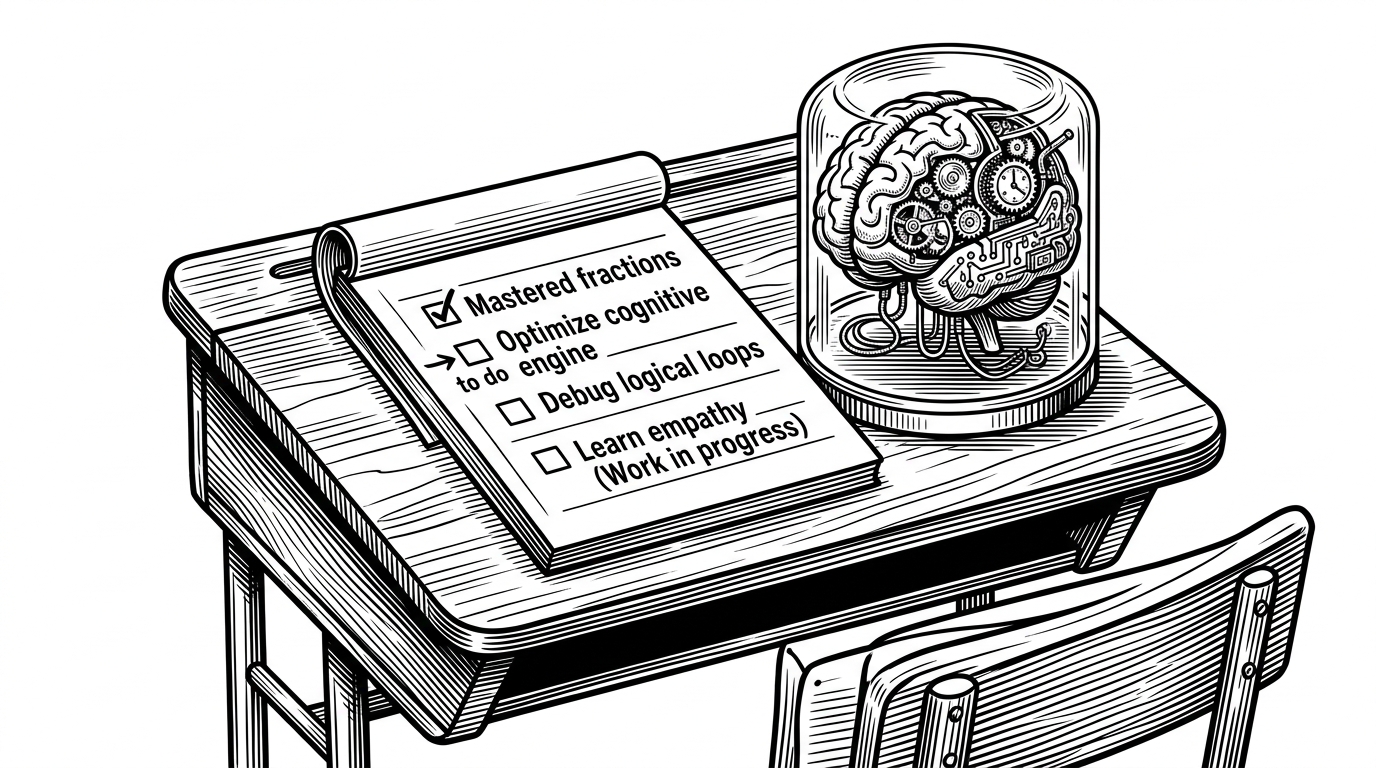
The Pedagogical Sandbox: Inside actions-learning-pathway
How a minimal Next.js repository uses intentional redundancy and strict static constraints to create a safe-to-fail environment for learning CI/CD.
- The repository serves as a digital classroom, using hardcoded UI success states as a built-in certificate of completion.
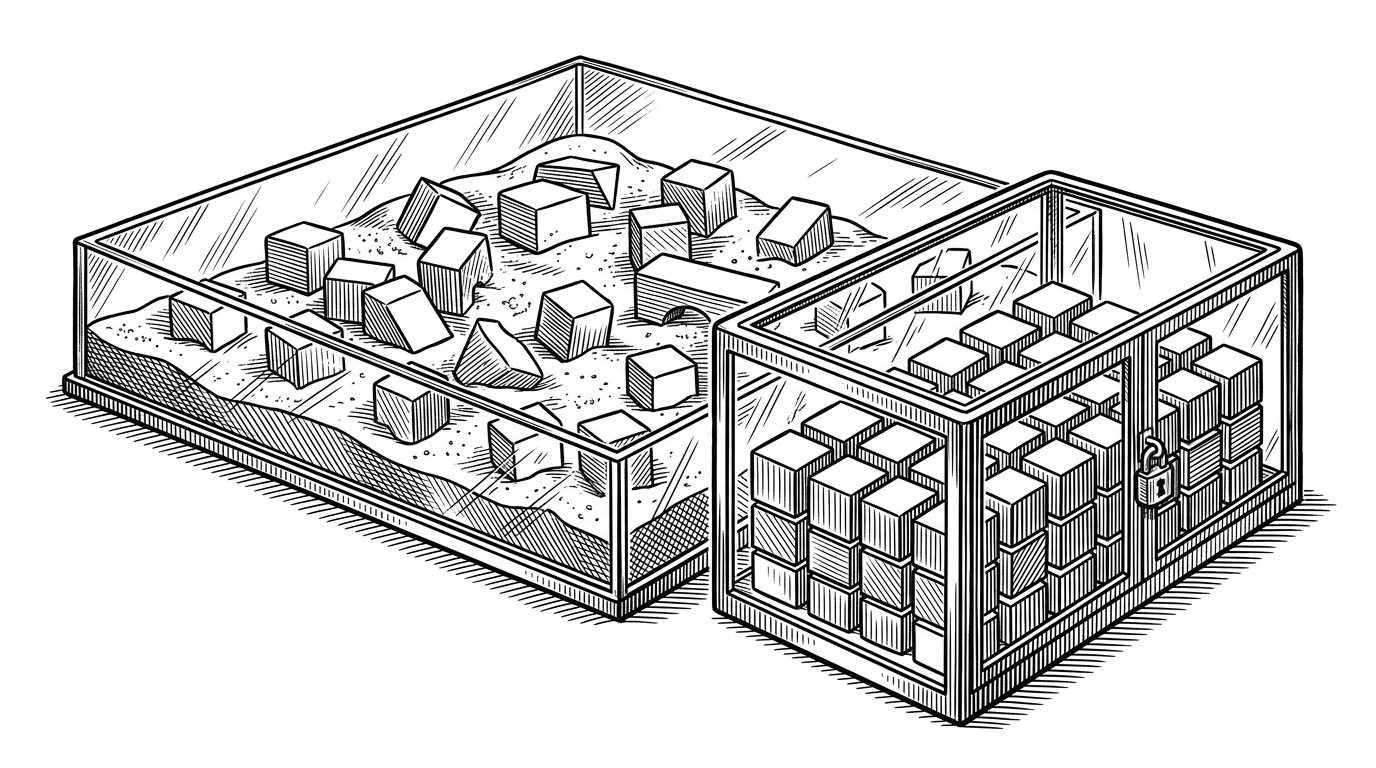
- Intentional redundancy in the file structure creates a psychological safety net, allowing junior developers to reset broken pipelines instantly.
- Strict static constraints and OIDC tokens eliminate hosting costs entirely while teaching modern deployment security.
- A hidden Jupyter notebook reveals that the scope of modern DevOps essentials now includes Retrieval-Augmented Generation workflows.
Code as a Certificate
Most repositories are designed for production scale. They emphasize abstracting complexity and adhering strictly to DRY (Don't Repeat Yourself) principles. The actions-learning-pathway repository does the exact opposite. It engineers its architecture specifically to act as a pedagogical tool.
The intent is visible immediately upon a successful deployment. The index page contains a hardcoded celebratory message. The code itself becomes a visual reward for completing the CI/CD pipeline tutorial. Before learners even touch complex Node builds, they are guided to run a simple smoke test reading a basic text file. This proves the automated workflow can access the file system, establishing a baseline of trust.
The Psychological Safety Net
Learning automation means breaking things constantly. A single misplaced space in a YAML file can halt an entire deployment. To mitigate the frustration of syntax errors, the repository author introduces a brilliant architectural choice: the demo-files directory.
This folder ships redundant, fully functional YAML workflows alongside the live action directory. When a student inevitably breaks their pipeline, they do not have to dig through Git history or start over. They simply copy the pristine file over their broken one. It acts as a factory reset button, intentionally violating DRY principles to provide psychological safety.
Engineering the Zero-Dollar Stack
Educational resources must be accessible. The repository achieves a zero-cost infrastructure through strict technical constraints. The Next.js configuration mandates a static HTML export, completely disabling server-side rendering and API routes.
const nextConfig = {
  output: 'export',
  images: { unoptimized: true },
  reactStrictMode: true,
}
This configuration allows the entire application to be hosted for free on GitHub Pages. To securely deploy these static assets, the pipeline uses modern OpenID Connect (OIDC) authentication. By requiring specific write permissions for the ID token, the tutorial teaches enterprise-grade security practices without requiring an AWS account or a credit card.

| Feature | Production Architecture | Pedagogical Architecture |
|---|---|---|
| File Structure | Abstracted, DRY principles | Redundant, includes backup states |
| Rendering | Server-Side Rendering enabled | Strict static HTML export |
| Testing | Comprehensive unit and integration suites | Basic linting and text file smoke tests |
| Hosting Cost | Variable based on compute | Zero dollars via GitHub Pages |
The Hidden AI Lab
At the root of the repository sits an unexpected file: a Jupyter Notebook detailing a Retrieval-Augmented Generation (RAG) tutorial using MongoDB. In a repository dedicated to basic frontend deployment, the inclusion of an AI notebook signals a shift in baseline developer expectations.
Modern continuous integration is no longer just about moving HTML files to a server. The learning pathway expands to show how automated pipelines can trigger AI agent workflows and update vector databases. It is a quiet acknowledgment that the definition of full-stack development is expanding rapidly.