larksuite/base-sdk-go: The Go SDK That Turns Lark Base Into a Backend
A purpose-built client for Feishu Base that hides HTTP plumbing, auto-fills tokens, and makes table operations feel like typed Go calls.
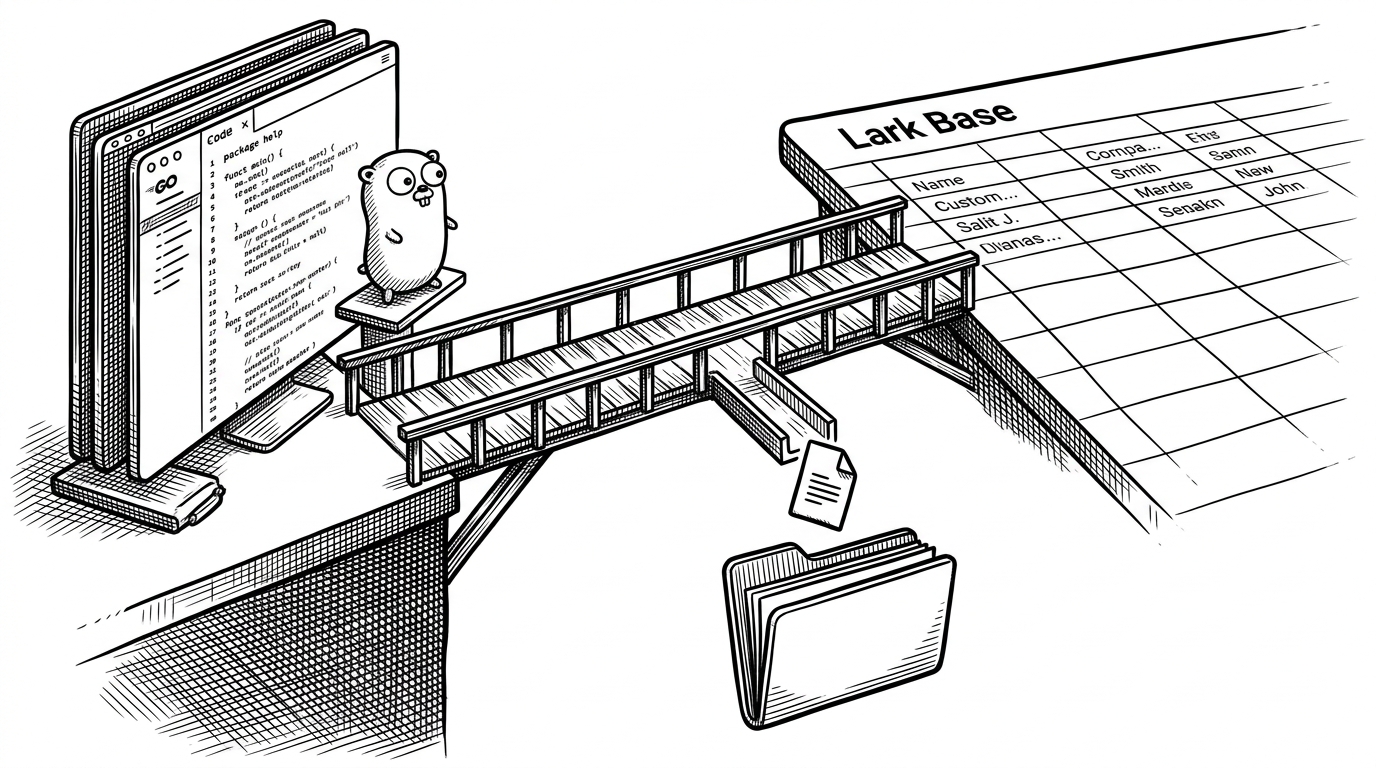
- larksuite/base-sdk-go wins by narrowing scope, because it is tuned for Lark Base workflows instead of every Lark surface.
- The request translator is the real product feature, since it turns fluent builders into final HTTP requests while filling tokens and switching formats automatically.
- The fluent API matters because it lowers footguns around required fields, nested payloads, and upload-heavy automation.
- This SDK fits Go teams that want Base to behave like a backend, not teams looking for one client across the whole platform.
Why a Base-specific SDK exists
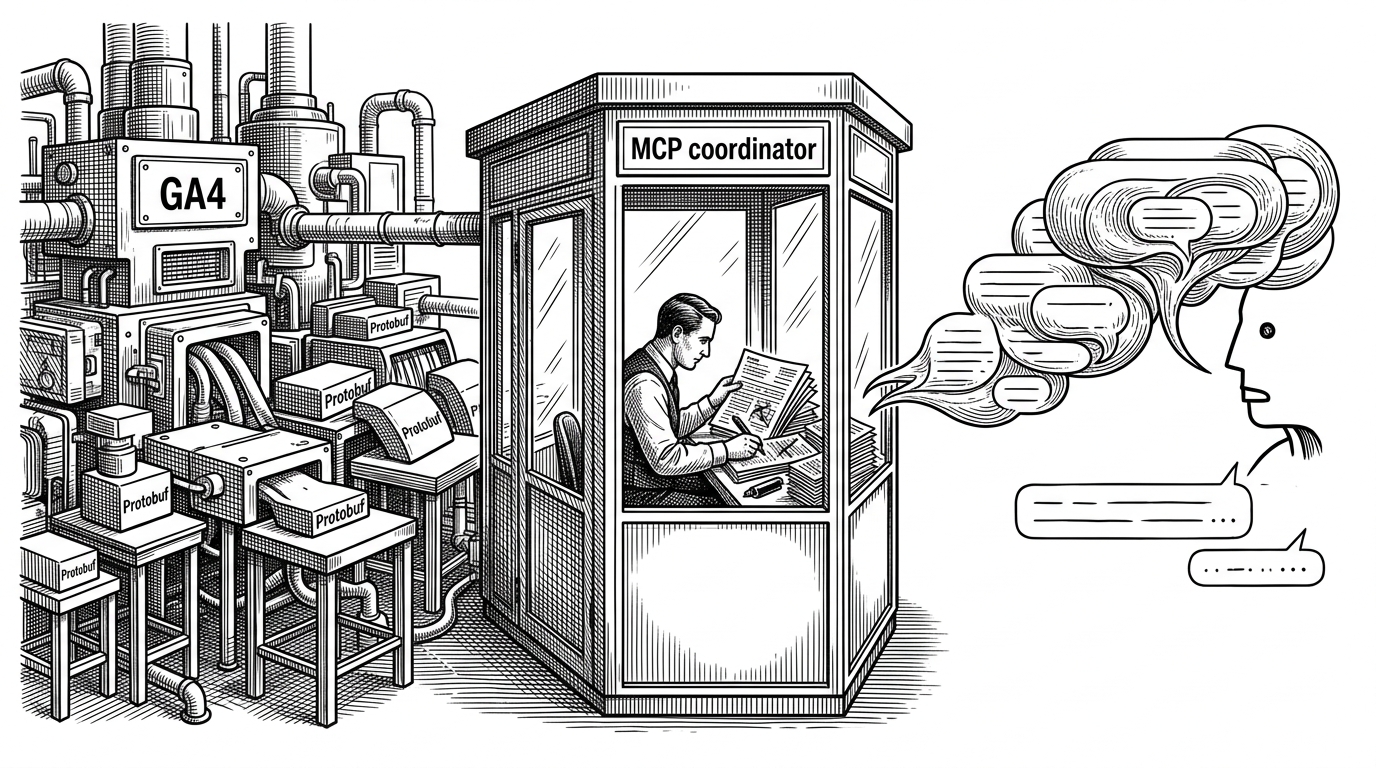
Most SDKs try to cover a platform from end to end. larksuite/base-sdk-go does the opposite. It trims the surface down to one job: let Go code treat Lark Base like a programmable backend.
That narrowness is the point. The repo is not trying to be the universal Lark client. It is optimized for table operations, record flows, and the file-handling edge cases that make Base automation annoying in practice.
旨在让开发者调用该SDK,能快速开发飞书多维表格插件,降低开发者门槛
That framing explains the rest of the codebase. Everything else is in service of a smaller promise: fewer decisions, fewer request details, and fewer places to make a mistake.
The translator that hides the HTTP details
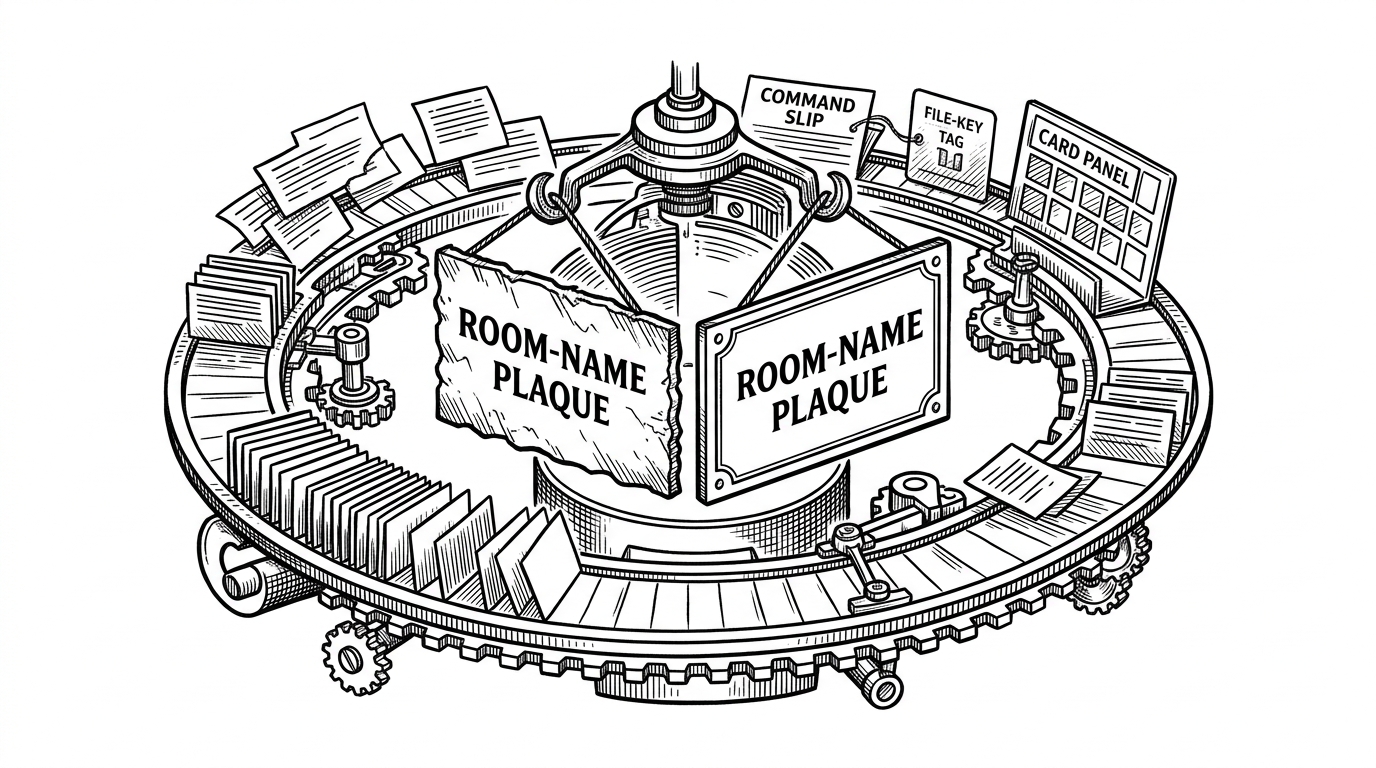
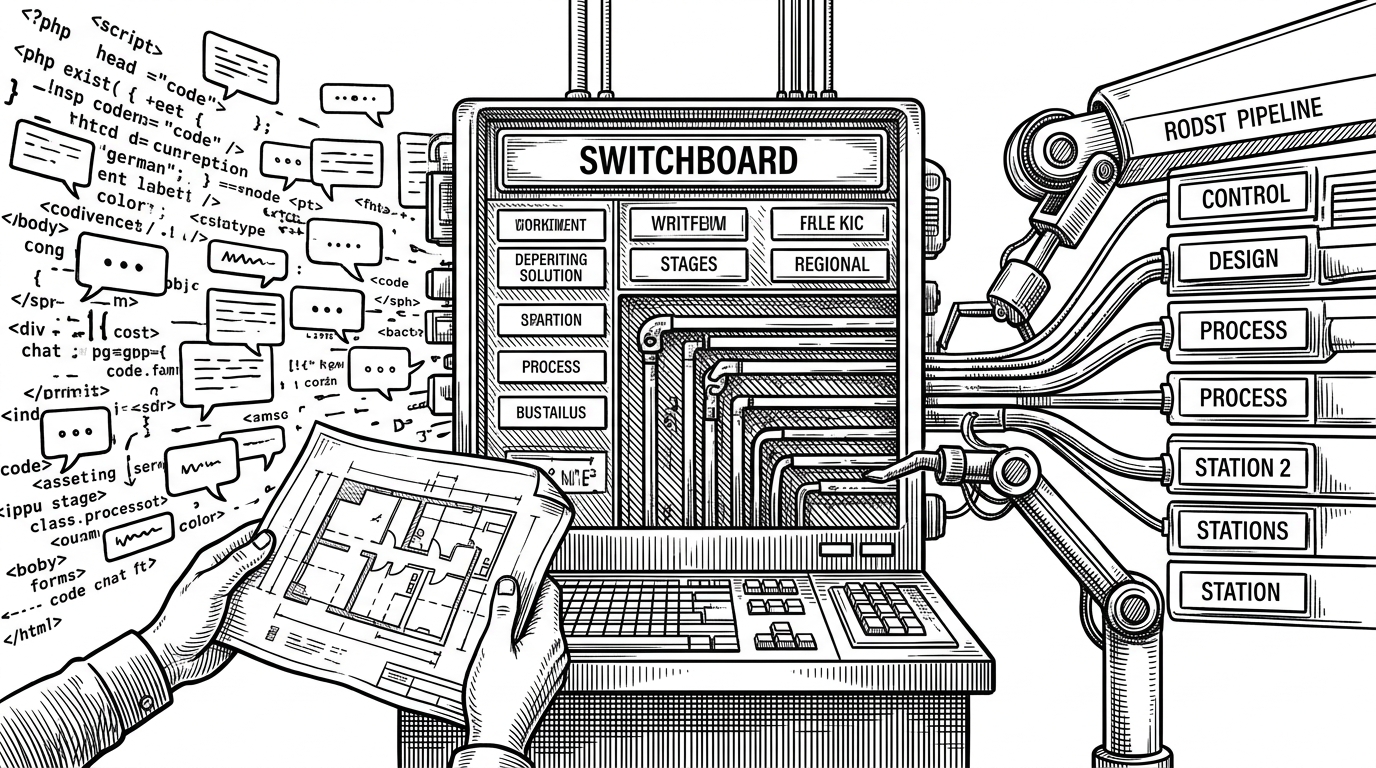
The repo's center of gravity is the request translator. A fluent builder becomes an ApiReq, ApiReq becomes an http.Request, and the translator fills in the parts developers should not have to micromanage.
It interpolates path variables, falls back to the client-level app_token when a request leaves it blank, and switches to multipart/form-data when uploads enter the picture. That means one API shape can cover ordinary table calls and media-heavy flows without asking callers to rewrite their code.
type HttpClient interface {
    Do(*http.Request) (*http.Response, error)
}

req := larkbase.NewListAppTableRecordReqBuilder().
    AppToken("basecnXXXX").
    PageSize(20).
    Build()
That interface boundary matters. You can inject a custom client for proxying, TLS tuning, or retry policy without teaching the SDK about your network environment.

Why the builders are not just syntactic sugar
The fluent builders are more than cosmetic. They make required fields visible, keep nested payloads close to the call site, and let IDE autocomplete do real work.
In a product surface like Base, that matters. A table schema can be strict, a record write can need several nested fields, and one missing token can break an automation at the worst possible moment. The builder pattern reduces the number of places a developer can drift.
The official SDK, the community SDKs, and the narrow middle
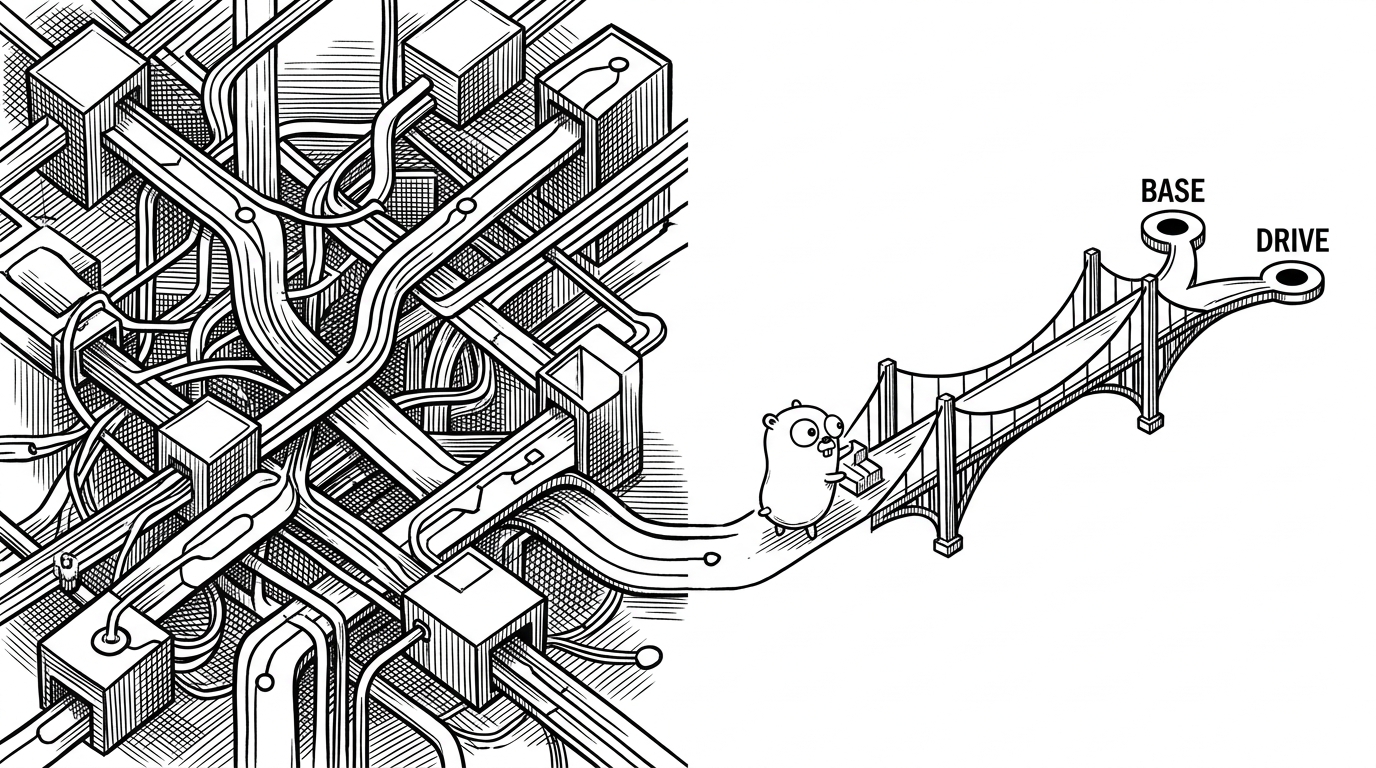
This repo sits in the narrow middle. It is broader than a one-off helper, but much tighter than a full platform SDK.
| Scope | Primary use case | API style | Boilerplate level | Best fit | Trade-off |
|---|---|---|---|---|---|
| larksuite/base-sdk-go | Feishu Base plugin and automation workflows | Fluent builders around Base and Drive | Low after the builder shape is learned | Go teams that live inside Base | Narrow by design |
| larksuite/oapi-sdk-go | Full Lark and Feishu Open Platform | Broad platform client | Medium to high | Teams that need one SDK for everything | More surface, less specialization |
| chyroc/lark | General-purpose community Lark client | Broad Lark APIs and callbacks | Medium | Teams that want breadth and community flexibility | Not tuned to Base-only workflows |
The table is the important trade-off in one glance. base-sdk-go does not win by being bigger. It wins by being the shortest path from Go code to a specific product surface.
What the codebase says about maturity
The codebase reads like generated infrastructure, not hobby glue. client.go is marked as generated, the core and service split is clean, and the sample/ directory acts like a usage atlas instead of a handful of token examples.
There is a pragmatic streak too. The transport retries some dial failures, and the response object keeps raw bytes, status, and headers around before unmarshalling. That is boring in the best possible way.
The result is a library that feels engineered for maintenance. It keeps the moving parts visible, but not exposed to every caller.
Who should use this, and who should not
- Use it if you are building Go automations or plugins around one Base tenant or one workflow surface.
- Use it if you want Base records to feel like typed calls instead of raw REST plumbing.
- Skip it if you need the full Lark platform in one client.
- Skip it if your team already standardizes on a broader SDK and Base is only a side feature.
The best way to read this repo is as a product bet. Scope can be a feature when the surface is messy enough. larksuite/base-sdk-go earns its keep by removing friction around one workflow, and by refusing to pretend it solves the entire platform.