<a href='https://github.com/larksuite/lark-project-template'>larksuite/lark-project-template</a>: the hidden translation layer behind Lark plugins
This official scaffold is less about boilerplate than about the hard parts of enterprise integration: identity mapping, webhook choreography, and sandbox-safe extensions.

- The template is a translation layer, not a starter kit.
- Identity mapping, sandbox boundaries, and async handling are the real work.
- Calendar and GitLab show two different operating models inside one official scaffold.
- Platform-specific scaffolds beat generic ones when the host app owns identity and lifecycle.
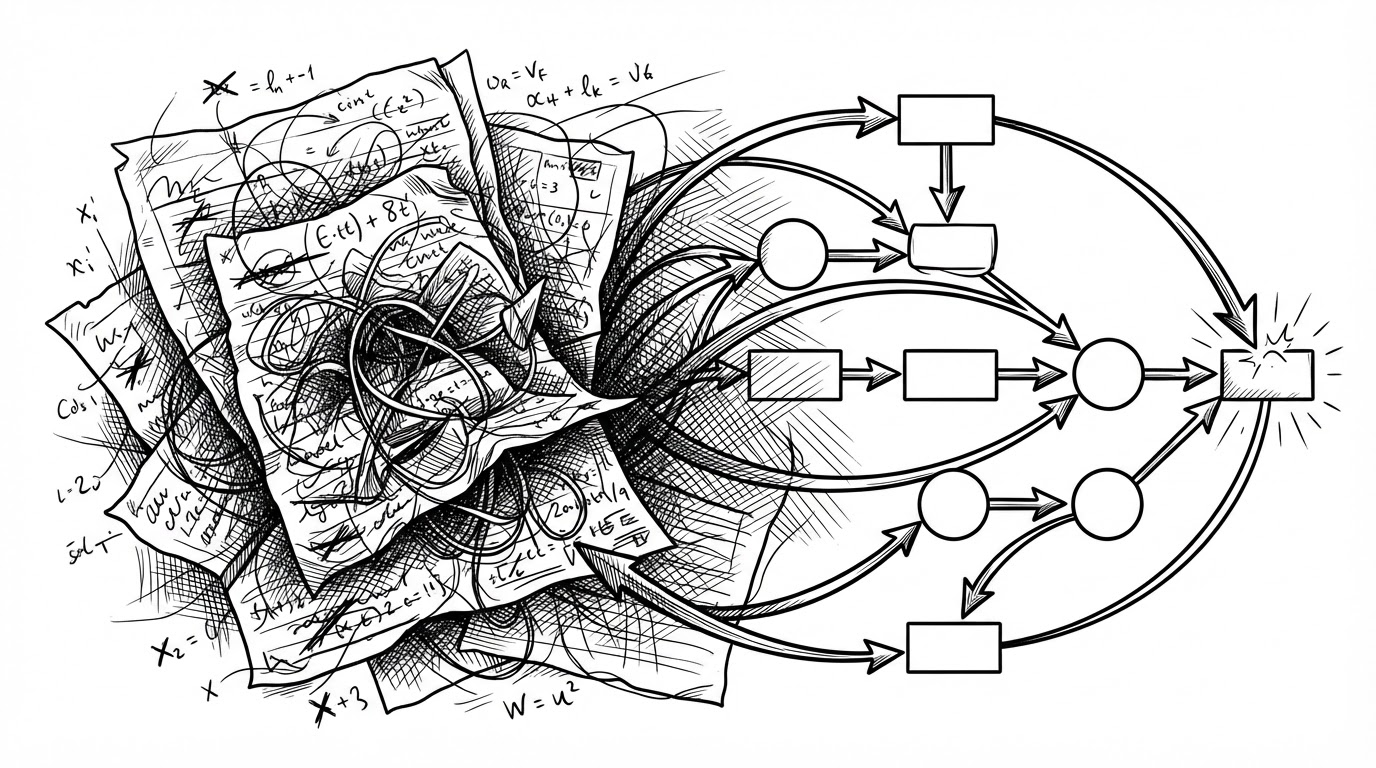
The real job here is translation
A Lark Project plugin does not just react to events. It translates them. The same work item may need to become a calendar meeting, a GitLab update, or a state change in another system, and each hop changes identity, timing, and storage rules.
That is why the most important line in this repo is not a UI component. It is the identity bridge. user_key inside Lark Project is not the same thing as union_id elsewhere in Lark, so the template has to resolve who the person is before any downstream action can be trusted.
Seen this way, the repository stops looking like boilerplate. It becomes a map of the decisions every serious integration has to make before the first webhook ever lands.
Why an official template matters
An official template matters because it encodes the platform's rules before you write a feature. This repo is Lark Suite's version of a golden path: it gives you the sanctioned shape for onboarding, plugin code, and the bridge between host app constraints and your own logic.

飞书项目插件模板
The contributor footprint is small, with KentonYu and maiijy at the top of the list. That is a useful signal. Templates like this work best when they are opinionated enough to stay coherent and narrow enough to keep the platform's hidden rules visible.

Two example plugins, two different operating models
The calendar plugin and the GitLab plugin are not just examples. They are two answers to the same question: how much state should an integration own, and how durable should that state be?
| Plugin | Shape | Storage | What it optimizes for |
|---|---|---|---|
| Calendar plugin | Lightweight sidecar around Lark Calendar | SQLite | Fast setup and low operational load |
| GitLab plugin | Webhook-driven integration service | MySQL | Durable sync and longer-lived event handling |
| Hand-rolled integration | Bespoke endpoint by endpoint glue code | Whatever you choose | Maximum freedom, maximum friction |
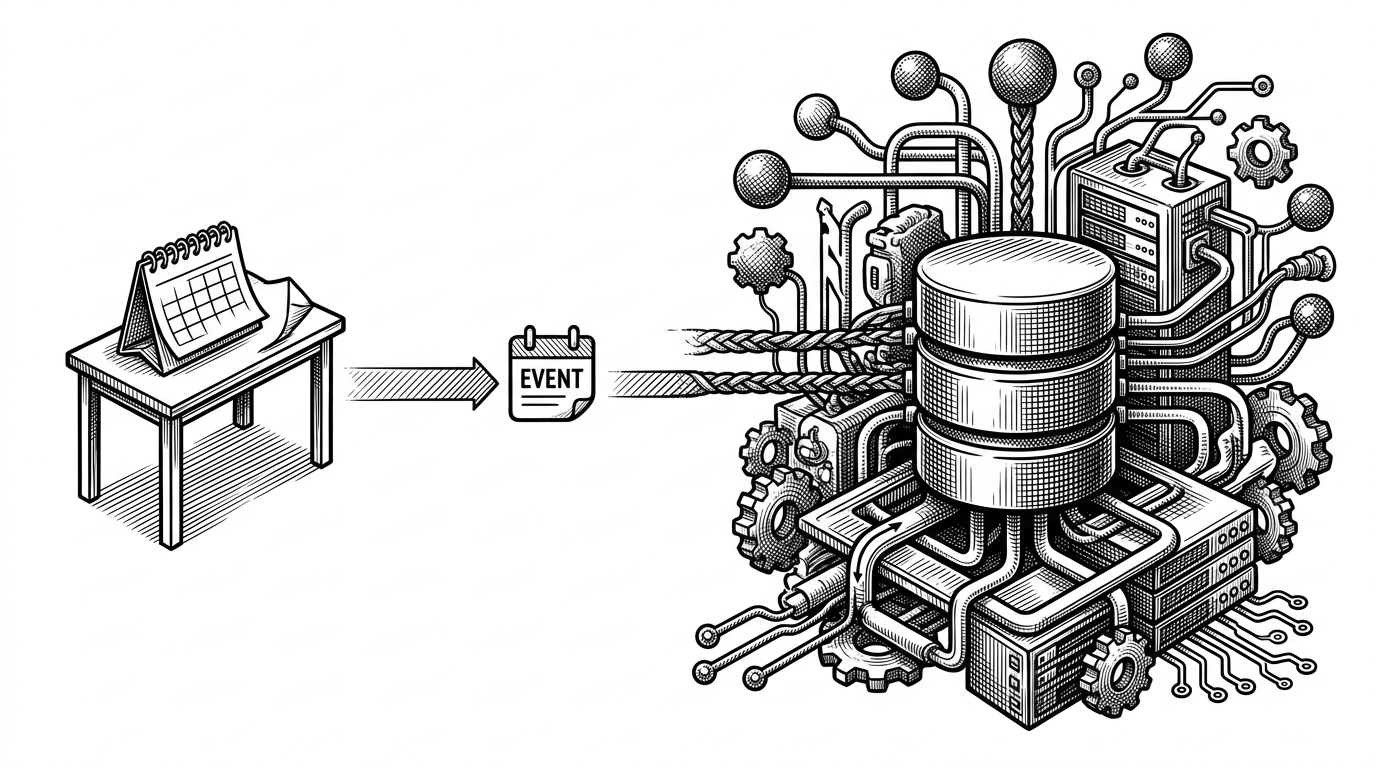
That contrast matters because it keeps the template honest. It does not pretend every integration should look the same. It shows two deployment philosophies and lets the underlying mechanics tell you which one fits.
Inside the sandbox
On the frontend, jssdk.ts attaches the Lark Project SDK to window, and sdkAction.ts wraps storage calls with quota awareness. That sounds small, but it is the difference between a plugin that behaves politely inside a host app and one that breaks the first time local state grows too large.
import { sdk } from '@lark-project/js-sdk';

export async function safeSet(key: string, value: unknown) {
  try {
    await sdk.storage.set(key, value);
  } catch (err: any) {
    if (err?.name === 'OutOfLimitError') {
      return compressAndRetry(key, value);
    }
    throw err;
  }
}

export async function safeGet(key: string) {
  return sdk.storage.get(key);
}
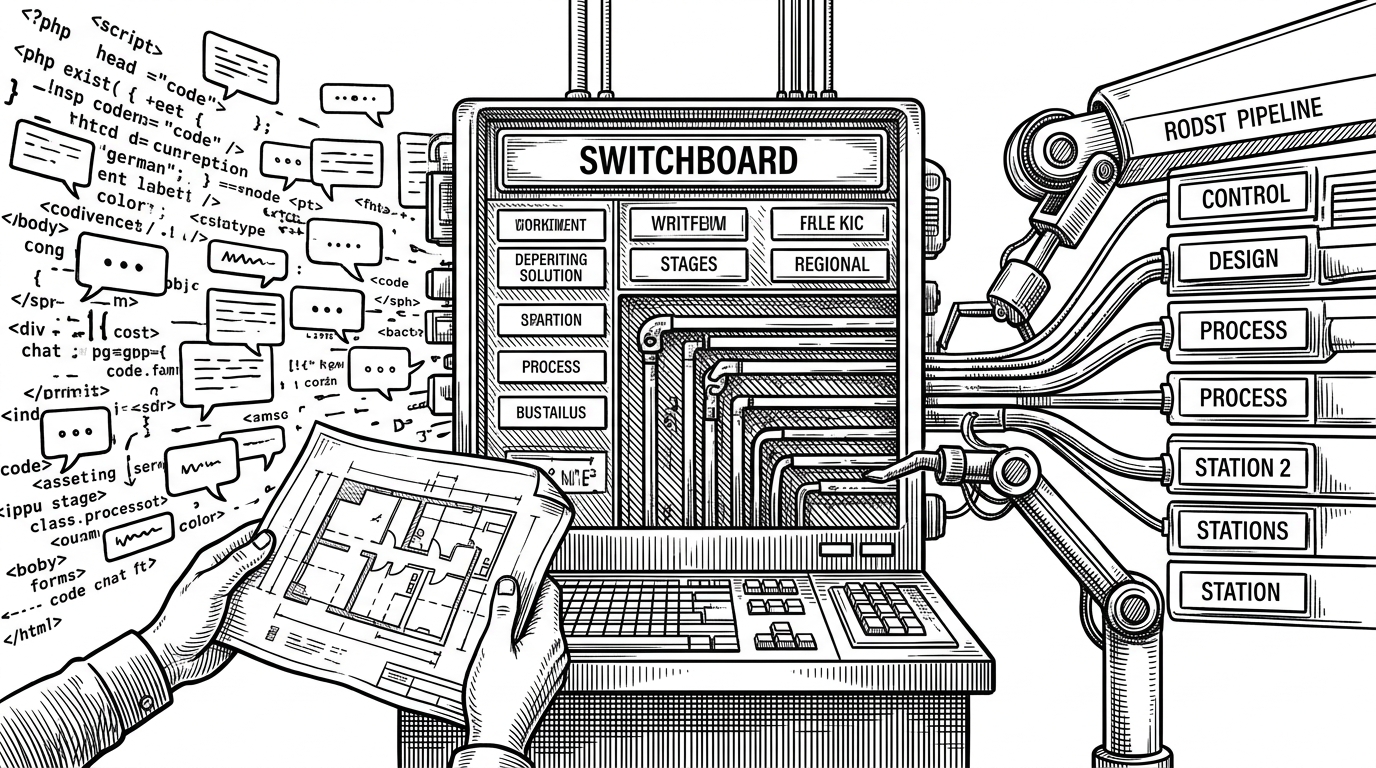
The backend has its own adaptation layer. The onboarding config uses EJS templating, which means values like pluginId and siteDomain can be injected into plugin.config.json.ejs for different environments or slots. That is how one codebase can land in multiple surfaces without forcing every surface to share the same runtime shape.
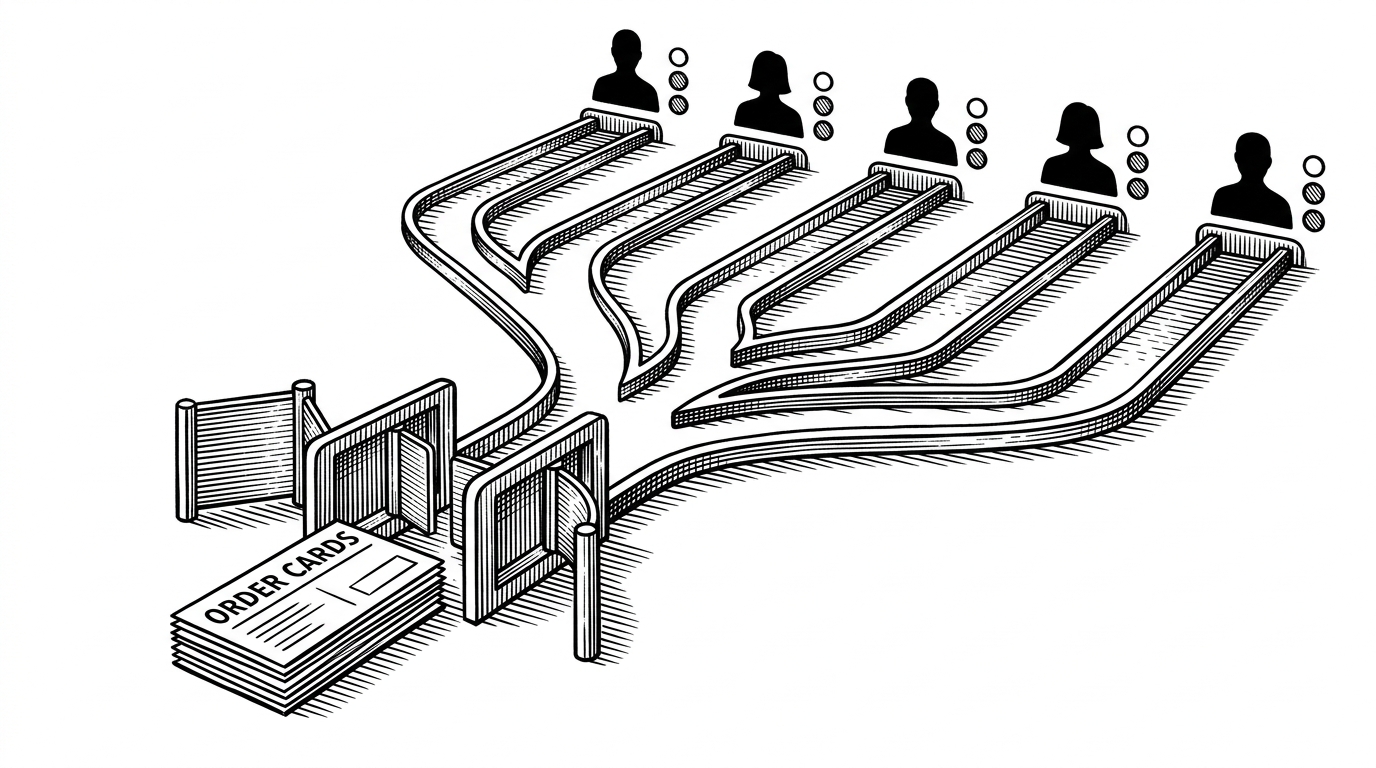
The calendar path also shows why async execution exists in the first place. A custom thread pool keeps long-running calls from stalling the webhook path, which is the right move when the host is waiting for a fast acknowledgement and the external API is not.
How an event becomes an action
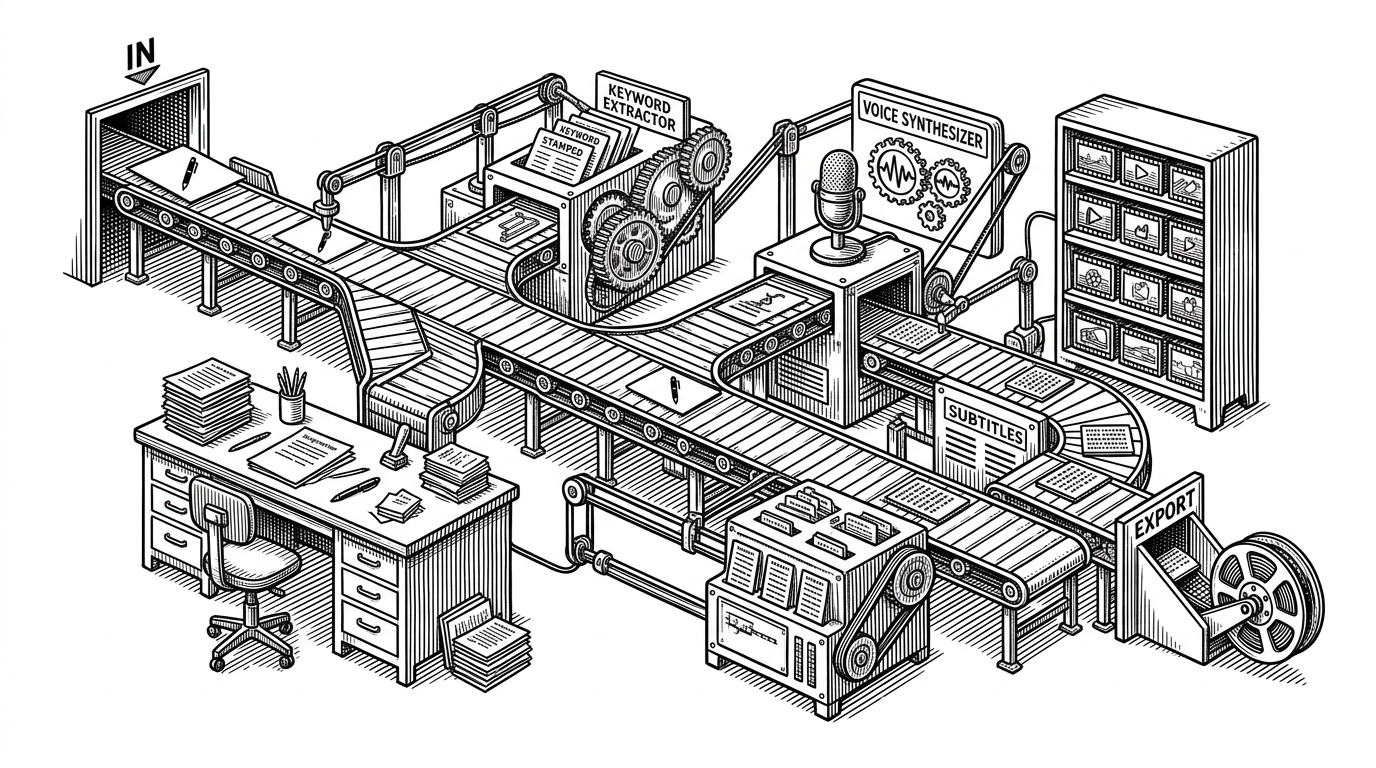
The runtime flow is straightforward once the translation metaphor clicks. A webhook or UI action enters, the template resolves the right identity and config, then the handler hands off to the service and adapter layer before the destination system sees anything.
- Lark Project emits an event or opens a plugin surface.
- The generated config chooses the right entry point for that slot.
- The bridge code resolves identity and host constraints.
- A handler or strategy routes the event to the correct service.
- An adapter calls the destination API, often through async execution.
- The downstream system receives the translated action in its own native terms.
The GitLab plugin makes the branching explicit with webhook strategies. The calendar plugin makes the host boundary explicit with SDK calls and quota handling. Together they show the same lesson from two angles: the hard part is not sending data. It is preserving meaning while you move it.
What this template teaches better than a generic scaffold
A generic scaffold gives you a blank shape. This repo gives you the messy truths you cannot infer from framework docs: host SDK boundaries, identity translation, webhook choreography, and environment-specific config. That is why it feels more like a playbook than a starter kit.
| Approach | Identity handling | Host SDK awareness | Operational risk | Best fit |
|---|---|---|---|---|
| larksuite/lark-project-template | Baked in | Explicit | Lower for Lark-specific work | Teams building inside Lark Project |
| Generic app scaffold | Absent | Manual | High unless you already know the platform | Greenfield apps with no host constraints |
| Hand-rolled integration | Ad hoc | Ad hoc | Highest | One-off experiments or very narrow use cases |
If you are building inside a host app, platform knowledge is not overhead. It is the product. This template is valuable because it packages that knowledge into code you can follow instead of rediscovering under pressure.