larksuite/project-oapi-sdk-golang: the official Go SDK that treats auth like infrastructure
A deep dive into the tiny core that caches tokens, rewrites paths, and keeps V1 and V2 alive side by side.

- This SDK is really a runtime for safer API calls, not just a bundle of endpoint bindings.
- Its token manager, cache interface, and transport layer push auth policy out of application code and into the client.
- V1 and V2 coexist as a migration strategy, which lets the product evolve without forcing every integration to jump at once.
- Compared with broader Lark SDKs, the project wins by narrowing the problem until the integration details become manageable.
The SDK is the product
Most SDKs are path maps with convenience methods. This repo behaves more like a tiny runtime around one enterprise integration, handling token lifecycle, transport, and request translation so application code can stay boring in the best way.
旨在让开发者便捷的调用飞书项目OPEN API
That line matters because it frames the whole design. The goal is not to make Lark feel generic. It is to make Feishu Project feel dependable from Go.
Why Feishu Project needs its own Go layer
Feishu Project is not the whole Lark universe. It is a narrow operational surface for teams moving work items, attachments, and project metadata through internal systems. In that world, the best SDK is the one that removes the most policy decisions from the caller.
Generic clients can hit the API, but they still leave auth caching, timeout policy, and URL templating to application code. This repo packages those decisions into the client itself, which is why it reads less like a wrapper and more like a small piece of middleware.
Inside the core: tokens, transport, and request translation
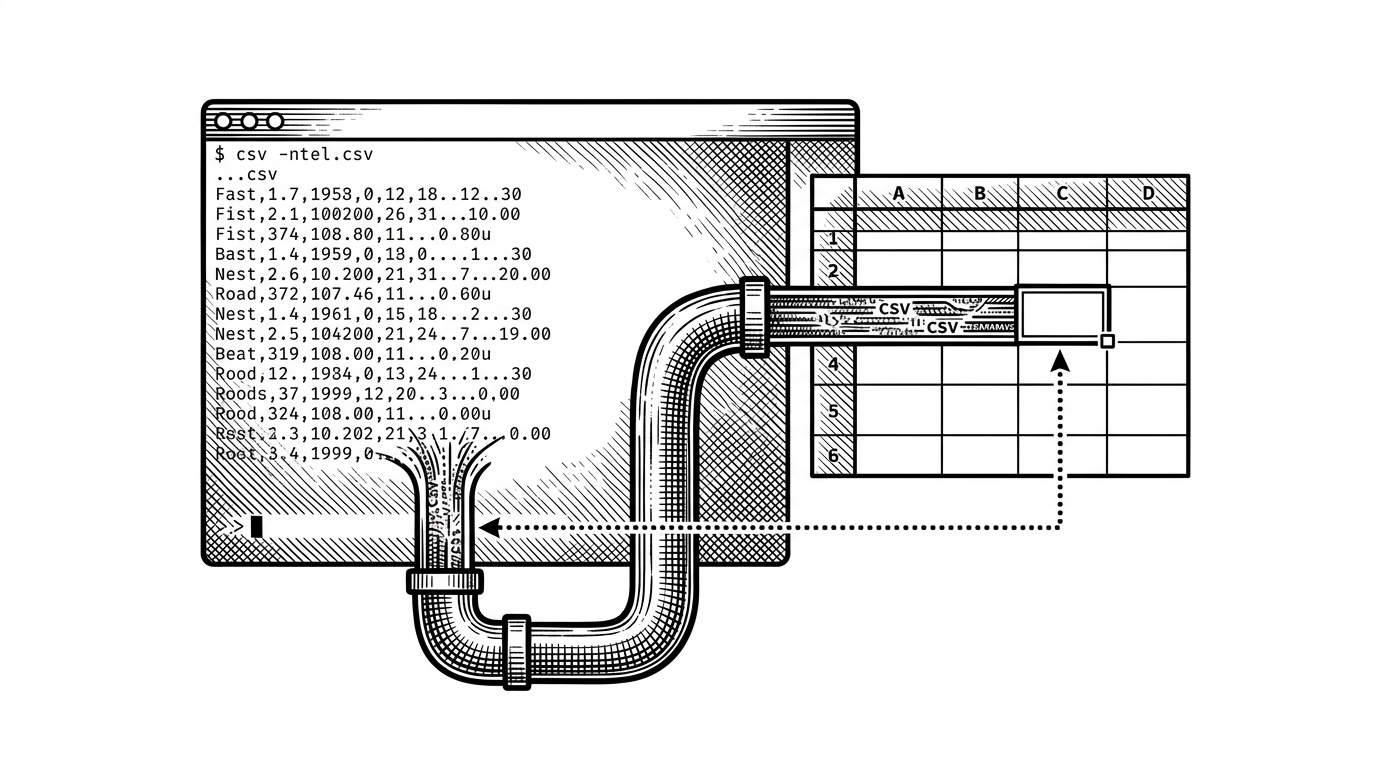
The core package is where the interesting engineering lives. TokenManager refreshes plugin tokens before expiry, caches them, and avoids the classic edge case where a request crosses the deadline mid-flight.
Cache, Logger, and HttpClient are interfaces, so the SDK can stay light by default and still adapt when a team wants Redis, structured logs, or a custom transport. reqtranslator.go handles the ugly middle: path parameter substitution, multipart assembly, and the final translation from typed request objects into something net/http can send.
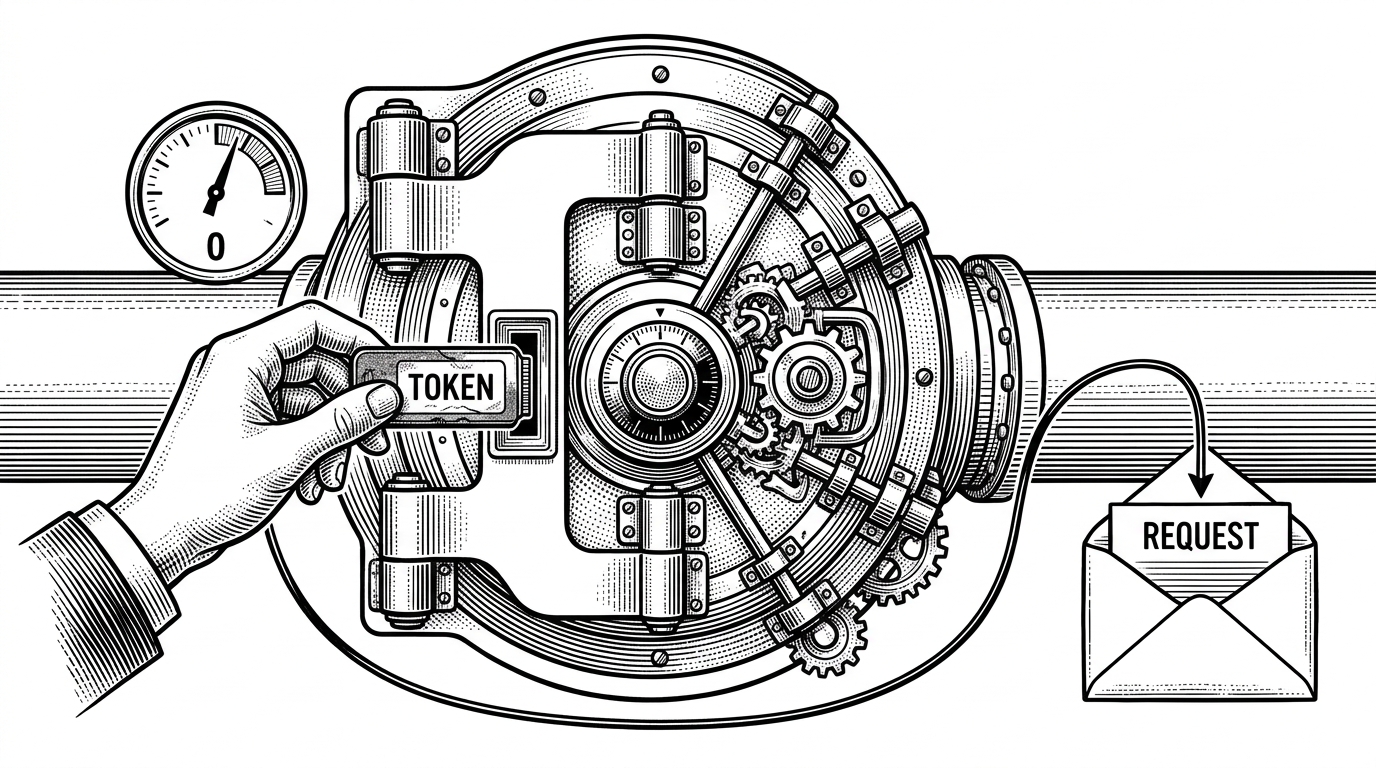
That pipeline is the point. The caller sees a typed method, but the SDK is quietly doing the work that usually causes production bugs: refreshing credentials, rewriting paths, and keeping transport policy consistent.
Why V1 exists without killing V2
The split between /service and /v2/service looks redundant until you read it as migration discipline. V1 keeps older integrations stable, while V2 gives newer endpoints room to evolve without forcing a flag day.
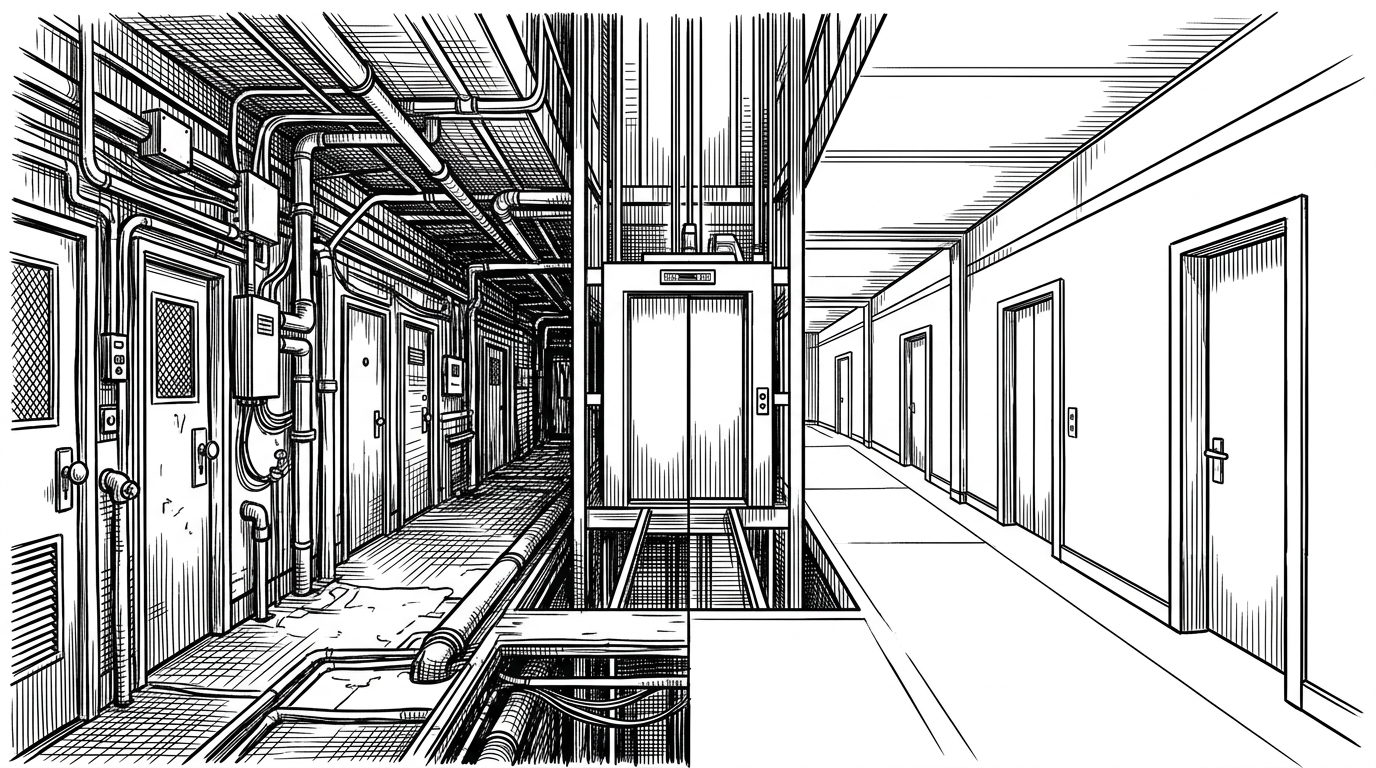
That matters in enterprise software. Official SDKs do their best work when they absorb churn instead of exporting it, and coexistence is often the cleanest way to do that.
How it compares to the rest of the Lark ecosystem
The right comparison is scope, not prestige. These SDKs solve overlapping problems, but they are optimized for different kinds of teams.
| Repo | Scope | Strength | Trade-off |
|---|---|---|---|
| larksuite/project-oapi-sdk-golang | Feishu Project only | Official, narrow, and tuned to one product surface. | Smaller scope than a general Lark client. |
| larksuite/oapi-sdk-go | Broader Lark Open API | Covers more of the ecosystem from one SDK. | More surface area than a project-only team may want. |
| chyroc/lark | Community broad coverage | Popular, comprehensive, and often the fastest way to get reach. | Community priorities, not product-team priorities. |
If your product lives inside Feishu Project, a narrow official client is the cleaner choice. If you need the wider Lark surface, the broader official SDK or the community package may be better, but you will be trading focus for reach.
What this repo teaches Go library authors
The nicest thing about this repo is its restraint. It uses the Go patterns that age well, then puts them around the parts of integration that actually break.
- Put auth policy in one place so application code never has to reason about token expiry.
- Make cache, logger, and transport pluggable before teams ask for the second implementation.
- Treat V1 and V2 as coexistence paths, not as a clean slate fantasy.
- Use functional options to grow the client without breaking callers.
That is the real lesson for library authors. Put the scary policy in one place, keep the transport swappable, and make versioning a bridge instead of a rupture. The user should feel like the API is simple. The implementation should do the hard work in private.