ljg-skill-explain-words: A word study tool that treats etymology like a workflow
lijg-skill-explain-words turns English vocabulary into physical imagery, semantic formulas, and museum-quality HTML cards inside Claude Code.
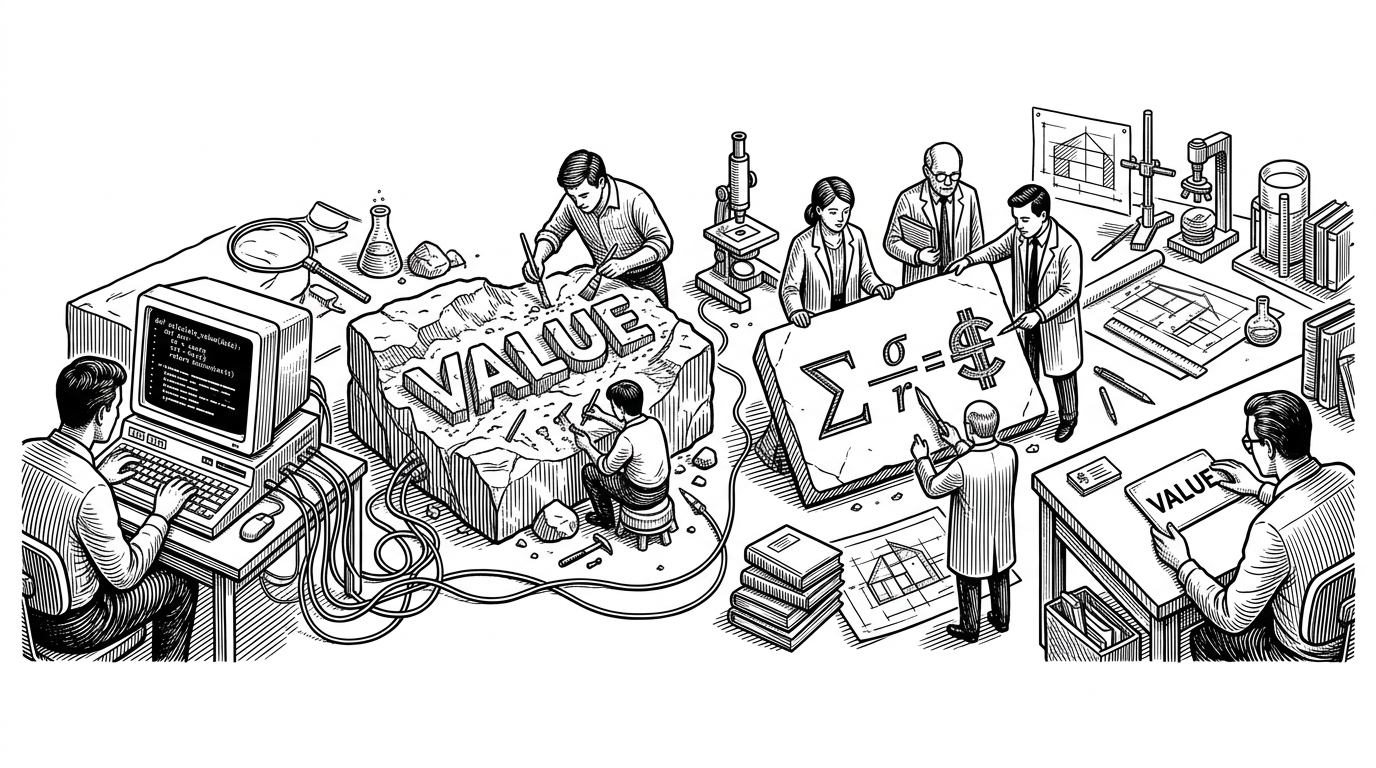
- This repository turns vocabulary analysis into a repeatable editorial pipeline, not a one-off chat prompt.
- Its main invention is constraint, because a concrete scene, a semantic formula, and a deep interpretation force the model to stay legible and vivid.
- The project shows how a Claude Code Skill can behave like a tiny application without traditional runtime code.
- It sits between dictionaries and generic LLM answers, but optimizes for insight, memorability, and shareable presentation.
A word study tool that thinks like an editor
Most vocabulary tools stop at definitions, examples, and maybe a tidy etymology. lijg-skill-explain-words goes in a different direction. It tries to make a single word feel so legible that you remember it, by turning it into a physical scene, a compressed formula, and a philosophical closing line.
单词灵魂解剖师 (Word Soul Master) — 一个 Claude Code Skill,深度解构英文单词的核心语义,直击词的灵魂。
Why the repo is smaller than the idea
The repository is tiny by software standards, and that is the point. The `.claude-plugin` folder gives Claude Code the metadata it needs, while `skills/ljg-explain-words/SKILL.md` carries the actual behavior. There is no server, no package tree, and no build pipeline. The product is the shape of the instruction set.
That instruction set is built for a narrow job: English words, not Chinese concepts, and not multi-word ideas. The skill does not try to become a general language model. It tries to become a reliable lens.
/ljg-explain-words Serendipity

1. 原始画面: a concrete physical scene
2. 核心意象: a compact semantic formula
3. 深度阐释: modern usage and philosophical meaning
How the model is steered
The important trick is not raw intelligence. It is choreography. The skill forces the model through three moves: start with a physical scene, compress the meaning into a formula, then reopen that formula into modern usage. Each stage strips away a different kind of vagueness.
That is why the output feels authored. The first step anchors meaning in something you can see. The second step compresses the word into a formula that is easy to hold in memory. The third step gives the word a voice, so the answer lands as interpretation rather than trivia.
What it is better than
| Approach | Primary job | What it optimizes | What it leaves out |
|---|---|---|---|
| Traditional dictionary | Give authoritative definitions and usage notes | Completeness and standardization | Memorable imagery and interpretive shape |
| Generic LLM prompt | Explain a word on demand | Flexibility and speed | Consistency and presentation discipline |
| lijg-skill-explain-words | Turn a word into a staged semantic artifact | Insight, compression, and repeatability | Breadth and general-purpose coverage |
The niche is clear. Dictionaries win on coverage. Generic chat wins on breadth. This skill wins when the goal is to make one word stick in the mind by giving it a scene, a structure, and a point of view.
李继刚写的汉语新解,输入任意汉语,就可以生成一副卡片,不仅文案写的好,而且生成的卡片美观大方,一段几百字的提示词顶得上几千行代码写出来的应用程序效果,将伪代码和 Claude 的能力结合的绝到好处,真的是了不起👍佩服佩服!
🦞锐评:值钱的不是 7 个 skill 本身,而是它把“理解内容 → 重写表达 → 视觉转译”做成了一套可拼装的工作流。
That reaction makes sense because the repository is not really selling words. It is selling a reusable method for moving from raw meaning to shaped meaning. In other hands, the same pattern could explain technical terms, brand language, or product concepts.
The bigger idea
The most interesting thing about this repo is that it treats prompt engineering like application design. A few dense instructions become a stable user experience, and the terminal becomes a place where language can be rendered, not just retrieved. That is a strong signal for where small AI tools are heading.
If you only read it as a vocabulary helper, you miss the larger lesson. The real product is a way to package thought so the model can repeat it faithfully. That is why this tiny skill feels bigger than its file count.