flashcards-mcp: The Remote MCP Server That Turns Chat Into a Spaced-Repetition System
A TypeScript server that combines OAuth, multi-tenant storage, and SM-2 scheduling so an AI tutor can create, track, and review flashcards inside the conversation.
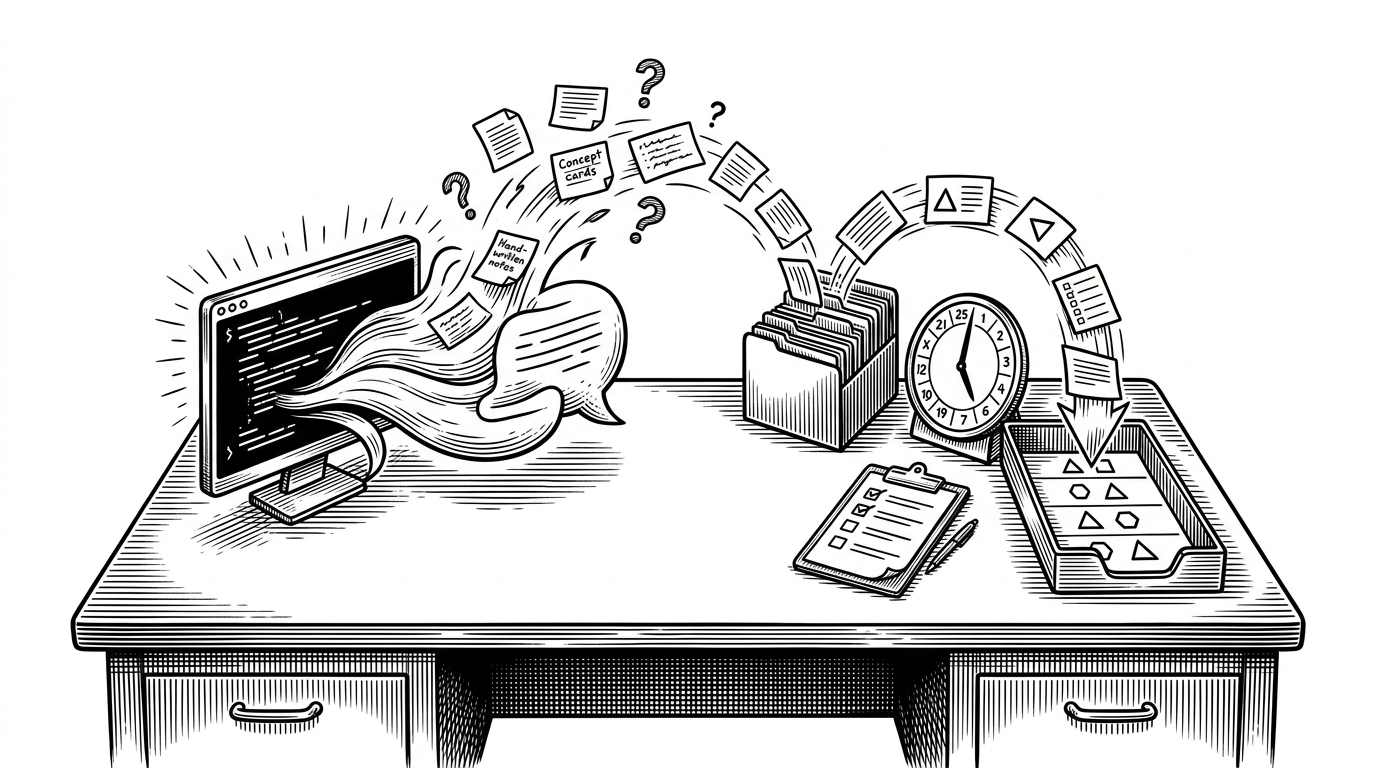

An MCP server that gives Claude (or any MCP client) the ability to create, review, and manage flashcards with spaced repetition (SM-2 algorithm).
- flashcards-mcp is less a study app than a stateful memory layer that lets an AI tutor keep working after the conversation ends.
- Its real novelty is production-grade plumbing: OAuth 2.1, PKCE, Redis-backed sessions, and remote MCP transport make the server usable across devices and users.
- SM-2 is the right kind of old idea here because it keeps review scheduling simple, explainable, and dependable.
- The repo points to a bigger pattern for MCP: the most interesting servers will look more like small SaaS backends than local scripts.
Why This Is More Than a Flashcard Bot
The surface story is flashcards. The deeper story is persistence. flashcards-mcp gives an AI client a way to remember what it learned with you, then bring that memory back later for review, which is the part most chat systems still struggle to do well.
That makes the repo feel less like a study helper and more like a remote tutoring service. It can explain a concept, decide what deserves a card, store it under a user identity, and schedule the next review without asking you to copy anything into another app.
From Conversation to Retention
The workflow is direct. The user asks a question. The model explains it. The server checks project memory, creates flashcards from the useful parts, and later serves up due cards for review. The payoff is not novelty. It is the removal of friction from a habit that usually dies in the gap between understanding and follow-through.
The Cloud-Native Trick
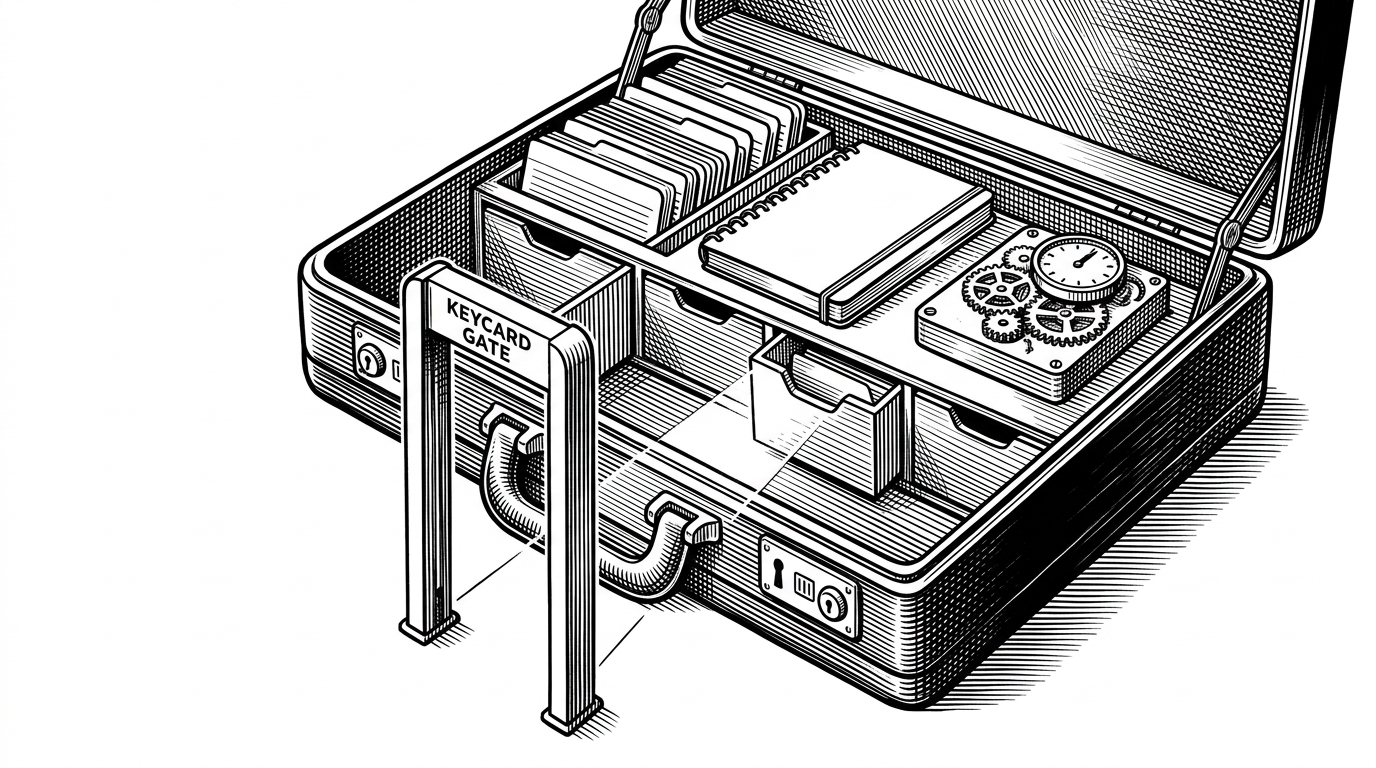
Most MCP examples stay local and stateless. This repo goes the other direction: remote HTTP transport, request-level server setup, token validation, and storage keyed to a user identity. The result is a server that behaves like a real service, not a demo process.
That matters because the moment a tool can be reached over the network, it needs the same boring infrastructure as any product: authentication, tenant isolation, session handling, and a place to keep state. Here that stack is built with TypeScript, Vercel serverless functions, Upstash Redis, and OAuth 2.1 with PKCE.
// The server exposes tools over remote HTTP, not stdio.
// Authenticated requests are mapped to user-scoped storage.

const transport = new StreamableHTTPServerTransport({
  sessionId: req.headers.get('x-session-id') ?? undefined,
});

const user = await validateBearerToken(req);
const store = new KVStore(redis, user.userId);

const server = new McpServer({ name: 'flashcards-mcp' });
registerTools(server, store);

await server.connect(transport);
The practical payoff is multi-tenancy. One deployment can serve many users, but each user gets their own flashcards, memory, and review state. That is the difference between a clever integration and something you can safely hand to real people.
Why SM-2 Still Matters
The scheduling engine is intentionally old-school. A review score from 1 to 4 feeds an SM-2 calculation, which adjusts the next interval and ease factor. There is no machine learning flourish here, and that is the point.
| Naive review | SM-2 scheduling | What it buys you |
|---|---|---|
| Show the same cards on a fixed loop. | Move the next review based on recall quality. | Better spacing, less repetition, more retention. |
| Treat every correct answer the same. | Reward strong recall with longer intervals. | Cards you know stop wasting your time. |
| Hide the logic in a black box. | Keep the rule set small and inspectable. | The system is easier to trust and debug. |
SM-2 works because it is legible. If a card feels easy, the gap grows. If a card is missed, the interval resets. For an AI tutor, that simplicity is a feature, since the model can explain the system to the user as easily as it uses it.
Project Memory Is the Quiet Superpower
The flashcards are only half the story. The repo also exposes separate memory tools, which let the model store durable context about a project, a topic, or a learner’s working assumptions. That turns the server into a broader learning notebook, not just a deck manager.
This is the part that makes the tool feel sticky. A user can come back after a break and pick up where they left off, because the system does not only remember what was reviewed. It remembers what the user was trying to understand in the first place.
How It Compares
Compared with local-only MCP servers, flashcards-mcp adds the hard parts that usually get skipped: remote transport, authentication, and persistent user-scoped state. Compared with hosted flashcard platforms, it gives up some product polish but gains openness and flexibility.
| Project | Strength | Trade-off |
|---|---|---|
| flashcards-mcp | Open, hackable, remote, and persistent. | Less polished than a dedicated flashcard product. |
| Local-only MCP server | Fast to prototype and easy to run on one machine. | No built-in multi-user auth or cloud persistence. |
| Deckbase MCP | Productized experience with a managed ecosystem. | More constrained and tied to a hosted platform. |
That is the real niche. It sits between toy integrations and full SaaS products. You can inspect it, modify it, and still trust it to work like a service.
What This Repo Suggests About the Future of MCP
The interesting pattern here is not flashcards. It is what happens when an MCP server stops behaving like a local plugin and starts behaving like infrastructure. Once auth, tenancy, and persistence are in place, the server can support workflows that survive sessions, devices, and long gaps between interactions.
That makes flashcards-mcp a useful signal. The next wave of MCP projects may not be defined by the tool they expose, but by whether they can remember, schedule, and safely serve state like a real backend.