`scroll-world`: The Skill That Turns AI Video Into a Scrollable 3D Product Story
A vanishingly small JavaScript engine, a seam-aware generation pipeline, and an AI-agent workflow that makes premium cinematic landing pages feel programmable.

- `scroll-world` is less a scroll animation library than a production system that teaches an AI agent how to generate, stitch, and ship cinematic web experiences.
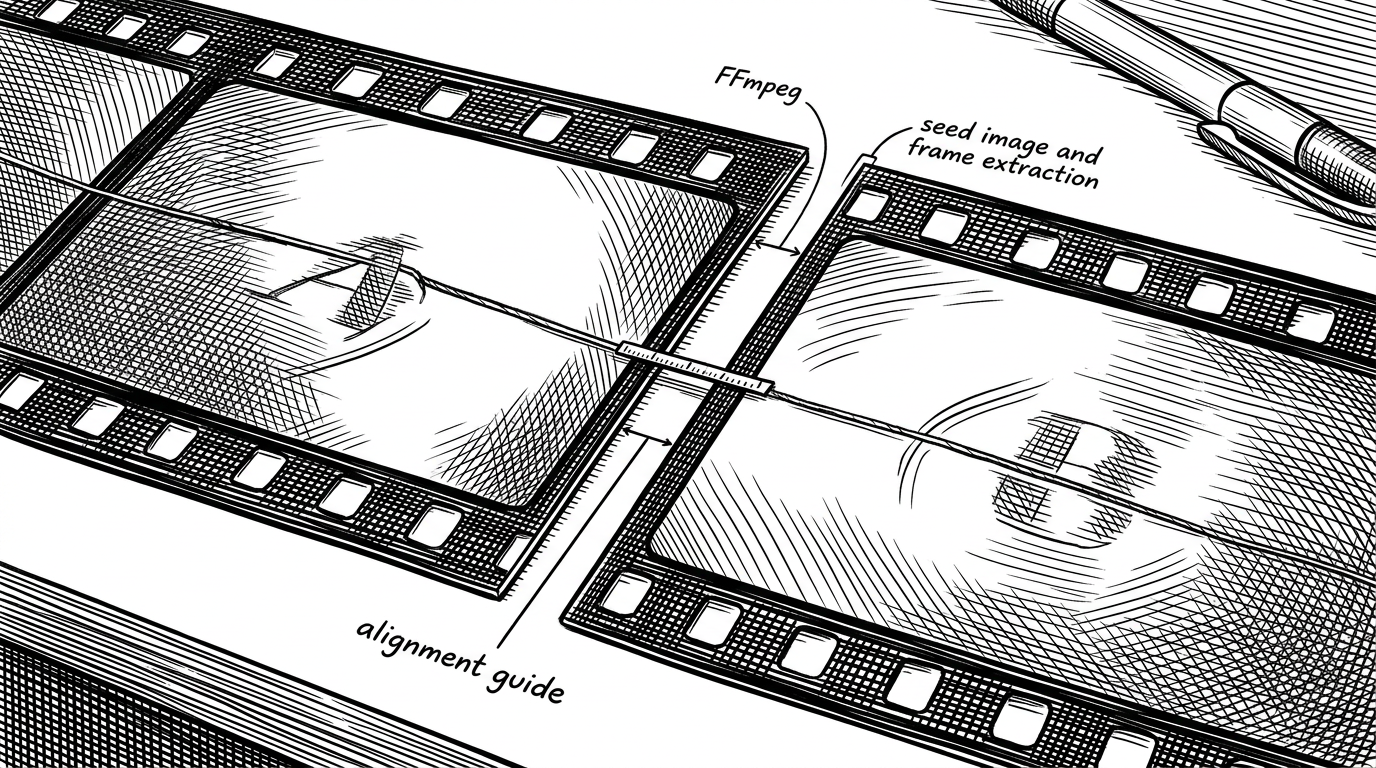
- Its signature move is seam management, where the last frame of one clip becomes the seed for the next so continuity survives generation boundaries.
- The runtime stays intentionally small because the hard work happens upstream in the pipeline, not inside a heavy frontend framework.
- Compared with Three.js, GSAP, or no-code builders, the project automates the making of the motion source material itself.
The real problem is not scroll. It is the seam.
Most scroll-driven product stories fail in the same place. They jump. A scene changes, a line shifts, and the illusion of a single cinematic world breaks. `scroll-world` is interesting because it treats that handoff as the core engineering problem, not a cosmetic detail.
That changes the category. This is not just a way to scrub video with your wheel or touchpad. It is a workflow for producing the video in a way that makes scrubbing believable in the first place.
A skill that turn any brand into a scrollable 3D world.
What `scroll-world` actually is
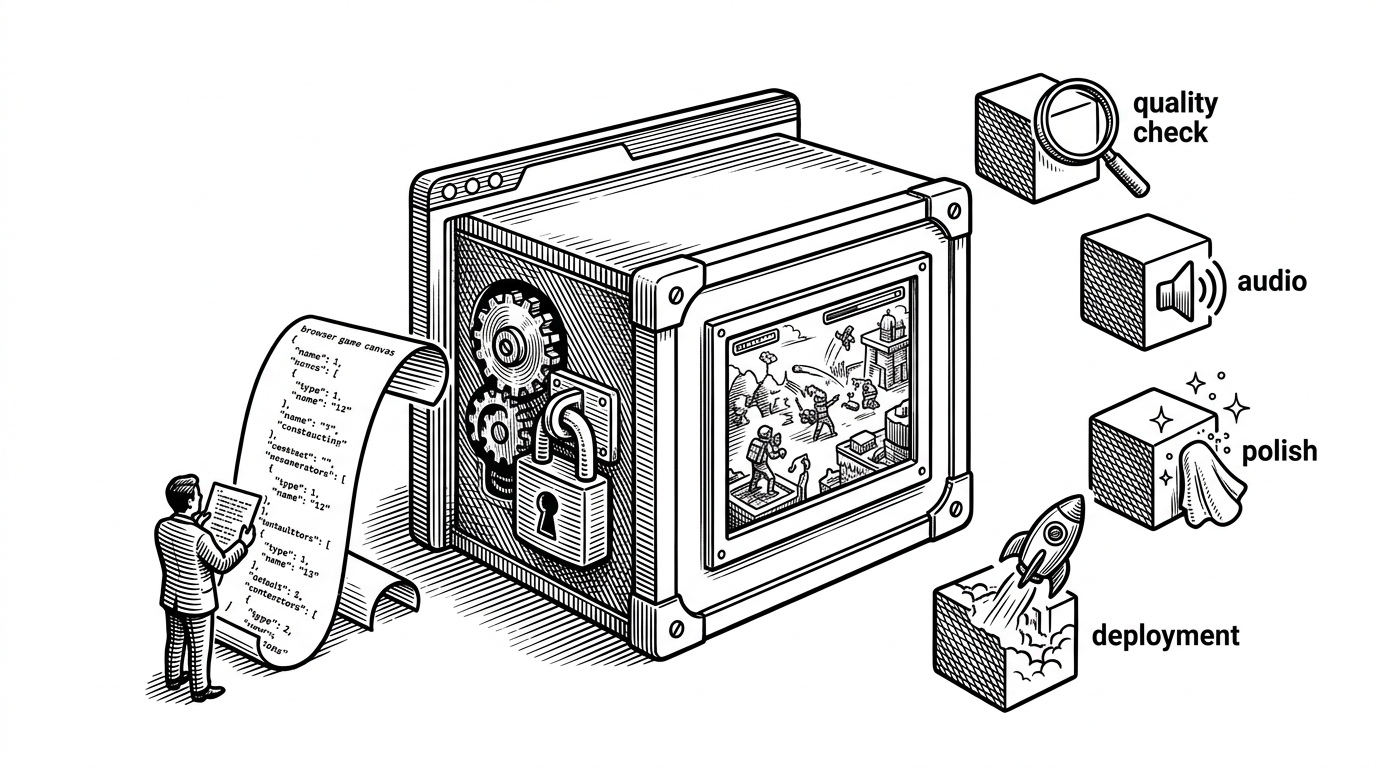
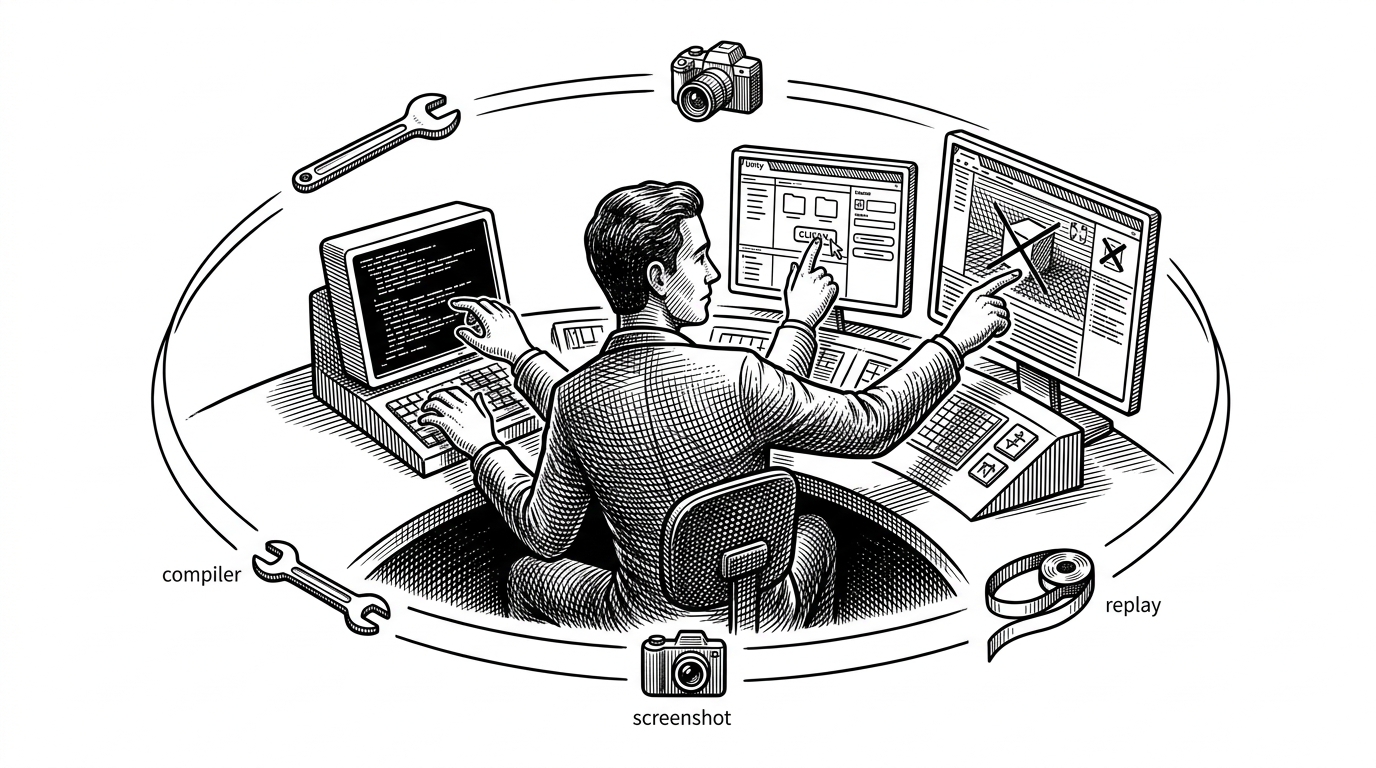
At a glance, the repo is a Claude Code skill paired with a tiny browser runtime. In practice, it is a production pipeline: interview the brand, generate stills, remove backgrounds, render dive clips and connector clips, then package the result into a scrollable experience.
That split matters. The skill documents the creative workflow for an agent. The runtime only has to do one job well: map scroll position to video playback with as little friction as possible.
Why the skill model matters
The important file here is `SKILL.md`. That is the real interface. It teaches an agent how to ask questions, sequence work, and preserve visual continuity across generations. In other words, the software does not just expose APIs. It encodes judgment.
That is a big shift. Traditional tooling assumes a human operator will choose the shots, time the transitions, and fix the seams manually. `scroll-world` pushes those decisions into a repeatable procedure that an AI agent can run.
Claude Code skill/plugin: immersive scroll-scrubbed 'fly through the world' landing pages generated with Higgsfield (Emons-style diorama flights, seamless connectors, portable scrub engine).
How the pipeline forces continuity
The seam trick is the repository’s most distinctive idea. Instead of generating isolated clips and hoping they match, the pipeline extracts boundary frames from one clip and feeds them into the next generation step as constraints. Continuity becomes a chain of references, not a matter of luck.
That makes the process feel closer to film post-production than to frontend animation. The generation loop is doing constrained interpolation across scenes, while FFmpeg and the surrounding scripts make sure the boundary frames are exact, not approximate.
The scrub engine is intentionally small
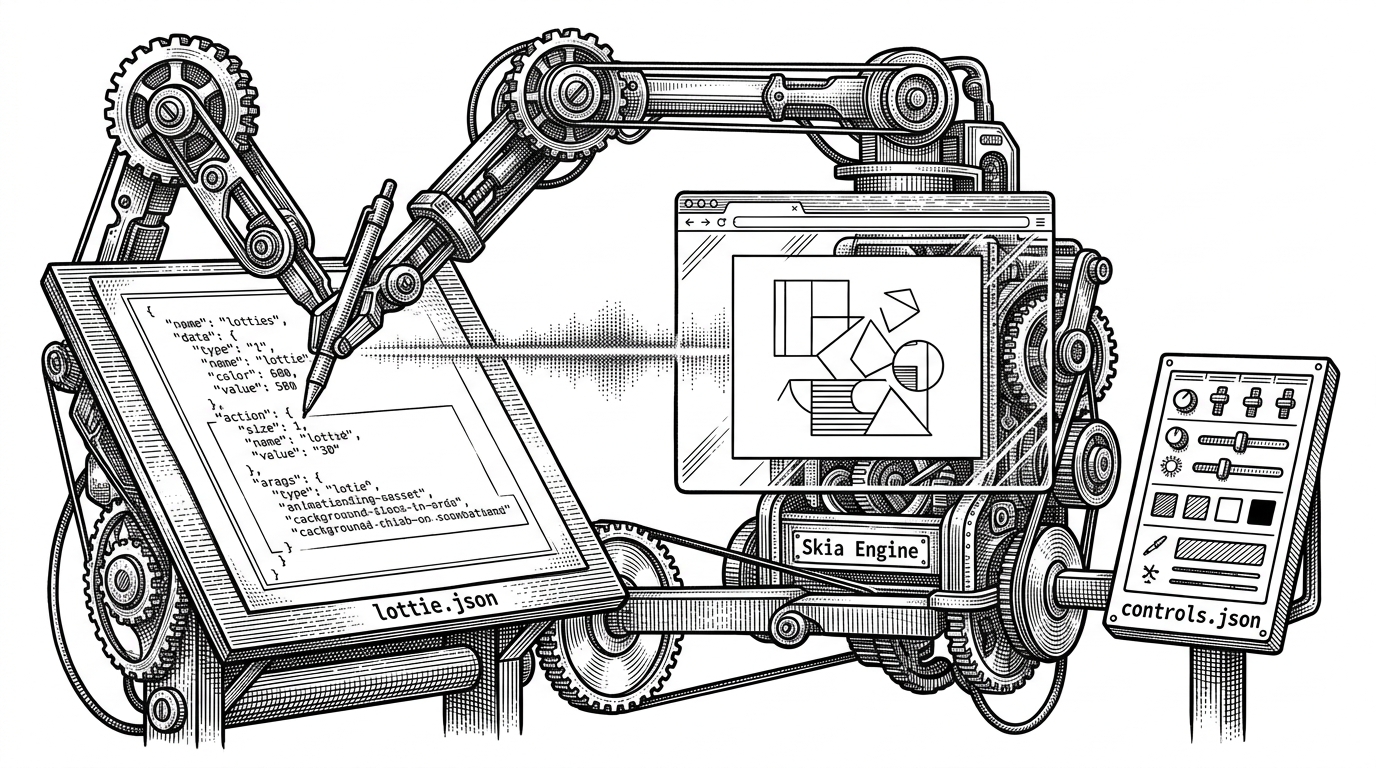
The playback layer is almost ascetic. `scrub-engine.js` is framework-agnostic, dependency-free, and deliberately dumb in the best way. It loads video as a Blob, keeps it seekable, and uses `requestAnimationFrame` to translate scroll position into `video.currentTime`.
That restraint is the point. The repo is not trying to win by inventing a flashy player framework. It is trying to keep the browser job simple after all the hard visual work has already happened upstream.
On mobile, the engine coalesces seeks so the decoder does not get hammered by every tiny scroll event. That kind of engineering tells you where the bottleneck really lives: not in drawing the interface, but in making scroll-scrubbed video behave reliably.
Why this beats the usual web motion stack
This project is not competing with Three.js, React Three Fiber, or GSAP ScrollTrigger on the same axis. Those tools are excellent at controlling motion. `scroll-world` is about manufacturing the motion source material and then giving you a minimal way to play it back.
| Stack | What it’s good at | What it makes you do manually | What `scroll-world` automates |
|---|---|---|---|
| Three.js / React Three Fiber | Custom 3D scenes and real-time interaction | Modeling, animation, scene setup, performance tuning | The asset-generation pipeline that creates the cinematic world |
| GSAP / ScrollTrigger | Precise scroll-linked motion | Building transitions, timing keyframes, managing visual continuity | Turning AI-generated video into a scrollable narrative |
| Framer / Wix AI | Fast page assembly and templates | Styling, motion polish, and bespoke media production | The creative production loop from prompt to stitched cinematic scenes |
That is the real distinction. Classic motion stacks help you choreograph what already exists. `scroll-world` helps create the thing you are choreographing.
What this says about the next generation of web tools
The broader lesson is that software can now encode process, not just behavior. `scroll-world` packages a creative method for an AI agent, then leaves a tiny runtime behind to deliver the result in the browser.
That is why the repo feels bigger than its code footprint. It suggests a future where the most valuable open-source projects are not just libraries, but repeatable workflows for making high-end artifacts at the edge of automation.
This repository functions as a clever AI assistant plugin for platforms like Claude Code, allowing you to generate immersive, interconnected video scenes using Higgsfield.