`plutoniummod/t5-scripts`: The Scripted Nervous System of Black Ops Multiplayer
Inside the callback bridge, per-player threads, and DVAR knobs that let a 2010 shooter act like a live server framework.
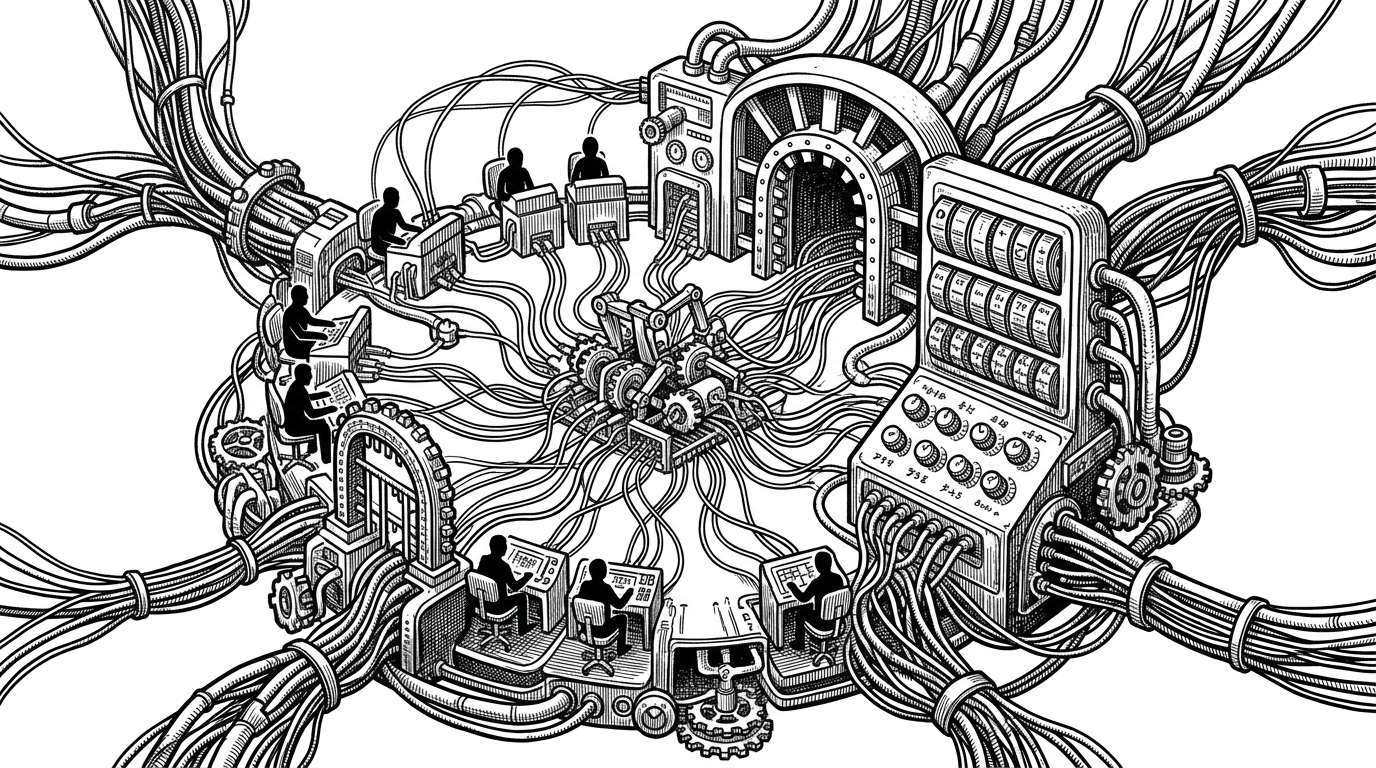
- `t5-scripts` is the rule layer that turns Black Ops multiplayer into a callback-driven runtime instead of a fixed game loop.
- Its real power comes from per-player threads, notify and waittill flow, and DVARs that reshape behavior without changing the engine.
- Spawn logic and match flow are encoded as timing and state, so fairness becomes a system property rather than a slogan.
- In the Plutonium ecosystem, the repo sits between platform and tooling because it is the actual corpus of gameplay rules.
The game is a runtime, not a monolith
The surprise in plutoniummod/t5-scripts is not that Black Ops multiplayer can be modded. It is that the game already behaves like a message-driven system, with engine events handed off into GSC callbacks, then fanned out into per-match and per-player logic.
That makes the repo feel less like archived game code and more like a live operating manual for the match. The engine supplies the event, but the scripts decide what that event means, how long it should last, and what happens next.
Callbacks are the handoff point
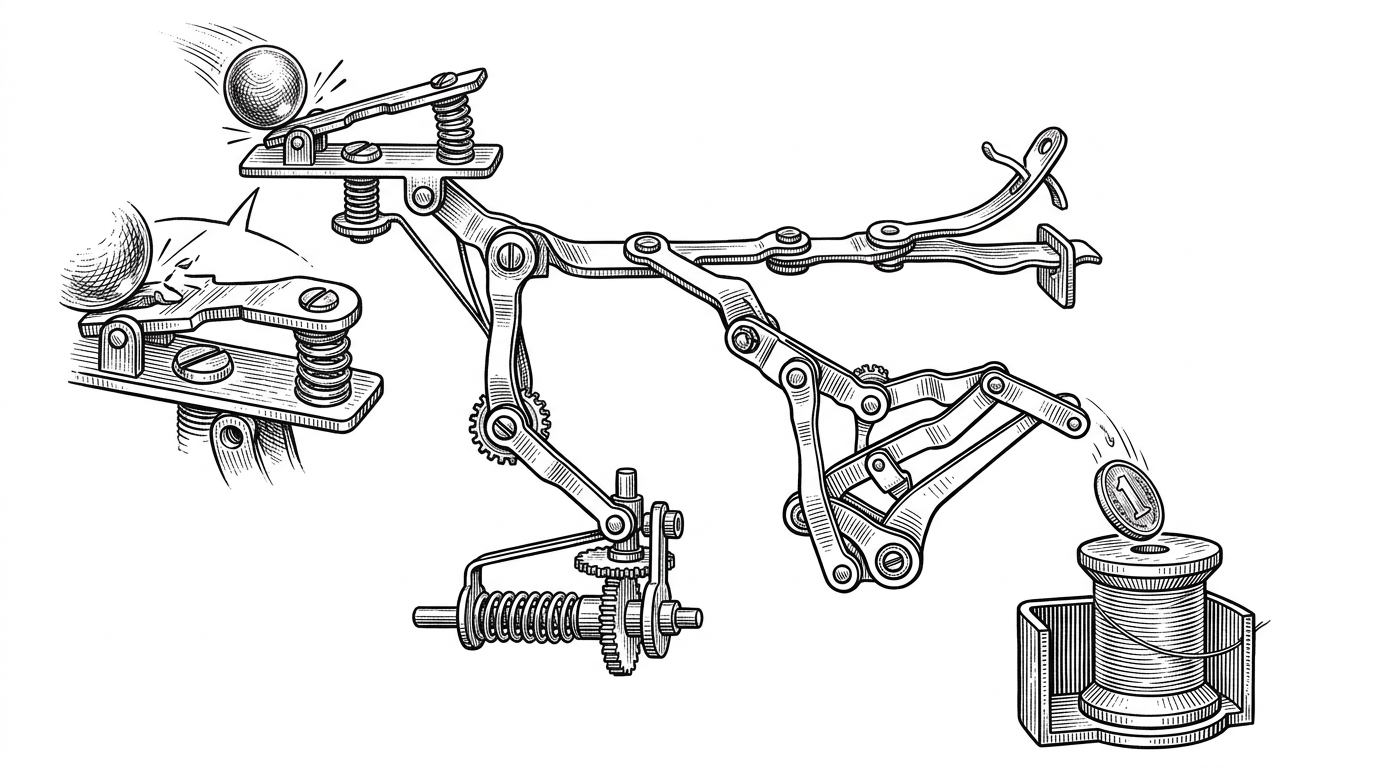
The bridge is visible in files like _callbacksetup.gsc, where engine events land in functions such as CodeCallback_PlayerConnect() and CodeCallback_PlayerDamage(). The point is not just to catch events, but to route them into the right branch of match logic.
That routing is what makes the system feel flexible. One gametype can react to damage one way, another can override it, and the same engine event can lead to different player states without changing the compiled game itself.
Added Loading GSC from folders: scripts/ / and. raw\scripts is one valid folder.
That small line captures the operating reality of the repo. These scripts are not a theory exercise. They are meant to be loaded, hooked, and executed inside a real server workflow.
Spawn logic is the game's pressure valve
If callbacks are the entry point, _globallogic_spawn.gsc is where the match learns how to breathe. Wave spawning, grace periods, delays, and team balance all turn into timing decisions that control when the field opens up again.
That is why spawn logic matters so much in a shooter. It is not just placement. It is pacing, protection, and pressure control, all expressed as state and time.
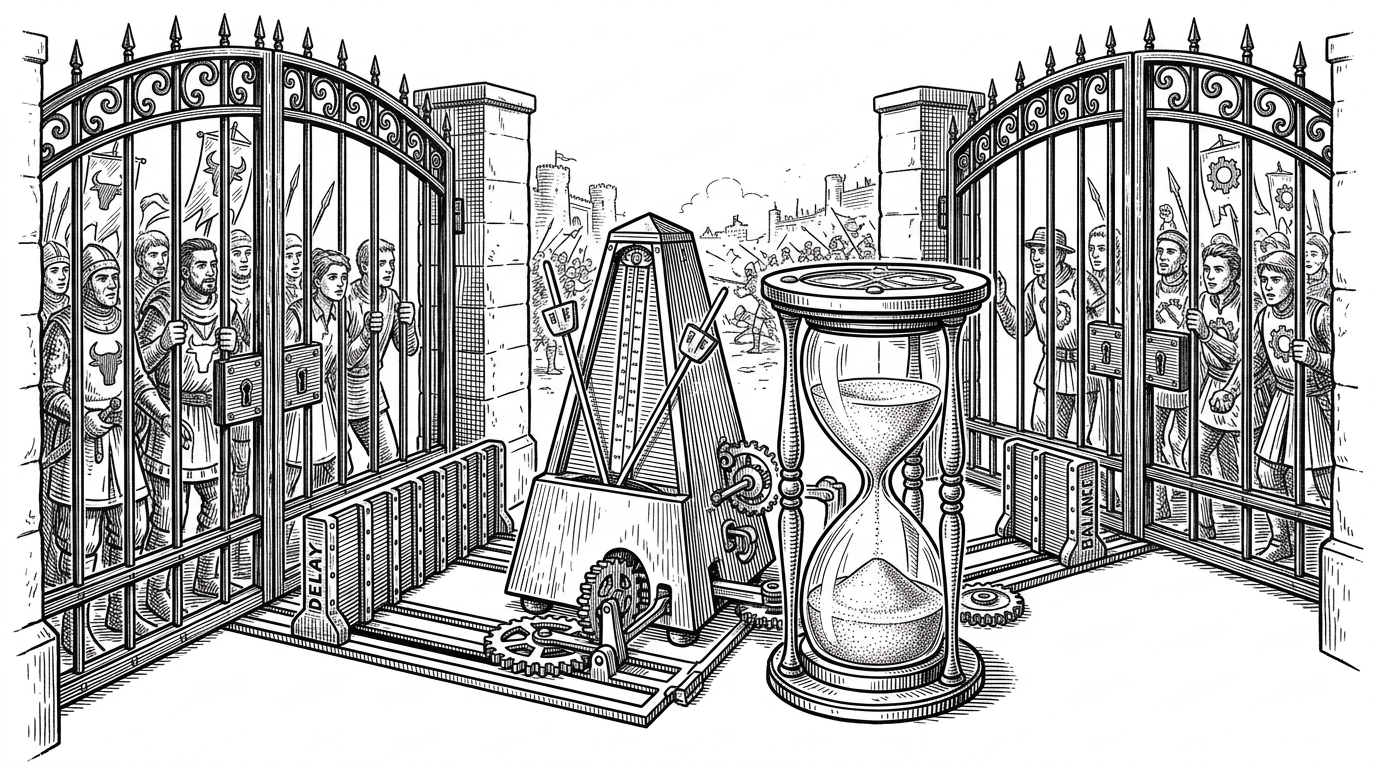
The effect is easy to miss if you only think in terms of spawns and deaths. Once you see the timing layer, you see why the game can feel fair even when the outcomes are messy.
DVARs make the whole ruleset tunable
The scripts do not hardcode every feeling of the game. They lean on DVARs, dynamic variables that let operators reshape movement, pacing, and server behavior without rewriting the engine layer.
That is the quiet superpower here. A server admin can change how fast players move, how long they wait, or how a mode behaves, and the scripts absorb those values as part of the ruleset rather than treating them as afterthoughts.
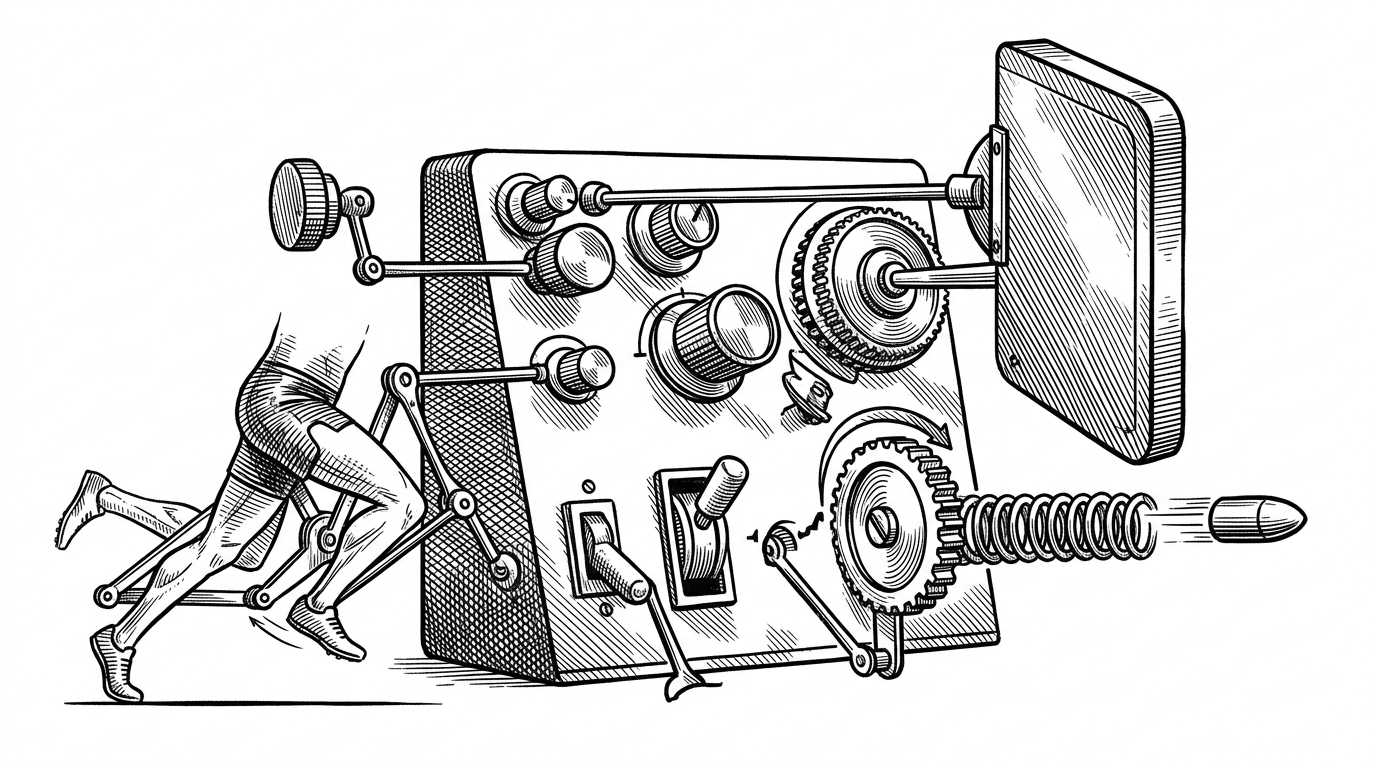
You can see that mindset in utility code too, where the scripts rate-limit expensive work and keep the server from doing too much in one frame. The design assumes the match is a living system, not a static map.
Why this repo exists in the Plutonium ecosystem
plutoniummod/t5-scripts matters because it is not just a modding artifact. It is the curated script corpus that gives the Plutonium T5 client a durable, shared behavior layer for multiplayer servers.
That makes its job narrower than a client and broader than a tool. The platform runs the game, the tools help you write and edit scripts, and this repo is the thing that defines what the scripts actually do once they are loaded.
I’m trying to add custom .gsc scripts to my Plutonium T4 Zombies server, but I’m running into some issues.
That is the practical audience in one sentence. These repositories exist because people are trying to make servers behave differently, and they need a reliable place to source the game logic that makes those changes stick.
What it is, compared with other modding paths
The easiest way to understand the repo is by contrast. It is not the editor, not the client, and not a generic content pipeline. It is the actual game logic that sits between the engine and the people tuning the server.
| Project | What it solves | Who uses it | What it cannot do | Why t5-scripts is different |
|---|---|---|---|---|
| plutoniummod/t5-scripts | Ships the multiplayer ruleset as GSC source. | Server admins and script authors. | It does not replace the client or compile maps. | It is the live gameplay corpus itself. |
| Official mod tools | Help create sanctioned content and maps. | Studio-oriented creators. | They do not expose this exact T5 multiplayer logic layer. | They sit upstream of runtime behavior. |
| GSC tools like GSC Studio | Edit, compile, and inject scripts. | Script authors and reverse engineers. | They are not the authoritative source of shipped logic. | They are tooling, not the ruleset. |
| Full custom clients like Plutonium or IW4x | Provide the runtime and server support. | Communities and dedicated server operators. | They do not by themselves define all game logic. | They are the platform that t5-scripts runs on. |
That position is the real differentiator. The repo sits between a tool and a platform, and that middle layer is where the match becomes configurable without becoming unrecognizable.