goutoujunshi: The Relationship Advisor That Treats Feelings Like Input and Advice Like Code
A Codex Skill that separates emotion, evidence, and action. It rejects mind-reading, routes around danger, and turns messy human conflict into a disciplined decision pipeline.


把情绪支持、关系科学与可执行策略,装进一个真正站在用户一边的AI 恋爱军师。
- goutoujunshi turns relationship advice into a bounded workflow that validates emotion before it tries to solve anything.
- Its real innovation is not charisma but fact splitting, evidence gating, and explicit safety routing.
- The repo reads like prompt engineering that matured into software engineering, with tests, validation scripts, and knowledge files acting like infrastructure.
- Its most interesting cultural move is a refactor of old pickup-style tactics into a consent-aware, risk-managed social system.
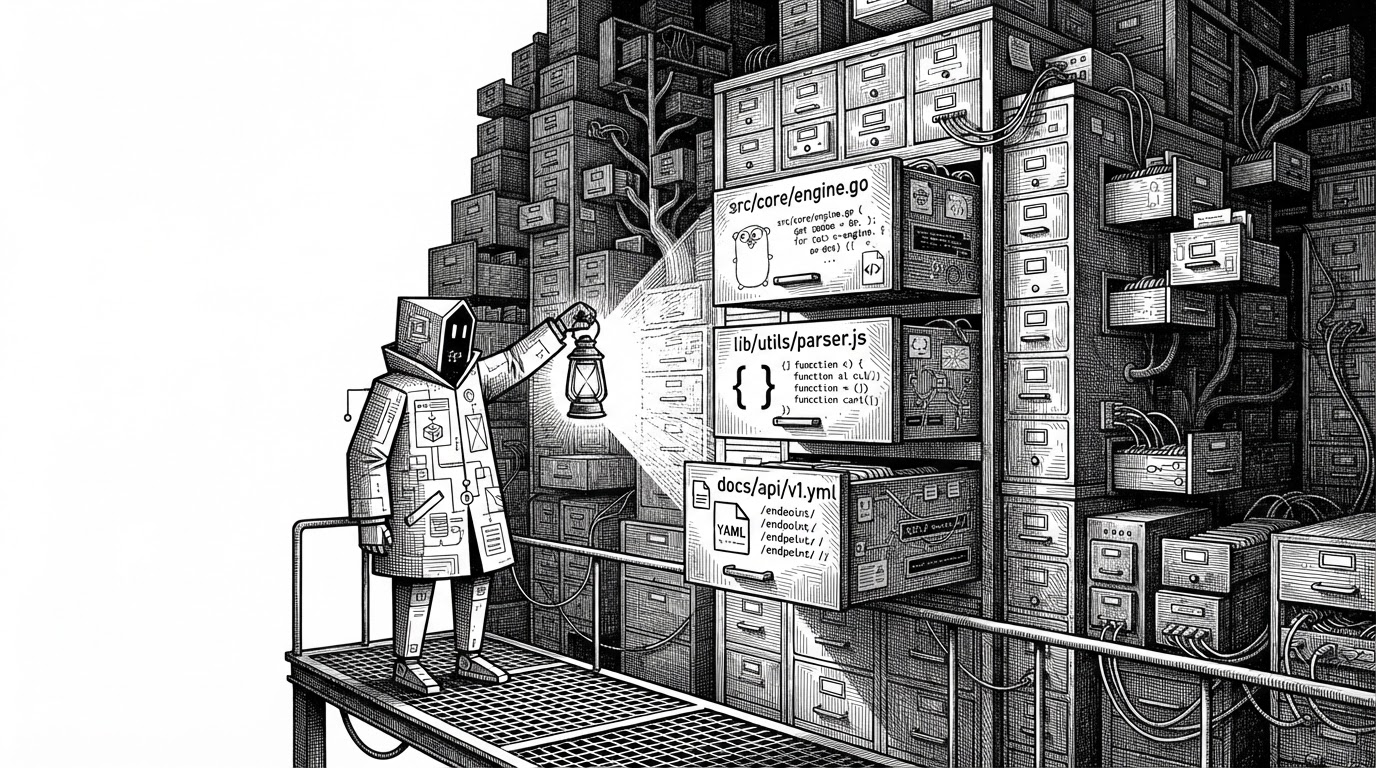
Most AI relationship tools try to sound helpful. goutoujunshi does something stricter. It refuses to freestyle until it has separated what the user felt, what they actually saw, and what they are guessing.
That difference changes the whole product. The repo is not trying to be a flirtier chatbot or a better compliment generator. It behaves more like a relationship debugger, one that will stop, classify, and reroute before it gives advice that could make things worse.
The chatbot that refuses to freestyle
The hook is the constraint. The system starts by acknowledging emotion, but it does not let emotion impersonate evidence. A one-word reply, a delayed text, or a cold screenshot can mean a lot of things, and the repo is built to keep those possibilities separate instead of collapsing them into a confident story.
That is why the project feels unusual in the AI advice landscape. A generic copilot says what sounds plausible. goutoujunshi asks what is known, what is inferred, and what might be dangerous before it produces anything that looks like strategy.
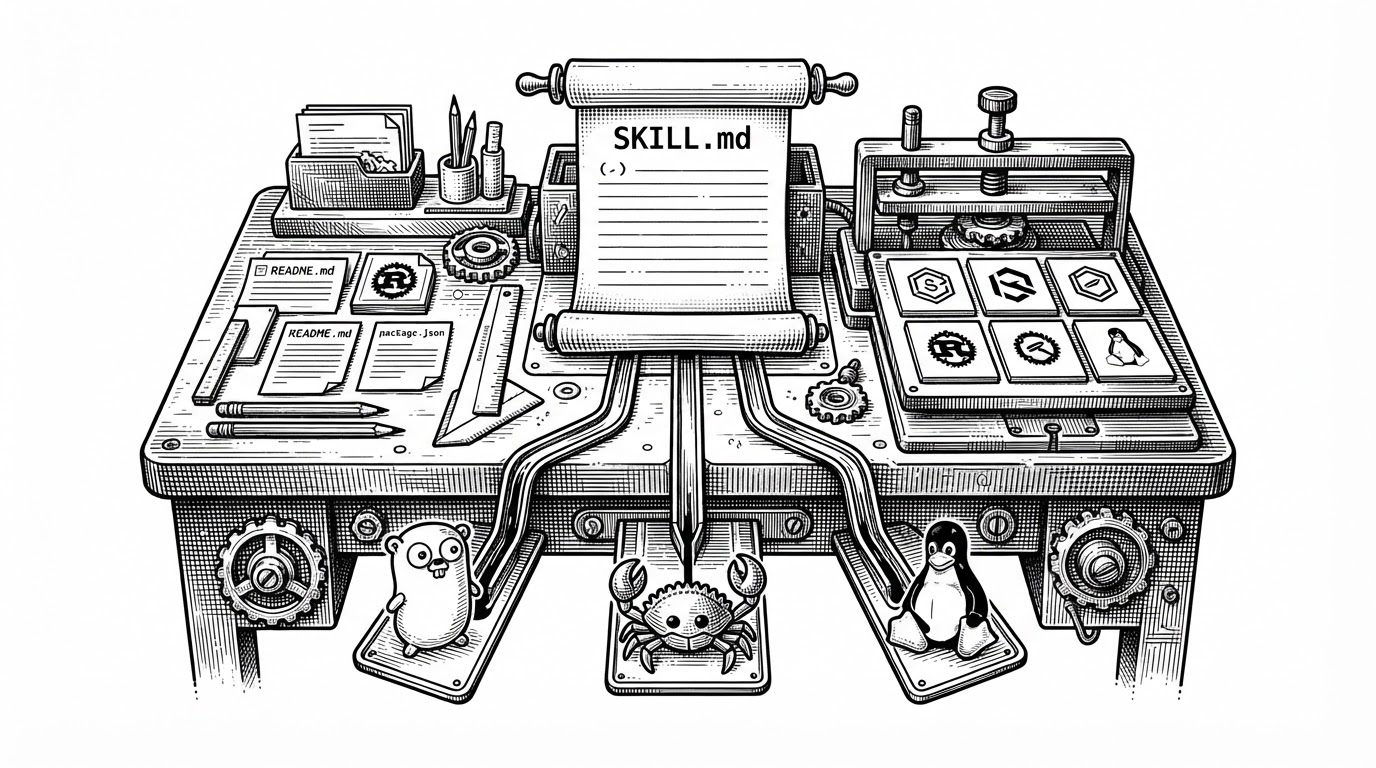
SKILL.md is the brain, not the README
The control layer lives in SKILL.md, which makes the project feel closer to a policy engine than a prompt dump. The file defines the execution sequence, the boundaries, and the guardrails that decide what the model is allowed to do next.
1. Emotion Landing
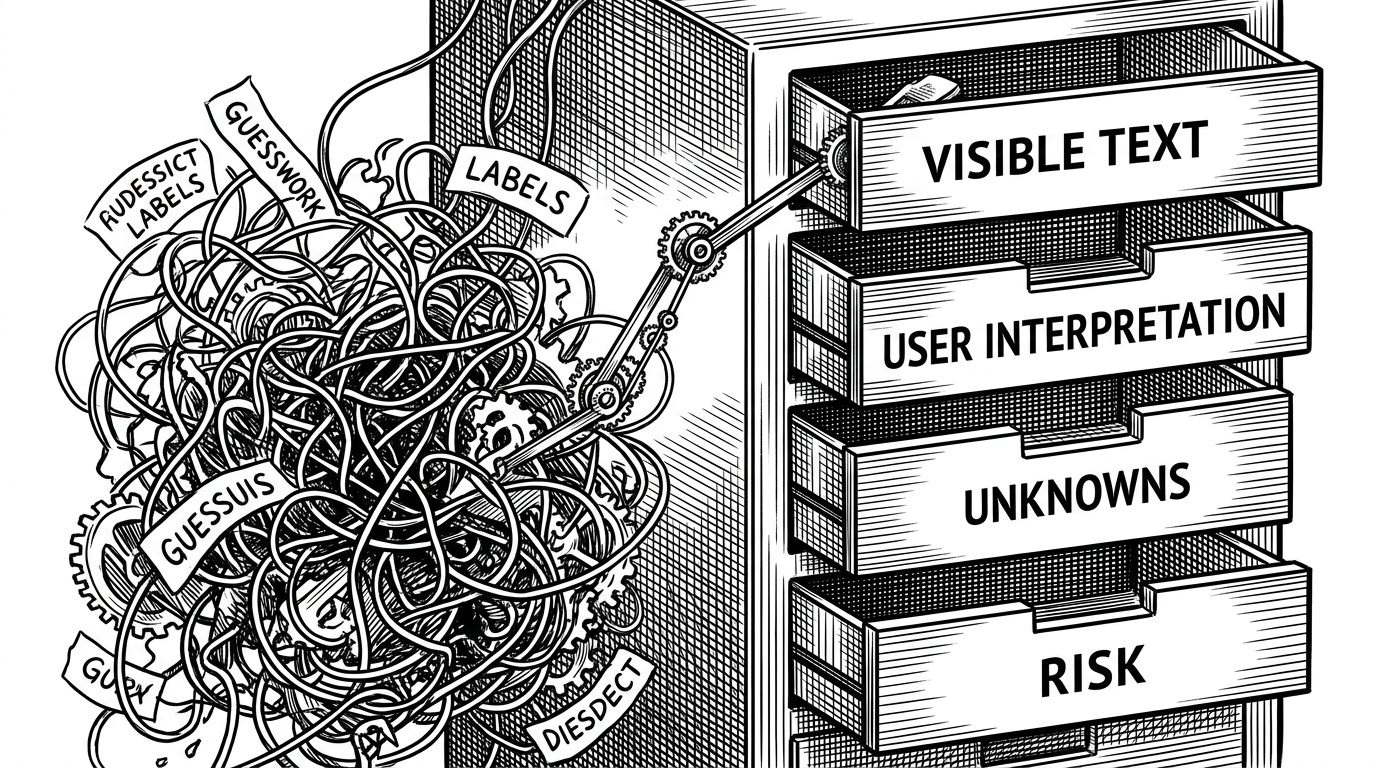
2. Fact Splitting
   - Visible Text
   - User Interpretation
   - Unknown Context
3. Interest Judgment
4. Action Convergence
5. Safety Interrupt if risk is detectedThis matters because the repo treats advice like a state machine. If the user is hurt, it first validates that state. If the evidence is thin, it labels the gap. If the situation looks risky, it stops optimizing for romance and switches to safety.
That is a software mindset, not a self-help mindset. The output is not just a reassuring answer. It is a controlled transformation from messy input to a bounded next step.
Why this repo is hostile to bad assumptions
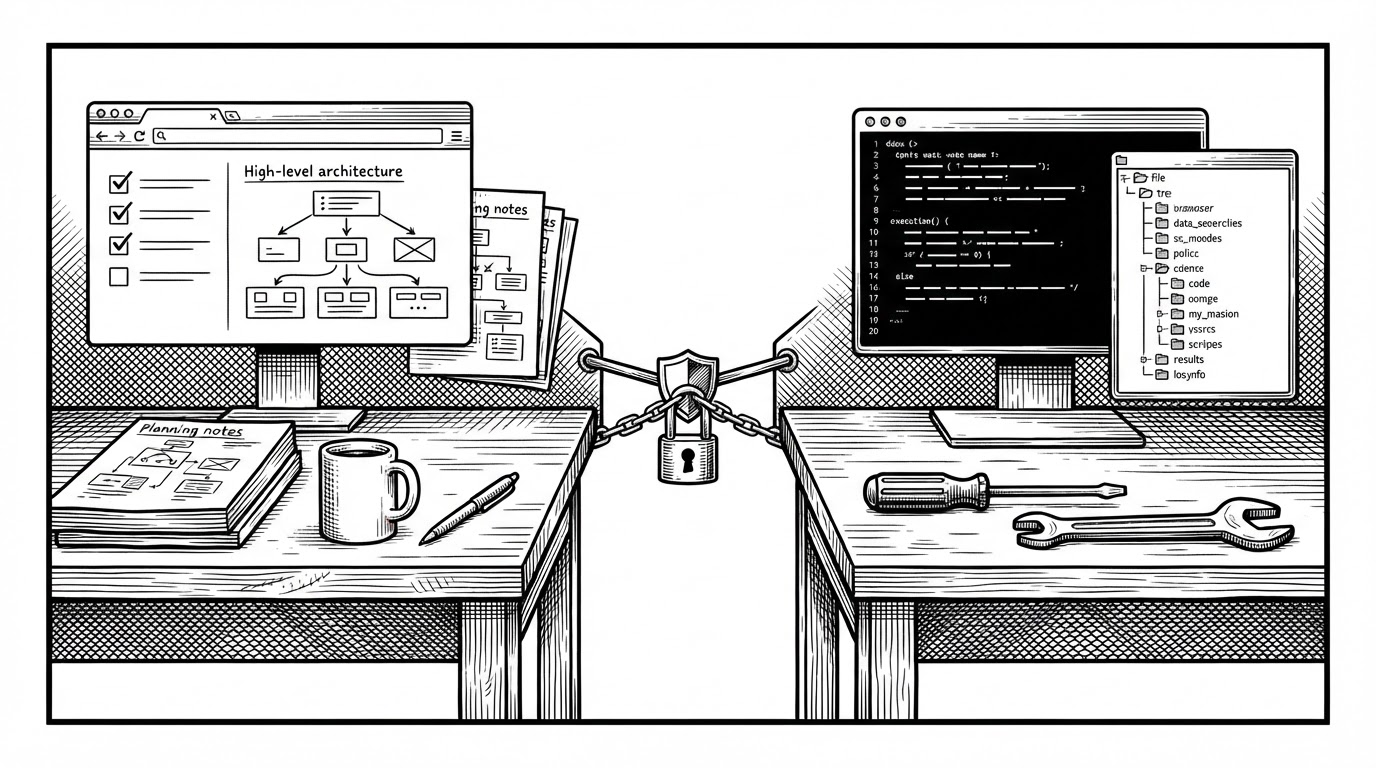
The project’s fact model is one of its sharpest ideas. It distinguishes visible text, user interpretation, and unknown context, which prevents the model from pretending it can read minds. That seems small until you compare it with most relationship bots, which tend to launder guesswork as insight.
| Dimension | goutoujunshi | Generic AI relationship bot |
|---|---|---|
| Goal | Preserve truth, safety, and actionability | Maximize reassurance or charm |
| Evidence model | Splits facts, interpretations, and unknowns | Often blends them into one answer |
| Safety handling | Stops and reroutes when risk is detected | Usually keeps talking |
| Tone | Disciplined and tactical | Friendly and improvisational |
| Output type | Copy-pasteable next step or boundary plan | Open-ended advice or pep talk |
| Best use case | Conflict, ambiguity, risk, and hard conversations | Light reassurance and casual guidance |
The knowledge base reinforces that discipline. The repo uses structured sources instead of treating all internet wisdom as equal. That keeps pop psychology, tactical dating lore, and actual evidence in different lanes.
The safety switch is the real product
The strongest boundary in the repo is not stylistic. It is ethical. When the system detects stalking, violence, fraud, or other high-risk conditions, it stops acting like a dating coach and becomes a safety-oriented guide.
先接住人,再解决事。情绪没有被看见时,最正确的建议也可能无法执行。
That is a meaningful product decision because it makes a promise the user can verify. The system is not claiming to be maximally persuasive. It is claiming to know when persuasion is the wrong goal.
| Scenario | What a generic bot might do | What goutoujunshi does |
|---|---|---|
| Ambiguous emoji reply | Infer intent and suggest a witty comeback | Separate the literal message from the user’s story about it |
| High-risk relationship | Keep optimizing the text thread | Switch to safety planning and exit guidance |
| Unclear motives | Fill in the blanks with confidence | Mark the blanks as unknowns |
| Conflict escalation | Offer a smoother message | Prioritize de-escalation and boundaries |
That kind of routing is rare in consumer AI. Most tools optimize for engagement. This one optimizes for not making the user more wrong.
Prompt engineering, but treated like software
The repo’s validation scripts make that mindset concrete. validate_skill.py checks token budget, route loading, and scenario integrity, which means the advice system is not just written. It is tested.
def validate_route(scenario):
    budget = approximate_token_count(scenario)
    if budget > MAX_TOKENS:
        raise ValueError('prompt budget exceeded')
    knowledge = load_relevant_knowledge(scenario)
    assert scenario in tests
    return build_response(knowledge, scenario)
That is the quiet innovation here. The repo treats conversational quality as something you can inspect with tooling, not just admire after the fact. It has the smell of CI/CD, but for emotional advice.
The effect is to reduce improvisation where improvisation is dangerous. A model can still be helpful, but it is no longer allowed to drift far from the rails.
The refactor of PUA culture
This is the article’s ideological center. The project borrows the tactical skeleton of pickup culture, then strips out coercion, ego theater, and fake certainty. In their place it installs observation, hypothesis, correction, consent, and risk management.
| Feature | Old pickup logic | goutoujunshi |
|---|---|---|
| Primary aim | Win attention | Make a safe, useful decision |
| Theory of the other person | Often speculative | Explicitly bounded by evidence |
| Handling uncertainty | Overconfident routines | Named unknowns and caution |
| Success metric | Short-term attraction | Long-term choice power and safety |
| Ethical posture | Often manipulative | Consent-aware and guarded |
That refactor matters because it shows how a culture’s tooling can survive without its worst instincts. The tactical part was never automatically evil. The evil was pretending that manipulation was the same thing as understanding.
goutoujunshi keeps the useful parts. It discards the rest.
What it says about the next generation of agent design
The larger lesson is not about dating. It is about agent maturity. As systems get more personal, they will need fewer improv performances and more explicit rules about evidence, boundaries, and failure modes.
That is the direction this repo points toward. A good agent will not just sound intelligent. It will know when to ask for more context, when to stop, and when to recommend a safer path instead of a clever one.
In that sense, goutoujunshi is less a novelty repo than a small argument about where AI assistants are heading. Personality may matter less than process. Trust may come from constraint, not mimicry.