Ruff: The Rust Tool That Makes Python’s Old Toolchain Feel Heavy
A deep dive into how Ruff replaces a pile of separate linters and formatters with one fast, opinionated engine that changes the default shape of Python development.
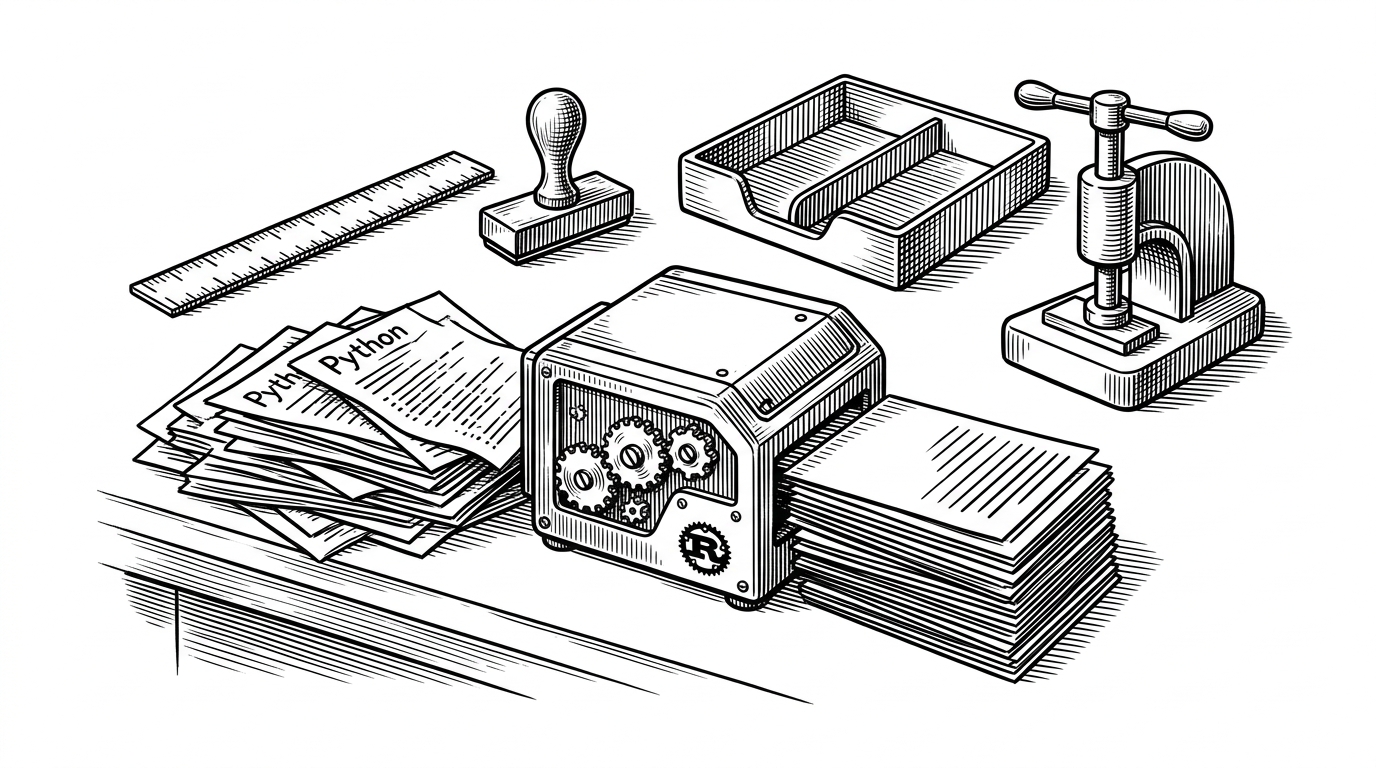
- Ruff’s real breakthrough is consolidation, not speed alone, because it turns several Python maintenance jobs into one immediate workflow.
- Its Rust engine matters because it collapses parse, lint, format, and import sorting into a single coordinated pass.
- Ruff’s benchmark culture is part of the product, since it treats variance, warmup, and tail latency as first-class signals.
- Teams adopt it quickly because fewer tools means fewer configs, fewer CI steps, and less waiting for contributors.
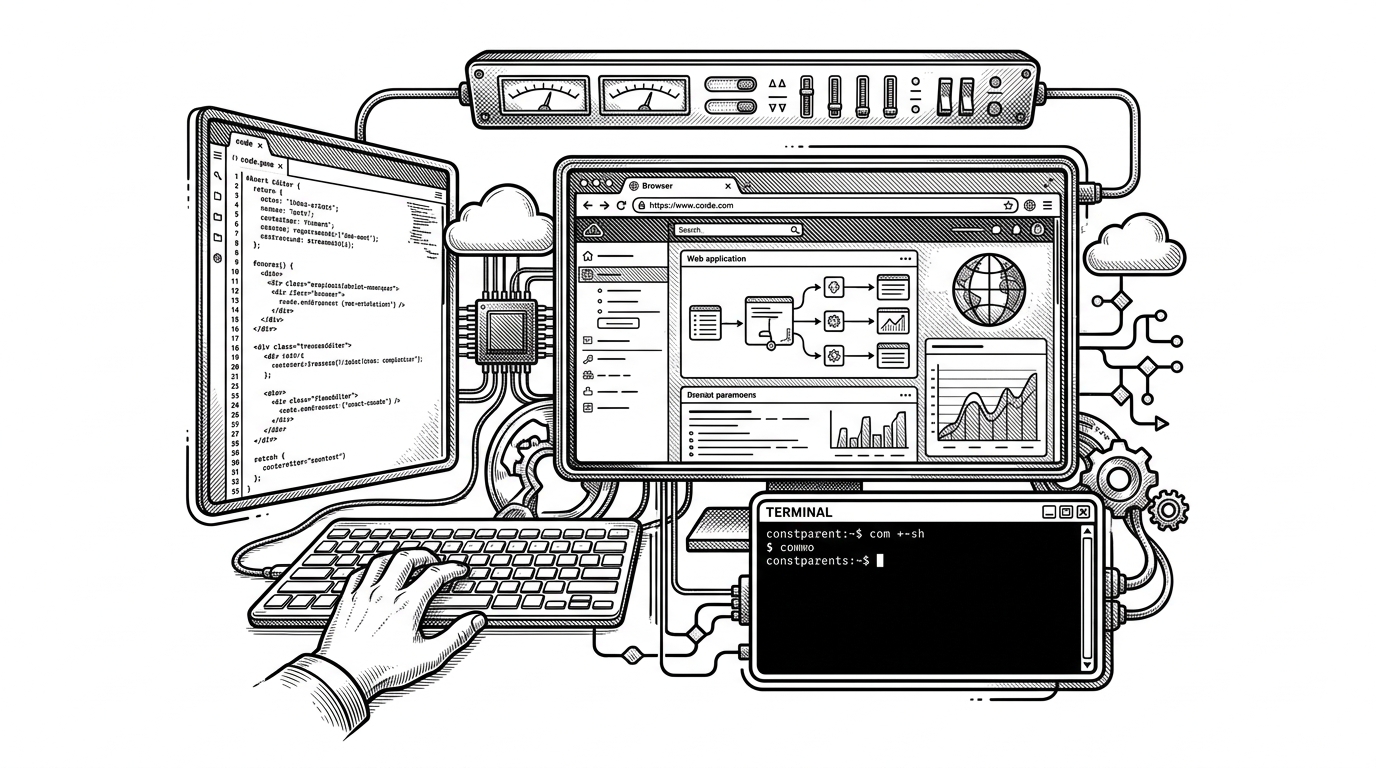
Python’s old tooling stack has a tax on attention. You run one tool for linting, another for formatting, another for imports, and often a fourth for syntax cleanup. Even when each piece is good, the whole thing feels like waiting on a committee.
Ruff’s bet is simple. If the feedback loop is fast enough, the workflow changes. Developers stop tolerating a pile of subprocesses and start expecting one binary to do the work.
The end of the multi-tool tax
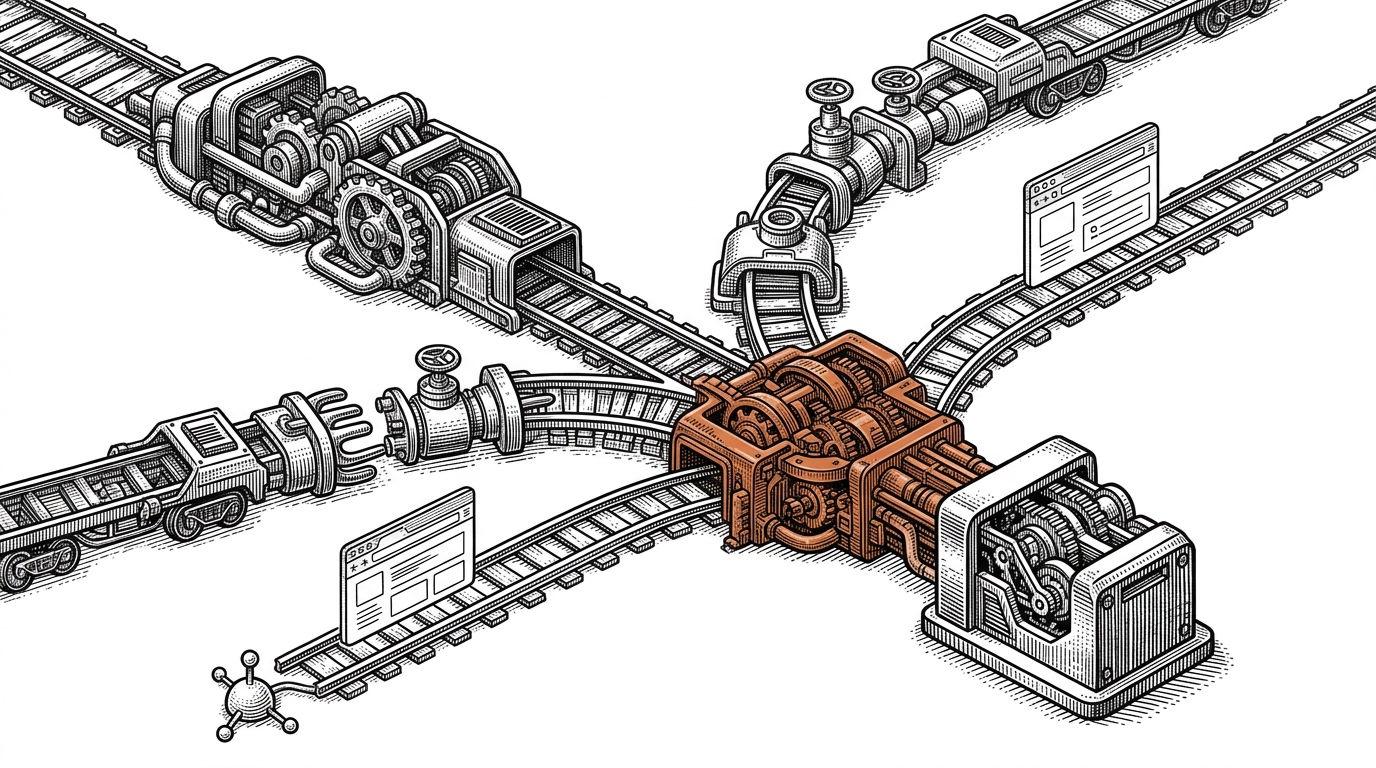
Before Ruff, the normal setup was a patchwork. Flake8 handled linting, Black handled formatting, isort handled imports, pyupgrade handled syntax modernization, and CI glued the rest together. The result was reliable, but it was also fragmented.
| Job | Traditional stack | Ruff |
|---|---|---|
| Linting | Flake8 plus plugins | Built in rules with broad coverage |
| Formatting | Black | Ruff Formatter |
| Import sorting | isort | Integrated import sorting |
| Syntax upgrades | pyupgrade | Version-aware auto-upgrades |
| Workflow | Multiple tools and config files | One binary and one configuration surface |
That consolidation is the product. Ruff is not asking teams to love linting more. It is trying to make the entire maintenance layer disappear into the background.
Ruff is based on many of those observations and motivated by many of my experiences at Spring – it’s the tooling I wish I’d had.
Why Ruff feels different from a normal linter
Most linters stay in their lane. Ruff does not. It absorbs the jobs that usually get split across tools and presents them as one coherent experience. That changes how teams think about adoption, because switching to Ruff is not just a speed upgrade. It is a workflow simplification.
| Question | Old answer | Ruff’s answer |
|---|---|---|
| Do we need separate tools? | Usually yes | Usually no |
| Do we pay startup cost repeatedly? | Yes, once per tool | Much less often |
| Can linting and formatting cooperate? | Only through coordination | Yes, by design |
| What do contributors install? | A small stack | One toolchain |
That is why Ruff lands so quickly in real codebases. It replaces a lot of ceremony with a default path that is hard to argue with.
How the Rust engine earns its speed
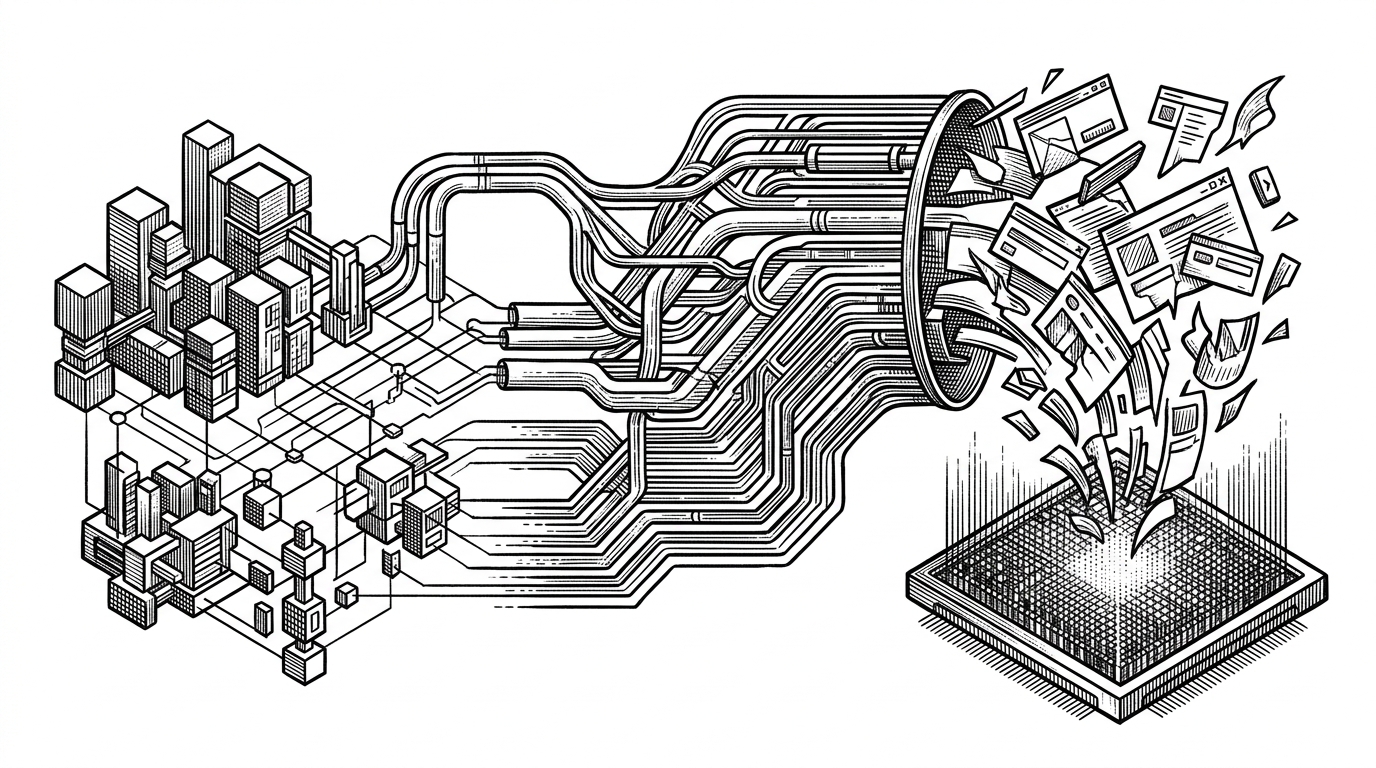
Ruff’s architecture matters because it is not just a faster Python script. The hot path is written in Rust, and the work is arranged so one parse can feed multiple downstream tasks. That is the difference between shaving milliseconds and changing the shape of the loop.
Traditional stack:
  python -m flake8
  python -m black
  python -m isort
  python -m pyupgrade

Ruff path:
  ruff check
  ruff format
  ruff check --fix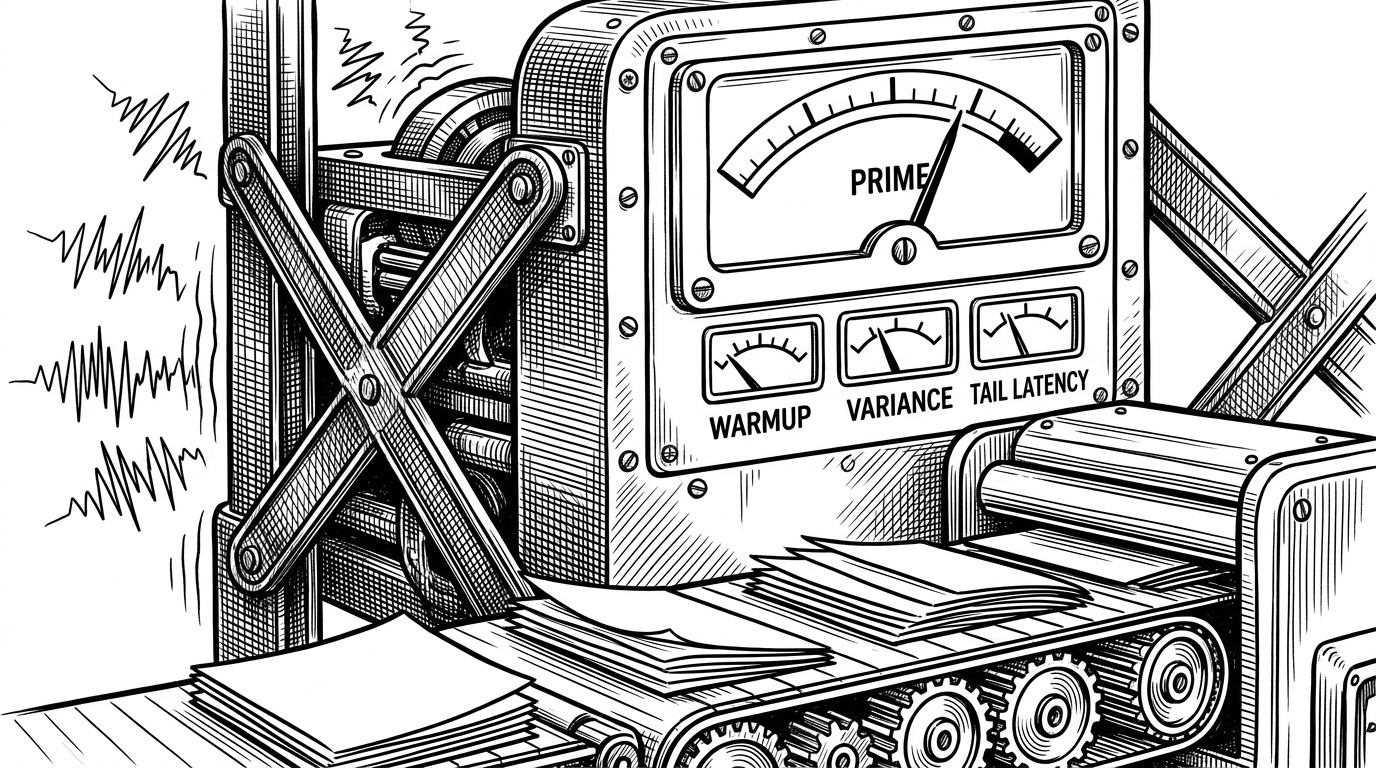
The benchmark culture underneath the product
Ruff’s benchmark culture is unusually explicit. Charlie Marsh has said that when he has an optimization idea, his goal is to benchmark it as quickly as possible, even if that means cutting corners or skipping cases. That is not a slogan about speed. It is a development discipline.
When I have an idea for an optimization, my goal is always to benchmark it as quickly as possible, even if it means cutting corners, skipping cases, writing messy code, etc.
That mindset shows up in the project’s obsession with consistency. Fast tools are useful. Fast tools that stay fast under real conditions are what teams can trust.
Why teams adopt it so quickly
Adoption usually begins with relief. CI gets shorter. Pre-commit hooks stop feeling punitive. Contributors spend less time waiting for style checks and more time fixing actual issues.
| Team pain | Traditional workflow | Ruff workflow |
|---|---|---|
| CI friction | Several separate jobs | One tool in one pass |
| Contributor setup | Multiple installs and configs | Single install, simpler config |
| Editor feedback | Often staggered | Feels immediate |
| Maintenance | Tool coordination overhead | Lower operational surface area |
That practical payoff is why Ruff spreads across serious Python projects. It reduces the social cost of doing the right thing. When the default is fast, compliance stops feeling like a chore.
The trade-off: one binary, one philosophy
Consolidation is not free. One tool means one set of opinions, one compatibility boundary, and one place where teams have to trust the maintainers’ judgment. Ruff softens that with compatibility and good defaults, but the strategic trade remains.
| Benefit | Cost |
|---|---|
| Fewer tools | More centralized behavior |
| Faster feedback | Higher expectation of compatibility |
| Simpler configs | Less room for bespoke stacks |
| One workflow | One philosophy to align with |
That is the real story. Ruff is not just a better linter. It is a bet that Python development works better when the toolchain feels instantaneous enough to collapse into a habit.