opencap-monocular: OpenCap Monocular: The Biomechanics Engine That Learns the Floor
Inside the smartphone-video pipeline that decides whether the camera moved, whether the person is on a treadmill, and how to stop feet from skating before exporting OpenSim-ready motion files.
- OpenCap Monocular is less a pose estimator than a context-aware biomechanics optimizer that changes its constraints for camera motion and activity.
- Its core trick is to start with a learned 3D guess, then use optimization to make the motion honest enough for OpenSim.
- The repo is production-shaped, with request hashing, path re-rooting, and cache-aware orchestration around expensive GPU work.
- Its real competition is not just other models, but the old lab workflow that made motion data expensive and scarce.
The phone is not the model. The floor is.
Most consumer video pipelines ask a single question: what pose is the person in? OpenCap Monocular asks a different one: what physical assumptions can this scene actually support? That distinction is the whole article, because the repo treats motion capture as a biomechanics problem first and a vision problem second.
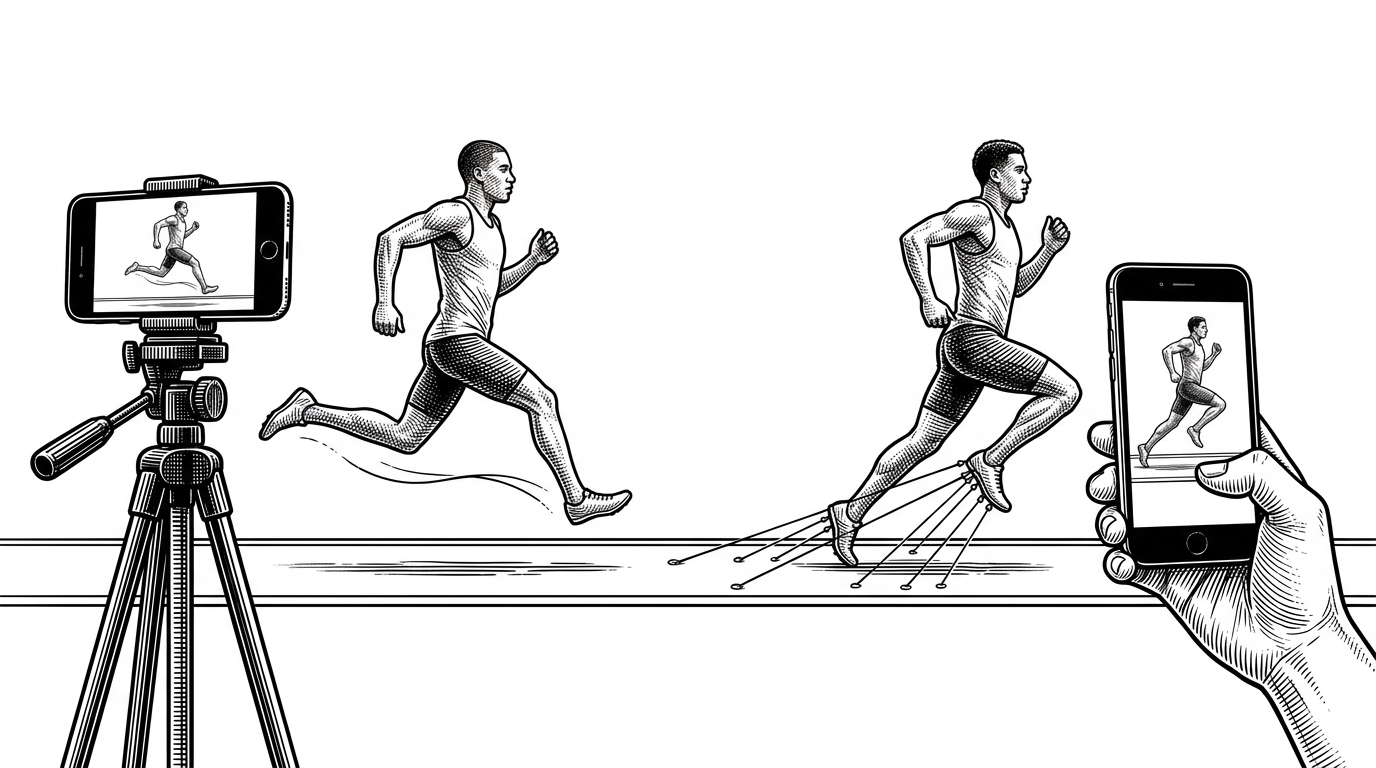
That is why the same video can trigger different math. A static tripod, a moving handheld camera, sidewalk walking, and treadmill walking are not cosmetic variants here. They change the loss terms, the camera model, and how aggressively the system tries to pin feet to the floor.
The output is not a polished demo clip. It is motion data that can survive a round-trip into OpenSim, where joint angles and body mechanics matter more than a pretty skeleton overlay.
Why a treadmill breaks generic motion math
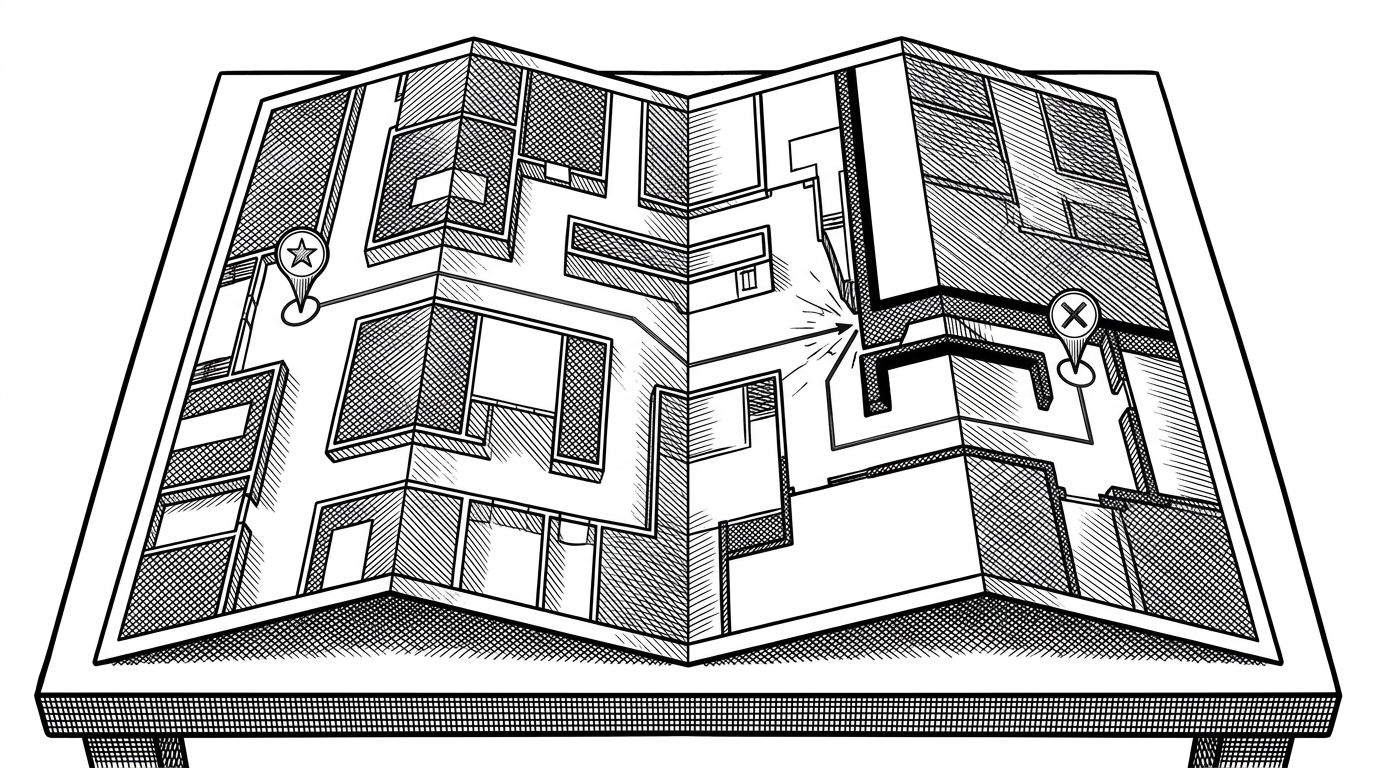
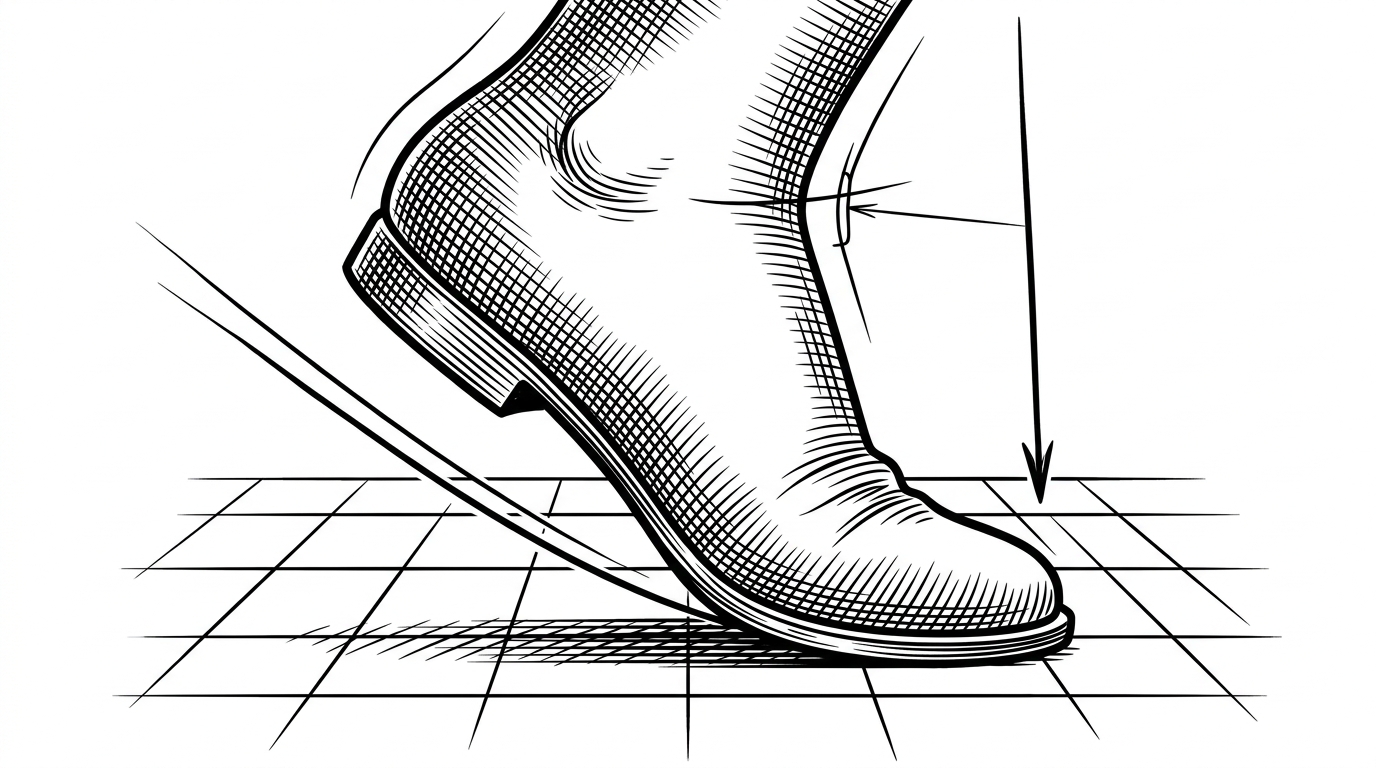
The repository's `params/parameters.yaml` makes the point plainly. Walking and treadmill walking are not treated as the same scene, because the floor is not behaving the same way. If you keep the wrong contact assumptions, the feet skate, the body drifts, and the output becomes hard to trust.
A simplified view of the activity presets looks like this:
activities:
  walking:
    flat_floor: 1.0
    contact_velocity: 1.0
  treadmill:
    flat_floor: 1.0
    contact_velocity: 0.0
static_cam: auto
That tiny switch matters. A treadmill changes the relationship between the body, the belt, and the background, so the optimizer cannot rely on the same contact penalties it would use on a fixed floor. In practice, the repo is deciding when to trust foot contact, when to relax it, and when to let the scene's physics rule the result.
How the pipeline turns pixels into biomechanics
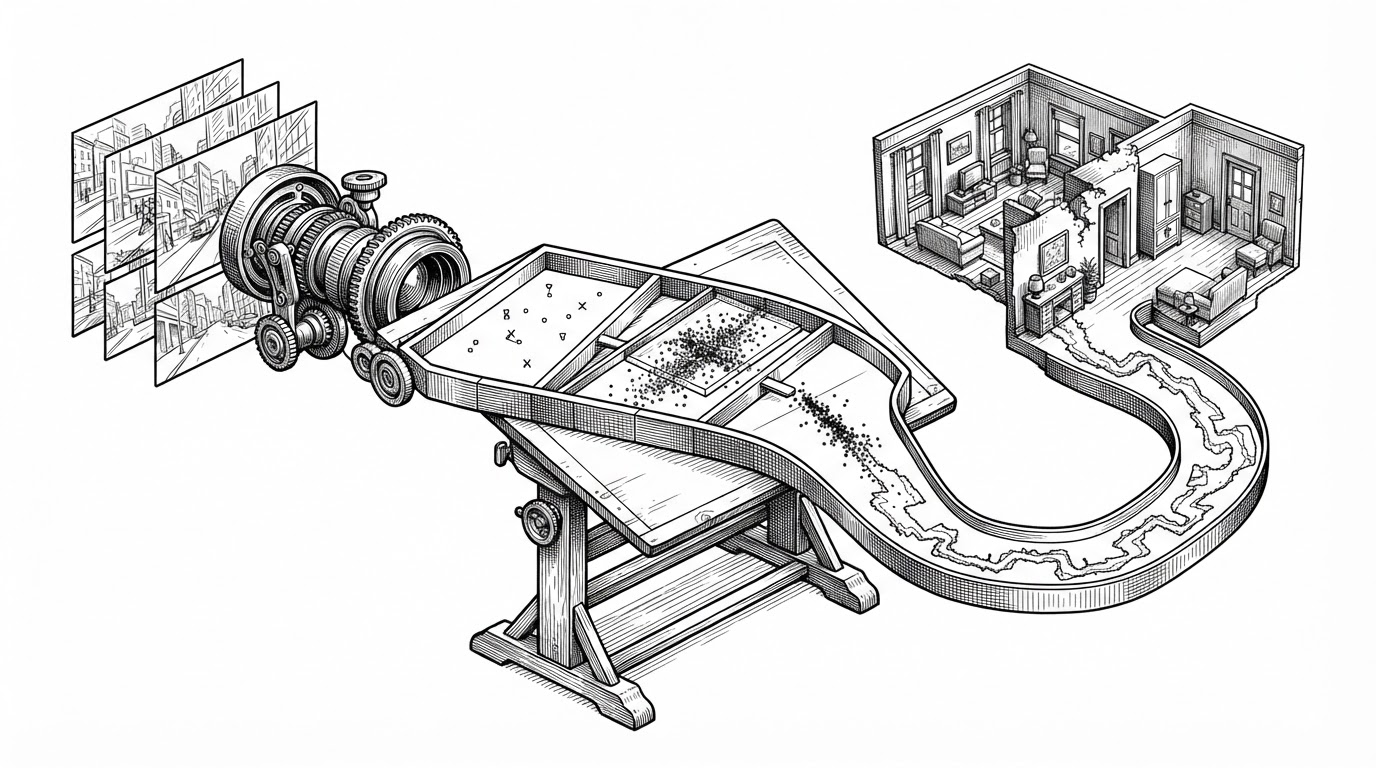
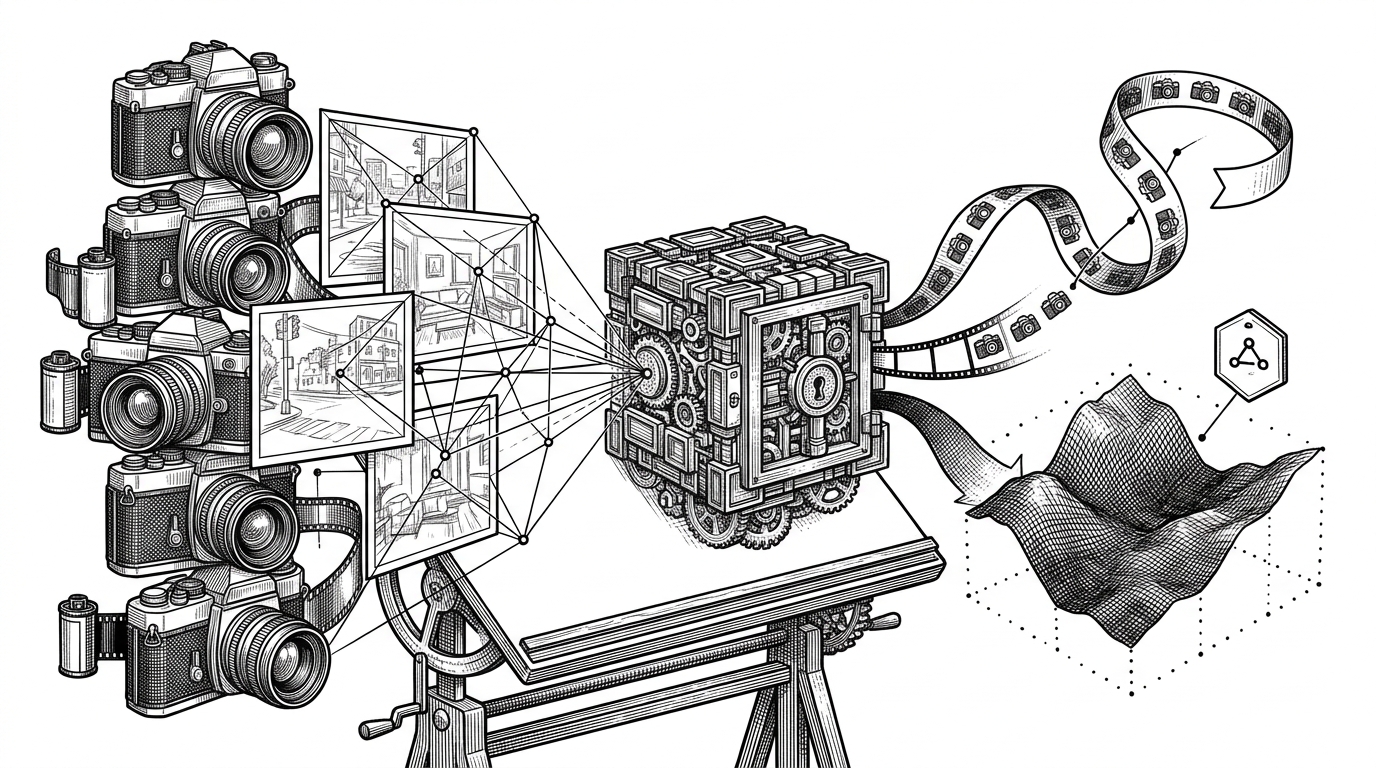
The flow is not mysterious once you separate the jobs. WHAM provides an initial 3D pose and shape estimate. SLAHMR helps with camera and scene optimization. Then the repository refines the result with biomechanical constraints and exports OpenSim-friendly files such as `.trc` and `.mot`.
That architecture matters because the repo does not collapse everything into one giant model. It stages the problem. First it estimates, then it optimizes, then it exports. Each step adds a different kind of truth, which is why the result feels closer to a workflow than a single inference call.
The engineering trick that makes it production-shaped
The repo's service layer shows the same discipline. In `mono_api.py`, path re-rooting keeps files usable across Docker boundaries and worker nodes, which is the kind of boring problem that quietly breaks ML systems in the real world. The code also hashes requests so expensive GPU work can be cached instead of repeated.
A simplified sketch of the hashing logic looks like this:
def generate_request_hash(video_path, height, mass, sex):
    payload = f'{video_path}:{height}:{mass}:{sex}'
    return hashlib.md5(payload.encode()).hexdigest()
That is not glamorous, but it is the difference between a research prototype and a system you can run repeatedly. The expensive part of biomechanics is not just the model, it is the compute budget and the file management around the model. OpenCap Monocular is built like it knows that.
What OpenCap Monocular is really competing with
The cleanest comparison is not model versus model. It is workflow versus workflow. On one side are lab-grade motion capture systems that are accurate but expensive and controlled. On the other are generic pose estimators that are cheap and flexible but often too sloppy for biomechanics.
| Dimension | OpenCap Monocular | Multi-camera MoCap lab | Generic pose estimation |
|---|---|---|---|
| Hardware | Consumer smartphone video | Dedicated camera arrays and lab setup | Any ordinary video source |
| Scene assumptions | Adapts to camera motion and activity | Controlled capture volume | Usually assumes a general visual scene |
| Main strength | Physics-aware refinement before export | High-fidelity capture in a lab | Fast, accessible pose estimates |
| Common failure mode | Depends on good activity presets and constraints | Cost and logistics limit scale | Foot slide and weak biomechanical consistency |
| Best use case | OpenSim-ready motion from cheap video | Gold-standard measurement in specialized settings | Rough pose from everyday video |
That table is the point. OpenCap Monocular is not trying to be the cheapest vision model or the most accurate lab rig. It occupies the middle ground that matters in practice: enough physics to keep the motion honest, enough automation to make the pipeline accessible.
Why this repo matters now
The broader shift is easy to miss. Motion data used to live in labs because the hardware, calibration, and analysis were specialized. This repo pushes that boundary outward by using commodity sensors, learned pose priors, and a second layer of biomechanics-aware optimization.
That is the real product idea. Not just video in, skeleton out. It is video in, assumptions checked, physics repaired, and OpenSim-ready motion out. In a field where small errors can snowball into bad conclusions, that extra layer of discipline is the difference between convenient and clinically useful.