vercel-labs/skills Wants to Become the Package Manager for AI Agents
A tiny TypeScript CLI hides a big bet: that agent behaviors should be installable, auditable, symlinked, and shared across tools through one universal filesystem contract.
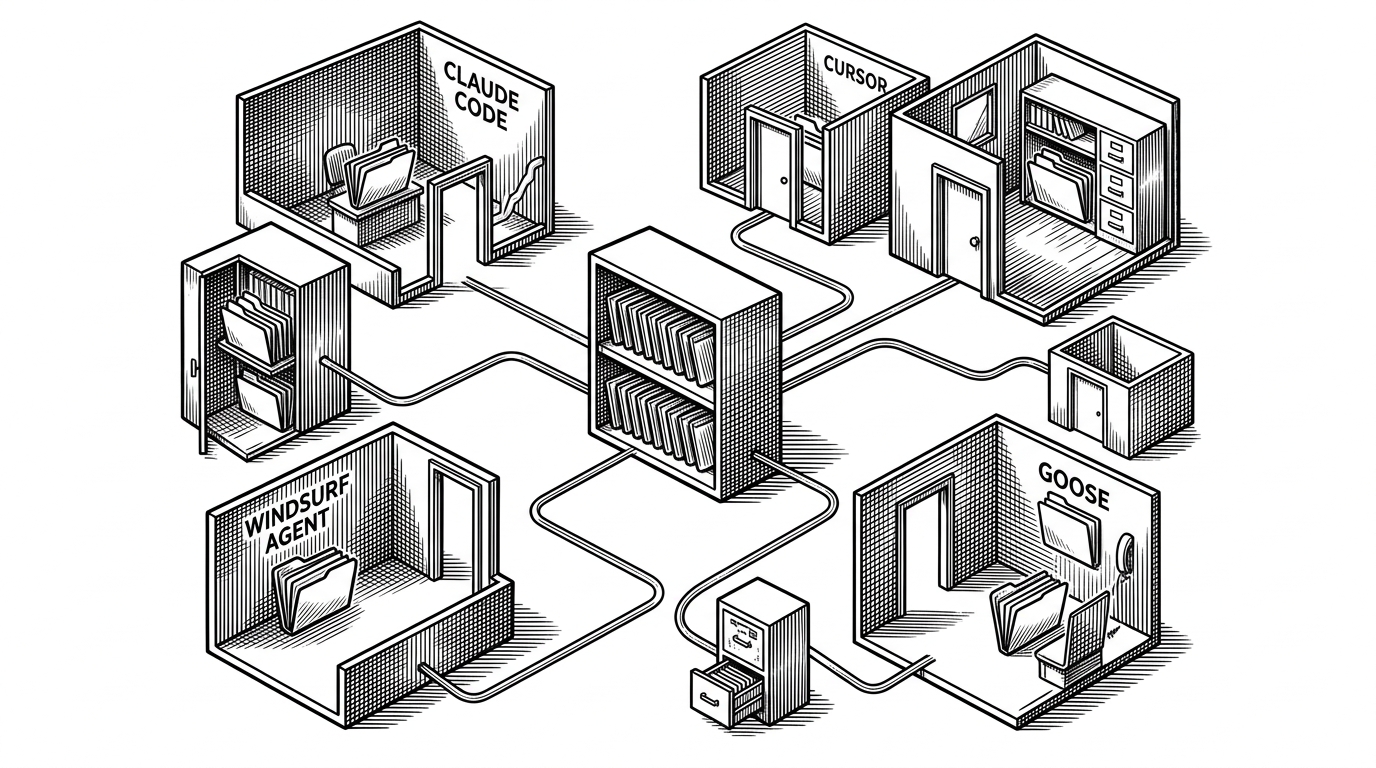
- `skills` treats agent capabilities like packages, which turns a fragmented tooling problem into a filesystem standardization problem.
- The repo’s real invention is not the CLI surface but the symlink-first install chain that keeps one canonical skill store in sync with many agent destinations.
- Security is part of the product, because distributing prompt-like instructions is a supply chain problem, not a folder-copy problem.
- Even archived, the project points at a durable pattern: agent behaviors become more useful when they are portable, auditable, and boring to install.
The easiest mistake is to read vercel-labs/skills as a CLI. It is really a bid to make AI agents feel more like software environments and less like a pile of one-off prompts. The repo’s thesis is simple: if capabilities can be installed, then they can also be standardized.
That is why the interesting part is not the command name. It is the directory contract underneath it. `skills` tries to turn a messy ecosystem of Claude Code, Cursor, Windsurf, Goose, and others into one install story.
The universal directory nobody agreed on
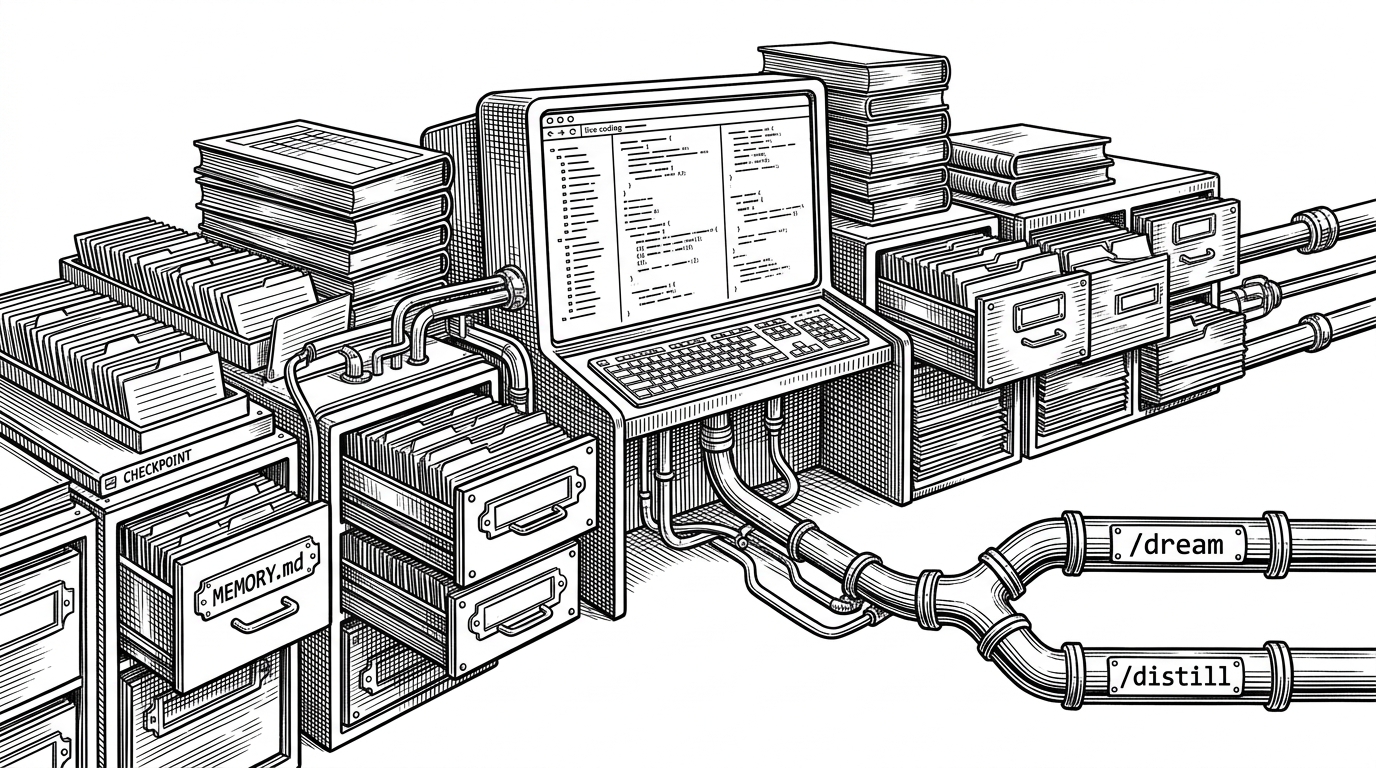
The project starts from a practical annoyance. Every agent stores skills, instructions, or helper files somewhere different. One tool uses one folder, another uses another, and the user becomes the glue.
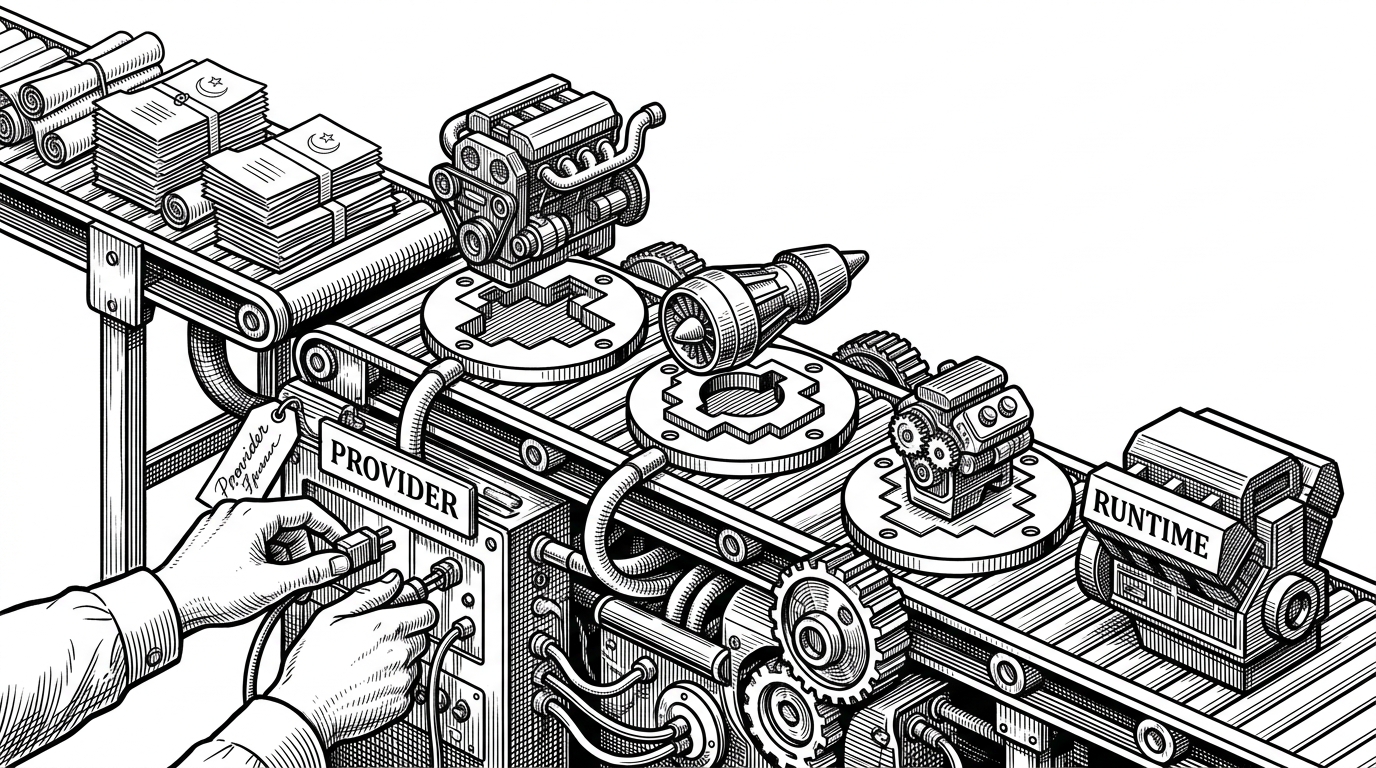
`src/agents.ts` is the giveaway. It maps a large registry of agent configs to their local and global skill directories, then hides those differences behind a common abstraction. That is not glamorous, but it is the entire product strategy.
// Conceptual shape of the abstraction
const agent = agents.get('cursor')
const targetDir = agent?.skillsDir
const canonicalStore = resolveSkillsStore()

// Install once, project everywhere
linkSkill(canonicalStore, targetDir)| Approach | What it standardizes | Portable across agents | Security posture | Symlinks matter? |
|---|---|---|---|---|
| vercel-labs/skills | Agent capability directories and install flow | Yes, across many agents | Built-in audit and path checks | Yes, central to the design |
| npm | JavaScript packages | Yes, across runtimes and projects | Registry and package integrity | No |
| LangChain / LangGraph | Tool and agent orchestration | Partially, through code | Framework-level, not filesystem-level | No |
| Manual copying into agent folders | Nothing, just file placement | No | Weak, user-managed | No |
That comparison is the point. `skills` is narrower than an agent framework, but more operational than a prompt library. It standardizes where capabilities live, not how a model thinks.
Why agent skills need a package manager
The category is still fuzzy, but the pain is real. Skills move between repos, people share them, and different agents want them in different places. Without a package manager, every install becomes a hand-maintained migration.
That is why the repo feels more like infrastructure than app code. It is trying to make “install a capability” feel boring, safe, and repeatable.
This repository has been archived by the owner on Jan 17, 2024. It is now read-only.
The install engine is the real product
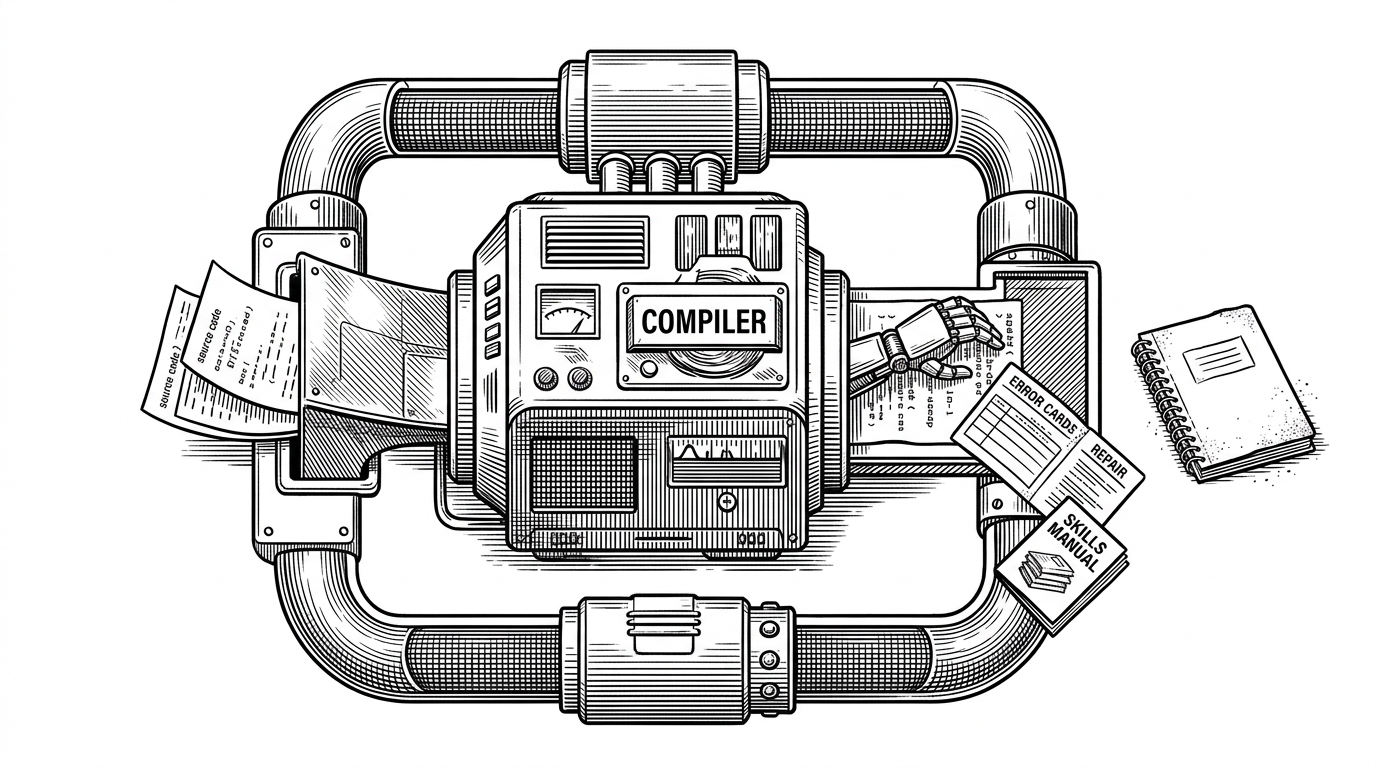
The technical center of gravity sits in `src/installer.ts`. The repo prefers symlinks, not copies. That means there is one canonical skill store, and each agent points back to it instead of getting its own private clone.
That sounds small until you notice the edge cases. The code resolves parent symlinks, uses `realpath`, and guards against broken link chains. It is trying to preserve a single source of truth even when the destination tree is already messy.
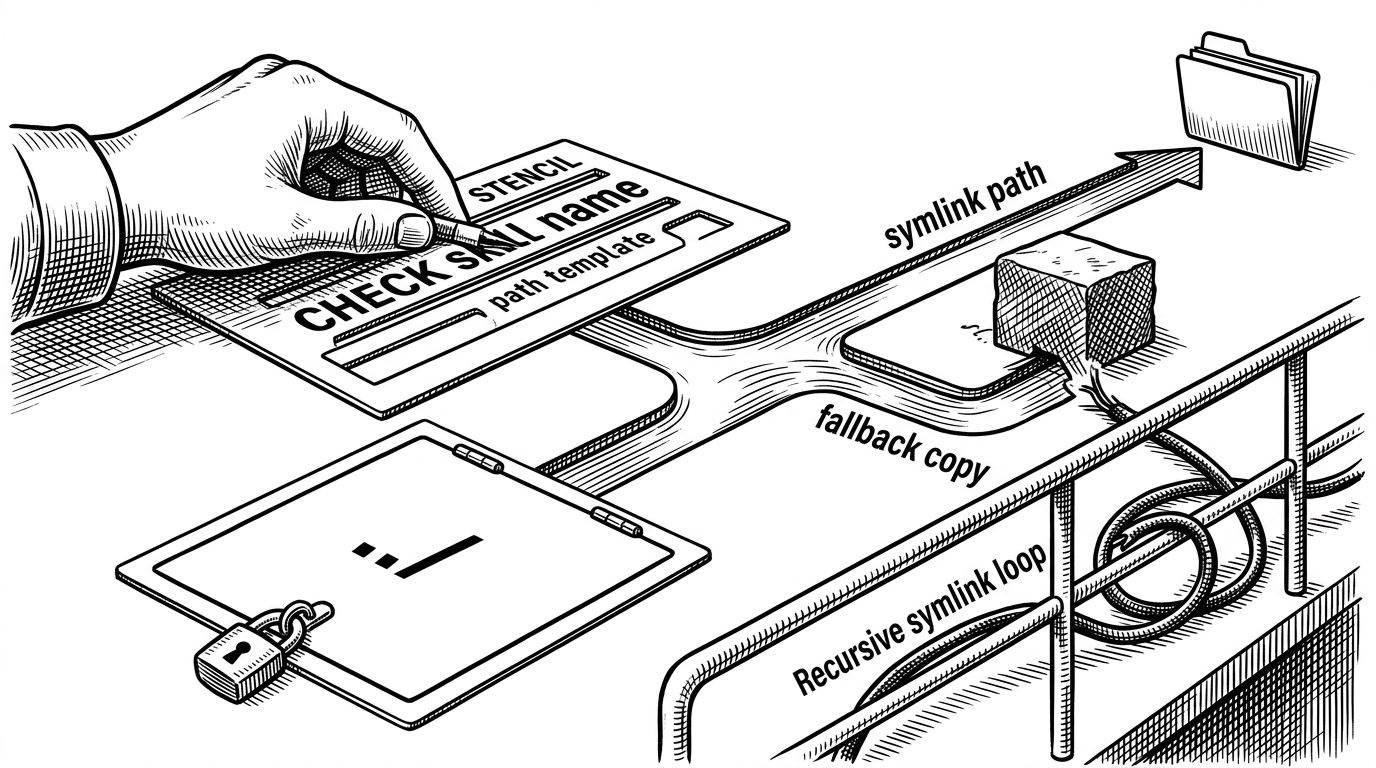
// The engine protects the install path, then falls back when needed.
if (supportsSymlinks()) {
  await createSymlink(source, target)
} else {
  await copySkill(source, target)
}

if (!isPathSafe(skillName)) {
  throw new Error('Unsafe skill path')
}
Safety features for something that looks like a prompt folder
`sanitizeName` and `isPathSafe` are the unglamorous parts that matter most. They block traversal tricks, keep names sane, and stop the install flow from wandering outside its intended directory.
That matters because the artifact here is not just text. It is instructions that an agent may use while touching files, terminals, or APIs. In other words, prompt distribution is a supply chain problem.
The repo’s safety posture is not paranoid. It is proportional. If a tool is going to make capabilities portable, it also has to make the handoff defensible.
The audit table is the trust layer
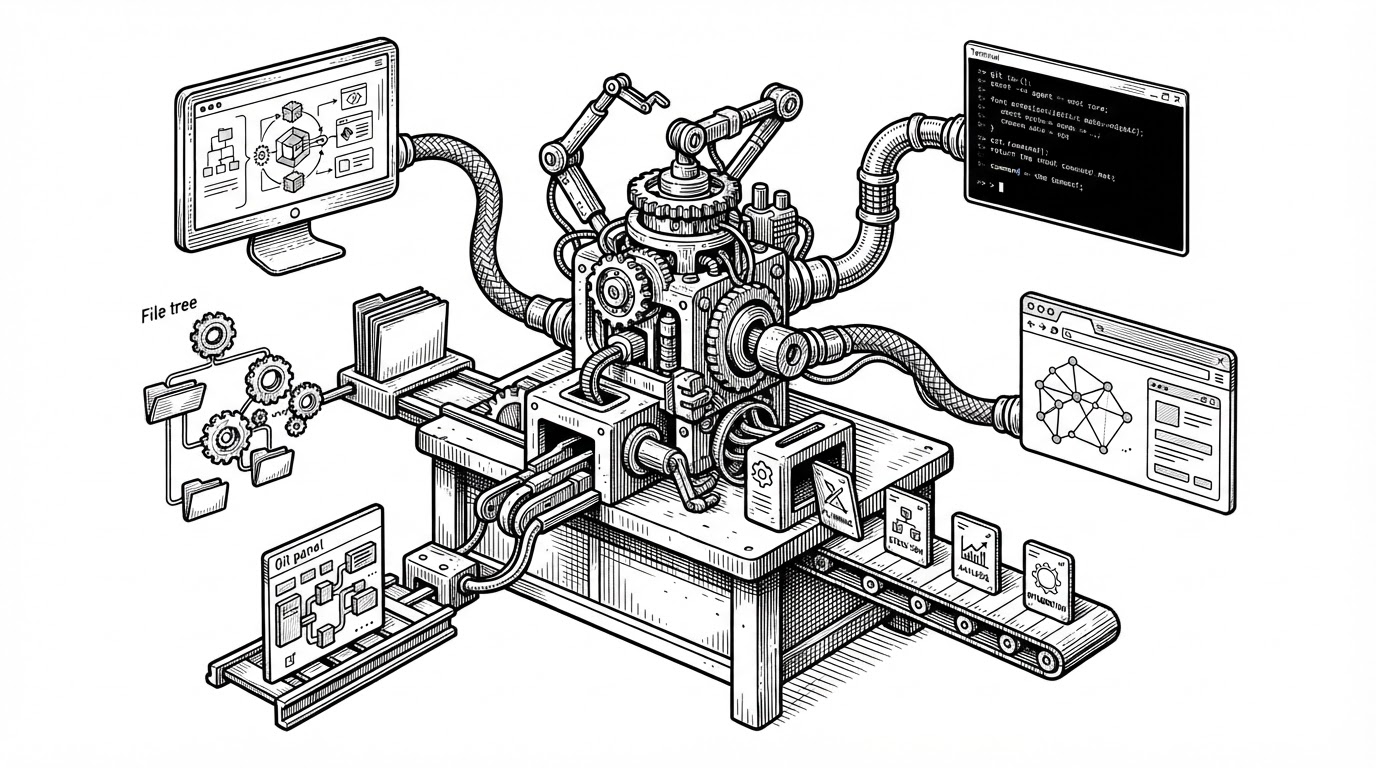
`src/add.ts` makes that trust visible. The terminal UI surfaces audit data from Socket, Snyk, and Ath before the skill lands on disk. That is a product decision, not a cosmetic one.
It tells the user that a skill is not just a folder of instructions. It is third-party behavior, and third-party behavior deserves a checkpoint.
Give your agent the `devtools` skill: npx skills add vercel-labs/json-render --skill devtools https://t.co/FcBCc0q5S6
What the architecture reveals about the category
`skills` sits in a strange but useful place. It is narrower than LangChain, more filesystem-native than a toolkit, and more standardized than ad hoc folder copying. That makes it feel less like a feature and more like a category draft.
| Layer | vercel-labs/skills | Vercel AI SDK | LangChain / LangGraph | Manual folder installs |
|---|---|---|---|---|
| Primary unit | Agent skill | Model interaction and tool use | Chains, tools, graphs | Files |
| Install target | Canonical local store plus agent directories | Application code | Application code | Whatever the user remembers |
| Standardized behavior | Directory contract | API patterns | Framework abstractions | None |
| Trust layer | Audit plus path safety | App-level validation | Framework-level hooks | None |
| Filesystem first | Yes | No | No | Yes, but manually |
That is why the comparison with npm is useful but incomplete. npm standardizes packages for code. `skills` is trying to standardize capabilities for agents. The shared instinct is packaging, but the payload is different.
Why this matters even if the repo is archived
The archived state is not the end of the story. It is evidence that the experiment was smaller than the idea. Vercel may have moved on, but the pattern remains attractive: one universal, auditable, filesystem-based layer for agent behaviors.
That pattern is bigger than any single CLI. Once agents become configurable enough to merit reusable skills, the ecosystem needs a boring place to put them.
Si vas a usar Claude Code deberías instalar la habilidad llamada 𝗙𝗶𝗻𝗱 𝗦𝗸𝗶𝗹𝗹𝘀. Solo pregunta... ¿hay buenas skills para hacer ~? La habilidad te sugiere las mejores opciones entre un montón de skills (github vercel labs skills) https://t.co/eHvOBpOrli