VIctory Runs GTA VI's Real Code. The Port Is Everything Underneath.
The Xbox Series X|S build is x86-64, so the machine code runs natively on Windows. VIctory rebuilds the console's OS, GPU, and data formats around it, and leaves the game itself untouched.

Not playable yet.
- VIctory runs the Xbox Series X|S build of GTA VI as native x86-64 on Windows, so the game code is never emulated and never rewritten.
- A single function, prepare(), patches the executable so Windows maps, relocates, and registers it while title code stays asleep.
- The hard work sits under the game: a console OS compatibility layer, a GFX10-to-DXIL shader translator, and decoders for console data formats.
- The project encodes its no-game-data policy as runtime code enforced at every write site, not just as README prose.
The Function That Loads a Game It Never Runs
Marvisak wrote a function that makes Windows load a game it will never run.
VIctory is a Windows-native runtime for the Xbox Series X|S build of GTA VI. It ships no game data. The user supplies the files. And the game's own machine code is the one thing the project leaves alone.
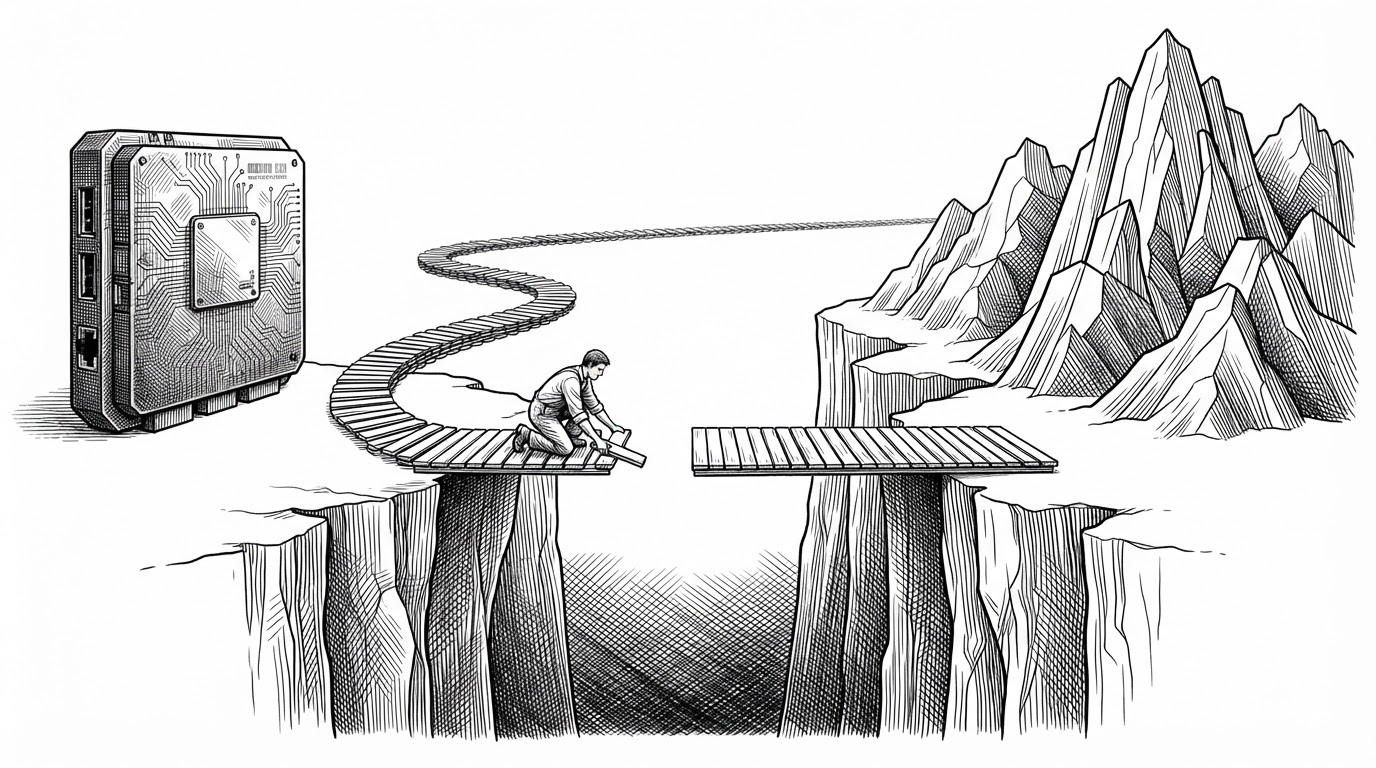
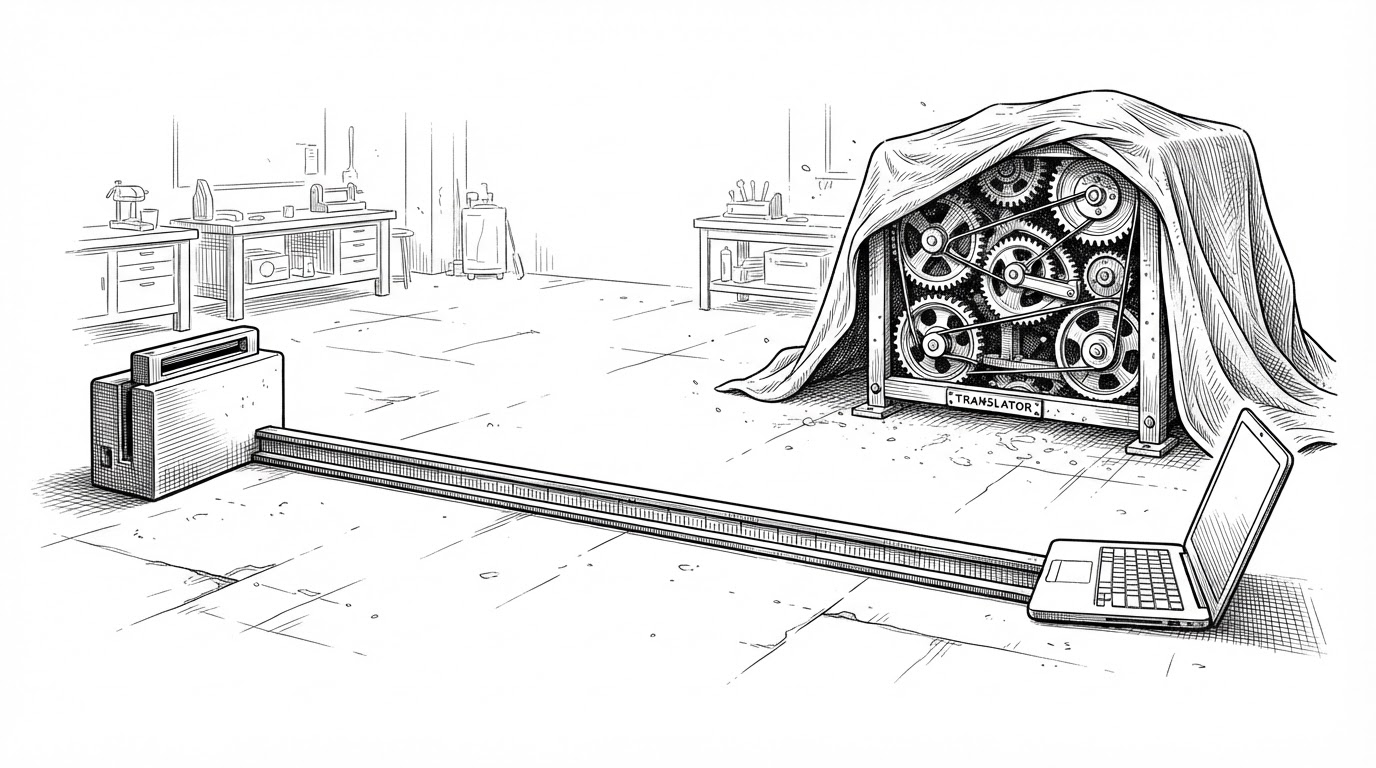
The reason lives in the platform. Xbox Series X|S executables are x86-64 PE32+ images built for a Zen 2 CPU, the same instruction set a desktop Windows machine speaks. There is nothing to emulate at the instruction level. What is missing is everything the console wrapped around the game: the loader, the OS services, the GPU, the file formats.
prepare() is where that inversion becomes concrete. Its job is to let the Windows loader do the expensive, error-prone work of mapping an image (relocation, unwind table registration, static TLS) while making sure the OS never runs a line of title code or resolves a single import.
It sets IMAGE_FILE_DLL in the file header and zeroes AddressOfEntryPoint. Windows now treats the image like a DLL. It maps it and calls nothing.
It points the import directory at its own empty terminator. That looks pointless until you learn the quirk: Windows 10 only assigns static TLS to a prepared DLL when an import table is present, even an empty one.
The subtle part is the TLS callback field. prepare() zeroes the callback pointer, but a base relocation would turn that zero into a live delta on rebase, and the loader would call garbage. So the code finds the DIR64 relocation for that field and retypes it as IMAGE_REL_BASED_ABSOLUTE, a no-op. A zero stays a zero. Finally it clears FORCE_INTEGRITY and zeroes the checksum, so the copy is unsigned and needs no signature.
// The TLS callback field is zeroed so the loader calls nothing.
// But a rebase would turn that zero into a live delta and the
// loader would call garbage. Retype the relocation as a no-op.
for reloc in image.base_relocations_mut() {
    if reloc.rva == tls_address_of_callbacks {
        reloc.kind = IMAGE_REL_BASED_ABSOLUTE;
    }
}
The payoff is that the image is real. The OS maps it, relocates it, and registers its unwind tables, so debuggers, profilers, and the Windows unwinder all see genuine module boundaries. Crash reporting and stack dumps depend on that. The runtime keeps the original parsed import table and binds from that, not from the patched one, so the lie to the loader costs nothing later.
This Is Not an Emulator
Every instinct says a project that runs a console game on Windows is an emulator. VIctory is not. Emulation translates one instruction set into another, cycle by cycle. VIctory has no instruction set to translate, because the game already speaks the host's language.
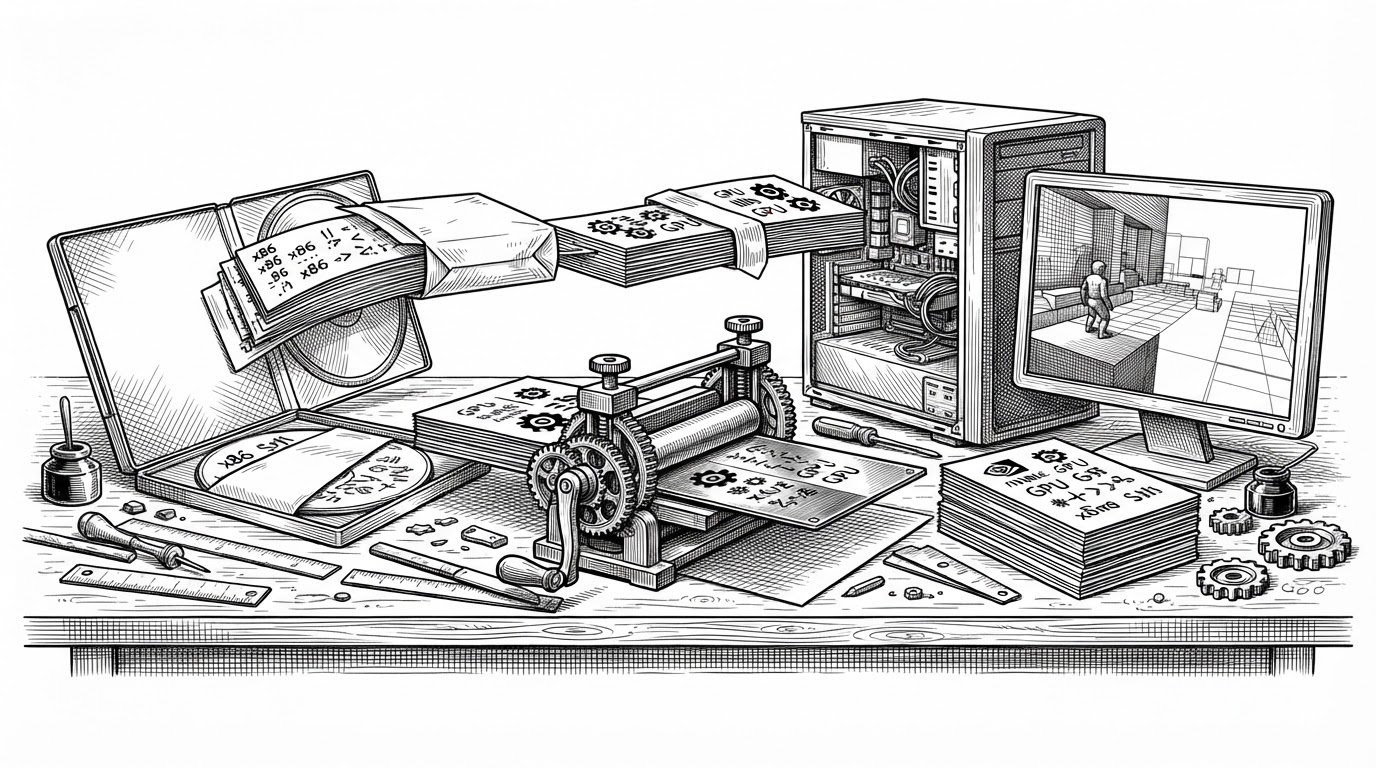
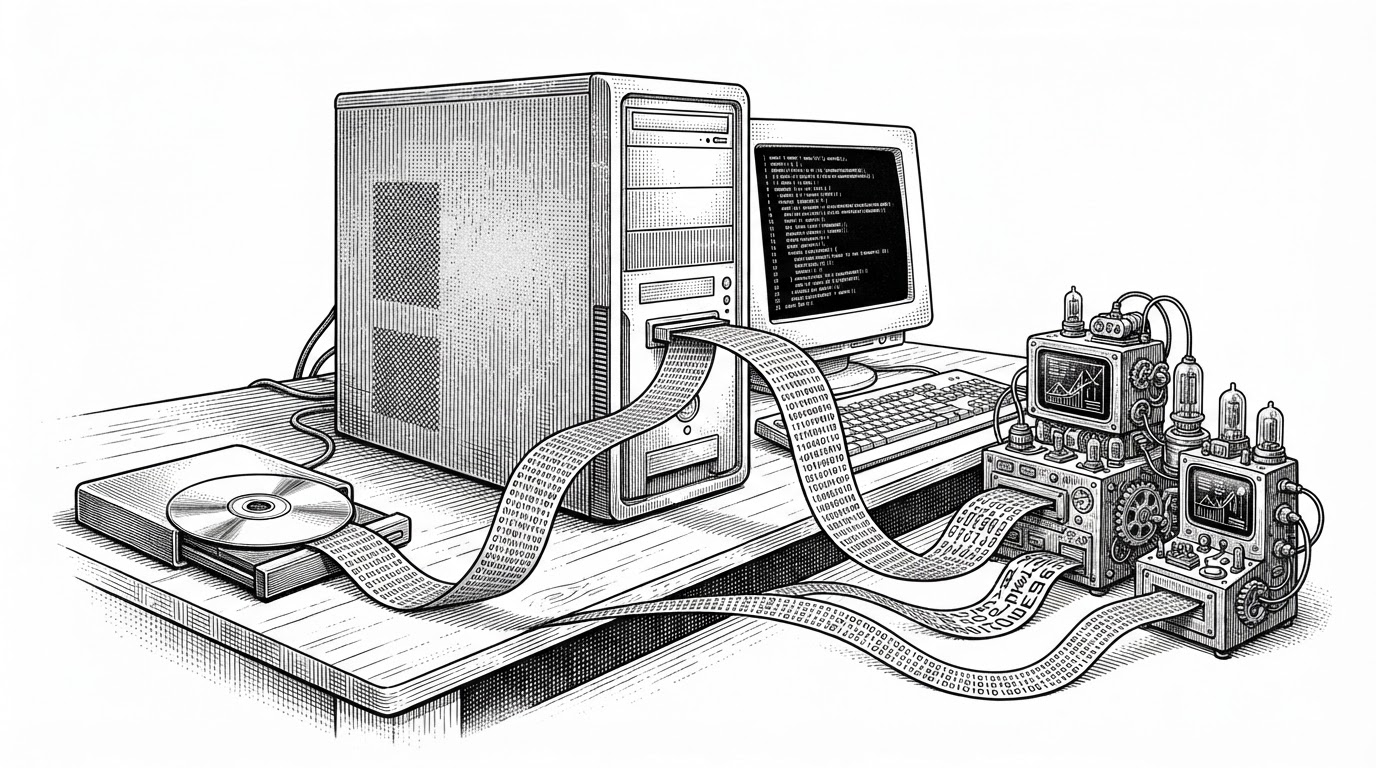
What it rebuilds is the platform, in four layers. A loader maps the title's PE images and binds their imports. A compatibility layer reimplements the console's OS API surface: xgame, xuser, d3d12x, xstore, xnetworking, and about thirty modules in all. A GPU layer translates console graphics to host Direct3D 12. And a formats layer decodes the console's data: BCPack textures, XMA audio, zlib archives, and tiled texture layouts.
The title's x86-64 code runs unchanged inside our process; VIctory supplies the platform underneath it and converts the title's data, ahead of time where it can and on first use where it must (shaders).
Ten Hours to the Main Menu
The project reached its reported milestone in a livestream. PortWatch covered the run and placed the project at its main-menu stage.
Exclusive: Marvis livestreams GTA VI reaching its menus at about 15 fps
The reported progression ran through boot, first-run screens, the intro video, menus, saves, and loading into the world. Community write-ups put the effort at roughly ten hours. The developer published the code afterward as VIctory.
One caveat belongs up front. The run was the developer's, on one Windows 11 machine with an AMD RX 6700 XT, and at the time of reporting nobody else had reproduced it. Reaching the world is not the same as being playable. The README says so in three words.
Five Stages, One Contract
The loader reads like a specification. Five stages: prepare the copy, load it as a real module, map the title's DLLs the same way, bind every import through a WithTitleDlls wrapper, then spawn main. The boot sequence in run.rs makes the ordering explicit.
- Wait for a previous process to exit, because a title that relaunches itself must not race its own predecessor.
- Prepare the executable, then hash it with BLAKE3 to identify the exact build.
- Set up the shader cache before any image loads.
- Map the patched image and register it with the runtime.
- Build the HLE resolver, honoring a strict mode that disables host passthrough.
- Mount the package directory as G: and a per-title temp directory as T:, following the console's drive-letter convention.
- Parse MicrosoftGame.config for the title ID and storage quota. A missing manifest gives title ID 0 and no quota, and the code says so.
- Map the DLLs shipped beside the executable.
- Bind every DLL, then the main image, through the resolver. Missing imports are reported by name.
- Without --execute, stop. With it, install crash logging and a late-DLL loader callback, then spawn main.
The ordering is the design. Everything the title can observe (drive letters, title ID, storage path, console model) is fixed before a single line of title code runs. The safety comment at the spawn call marks the boundary: imports are bound, and from here on the runtime is running title code.
Rewriting a GPU in Software
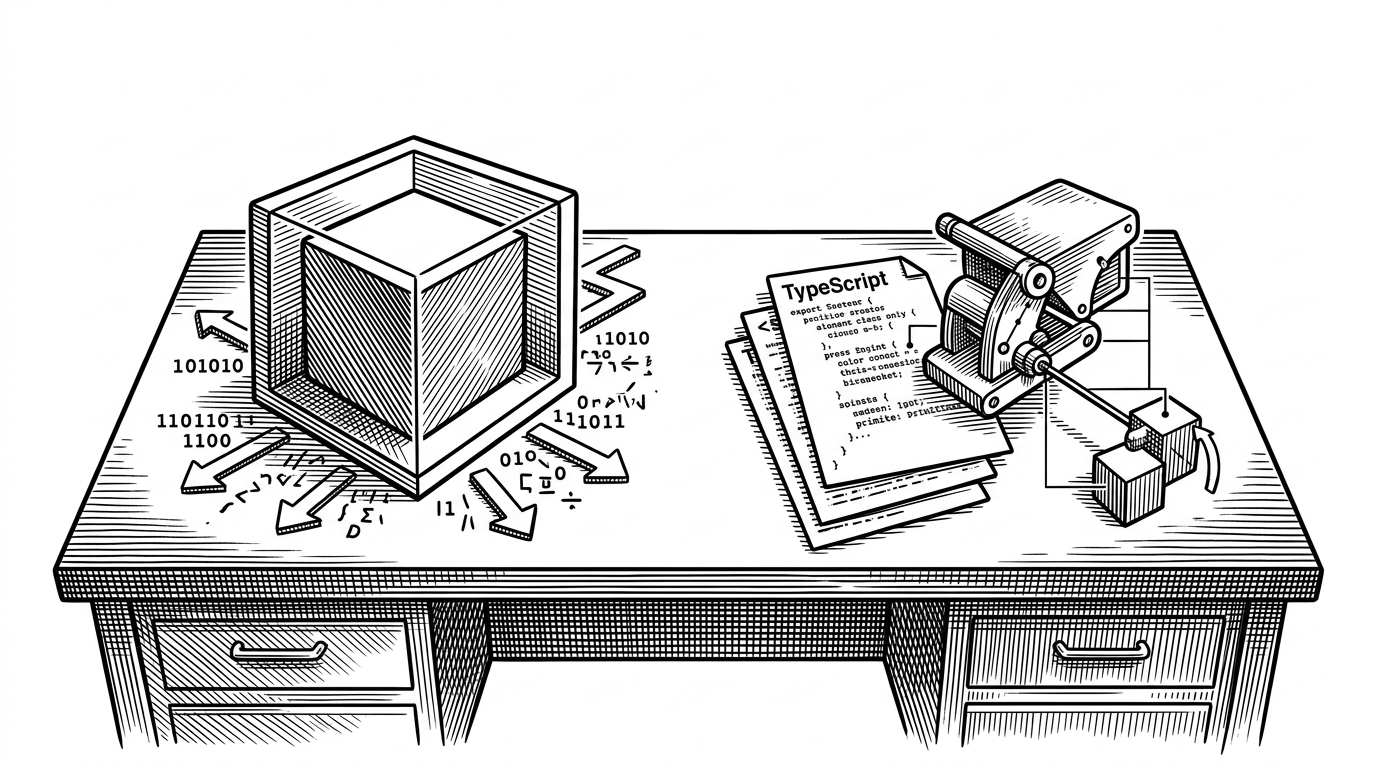
The second-hardest problem is the shader translator. The console's GPU speaks GFX10, the RDNA 2 family instruction set. Direct3D 12 accepts DXIL. The victory-shader crate turns one into the other.
It is a pure transformation: GFX10 in, DXIL out, with its own validator path. Output is checked by dxil.dll through victory translate --validate, located via an environment variable or the newest Windows SDK. Results are cached at pipeline creation, so a given shader is translated once.
The crate boundaries enforce the separation. The GPU layer knows nothing about PE files. The shader crate knows nothing about the GPU layer. Each is testable on its own, which matters when the failure mode of a wrong translation is a black frame rather than a crash.
The world needs mesh shaders, which is one reason the world renders so much worse than the menus. The translator handles what it can and reports what it cannot.
Generating illustration...
What Actually Runs
The README's status table is unusually blunt. Menus work. Much of the world's rendering does not. Some shader classes are unsupported. In the reported test, the world rendered at 0.5 to 1.8 seconds per frame.
The README also warns that entering the world on a physical GPU can hang it and trigger a display-driver reset, and points readers at a software-rendering diagnostics mode instead. That is the honest version of a compatibility layer in progress.
Treat the bluntness as a feature of the project's credibility. A layer that overstates its coverage wastes contributor time. One that reports exactly what is missing, and ships a census command to list it, turns the gap into a work queue.
The Honest Comparison
Two categories people reach for when they hear about a project like this: emulators and source ports. VIctory is neither, and the difference is what it chooses to rebuild.
| Approach | What runs | What has to be rebuilt | Cost |
|---|---|---|---|
| Emulator | Foreign machine code, translated at runtime | The CPU, the GPU, the whole console | Broad library, per-title tuning, high overhead |
| Source port | Rewritten game code | The gameplay itself, often for years | Native performance, but the original code is gone |
| VIctory | The title's own x86-64 code, unchanged | The console platform: loader, OS APIs, GPU, formats | Native code, but a full compatibility layer to finish |
Policy as Code
The project's legal and ethical posture is not just README prose. It is runtime code. ensure_outside_repo(path) is called at every write site.
The check canonicalizes the longest existing prefix of a target path and re-appends the tail, so paths that do not exist yet can still be checked. It rejects anything under the compiled workspace root, and anything with an ancestor containing a .victory-root marker file, which catches other clones and copies of the repository.
The test suite includes one that checks a .. escape back into the repo. Because Config::subdir calls the check before create_dir_all, the guard cannot be skipped by writing a path directly.
That is rare in this space. The project distributes no game data and does not want caches or converted assets committed, and it enforces both in code rather than asking nicely. For a project whose whole premise is running someone else's game, the most careful engineering might be the part that refuses to touch the files.